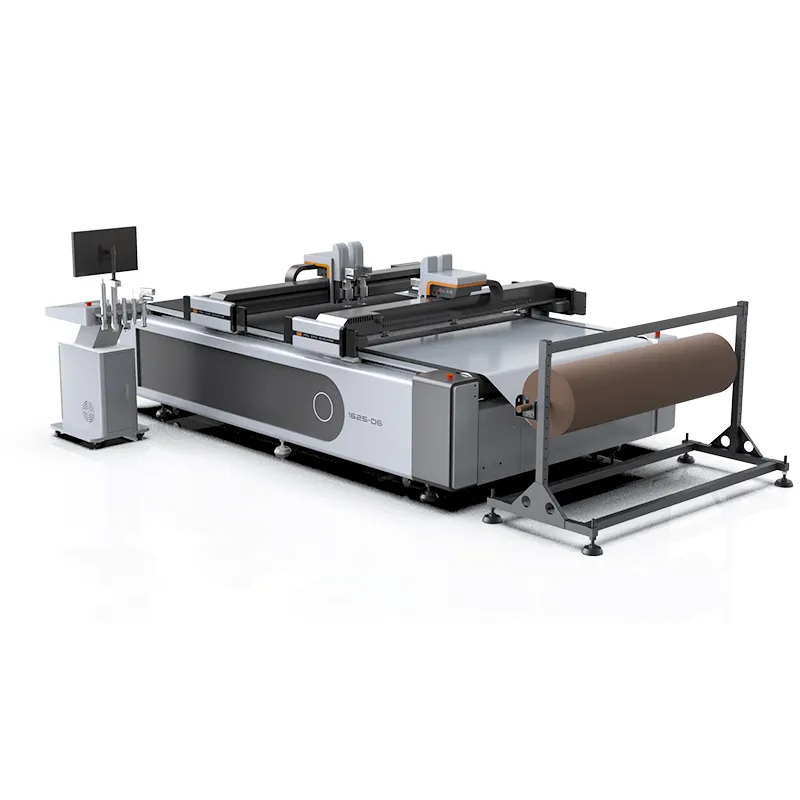
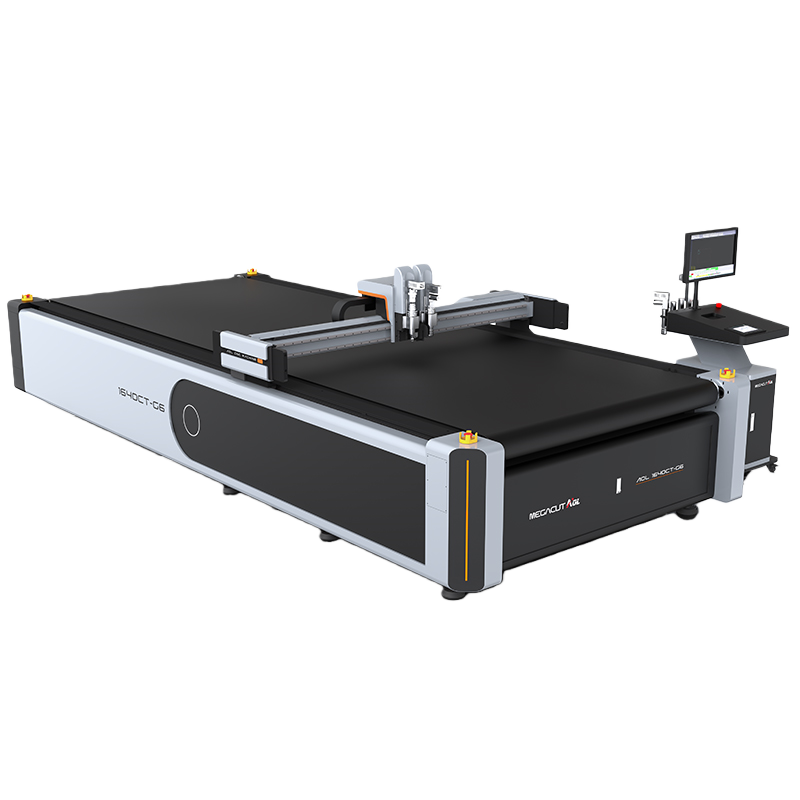
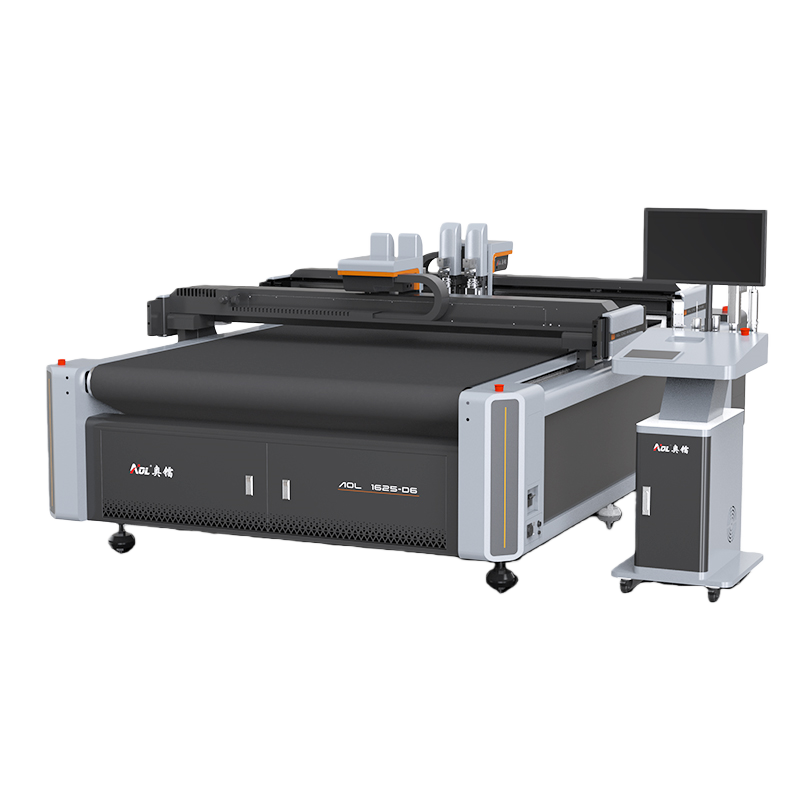
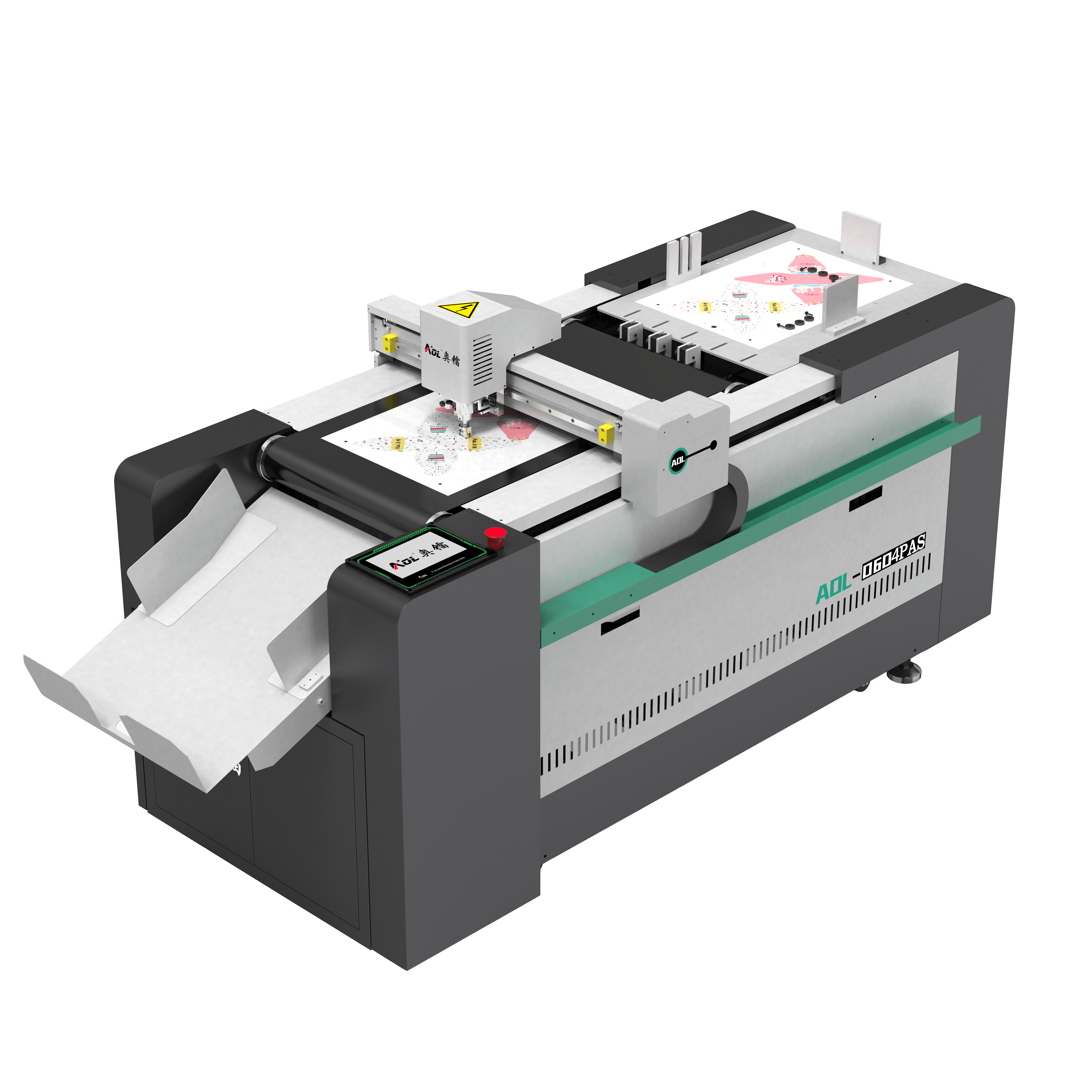
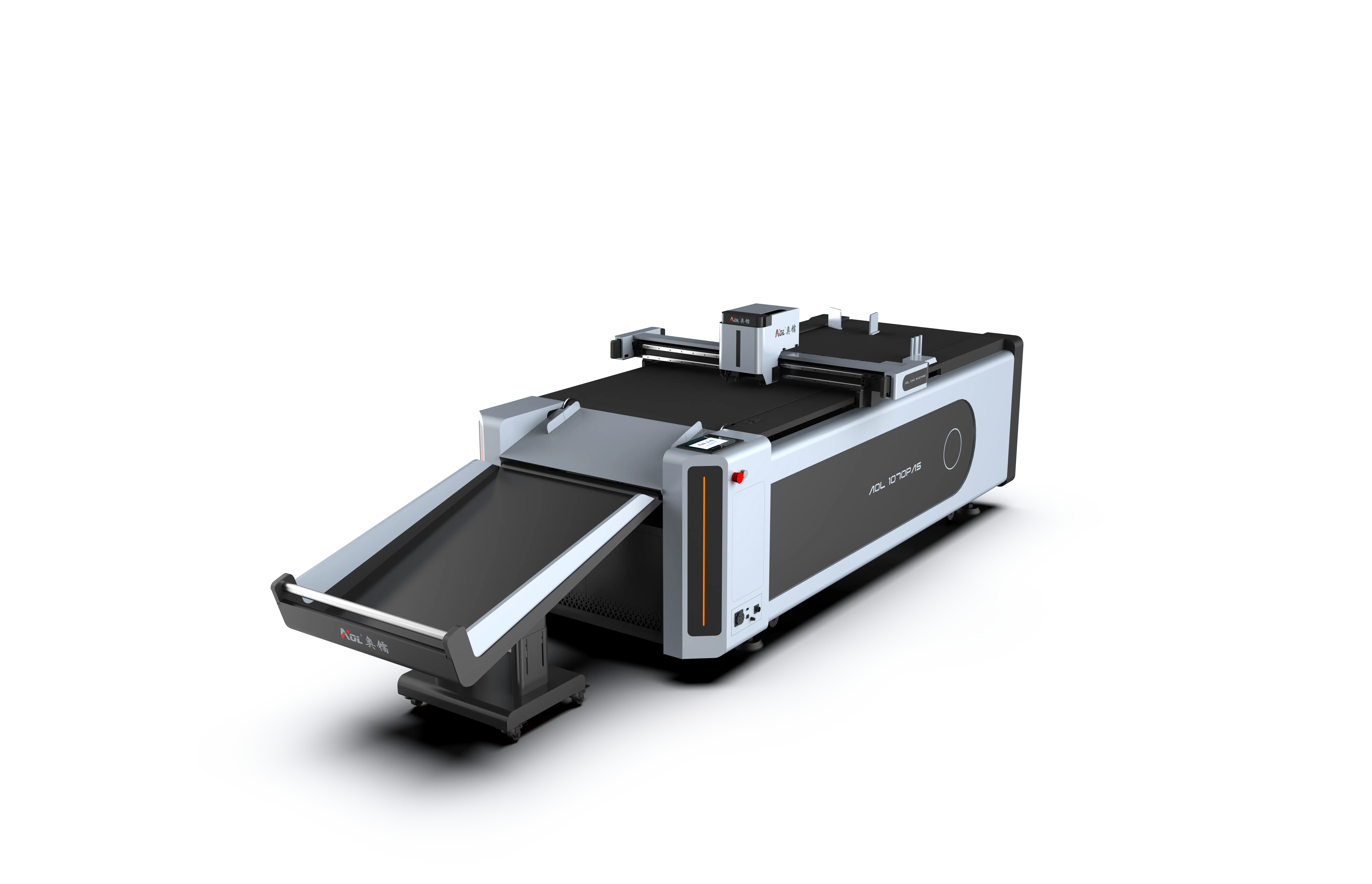
In the traditional leather goods processing industry, the cutting process has long relied on manual operations by skilled workers or mechanical punching. This not only limits production speed but also leads to material waste and inconsistent quality. The advent of CNC leather cutting machines has completely transformed this landscape. By integrating digital control with advanced tooling systems, it has shifted leather processing from a labor-intensive to an automated, intelligent production model, delivering multidimensional value to the manufacturing sector.
First, CNC leather cutting machines automate production processes, effectively overcoming labor bottlenecks. Traditional manual cutting is constrained by workers' physical endurance and experience, making sustained high efficiency unattainable. In contrast, CNC cutting equipment operates continuously and stably around the clock without breaks, achieving cutting speeds far exceeding manual capabilities. This enables enterprises to rapidly expand production capacity without significantly increasing manpower, effectively handling order surges while reducing training costs and management challenges associated with workforce turnover.
Second, the equipment demonstrates significant advantages in material cost control. As a natural material, leather often exhibits defects, texture variations, and irregular shapes, making traditional layout methods challenging to balance utilization rates with quality. CNC cutters typically feature intelligent vision recognition systems and automated layout software that scan leather contours and imperfections in real time, automatically arranging multiple cut pieces in an optimal pattern to avoid flawed areas. This “smart nesting” functionality boosts leather utilization by over 15%. For premium genuine leather, the material savings alone can recoup the equipment investment within a short timeframe.
Furthermore, CNC cutting ensures exceptional processing precision and product consistency. Whether manufacturing automotive seats, high-end furniture, or fashionable luggage, each piece requires precisely sized, smooth-edged panels for seamless subsequent stitching. The CNC system controls tool paths with micron-level repeatability, ensuring the first cut matches the thousandth perfectly. This eliminates misalignment and scrap caused by manual marking or cutting errors, significantly enhancing product quality and brand image.
Modern CNC leather cutting machines also offer powerful versatility. Through automatic tool changers, a single machine can perform multiple processes. For instance, vibrating blades cut thick leather layers, pneumatic blades handle soft materials, and additional tools like creasing dies or milling cutters enable secondary operations like slotting and chamfering. This integrated design reduces transfer time between multiple machines and saves workshop space, making it particularly suitable for small-batch, multi-variety customized production demands.
Finally, the digital production model delivers long-term competitive advantages for enterprises. All cutting data is stored electronically, allowing design modifications through simple CAD adjustments without costly retooling. This significantly shortens new product development cycles and eliminates the need for warehouses storing physical dies. Additionally, the enclosed protective design of the operating environment reduces workplace injury risks, meeting modern factory safety standards. Overall, CNC leather cutting machines are driving the leather goods industry toward greater efficiency, precision, and sustainability.

 EN
EN