
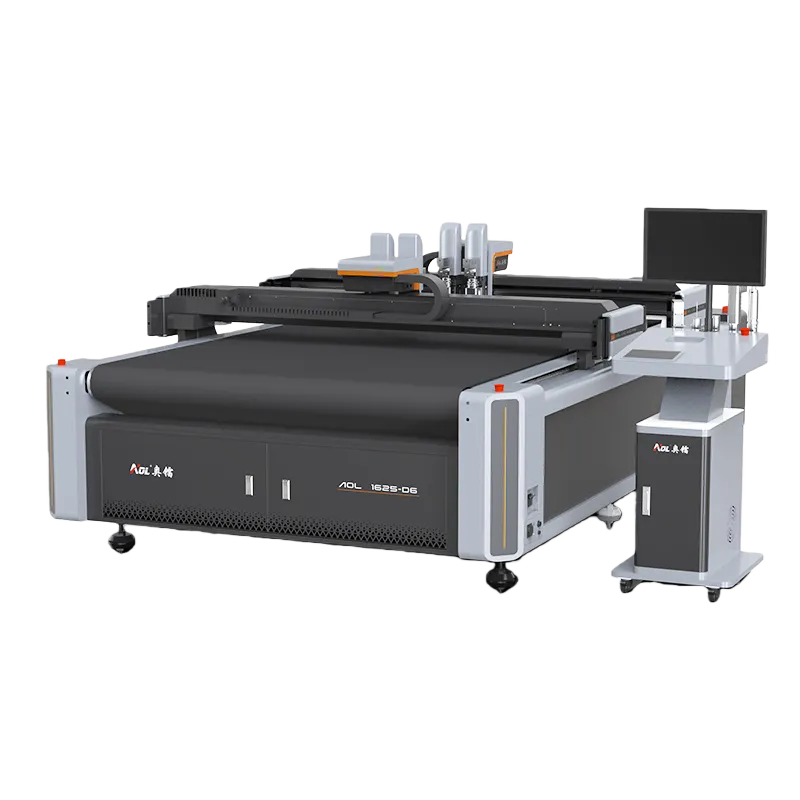
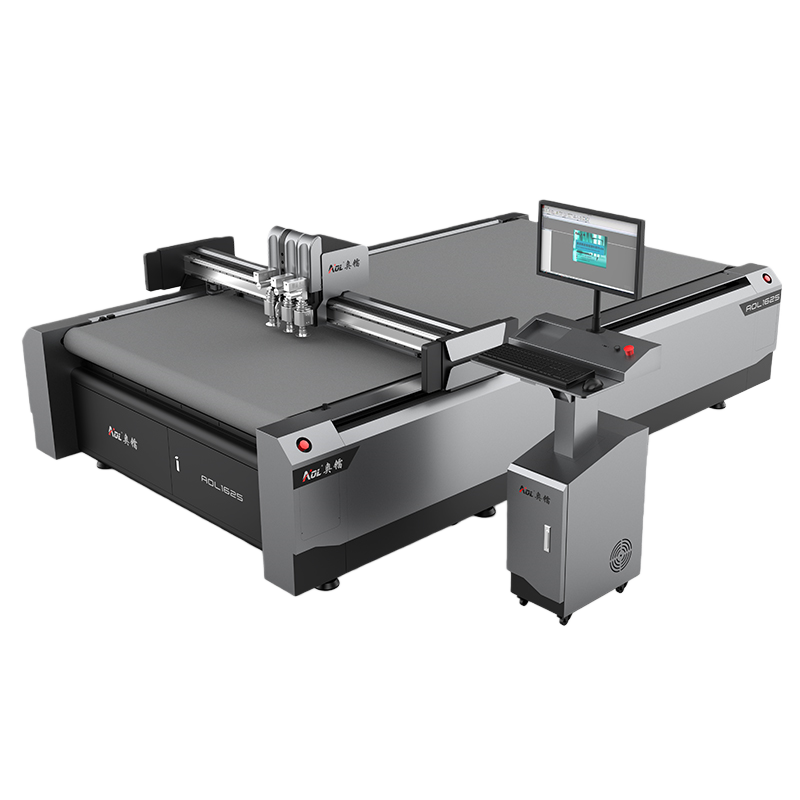
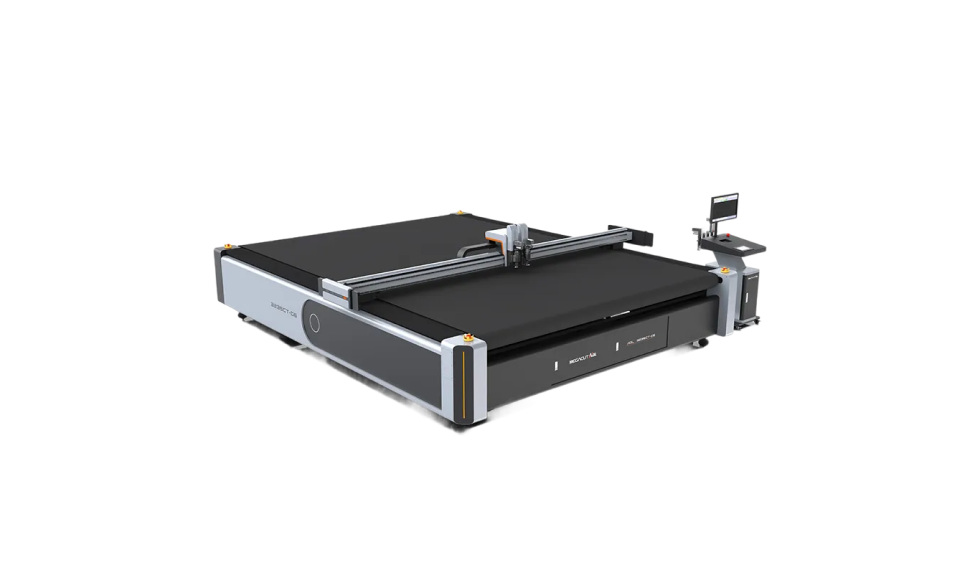
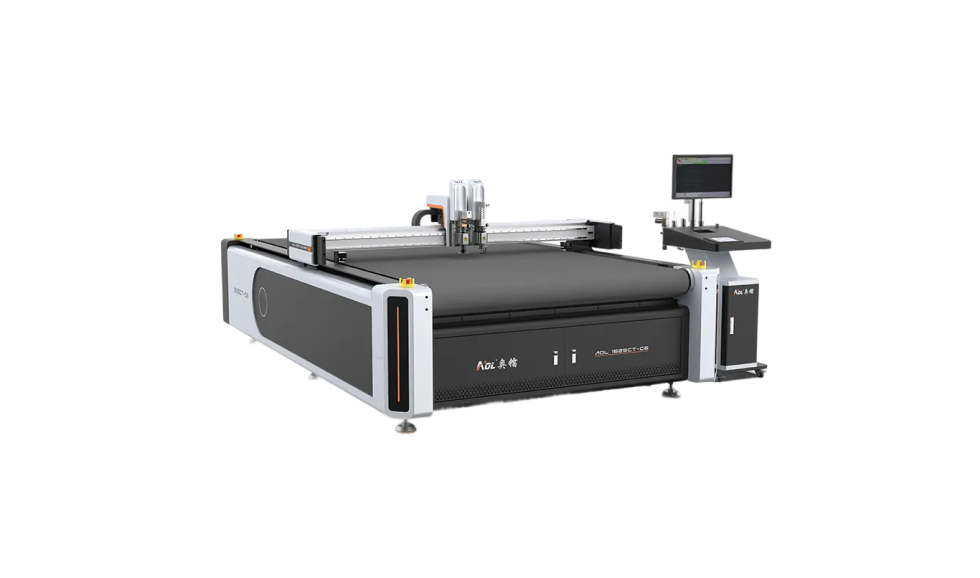
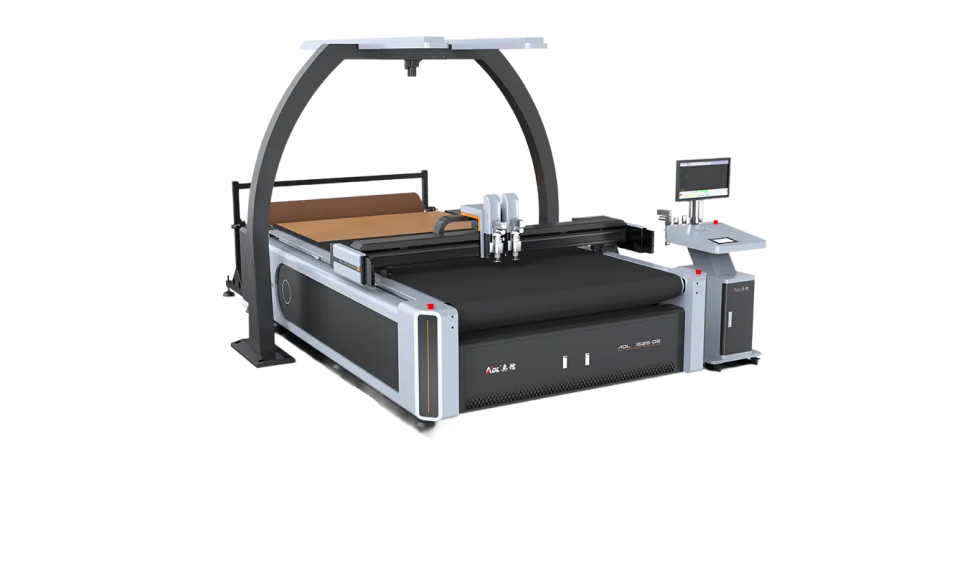
In today's fiercely competitive manufacturing landscape, transitioning from traditional craftsmanship to digital production is no longer an option but a strategic imperative for survival and growth. The advent of digital artificial leather cutting machines has revolutionized decades-old manual cutting and die-cutting processes. More than just equipment, it serves as the core solution to industry pain points, driving cost reduction and efficiency gains. Its significance is first demonstrated through unparalleled control over raw material costs: Traditional manual layout relies solely on experience, making material wastage from gaps inevitable. In contrast, the AI-powered intelligent layout algorithm on this equipment calculates the optimal cutting path within seconds. It arranges irregularly shaped pieces like puzzle pieces, fitting them together tightly. This reduces waste of expensive synthetic leather by 10% to 15%. For factories with massive monthly material consumption, these savings alone can recoup the equipment investment within a year. Second, it resolves the most vexing “consistency” challenge in mass production—manual cutting errors often lead to inconsistent quality within the same batch. In automotive interiors or high-end furniture, even millimeter-level deviations can cause assembly difficulties. Digital equipment, powered by the precise control of servo motors, ensures that the first piece cut in the morning matches the last piece cut at night with absolute accuracy. This zero-deviation standardized production significantly enhances brand professionalism and customer satisfaction.
Its deeper value lies in respecting material properties and revolutionizing craftsmanship. Unlike laser cutting that may produce scorched odors, or traditional die-cutting that compresses material backsides, advanced digital cutting systems employ intelligent vibrating blades or drag-knife technology. This cleanly severs synthetic leather coatings while ensuring smooth, flat edges free of fraying—without compromising the material's inherent elasticity and texture—eliminating post-trimming processes. Moreover, in today's market driven by small-batch, high-frequency production and personalized customization, this equipment's “tooling-free” capability proves indispensable. Traditional mold-making costs hundreds of dollars and requires weeks of waiting, whereas digital machines can start production immediately upon importing new CAD drawings. This enables factories to flexibly handle urgent orders, rapidly prototype new products, and seize market opportunities. Finally, from a human-centered and labor perspective, it liberates workers from high-intensity, repetitive physical labor, reducing occupational strain caused by prolonged bending and exertion. This allows skilled workers to transition into equipment operators, redirecting their focus toward more creative tasks like sewing and quality inspection. In summary, the digital synthetic leather cutting machine serves as critical infrastructure for modern manufacturing to achieve sustainable production, agile responsiveness, and high-quality delivery. It is redefining manufacturing standards across industries ranging from automotive interiors and upholstered furniture to fashionable luggage.