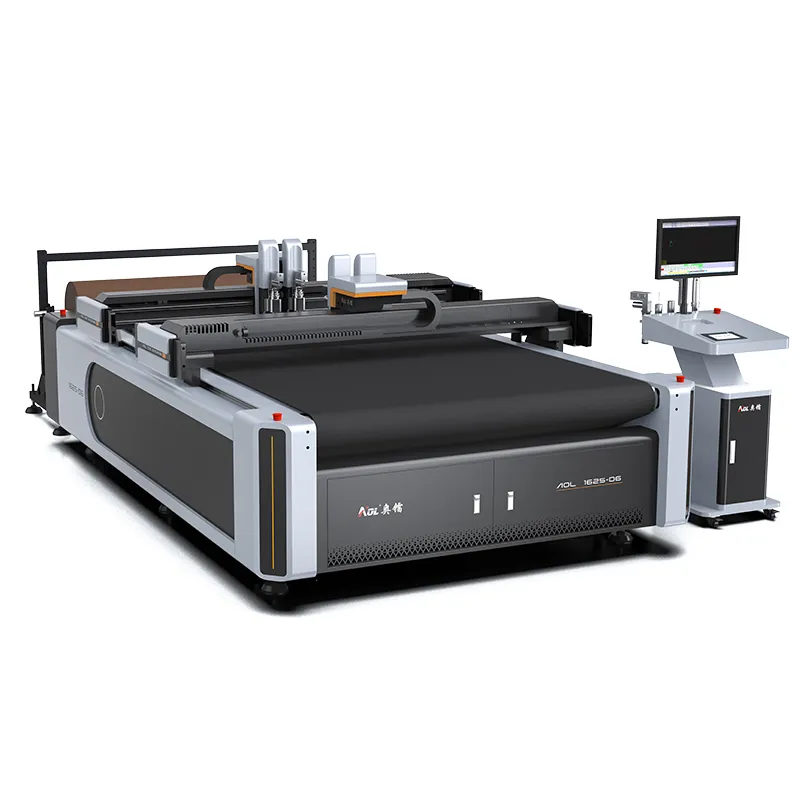
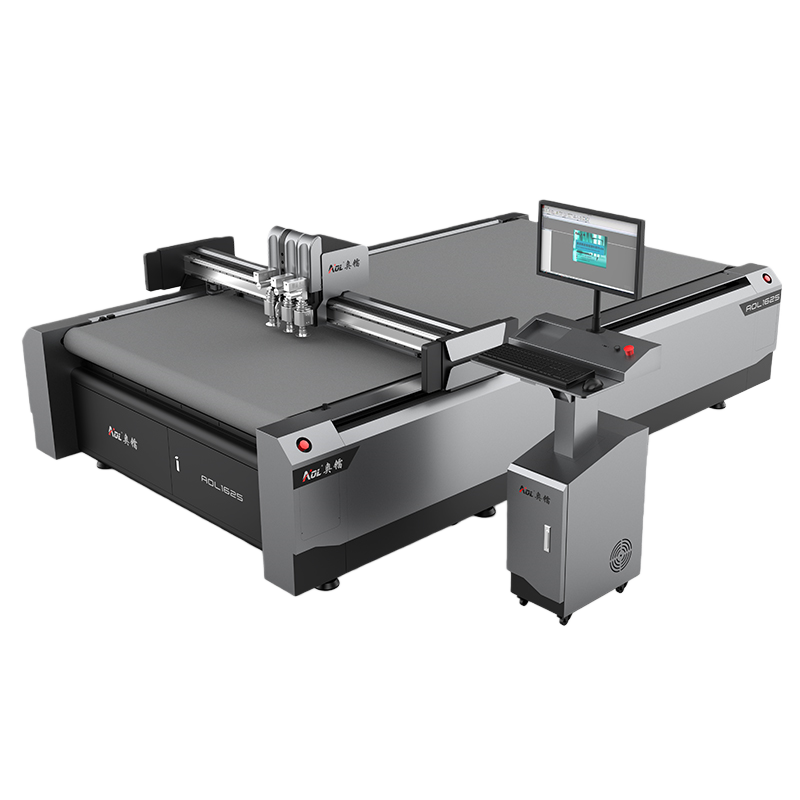
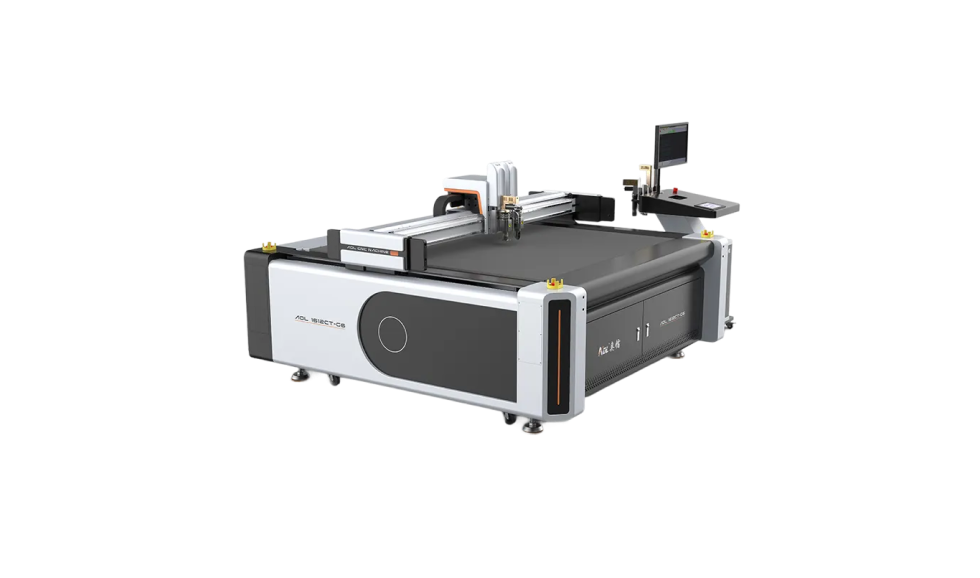
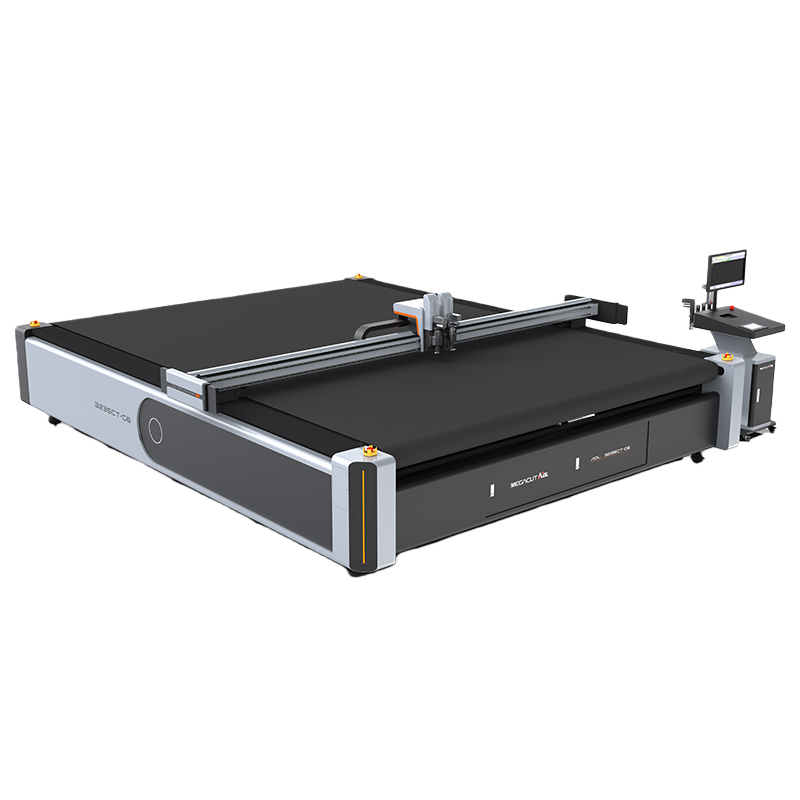
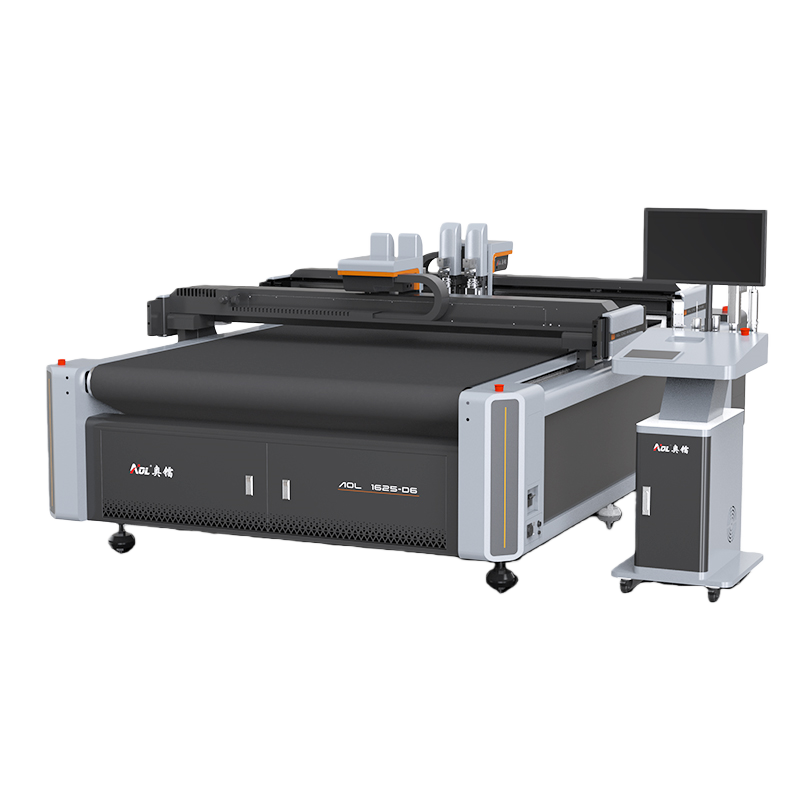
Digital leather cutting machines have far surpassed their role as mere replacements for traditional manual punching presses, emerging as a core driver of innovation across the entire supply chain. By completely eliminating the need for physical molds and enabling on-demand manufacturing, this technology unlocks unprecedented possibilities for design and production efficiency. Currently, it is profoundly transforming production models across numerous industries.
In automotive and aerospace interiors, modern vehicles demand ever-increasing levels of comfort and design sophistication. Digital leather cutting machines precisely trim seat upholstery, headrests, armrests, and dashboard coverings, ensuring consistent grain direction throughout the cabin for a luxurious visual and tactile experience. Simultaneously, they efficiently process synthetic leather for components like steering wheels, meeting stringent aviation safety and lightweighting standards. For the furniture and interior decoration industry, the rise of modular furniture and customized designs demands extreme flexibility in production processes. Digital cutting systems effortlessly handle materials up to several meters long, such as sofa backs or office chair upholstery. They complete complex shape cuts in a single pass without manual repositioning, significantly boosting efficiency in large-scale production.
In fashion and leather goods, digital cutting technology seamlessly accommodates both the fast-paced demands of fast fashion and the bespoke nature of luxury items. It efficiently handles complex seam allowances in garments while precisely processing intricate components like handbag straps and shoe uppers, enabling manufacturers to seamlessly switch between different styles on the same production line. In sports equipment and technical material processing, high-performance athletic gear often utilizes slippery or delaminating composite materials. The vibration-free cutting capability of digital cutting machines effectively prevents material separation, ensuring the quality of products like gloves and saddles. Furthermore, as consumer demand for personalized products surges, digital cutting technology is driving the rise of mass customization production models. Whether it's luggage tags with personal engravings, phone cases, or small-batch custom leather goods for hotels, digital files make “single-piece batch” production economically viable, enabling enterprises to achieve zero-inventory flexible manufacturing.
Looking ahead, the application prospects for digital leather cutting technology will expand significantly. By integrating artificial intelligence for defect detection, future machines will not only execute cutting commands but also make autonomous decisions: High-definition cameras will scan scars or grain patterns on natural hides, automatically repositioning cut pieces to the most optimal areas to maximize material value. Simultaneously, the integration of 3D cutting with creasing technology holds great promise. Digital cutting tools capable of performing semi-cutting or creasing during the cutting process will facilitate subsequent folding and assembly, paving the way for automated production of three-dimensional products like shoe boxes and leather goods. As sustainability gains global consensus, digital cutting technology's waste-reduction advantages make it an inevitable choice. Moving forward, efficiently processing unevenly dense recycled leather or sustainable materials will become a core R&D focus, propelling manufacturing toward greener, smarter evolution.

 EN
EN