
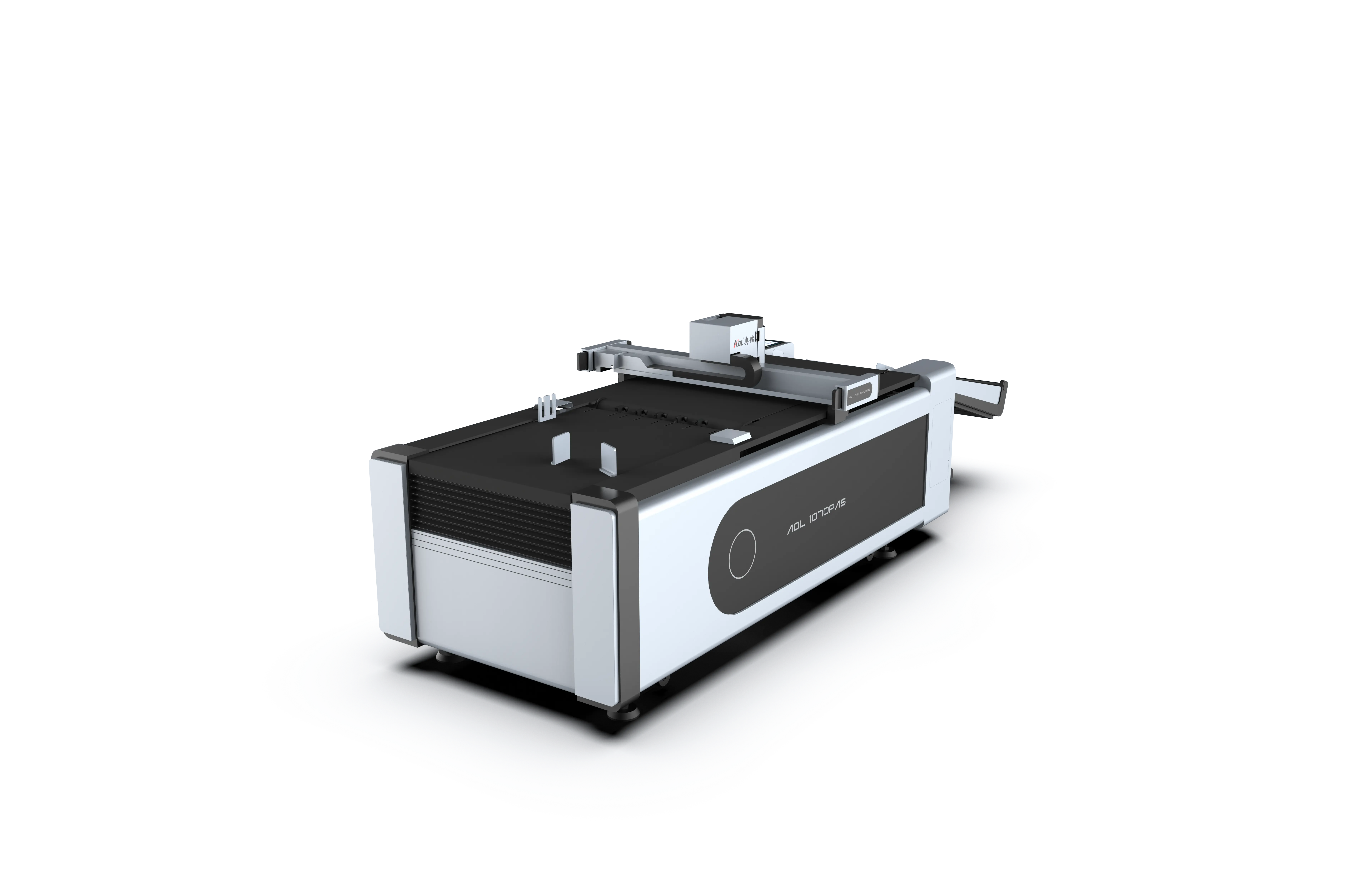
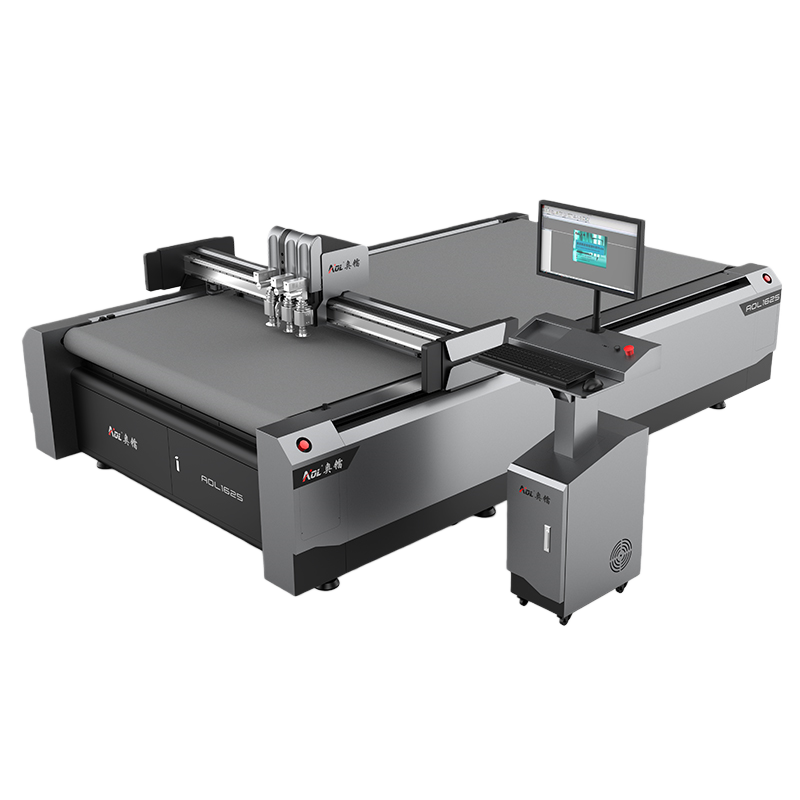
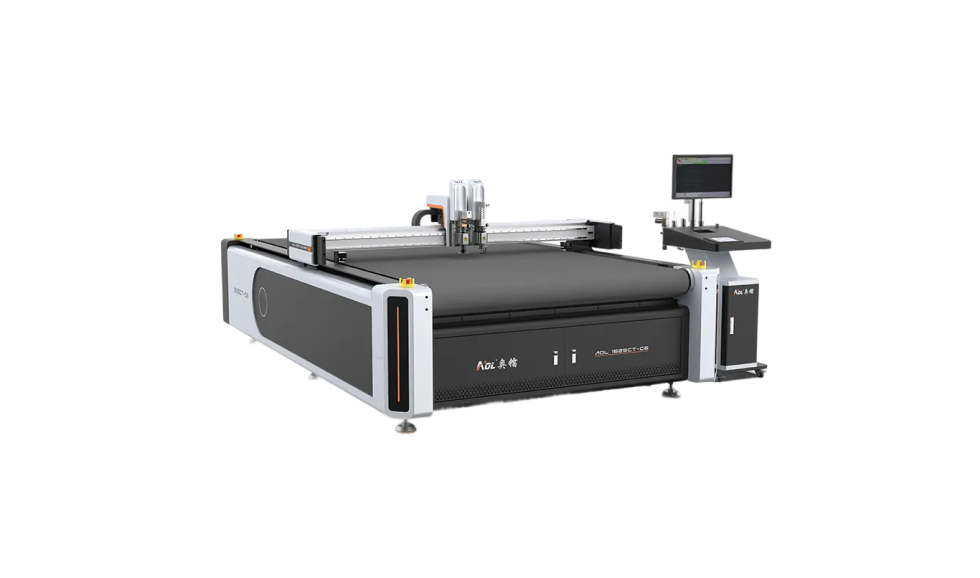
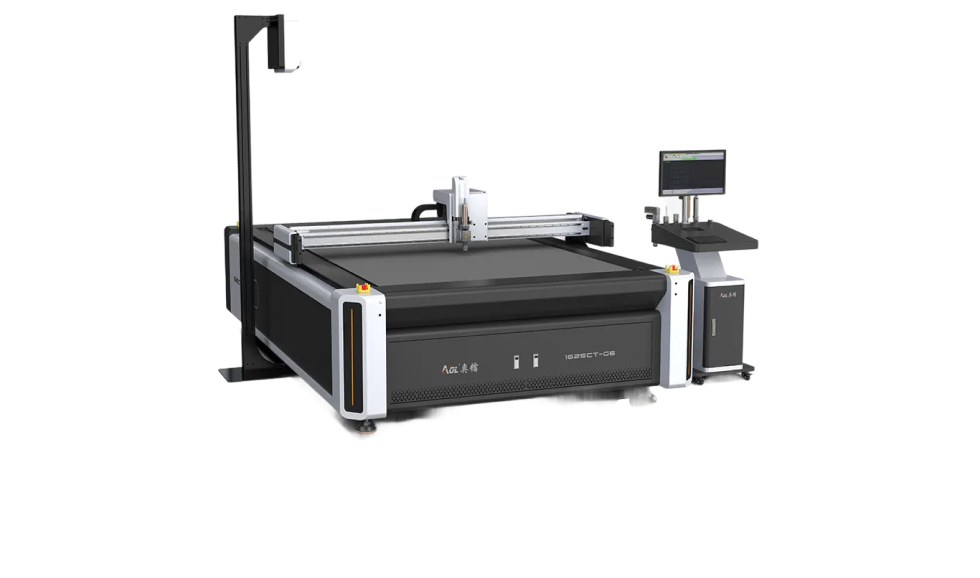
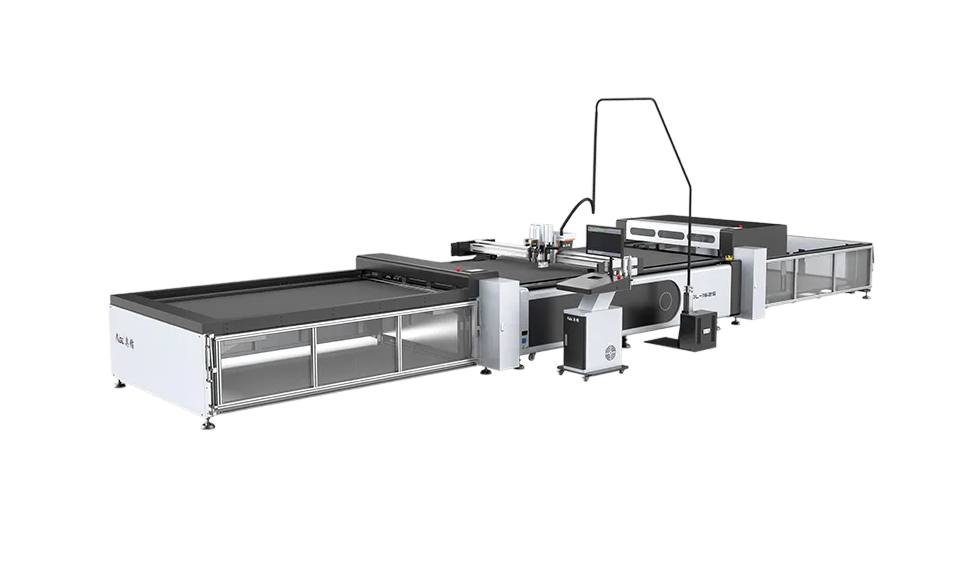
A CNC machine for foam cutting is far more than a single-purpose tool; it is a versatile fabrication platform that unlocks a world of possibilities across a diverse range of industries. By automating the precise cutting of materials like Expanded Polystyrene (EPS), polyurethane, and polyethylene foams, this technology empowers businesses to move from concept to creation with unprecedented speed and accuracy.
In the construction and architectural sectors, the CNC foam cutter has become an indispensable tool. It allows for the creation of lightweight decorative elements such as cornices, ceiling medallions, and column wraps that can replicate the look of expensive stone or wood at a fraction of the cost and weight. Beyond decoration, it plays a critical role in energy-efficient building through the production of precision-cut Insulated Concrete Forms (ICF), and even facilitates metal casting processes via lost-foam molding.
The creative industries also heavily rely on this technology. For themed entertainment, museum exhibits, and trade shows, a CNC machine enables the fabrication of large-scale, intricate displays that are both lightweight and easy to transport. In film and theater, set designers and prop makers use it to craft hyper-realistic props and structures quickly, while sign shops utilize it to produce dimensional letters and logos with crisp, professional edges.
In the world of industrial manufacturing, the applications are equally compelling. Product designers and engineers use CNC foam cutters for rapid prototyping, allowing them to test ergonomics and fit long before committing to expensive metal molds. The aerospace and marine industries leverage the technology to create precise plug molds for composite materials like fiberglass used in boat hulls and wind turbine blades. Meanwhile, the booming e-commerce and logistics sector depends on these machines for custom packaging solutions, creating foam inserts that cradle sensitive electronics or medical devices perfectly during transit.