
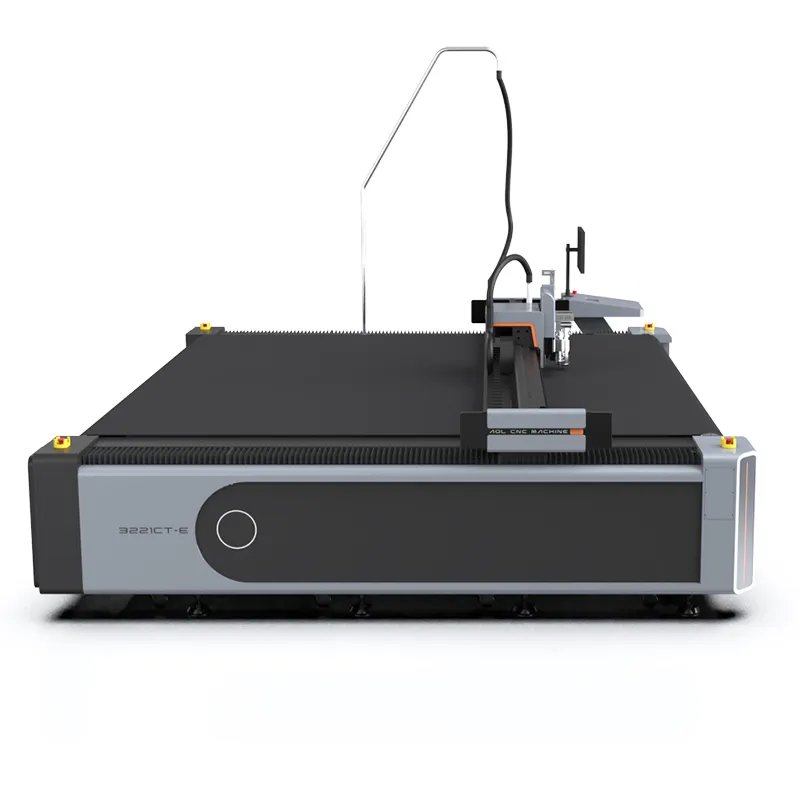
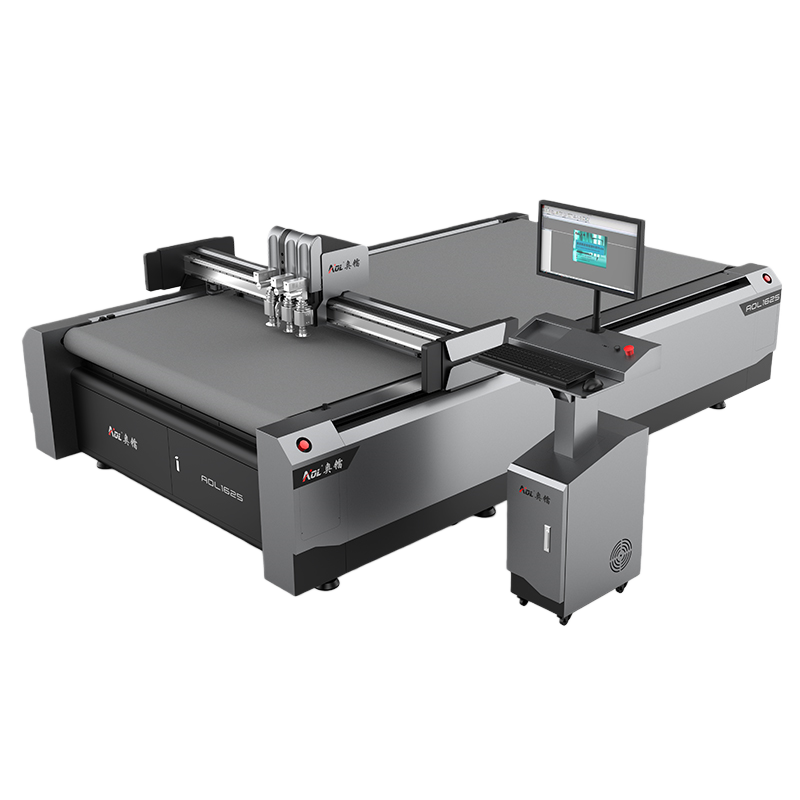
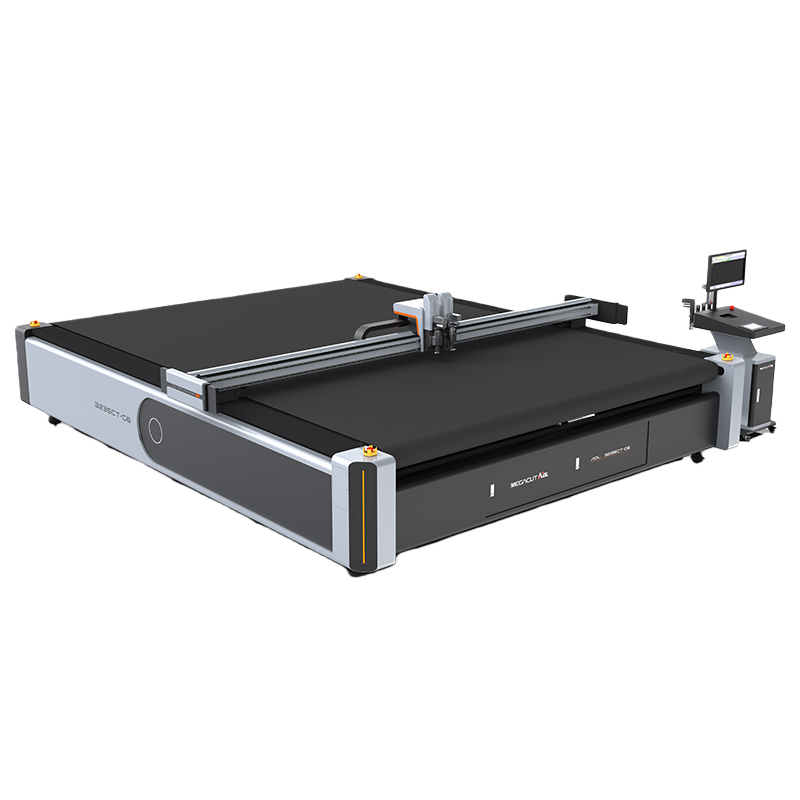
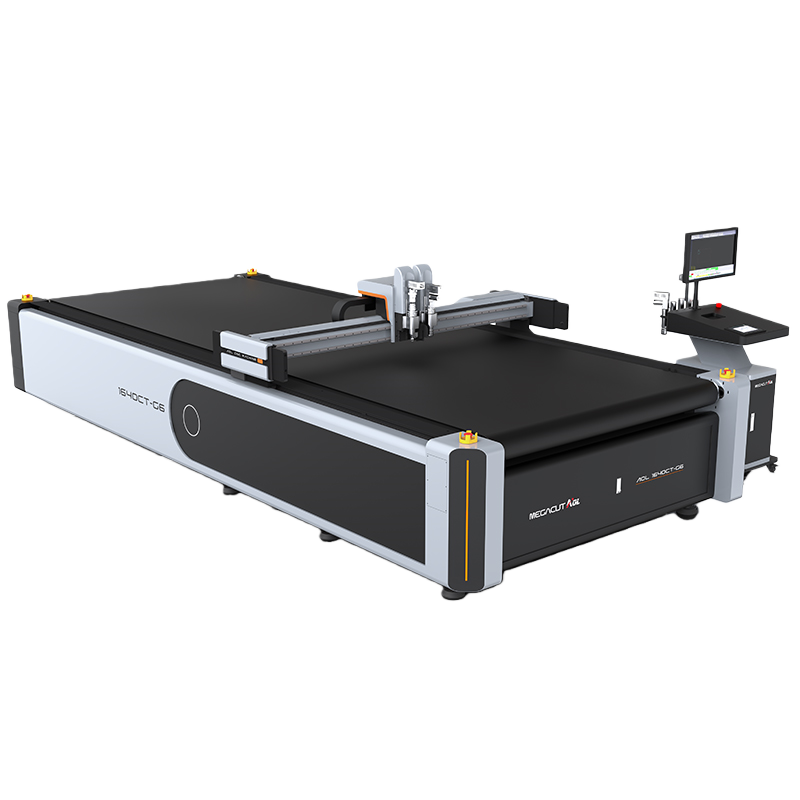
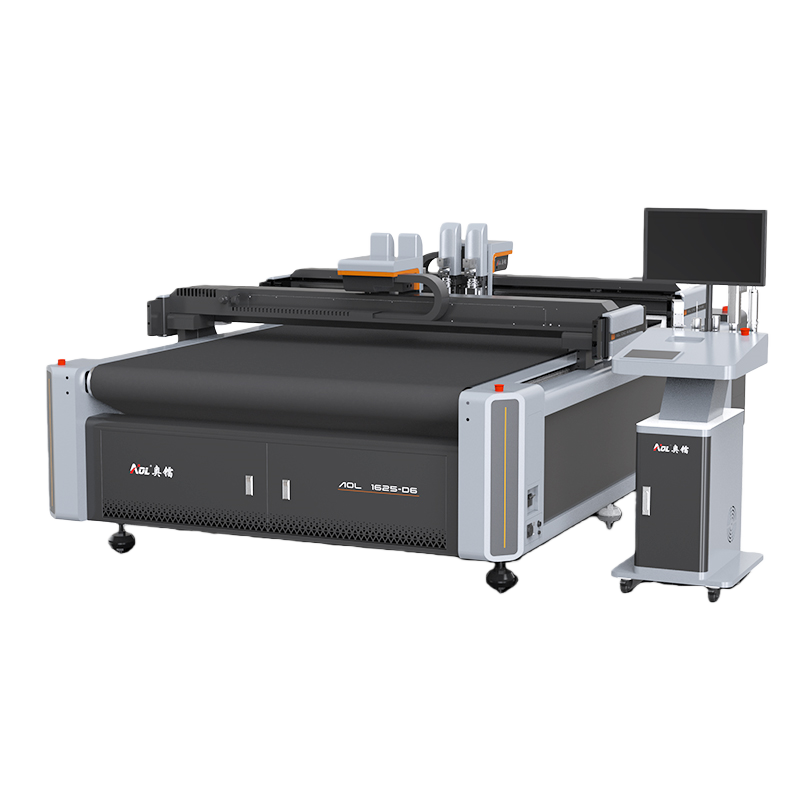
In the landscape of modern manufacturing, the digital cardboard cutting machine represents a paradigm shift that extends far beyond simply replacing a pair of scissors or a traditional die press. This technology fundamentally alters how businesses approach prototyping, production, and profitability by acting as the critical bridge between a digital file on a screen and a physical product in a client's hand. Its primary significance lies in the democratization of prototyping, effectively compressing what used to be a two-week cycle involving expensive steel-rule dies into a twenty-minute process. This rapid iteration capability allows designers to experiment freely and bring products to market faster than ever before, eliminating the financial risk and time delays associated with traditional tooling errors.
Furthermore, this machinery serves as the great enabler of mass customization in an era where generic packaging no longer suffices for brands competing for consumer attention. Because digital cutters treat every job as a unique file with zero setup costs between runs, they make the "lot size of one" economically viable, allowing businesses to produce fifty unique boxes for fifty different customers in a single shift. This capability directly contributes to the death of inventory waste by facilitating a Just-in-Time manufacturing model, where companies store flat sheets instead of bulky pre-die-cut blanks, dramatically improving cash flow and warehouse efficiency. From a strategic business perspective, these machines act as a diversification tool—often handling foam core, plastics, and magnetic sheeting in addition to cardboard—allowing shops to expand their service offerings without acquiring specialized equipment for every material. Finally, in an age where corporate responsibility is paramount, the tool-less nature of digital cutting aligns with sustainability goals by eliminating die waste and utilizing precision nesting algorithms to minimize raw material consumption, enabling companies to market their packaging as eco-conscious and produced on-demand.