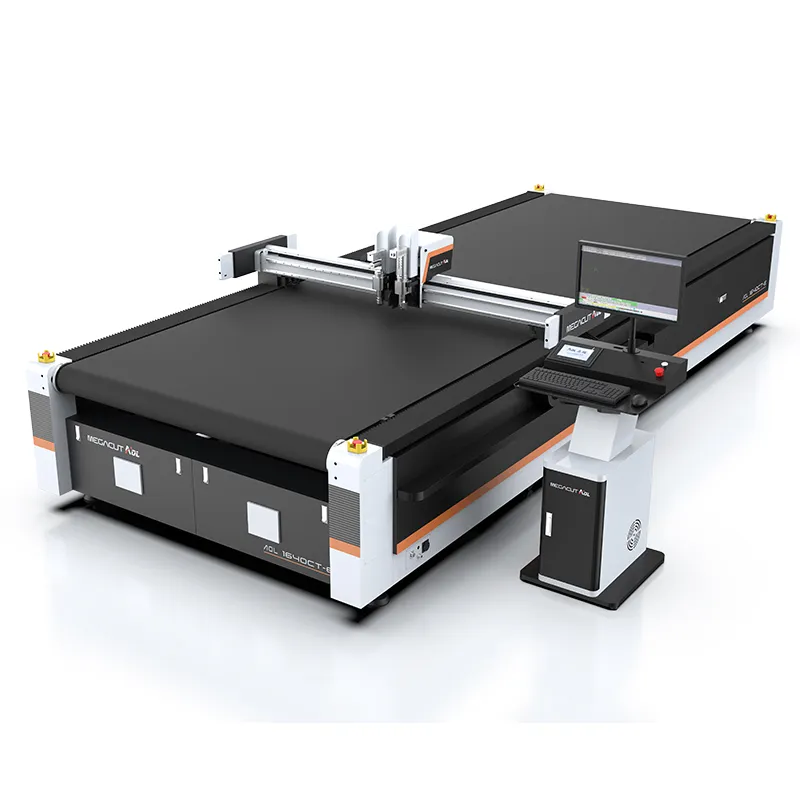
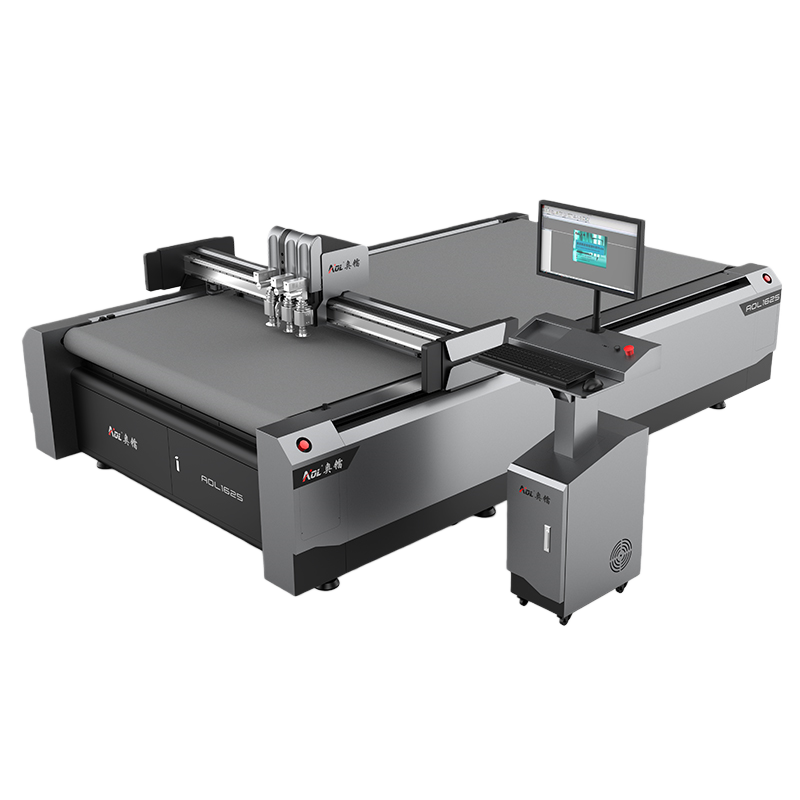
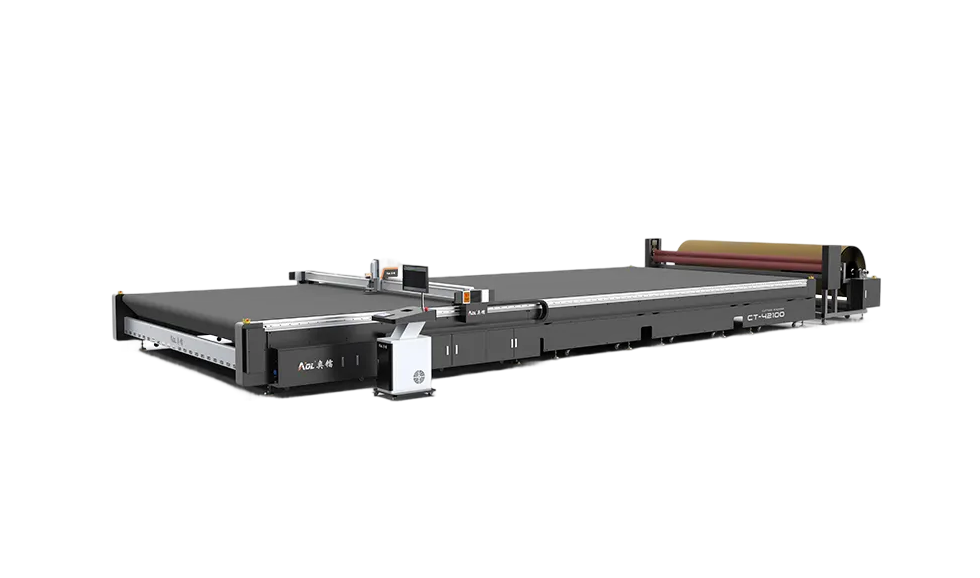
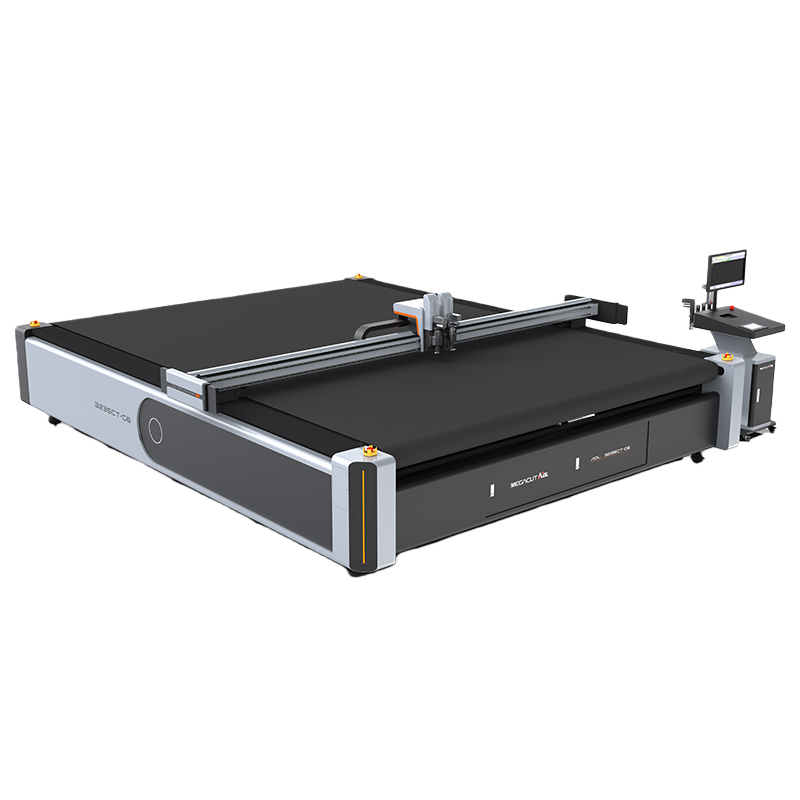
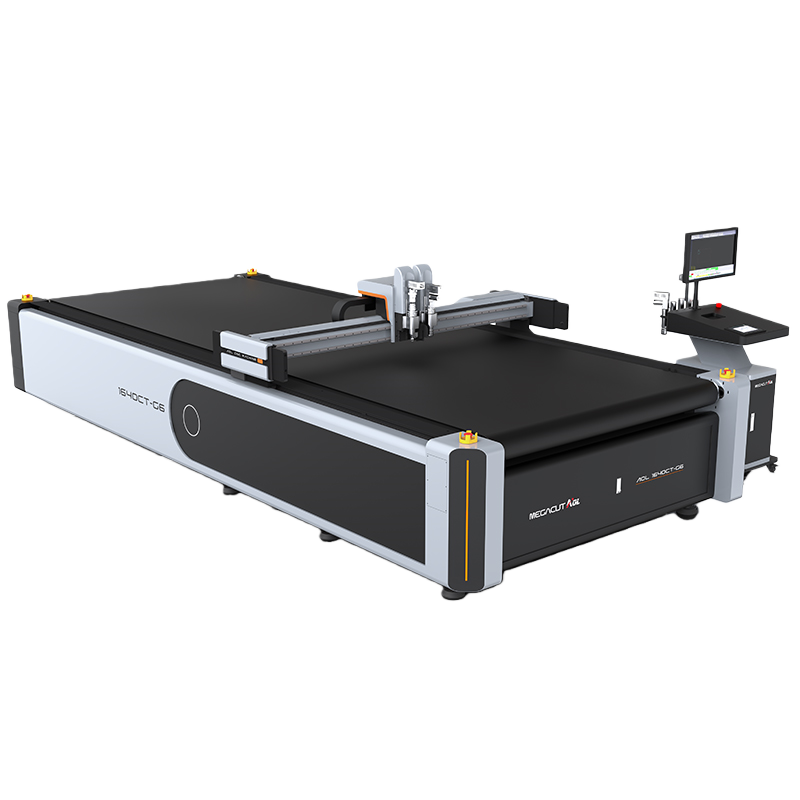
In today's fast-paced furniture manufacturing industry, the difference between profit and loss often hinges on two core factors: speed and waste. While hand-sewing techniques remain valuable, the material preparation stage has undergone a quiet revolution. For many workshops, cutting sofa fabrics still relies on manual labor—patterns are laid out by hand, scissors navigate delicate fabrics, and skilled workers can only hope for perfect dimensions. However, with growing consumer demand for custom furniture and rising labor costs, relying solely on manual cutting is becoming increasingly burdensome. In fact, automated sofa fabric cutting machines are no longer a luxury reserved for high-end manufacturers but a standard requirement for any business aiming to maintain a competitive edge. This technology holds profound significance for the modern upholstered furniture industry because it fundamentally addresses core pain points: precision, cost, efficiency, and market adaptability.
First, it heralds the end of the “error tolerance” era. A sofa is a three-dimensional “puzzle.” Even a half-centimeter deviation in fabric placement at the armrest can cause wrinkles on the finished surface, strained seams, or an inability to perfectly conform to the foam core—ultimately resulting in substandard products. A high-precision cutting machine, however, controls errors at the micrometer level, ensuring identical left and right armrests across every production batch. For businesses, this translates to consistent quality control and professional-grade craftsmanship that builds brand reputation. Secondly, it directly addresses the most sensitive nerve of any enterprise—cost control. Fabric is the most expensive raw material in sofa production. Traditional manual cutting inevitably wastes fabric due to gaps between patterns. Modern cutting machines, equipped with advanced intelligent layout software, function like the most efficient puzzle masters. They automatically arrange and combine all fabric pieces to maximize utilization within the smallest possible area. For enterprises producing thousands annually, even a 5% to 10% reduction in waste translates to substantial annual savings. Furthermore, automation is the optimal solution for overcoming labor bottlenecks. Skilled cutters are not only difficult to recruit but also command high salaries. More critically, manual cutting is physically demanding work. By shift change, worker fatigue causes error rates to skyrocket. Introducing machinery instantly eliminates this production bottleneck. A single machine operated by a trained technician can replace three to four skilled workers, freeing companies from the vicious cycle of hiring and training during peak production seasons. Moreover, modern sofas extensively utilize complex materials like slippery silk velvet, stretchy knits, or heavy chenille yarn. Manual cutting of these fabrics frequently causes distortion, shifting, or frayed edges. High-frequency vibrating blades or laser technology effortlessly overcome these challenges. Their cutting edges instantly melt or seal, eliminating fabric fraying before the sewing needle even touches the material. Finally, this system grants manufacturers agility to thrive in the “era of customization.” When customers request sofa size adjustments or fabric changes, traditional production lines require time-consuming re-pattern making and re-laying of fabric. In contrast, within the digital workflow, designers simply modify computer files, and the cutting machine immediately executes new cutting instructions without any downtime. In essence, the core value of the sofa fabric cutting machine lies in its successful transformation of an experience-dependent traditional craft into a quantifiable, scalable business operation. It preserves the premium quality of furniture while eliminating waste, errors, and delays that previously constrained business growth. This empowers manufacturers to build truly future-ready production lines within a market characterized by thin profit margins and ever-rising customer expectations.

 EN
EN