
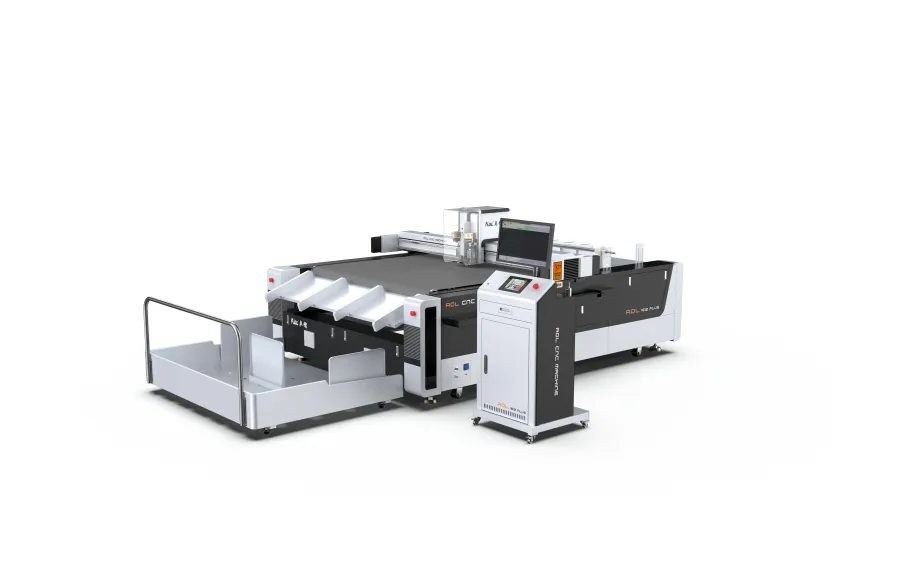
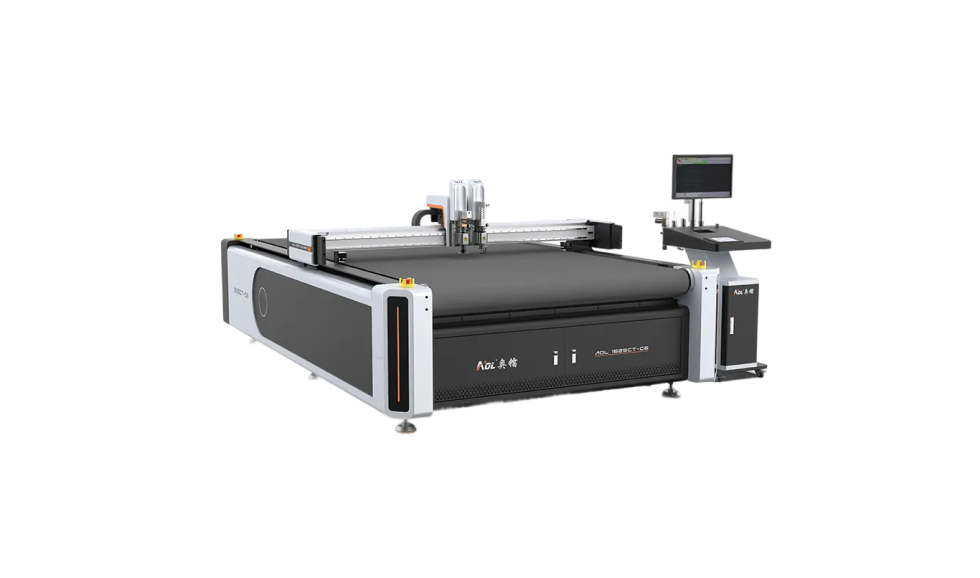
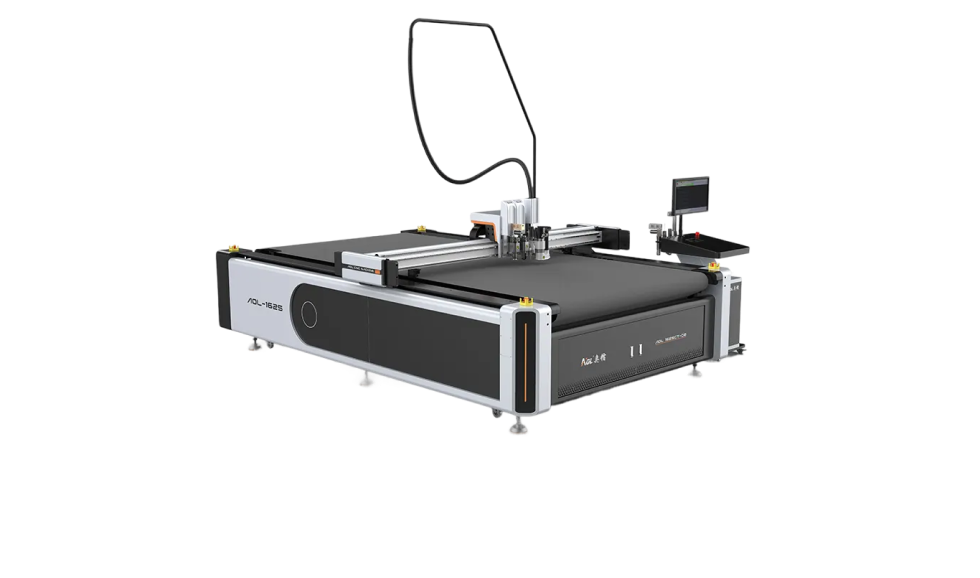
With the increasing sophistication of manufacturing and the rise of the creative economy, the application prospects for foam cutting machines are becoming more expansive than ever. In modern logistics and packaging industries, they have become indispensable tools. Faced with the explosive growth of e-commerce, businesses increasingly demand customized cushioning packaging. Whether for precision electronics trays or high-value medical device packaging, foam cutting machines precisely cut polyethylene or polyurethane foam to replace traditional fillers, delivering bespoke protection solutions tailored to each item. This shift from generic packaging to customized protection presents significant commercial opportunities for equipment suppliers and packaging service providers.
In the construction and building sector, the application potential of foam cutting machines is equally substantial. As energy efficiency standards for buildings continue to rise, processes like exterior wall insulation, underfloor heating installation, and roof slope drainage demand higher precision in processing EPS and XPS foam boards. Foam cutting machines effortlessly handle beveled edges, grooves, and irregular shapes, drastically reducing material waste and boosting construction efficiency. Furthermore, in large-scale architectural decoration and themed landscape manufacturing, they serve as “master molds.” By rapidly carving foam positive molds for casting lightweight concrete or fiberglass components, they provide architects with a cost-effective solution for realizing intricate artistic forms.
The flourishing creative industries and craft markets have also opened new growth avenues for foam cutting machines. In film prop production, cosplay costume creation, and theme park scene construction, EVA and Styrofoam have become core materials due to their lightweight and malleable properties. Whether crafting lifelike armor props or carving large-scale exhibition models, foam cutters enable artists to rapidly transform digital designs into physical forms, significantly shortening production cycles. Simultaneously, they have become standard equipment in architecture schools and design studios for creating topographic sand tables and architectural models, meeting the critical demand for translating conceptual designs into tangible representations.