
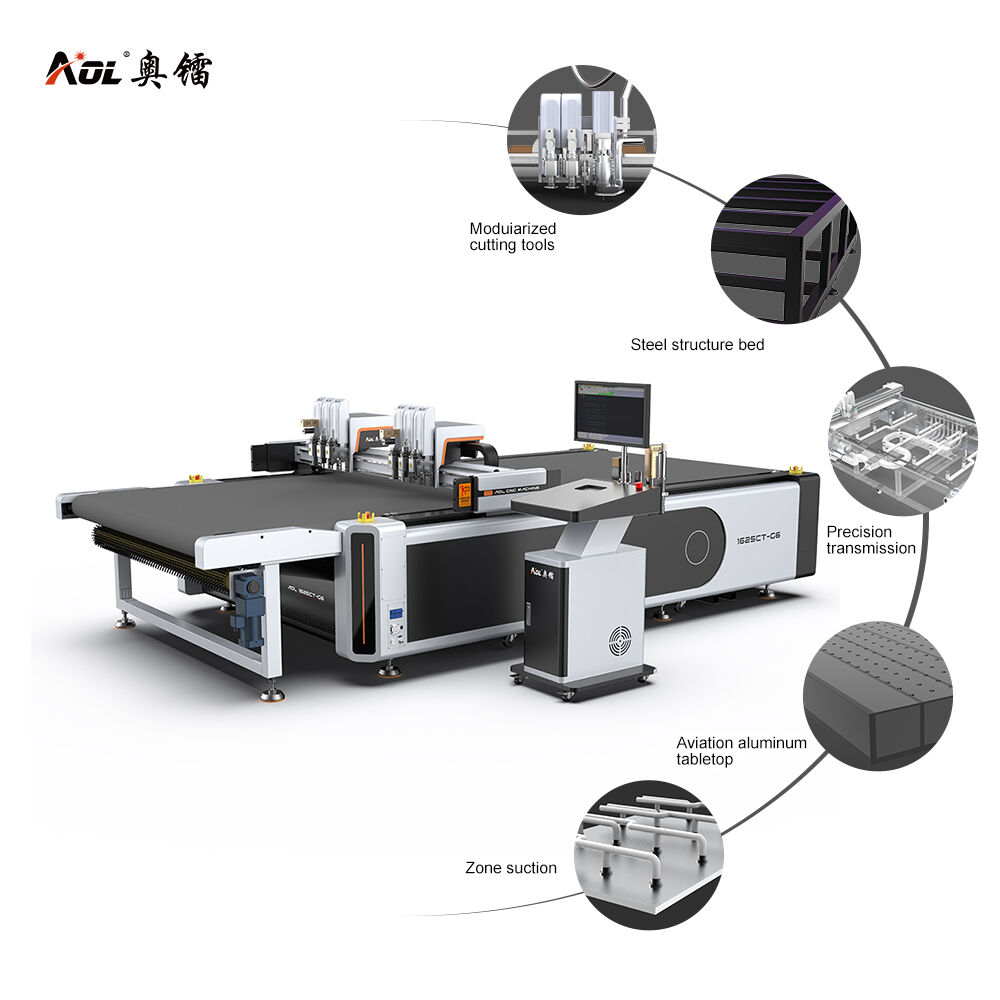
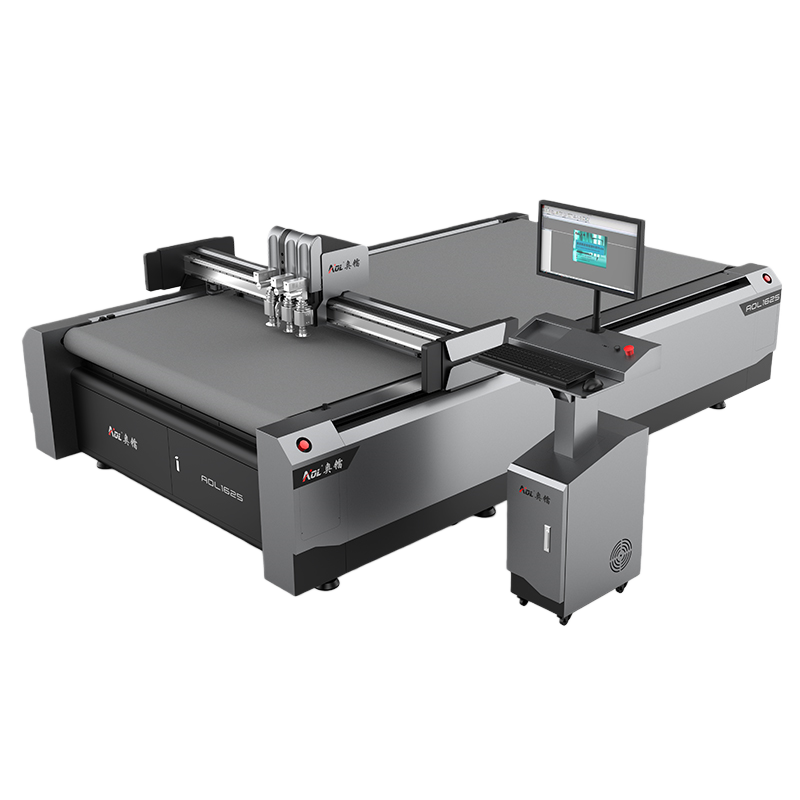
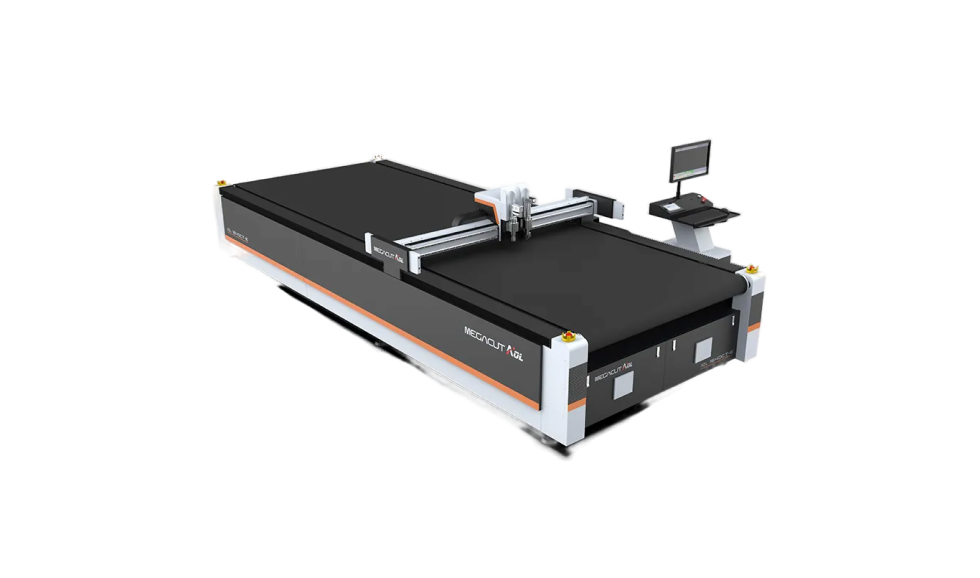
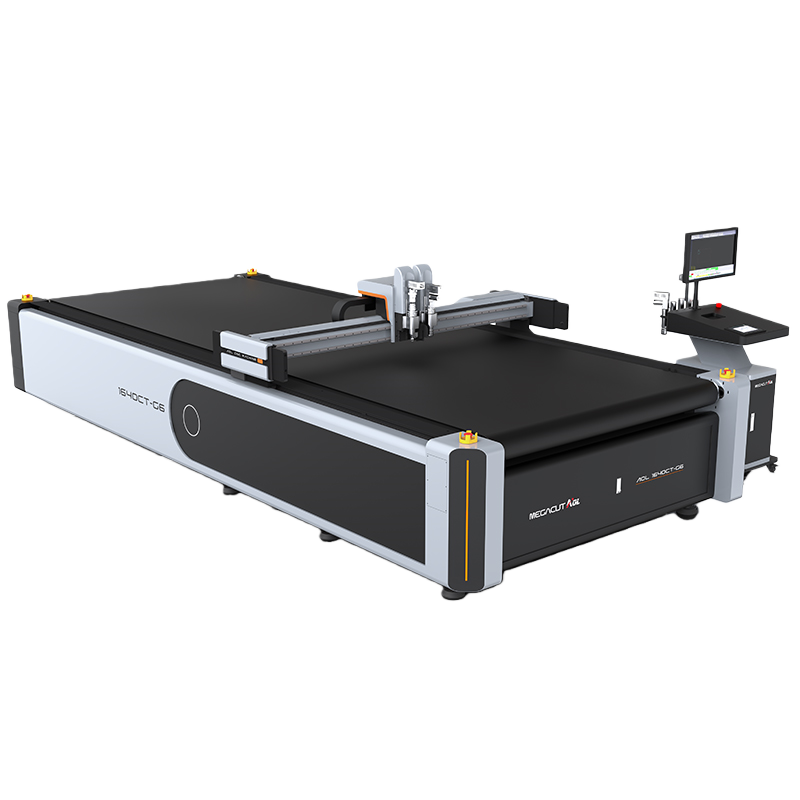
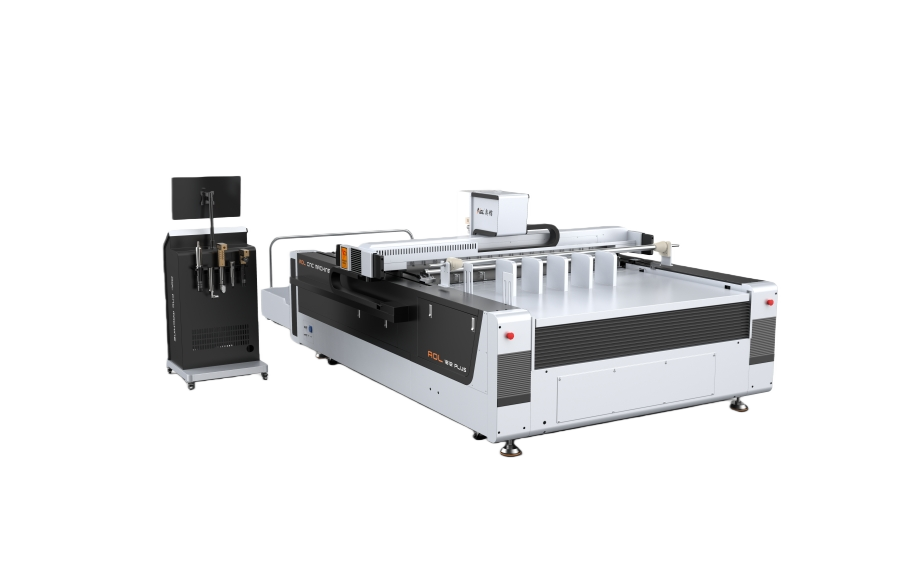

In modern industrial and creative fields, fiberglass—a lightweight, high-strength composite material—is seeing increasingly widespread application. However, efficiently and precisely cutting this material has long posed a challenge for many practitioners. A professional fiberglass cutter is precisely the key tool to address this pain point. It not only meets traditional manufacturing demands for efficiency but also opens up broad application prospects in emerging DIY and creative industries.
In construction and insulation, fiberglass cutters have become indispensable assistants for HVAC installers and electricians. When dealing with dense insulation batting and duct panels, ordinary blades often jam or wear out quickly. Specialized cutters, however, enable smooth trimming, ensuring materials fit snugly against building structures. This significantly enhances insulation effectiveness while minimizing material waste. Their precision cutting capability makes them essential tools in modern green building construction.
In shipbuilding and repair, fiberglass serves as the core material for hull construction. When workers perform hull repairs or lay multi-layer woven fabrics, loose fibers at cut edges are highly undesirable, as they directly compromise resin saturation and final strength. Glass fiber cutters, equipped with ultra-sharp serrated blades, firmly grip the smooth glass fiber surface to deliver clean, precise cuts. This ensures structural integrity and watertightness of hulls, making them highly favored in marine composite processing.
In transportation and high-end manufacturing, the rise of automotive lightweighting and aerospace composites demands greater precision in cutting carbon fiber and glass fiber sheets. Whether crafting custom automotive exterior kits or trimming aircraft interior panels, even minor cutting imperfections can render components unusable. Professional fiberglass cutters offer unmatched precision and control over manual sanding or power tools, enabling intricate work along complex curves. This effectively prevents material delamination, safeguarding both the structural integrity and aesthetic appeal of components.