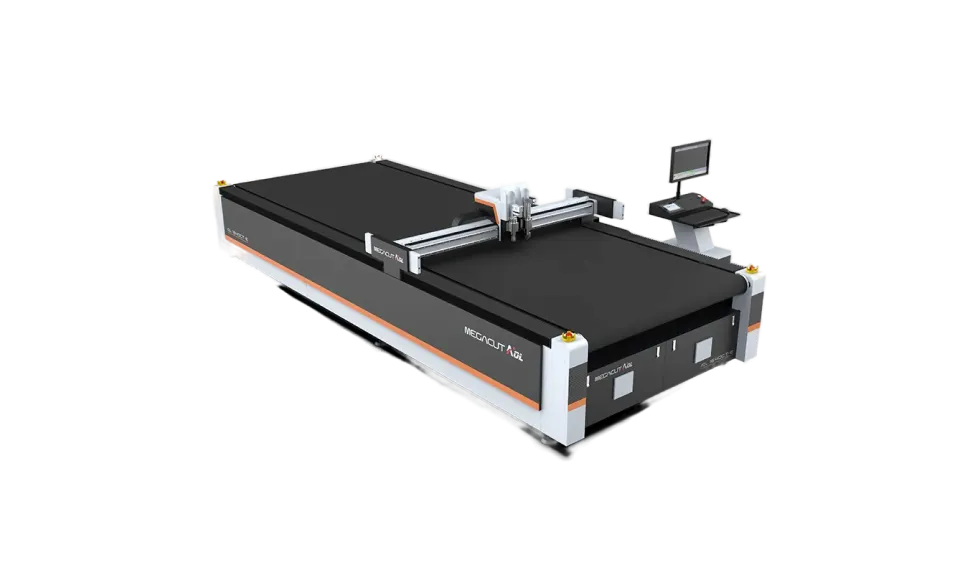
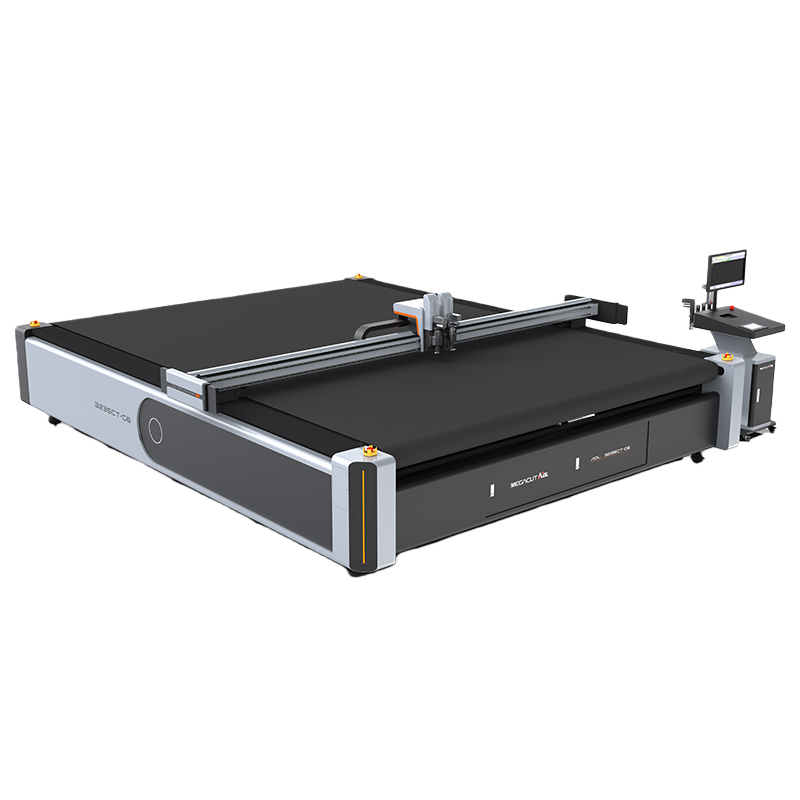
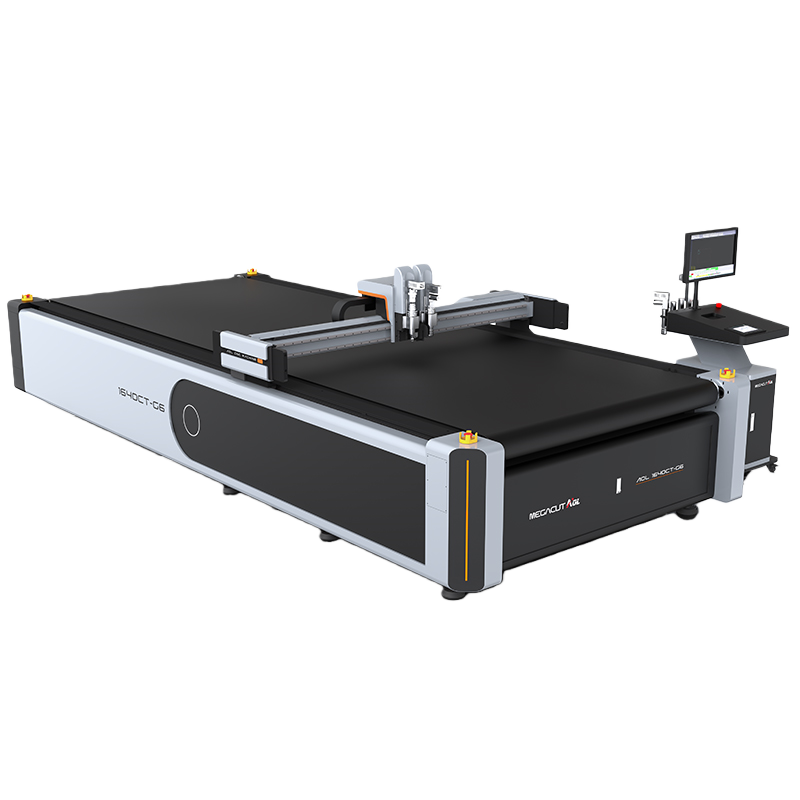
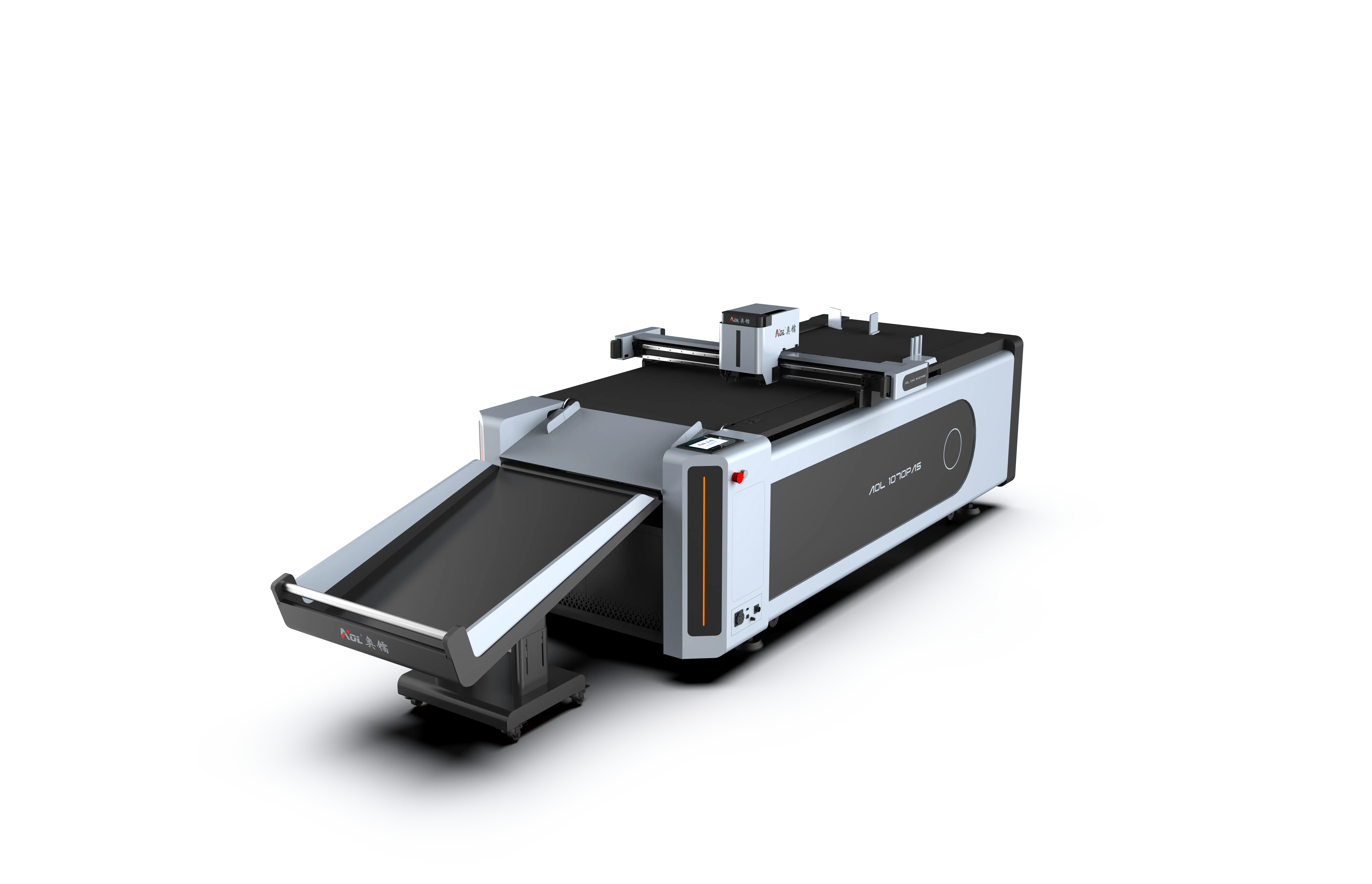
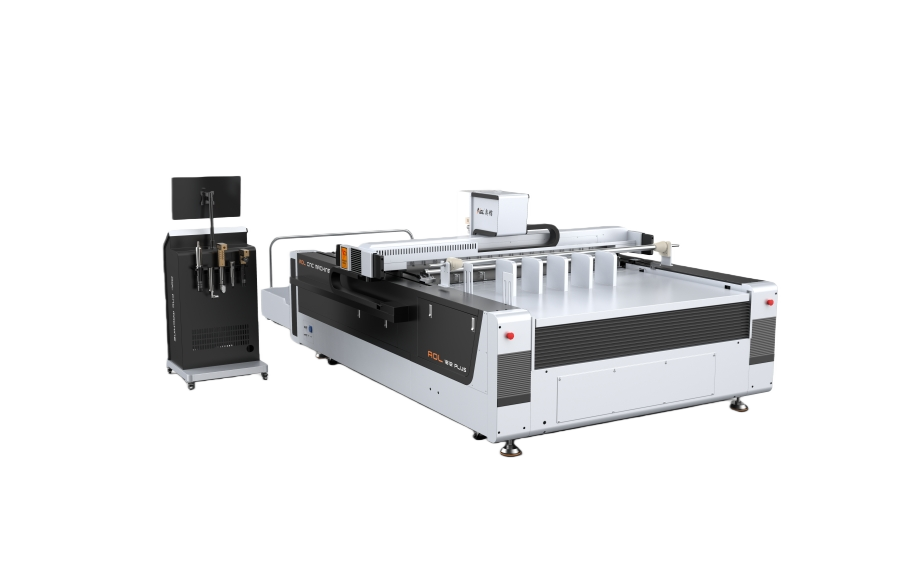
In the landscape of modern furniture manufacturing, the emergence of sofa upholstery cutting machines represents not merely an equipment upgrade, but a profound revolution in productivity. For years, sofa upholstery production has been the bottleneck of the entire production line—heavily reliant on master craftsmen's manual expertise, plagued by costly fabric waste, and struggling to meet increasingly complex customization demands. The introduction of specialized cutting equipment is fundamentally transforming this situation.
First, it fundamentally resolves the longstanding “pattern matching” challenge plaguing the upholstery industry. For fabrics featuring stripes or large floral patterns, even minor errors in manual cutting can cause misaligned patterns at seams, resulting in a cheap appearance for the final product. High-precision upholstery cutting machines utilize intelligent visual recognition and advanced layout algorithms to precisely identify pattern repeats before cutting. This ensures seamless texture alignment across armrests, backrests, and seat cushions, significantly elevating the visual quality of finished sofas. Second, facing today's diverse material applications—from high-abrasion-resistant performance fabrics to premium full-grain leather and soft cushion foam—an excellent cutting machine often boasts multi-functional capabilities. It can cut multi-layer rolls with a vibrating blade, handle slippery leather with a pneumatic knife, and even switch tool heads to mill foam. This achieves seamless integration from the fabric warehouse to the sewing workshop, eliminating the need for factories to purchase multiple machines for different processes.
More crucially, amid persistently rising raw material costs, this machine serves as a vital defense for businesses to control profits. Natural leather's inherent imperfections and varying elasticity make traditional manual layout optimization challenging. Yet, cutting machines equipped with AI dynamic nesting algorithms can boost material utilization to over 98%. For large factories consuming millions of meters of fabric annually, the cost savings are substantial. Simultaneously, it serves as a strategic tool to address the industry's challenge of “retiring master craftsmen and difficulty recruiting young workers.” By converting complex cutting techniques into digital data, it enables an ordinary worker to master grading and cutting skills—which previously required years of experience—in a short time, while achieving output several times higher than manual labor. Ultimately, this technological empowerment equips manufacturers to embrace the era of “mass customization.” When consumers require a non-standard sofa cover or experiment with novel color-blocking designs, digital cutting equipment simply imports new CAD files to initiate production. This enables efficient delivery of custom orders with the same speed as mass-produced batches. In summary, sofa cover cutting machines have evolved from mere cutting tools into core drivers for furniture enterprises to reduce costs, enhance efficiency, improve quality consistency, and expand personalized business offerings.

 EN
EN