
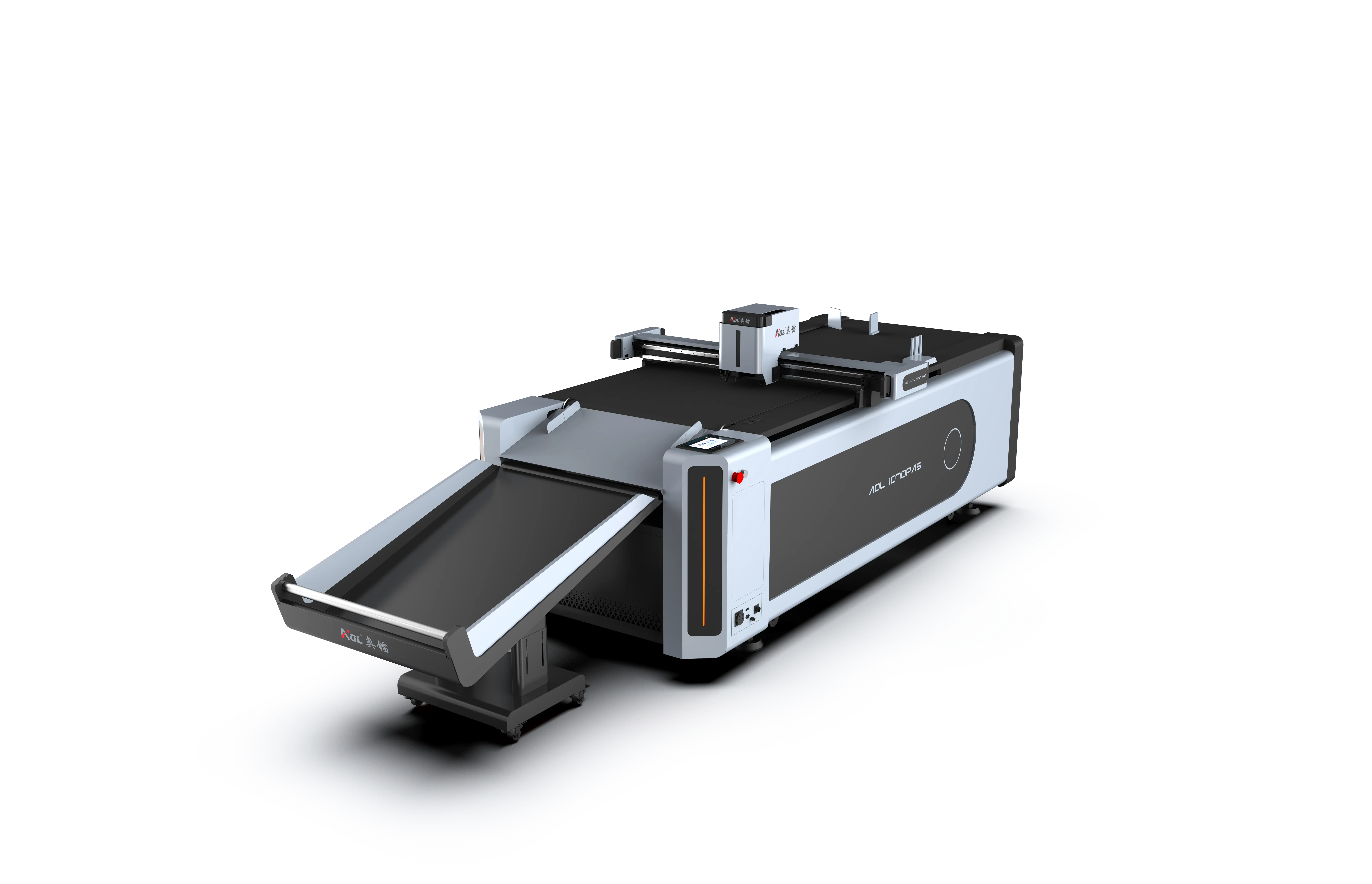
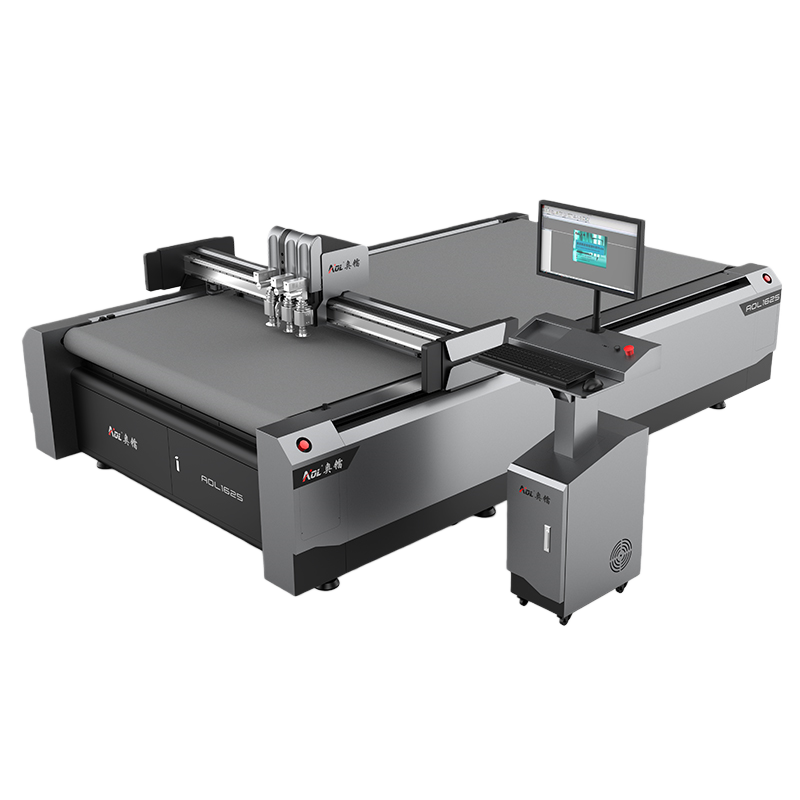
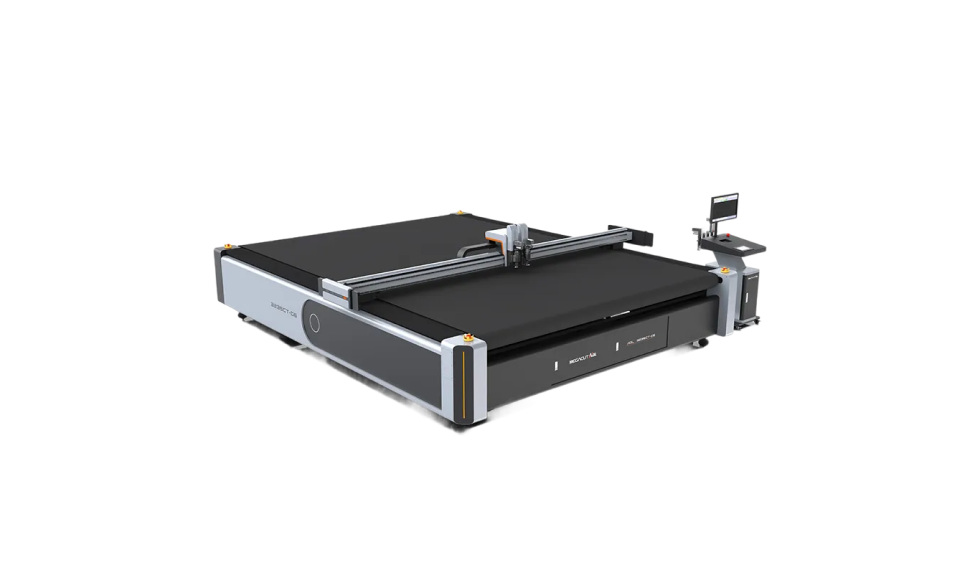
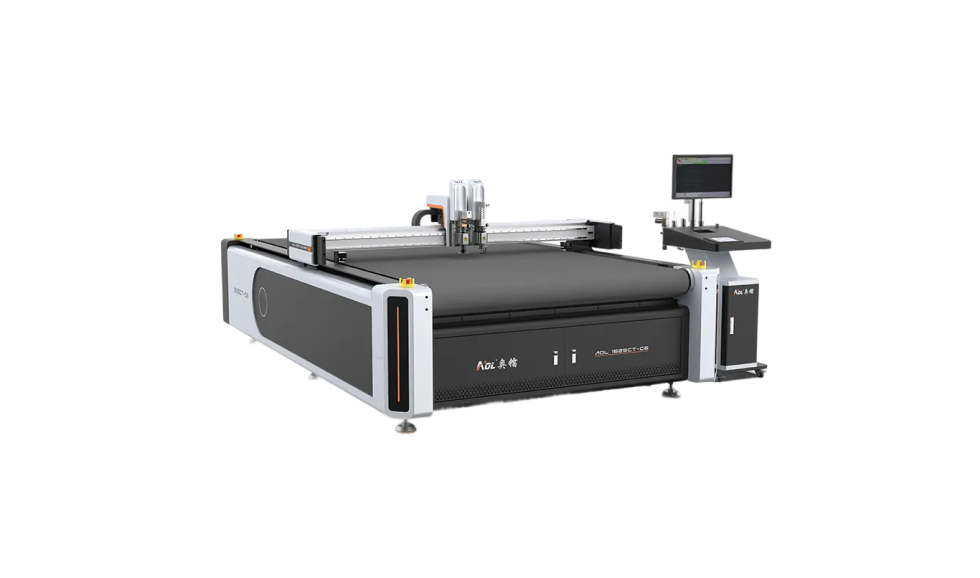
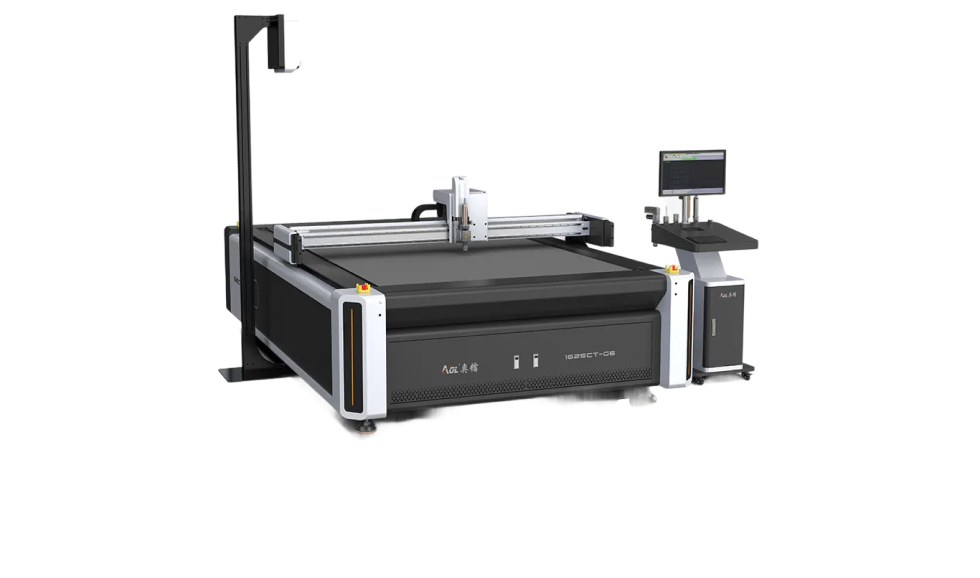

In the core field of furniture and home furnishings, cutting tables have achieved the highest level of maturity. For factories mass-producing residential furniture, they ensure intricate patterns—such as stripes or plaids—align perfectly across multiple cushions, significantly enhancing product aesthetics. In commercial furniture manufacturing for spaces like hotels, theaters, and restaurants, the equipment effortlessly handles thick, flame-retardant commercial-grade vinyl and velvet fabrics, rapidly completing large-scale banquet chair cutting tasks. Even small custom upholstery workshops leverage cutting tables for intricate vintage furniture restoration projects, freeing artisans from labor-intensive manual cutting to focus on design itself.
The transportation sector is emerging as the fastest-growing application market for upholstery cutting machines. In automotive manufacturing and aftermarket applications, these machines are widely used for cutting seat covers, headliners, and door panel interiors. They excel at handling automotive carpets with adhesive backing and acoustic foam without crushing the material. Facing the demanding abrasion and UV resistance requirements of marine environments, cutting tables precisely handle slippery yet resilient marine-grade vinyl fabrics. Simultaneously, with the rise of the RV and camper market, manufacturers utilize cutting tables to cut irregularly shaped memory foam, creating customized mattresses and dining area cushions for compact living spaces, meeting consumers' pursuit of quality in mobile living.
In niche markets like medical and industrial textiles, upholstery cutting machines also play a critical role. The medical field demands extreme hygiene and precision; cutting tables are used to cut non-slip positioning pads for operating tables, pressure-relief cushions for wheelchairs, and specialized pillows. Some machines equipped with hot knives or ultrasonic cutting heads can also fuse and seal material edges to prevent bodily fluid penetration and contamination. In industrial applications, the machines' durable blade life enables processing of abrasive materials that cause significant tool wear. Examples include precision filter screens for air and liquid filtration, as well as heavy-duty geotextiles required in construction projects. These machines ensure clean, fray-free edges without fraying.