
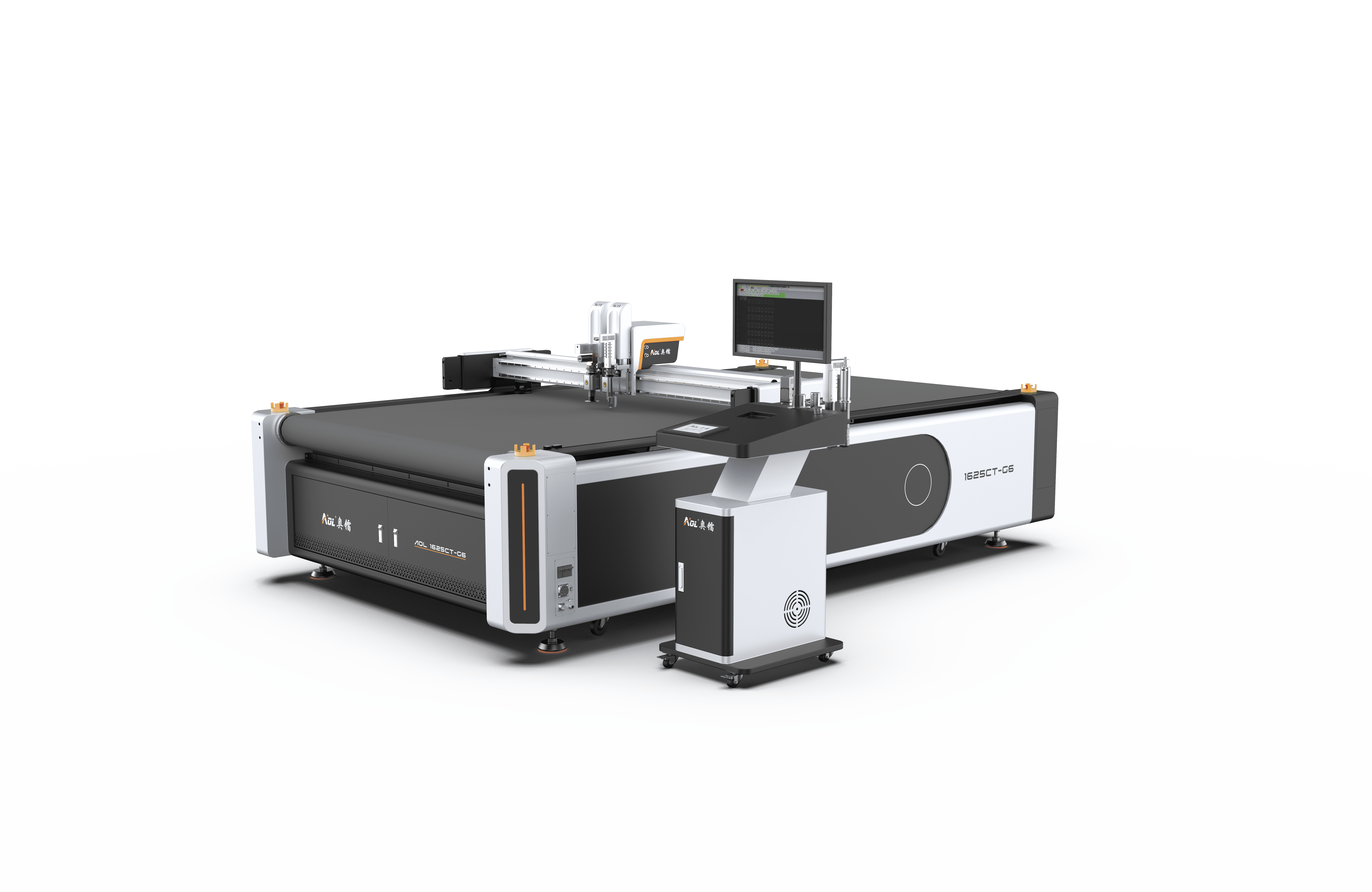
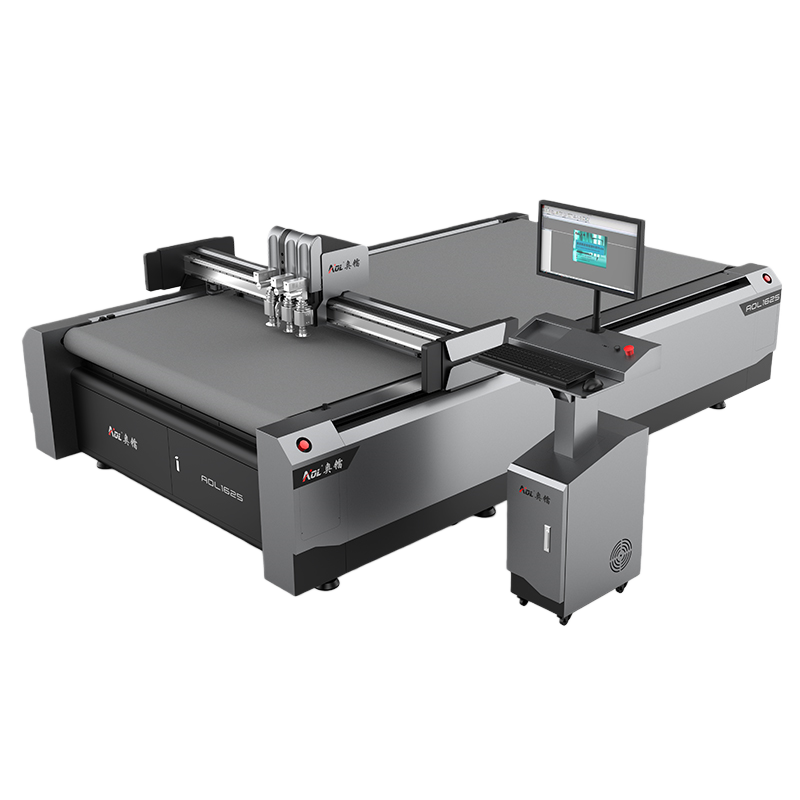
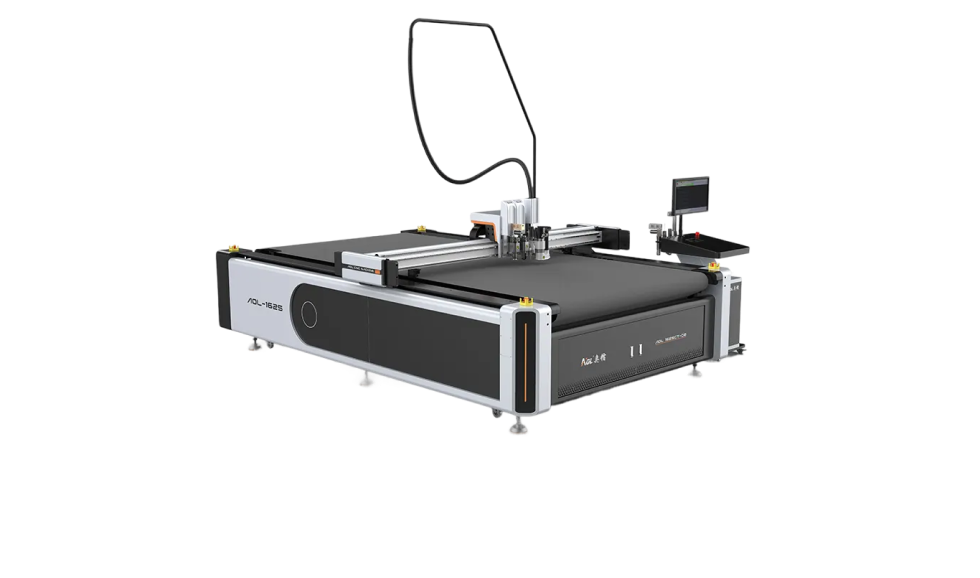
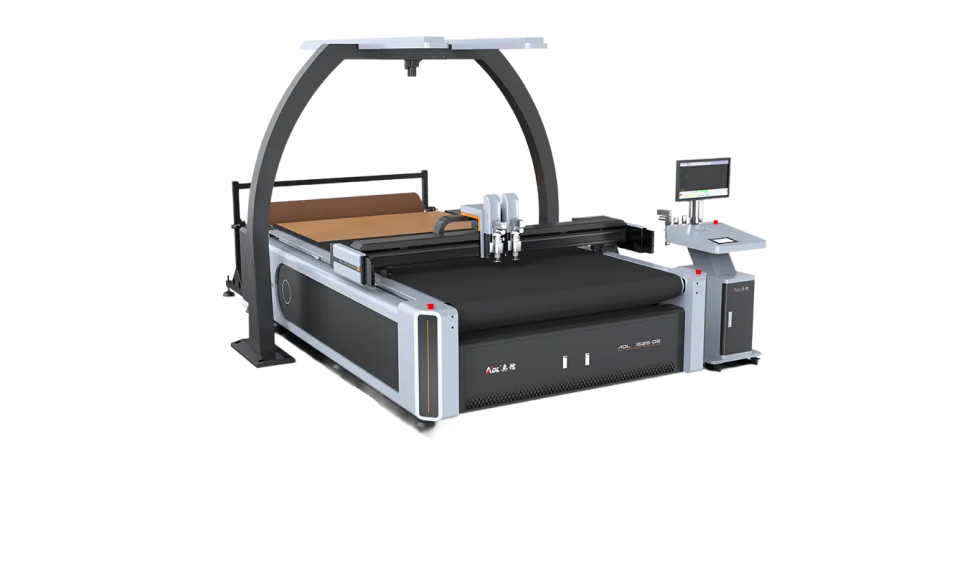

Automatic CNC fabric cutting machines have moved far beyond their origins in the garment industry, becoming indispensable tools across a vast spectrum of industrial manufacturing. In the automotive sector, these systems are critical for producing consistent, high-quality interiors, precisely cutting everything from leather seat covers and vinyl dashboards to the specialized technical fabrics used in airbags. The aerospace and marine industries rely on them to handle advanced composites like carbon fiber and fiberglass, where extreme precision is required to maintain the structural integrity of lightweight components for aircraft and boat hulls. Meanwhile, the furniture and upholstery industry leverages the intelligent nesting capabilities of these machines to dramatically reduce material waste, with advanced vision systems even able to scan natural leather for defects and automatically nest patterns around them.
Beyond these traditional sectors, the versatility of CNC cutting technology is driving growth in specialized fields. Manufacturers of technical textiles use these rugged machines to cut heavy-duty materials like geotextiles for construction and PVC-coated polyester for truck tarpaulins. In the fast-paced world of fashion and apparel, they facilitate rapid prototyping and enable on-demand manufacturing models that help reduce inventory waste. Even the medical field depends on their hygienic and precise cutting for non-woven disposable items like surgical gowns and drapes. As industries continue to prioritize automation, waste reduction, and material efficiency, the application prospects for automatic CNC fabric cutting machines continue to expand, solidifying their role as a cornerstone of modern manufacturing.