
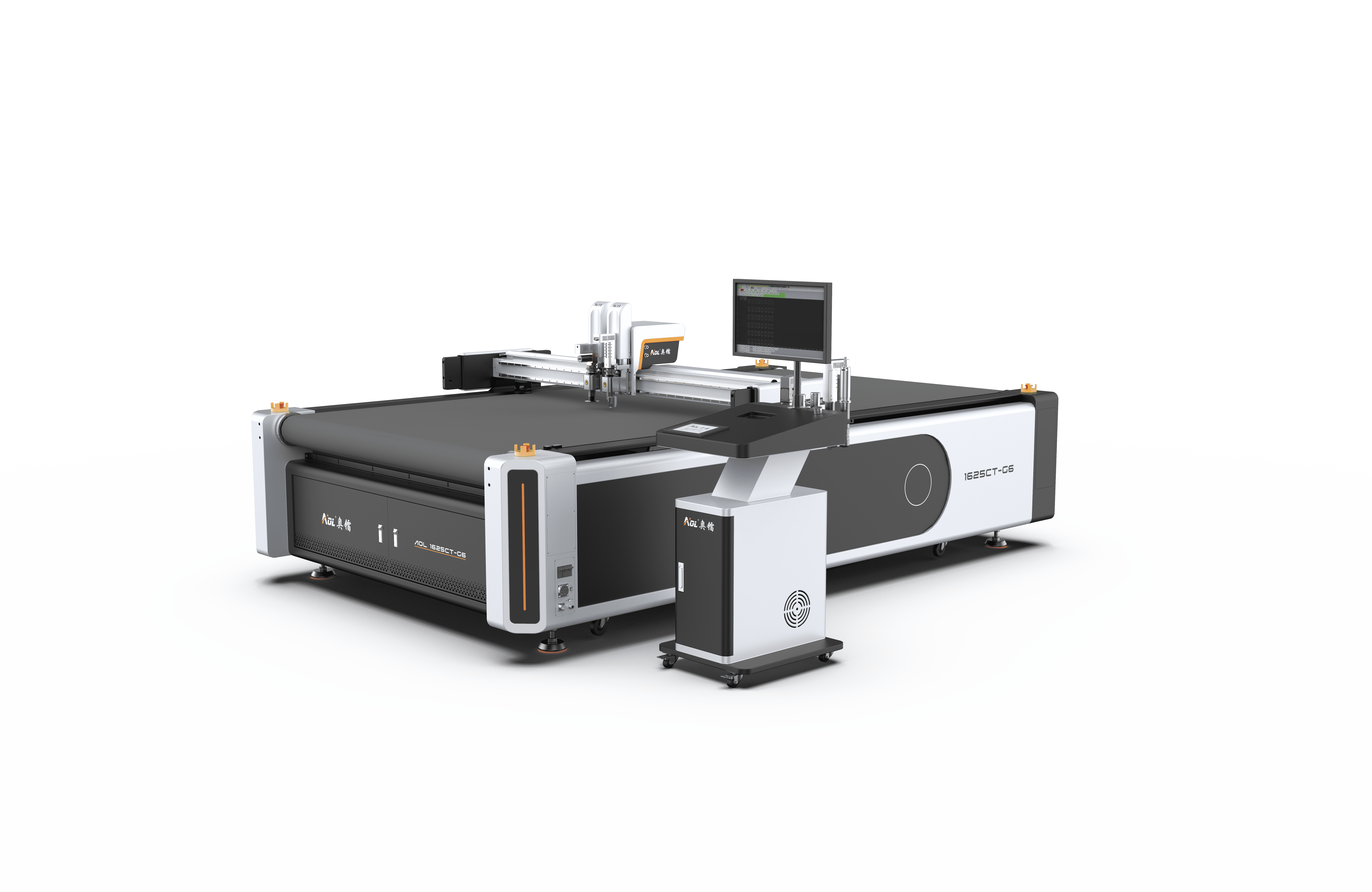
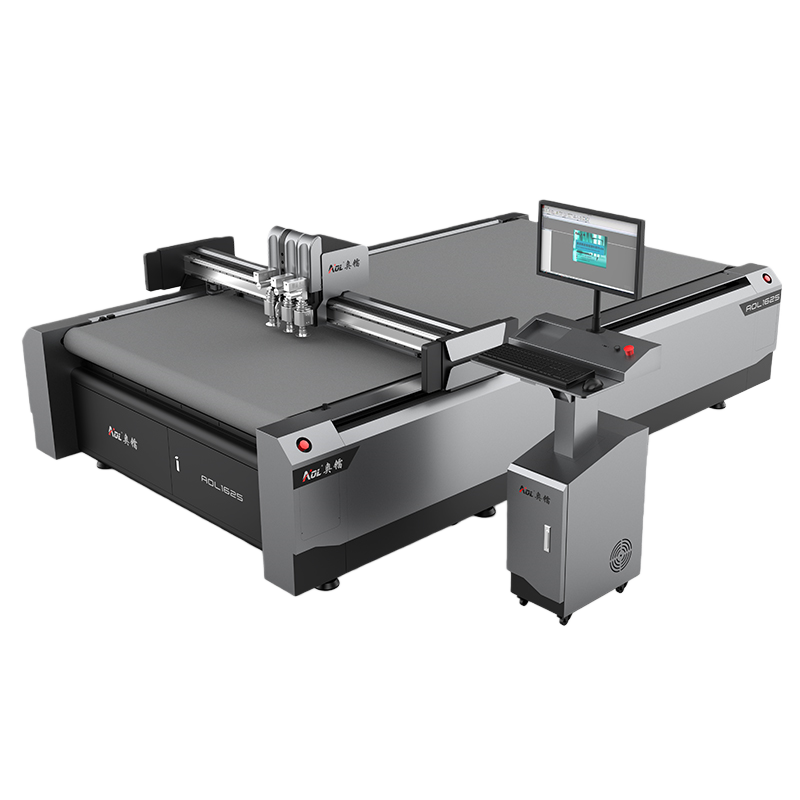
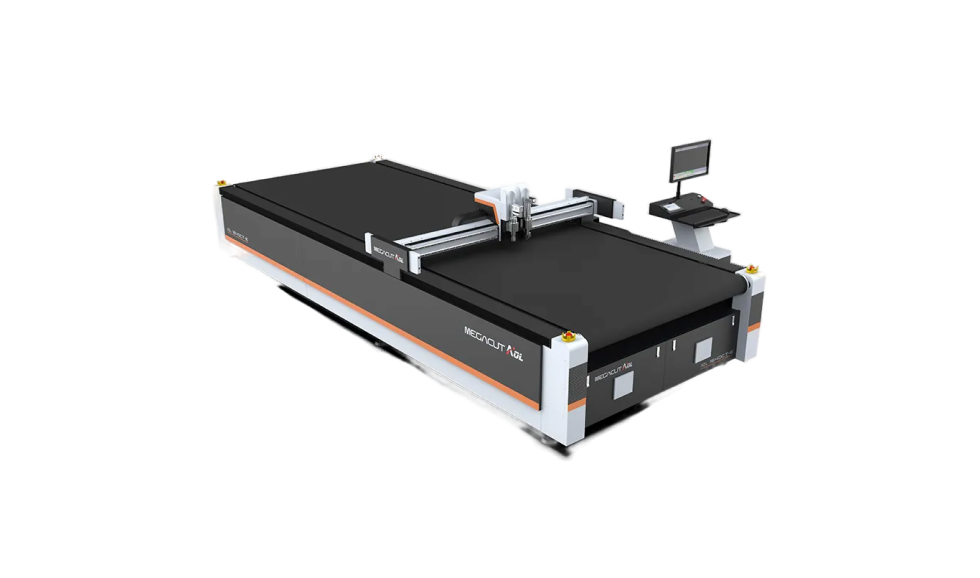
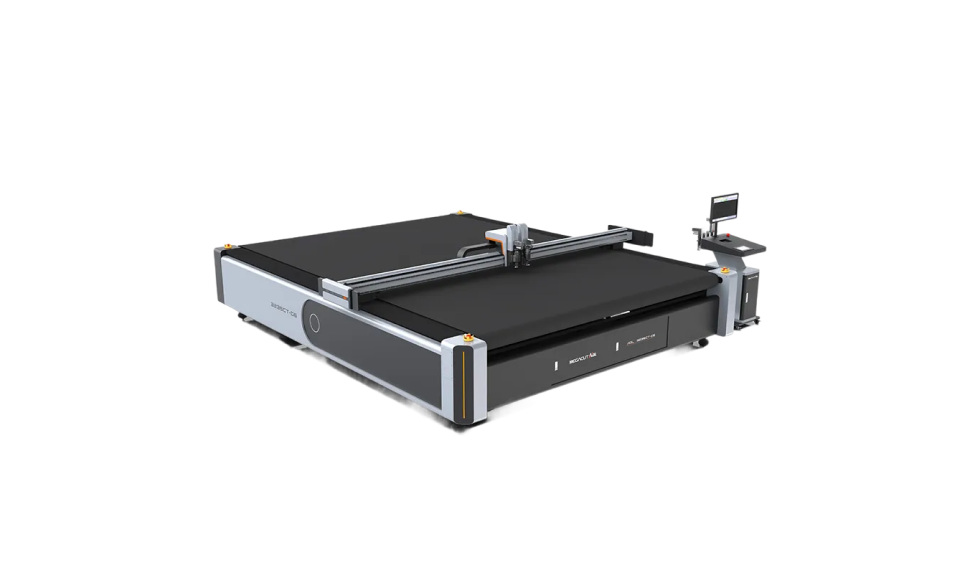
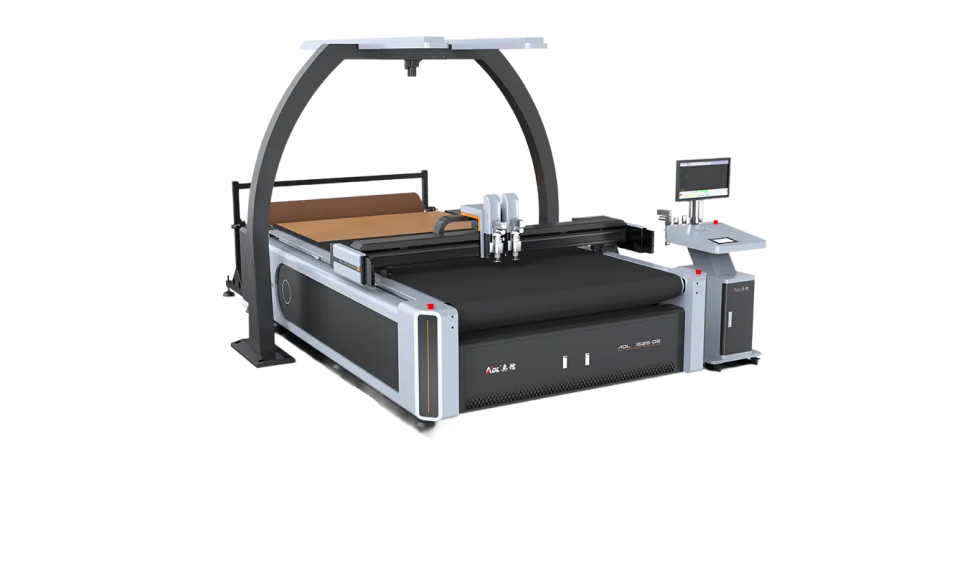

The application scope of modern automatic cutting machines has long transcended traditional garment factories, emerging as a key device driving industrial upgrades across multiple sectors. In the apparel and fashion industry, whether for mass-market T-shirts and jeans production or high-end custom silk and wool single-layer cutting, these machines ensure precision while maintaining speed. This enables brands to confidently handle fast-response orders and personalized customization demands. In automotive manufacturing, from seat leather and interior carpets to high-strength airbag fabrics, automatic cutting machines deliver robust reliability and exceptional handling of thick materials, ensuring both comfort and safety in vehicle interiors.
In home textiles and furniture manufacturing, automated cutting systems maximize material utilization through intelligent layout software—whether for heavy sofa fabrics and curtains or precision-engineered bedding sets—significantly reducing production costs. Their value is even more pronounced in technical textiles and industrial applications: whether cutting geotextiles for road construction or composite materials like carbon fiber and Kevlar for aerospace, automated cutting ensures structural integrity while achieving exceptional precision, meeting stringent industrial standards. Furthermore, in the medical and hygiene sectors, it efficiently processes materials like nonwoven fabrics for producing disposable items such as surgical gowns and masks. In the footwear, headwear, and luggage industries, it ensures consistent cutting of leather and synthetic materials, substantially boosting subsequent assembly efficiency.