
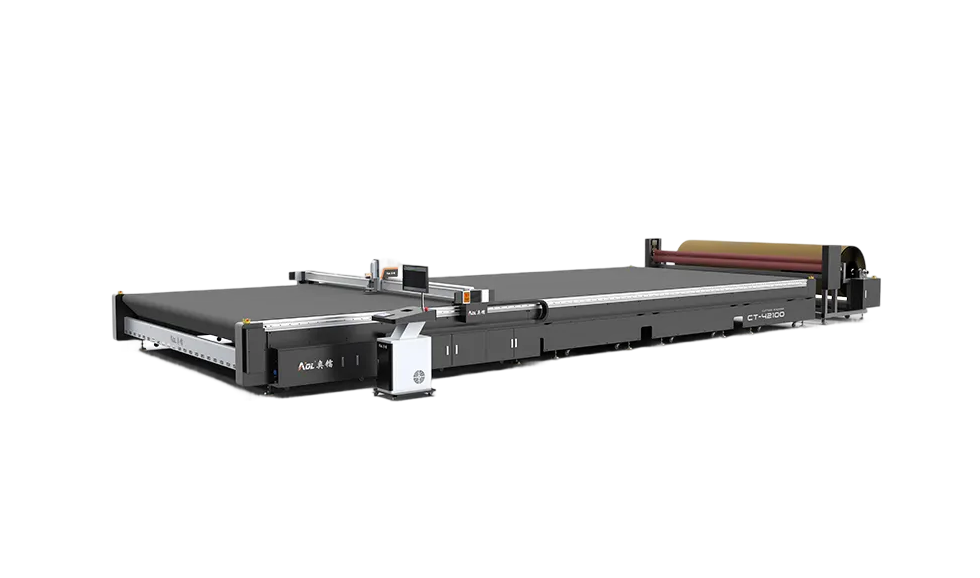
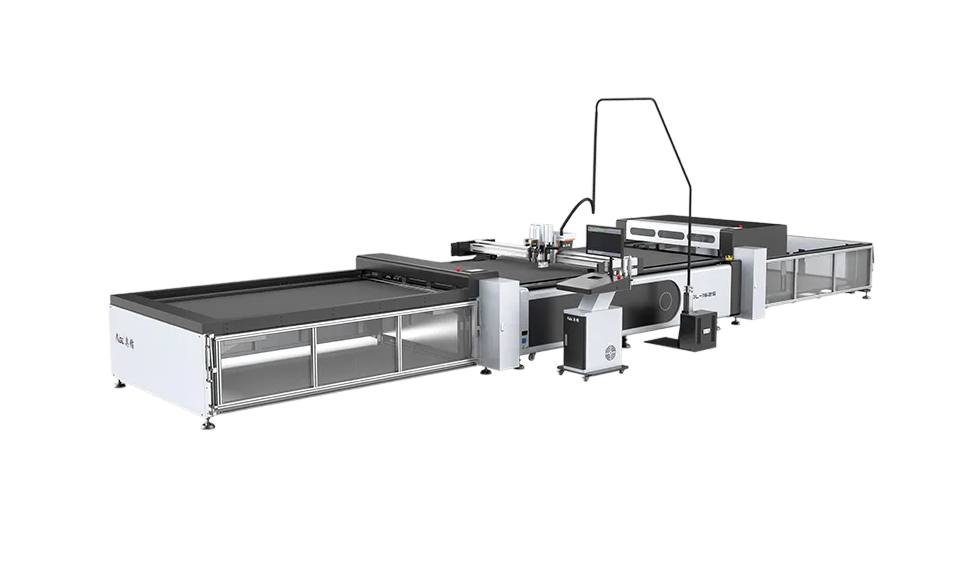
Automatic cutting machine manufacturers hold a pivotal position in modern industry, serving as the driving force behind the global manufacturing sector's shift toward precision, efficiency, and intelligence. In today's manufacturing landscape, the margin between profit and cost often hinges on milliseconds and micrometers, and the equipment provided by these manufacturers is precisely what enables enterprises to master this minute difference. Their foremost contribution lies in eliminating the pain points of traditional manual cutting—replacing human labor with automated systems. This not only eradicates human error and material waste but also transforms cutting, a bottleneck process, into high-speed, continuous assembly-line operations. This enables companies to effortlessly handle large-scale orders while redeploying skilled labor to high-value-added roles like programming and quality control.
While boosting efficiency, these manufacturers also champion material optimization and extreme precision. Their machines integrate advanced nesting algorithms that calculate the most material-efficient cutting paths, drastically reducing scrap rates. In sectors like aerospace, automotive manufacturing, and high-end apparel, this precision extends far beyond economics—it ensures product consistency. An automated cutting machine from a top manufacturer guarantees thousands of identical components, a reliability that underpins safety and functionality in industries like electronics and medical devices. From a broader perspective, these manufacturers serve not just isolated sectors but propel the entire industrial ecosystem forward: from high-speed textile production to precision automotive interior molding, and complex processing of high-tech materials like carbon fiber, automated cutting machine manufacturers are indispensable technological enablers.
Ultimately, the significance of automated cutting machine manufacturers for long-term business development lies in their profound impact on total cost of ownership and their leadership in the Industry 4.0 era. While the initial investment in automated equipment is substantial, premium manufacturers significantly reduce unexpected downtime and long-term operational costs by enhancing energy efficiency and introducing predictive maintenance capabilities. More importantly, they have evolved beyond mere hardware vendors into providers of smart manufacturing solutions. By embedding IoT sensors into their equipment, these machines enable real-time monitoring of production data and seamless integration with enterprise management systems, helping clients digitize their production processes. Thus, selecting a reliable automatic cutting machine manufacturer is fundamentally an investment in the enterprise's future—addressing current production needs while paving the way for factories to embrace a smarter, data-driven future.