
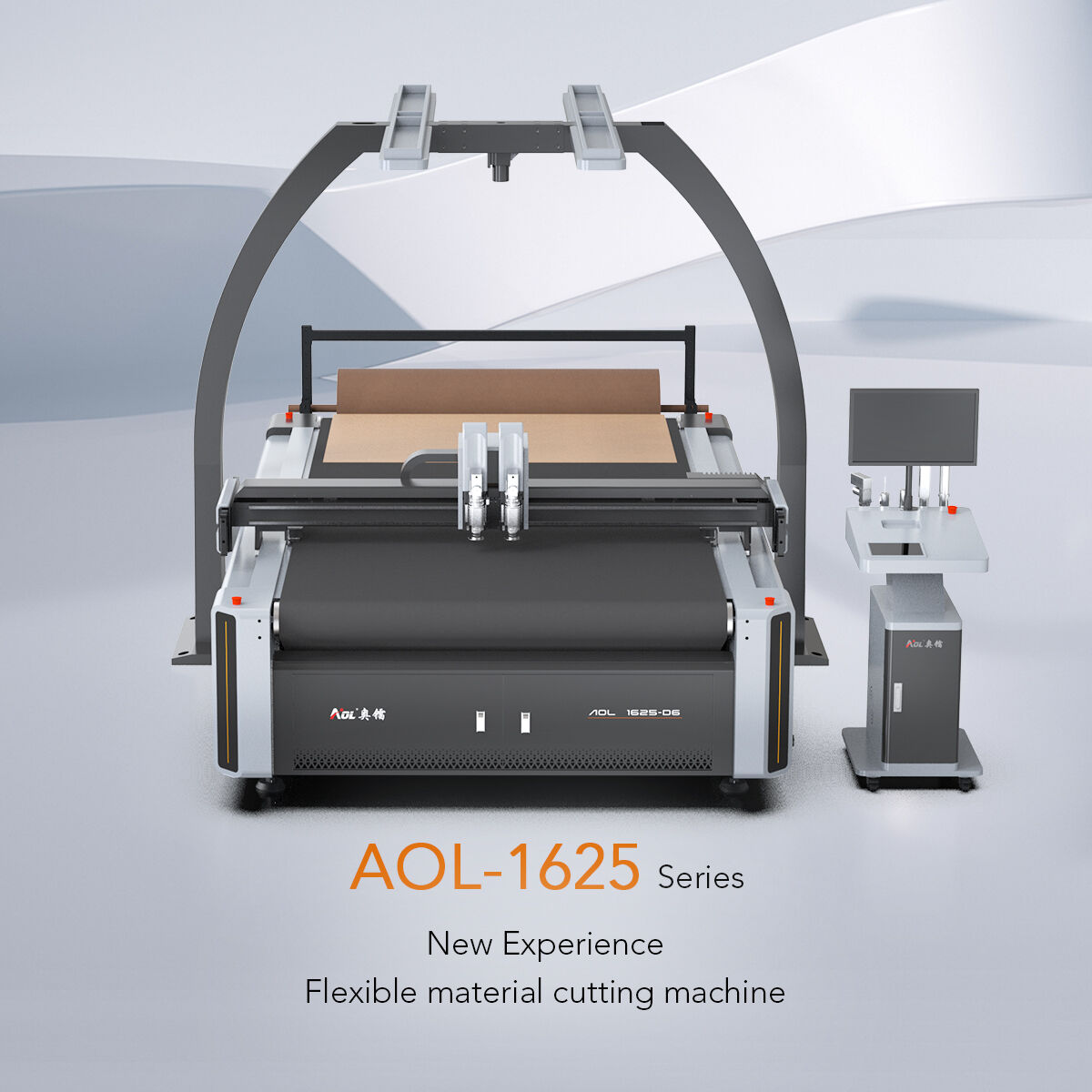
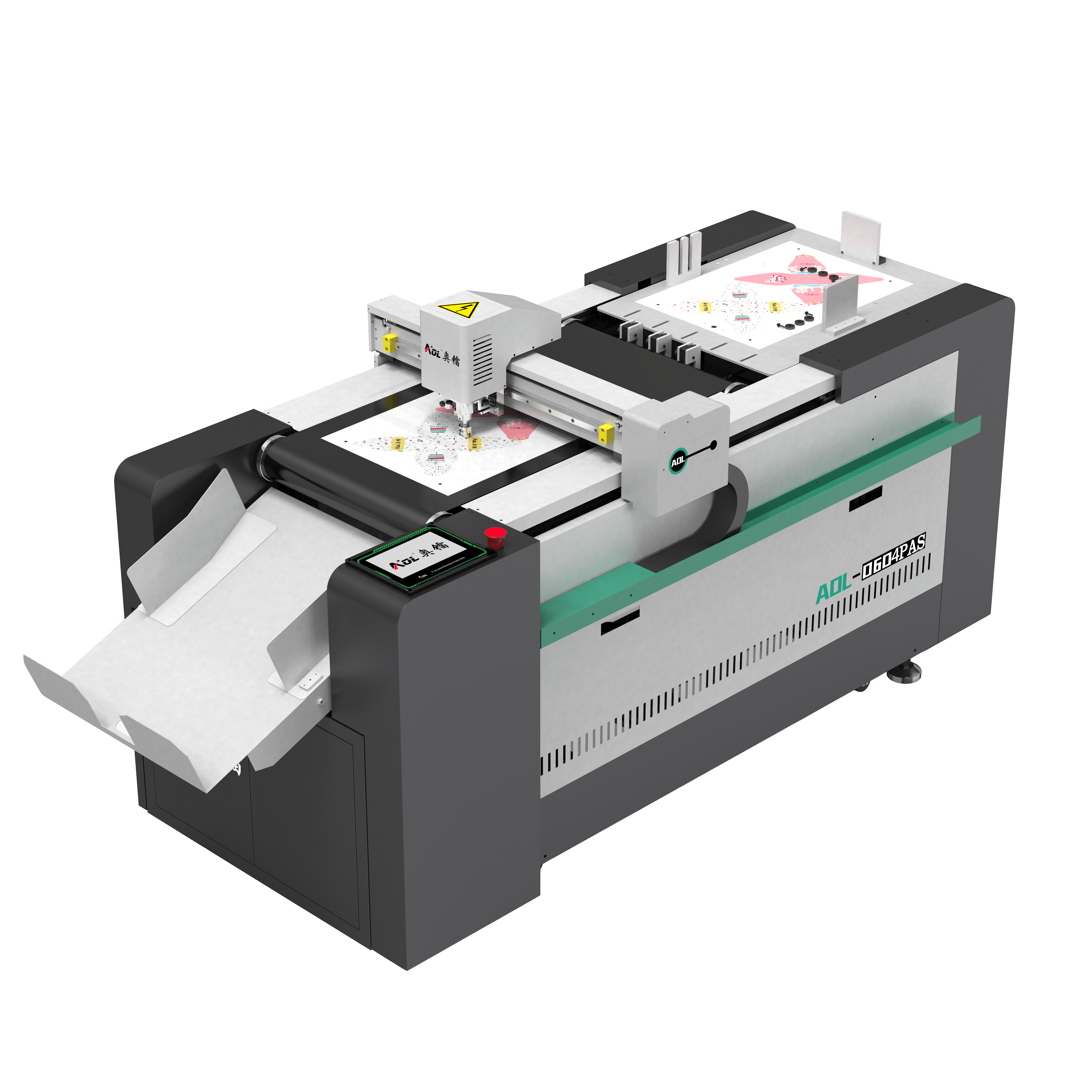
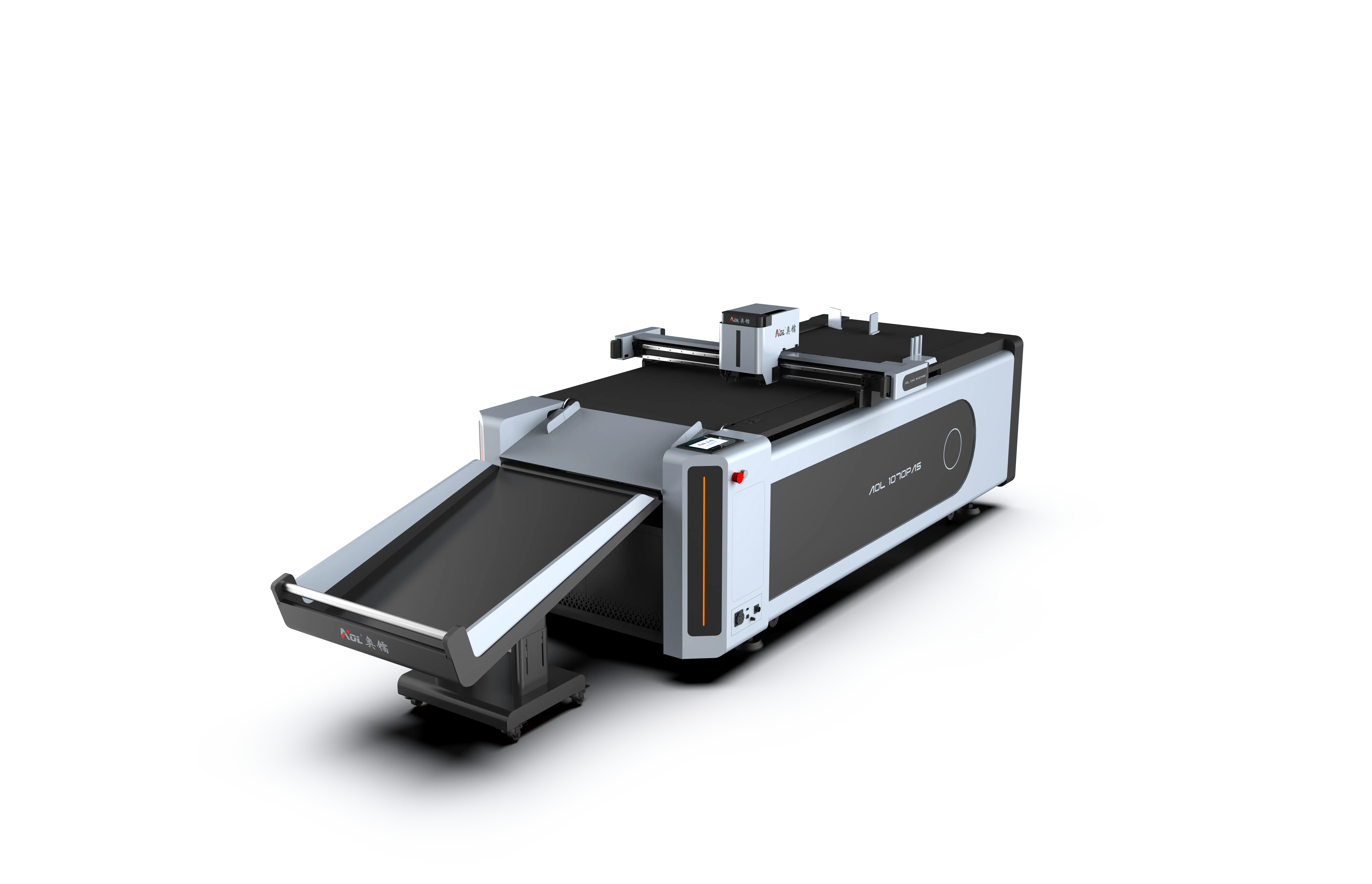
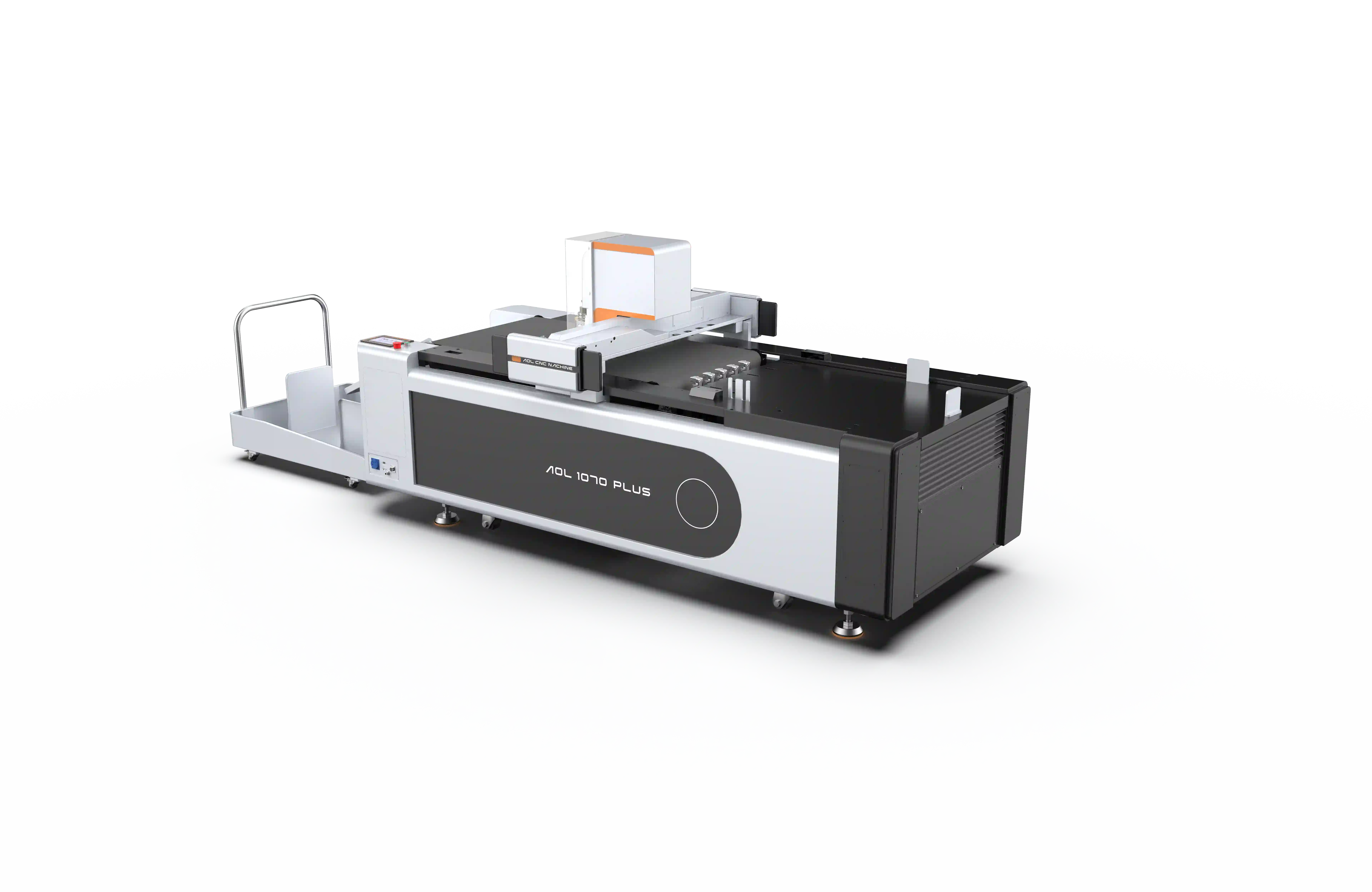
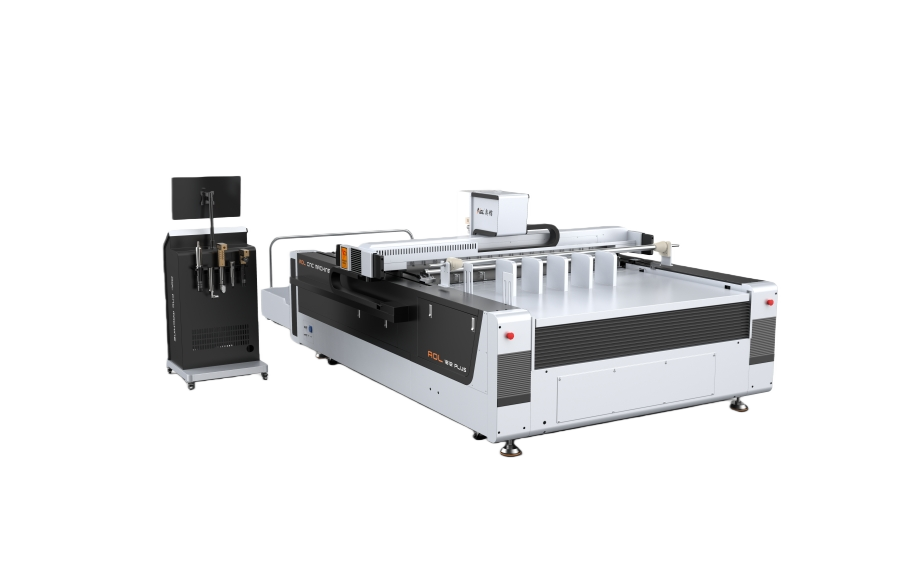

In the landscape of apparel manufacturing, the cutting room has evolved from a mere cost center into the decisive point of profitability, positioning the automatic garment cutting machine not as a luxury upgrade but as a survival necessity in the post-pandemic era. Its significance is best understood through four disruptive value propositions that redefine operational success. First, it serves as a unit economy savior by leveraging nested‑based algorithms to pack patterns with a density unattainable by human precision, consistently delivering 3 to 5 percent fabric savings. Given that industry margins typically hover between 4 and 6 percent, such efficiency effectively doubles profit per garment, making this machine a direct contributor to bottom‑line growth—a compelling statistic that drives high‑intent searches from cost‑conscious manufacturers.
Beyond material savings, the automatic garment cutting machine fundamentally alters labor dynamics by acting as a labor arbitrage killer. The widespread shortage of skilled manual cutters, compounded by younger generations avoiding dusty, hazardous cutting rooms, has left many factories dependent on a few master cutters who command premium wages. Automation democratizes this skill: an unassisted operator can achieve master‑level precision within a week, eliminating production bottlenecks and wage hostage situations. This operational significance attracts searches from HR managers and factory owners desperate for continuity, particularly around queries related to “garment labor shortage solutions” or “unskilled cutting automation.”