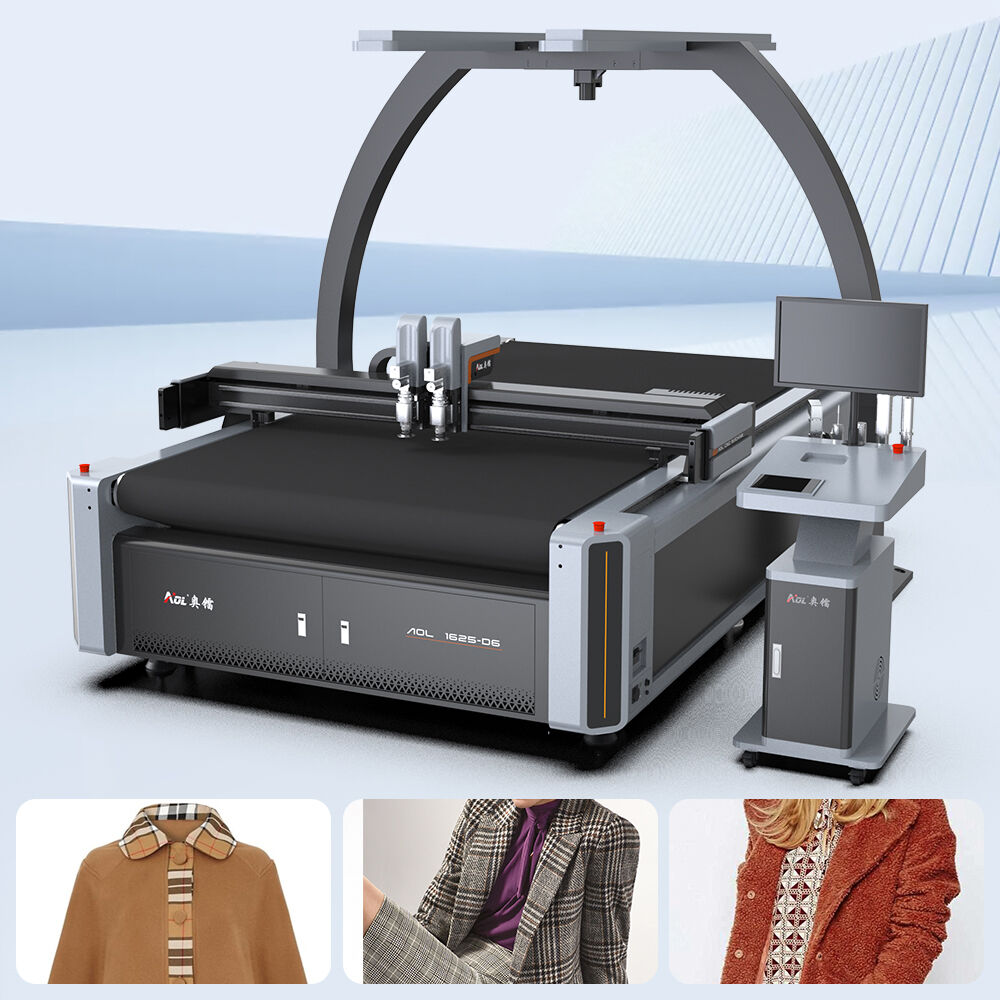
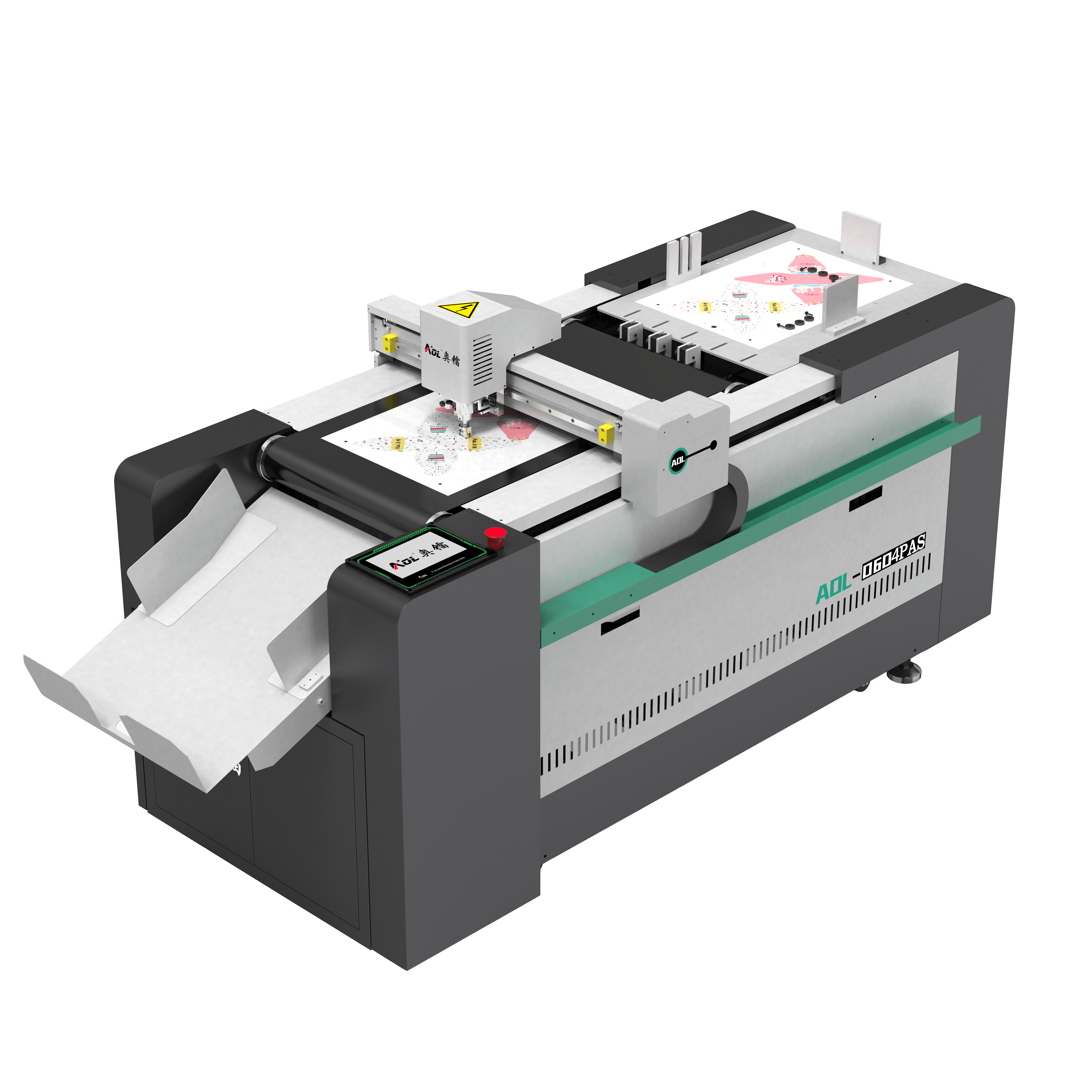
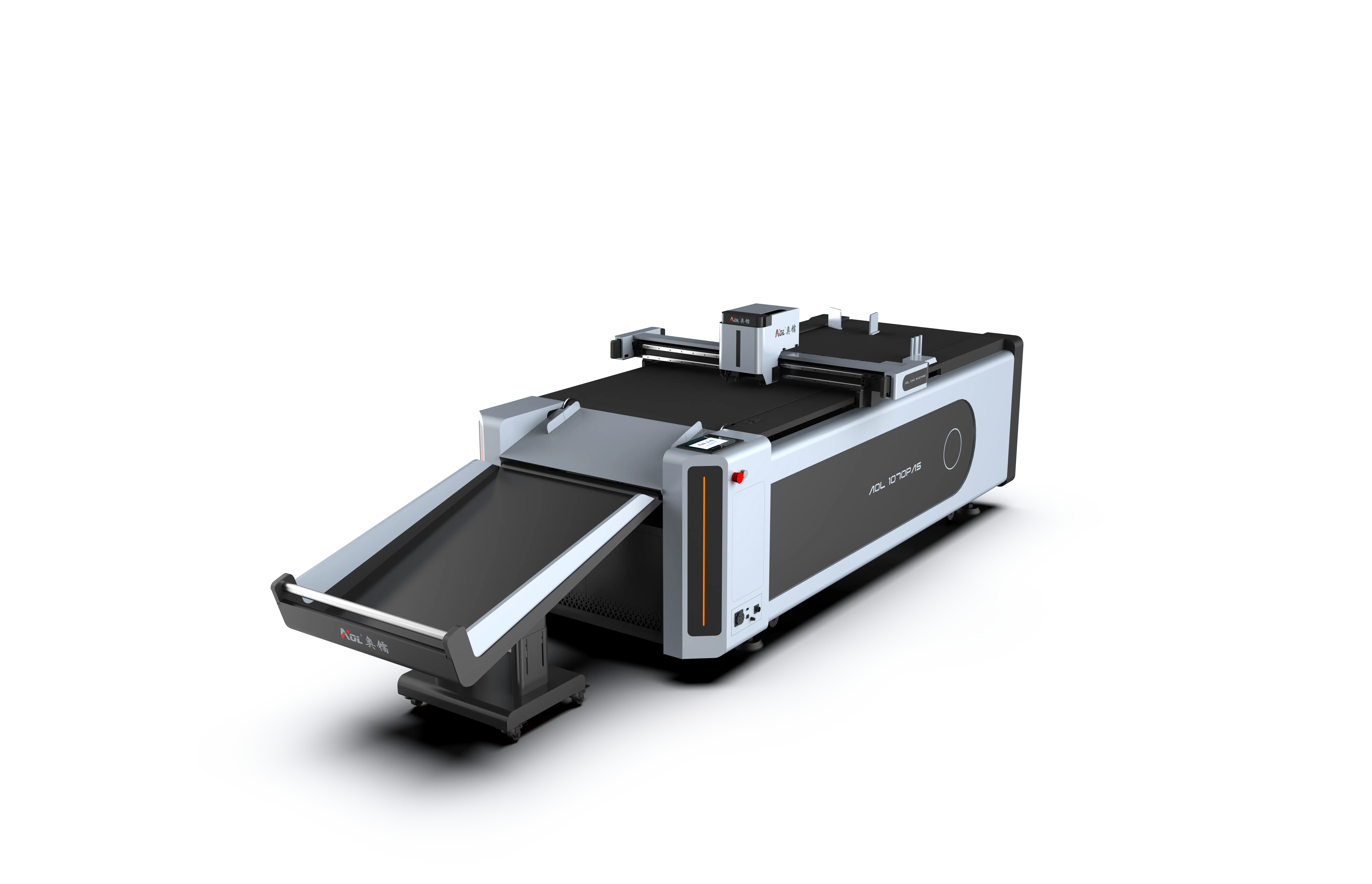
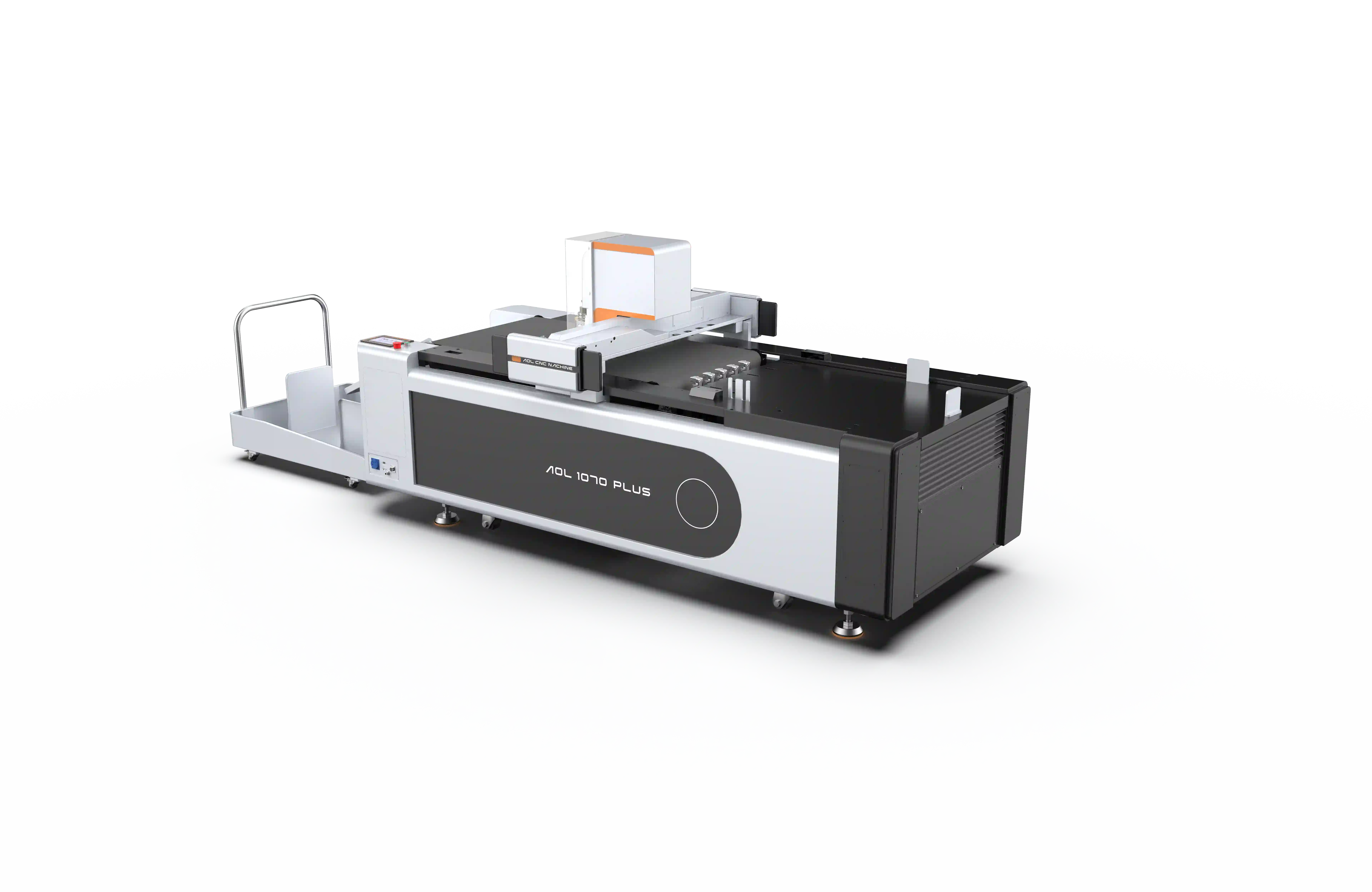
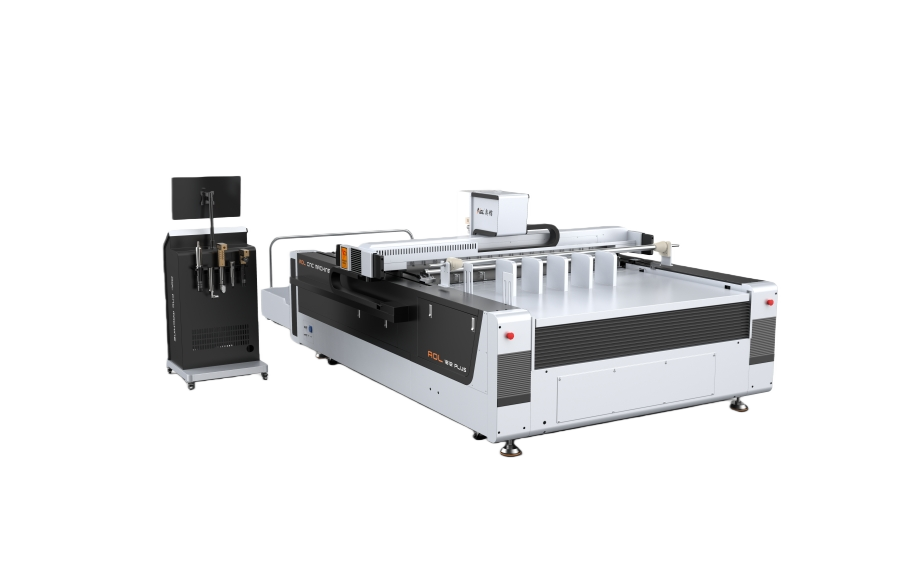
Computerized fabric cutting equipment is profoundly transforming production models across multiple manufacturing sectors. In the fast fashion and apparel industry, it serves as the cornerstone for achieving “just-in-time production,” enabling unprecedented responsiveness to market shifts and drastically shortening the time from design sketches to finished garments on the rack. This technology efficiently handles everything from small-batch prototypes to large-scale orders. For the automotive and transportation sectors, these machines ensure flawless cutting of expensive, technically demanding materials like airbag liners and seat upholstery through extreme precision. Zero-tolerance for errors guarantees the safety and luxury of final products while maximizing every inch of raw material.
In high-end manufacturing sectors like technical textiles and composites—including aerospace components, carbon fiber bicycle frames, and high-performance sports equipment—computerized cutting machines solve the challenges of fraying and deformation inherent in difficult-to-process materials like carbon fiber and glass fiber. Equipped with specialized tools such as oscillating blades or ultrasonic cutters, they cleanly handle complex geometries without compromising material integrity. In traditional furniture and interior decoration markets, these machines liberate workers from labor-intensive manual cutting. They effortlessly handle thick foam, multi-layered velvet, or patterned fabrics with stripes and checks. Automatic pattern-matching ensures perfect visual alignment on sofas and chairs, significantly boosting production efficiency and product consistency.
Beyond traditional applications, this technology drives future trends. In the wave of personalized customization, it functions as a “digital printer,” cutting unique patterns one by one based on computer files. This perfectly supports custom athletic wear or on-demand printed T-shirt production without compromising speed. Within the vision of smart factories advancing toward Industry 4.0, these devices function as IoT endpoints, continuously uploading real-time data on material consumption and labor hours to enterprise management systems. This provides decision-making insights for managers, enabling truly data-driven lean production. More importantly, it emerges as a core tool for sustainable development. Its advanced layout algorithms arrange fabric pieces like puzzle pieces, maximizing material utilization to over 98%. This drastically reduces production waste at the source, helping brands achieve green circular economy goals.
From an ROI perspective, computerized fabric cutting machines offer a solution to industry pain points. Addressing the growing shortage of skilled cutters, a single operator can manage multiple machines. This transforms core techniques from manual operations reliant on individual expertise into standardized digital processes, effectively alleviating labor pressures while boosting output. Simultaneously, it seamlessly bridges design and production: design studios can use it to rapidly produce precise samples, while factories utilize the same machine for mass production. This integration connects creative inspiration with commercial execution, achieving true process unification from design studios to factory floors.

 EN
EN