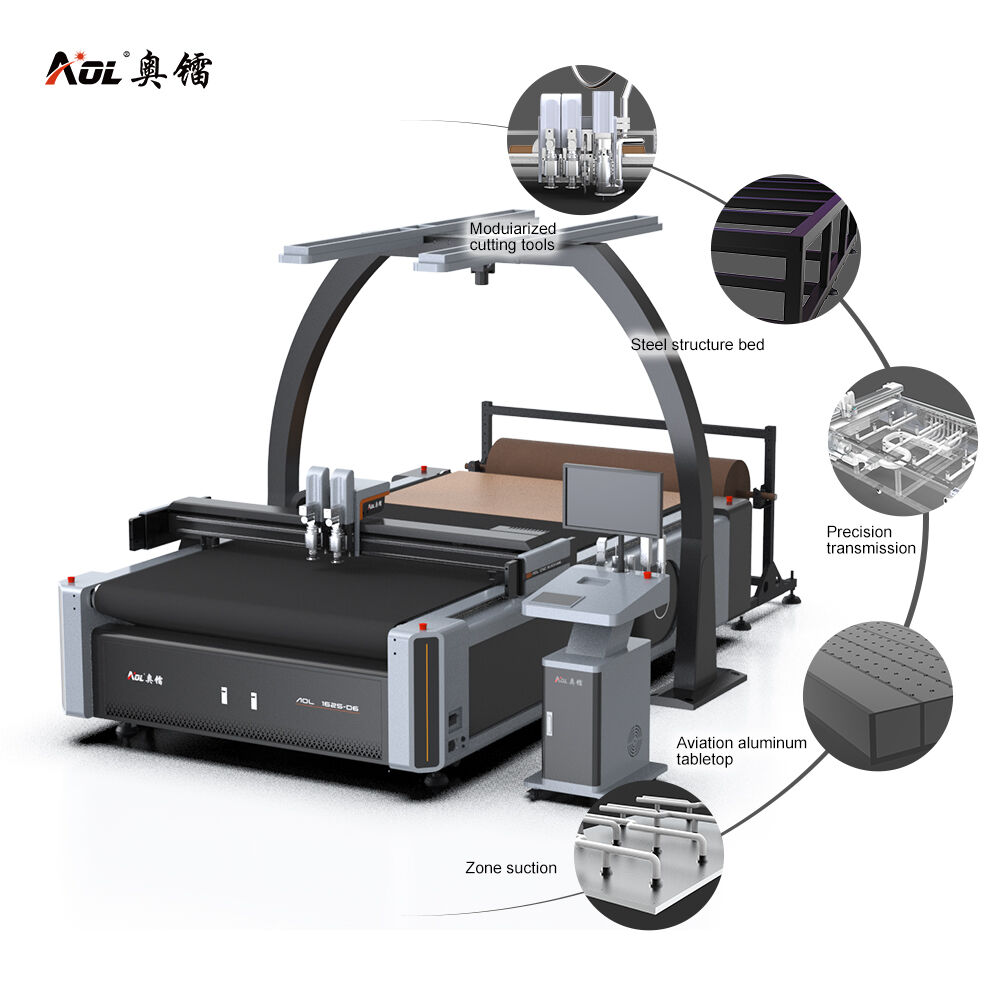
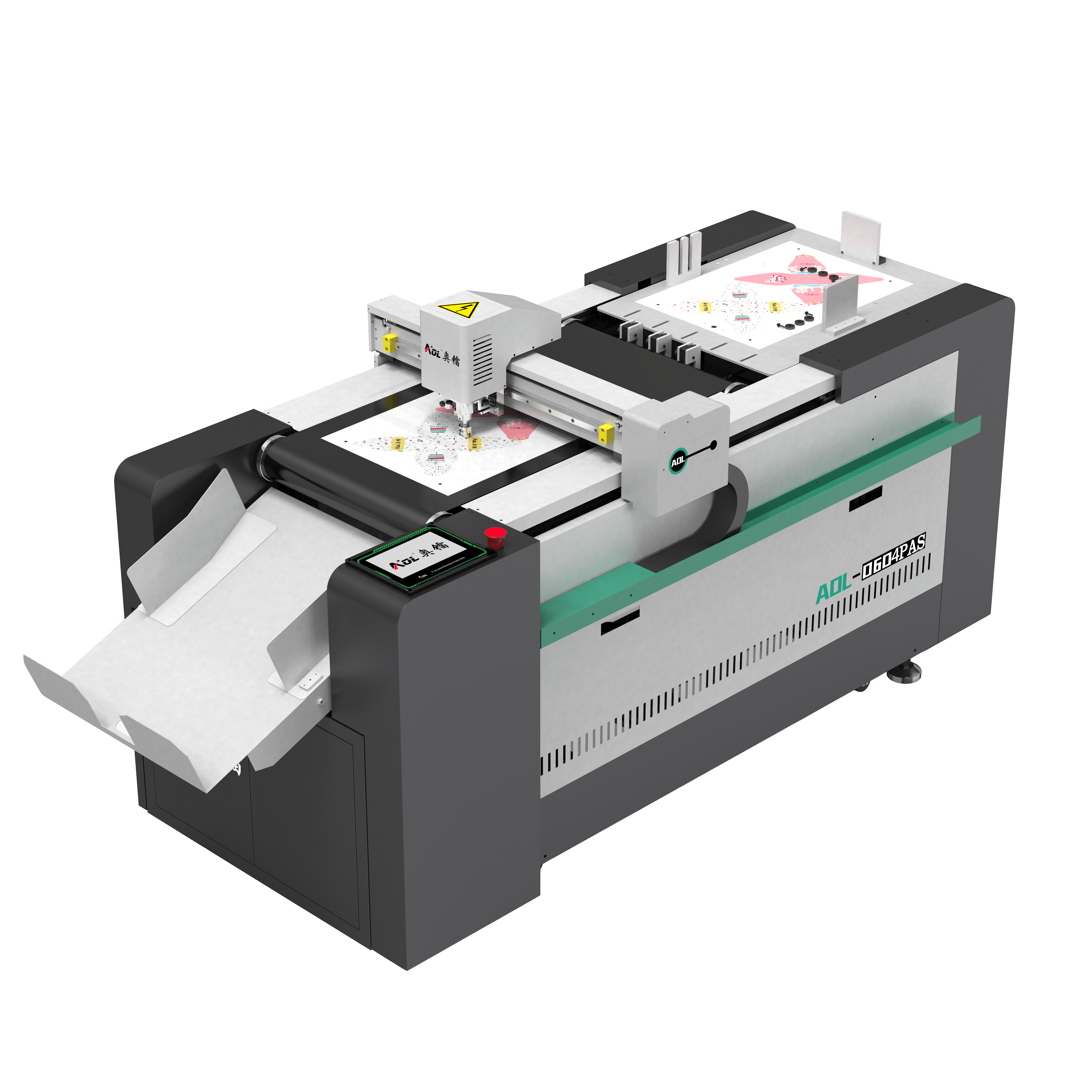
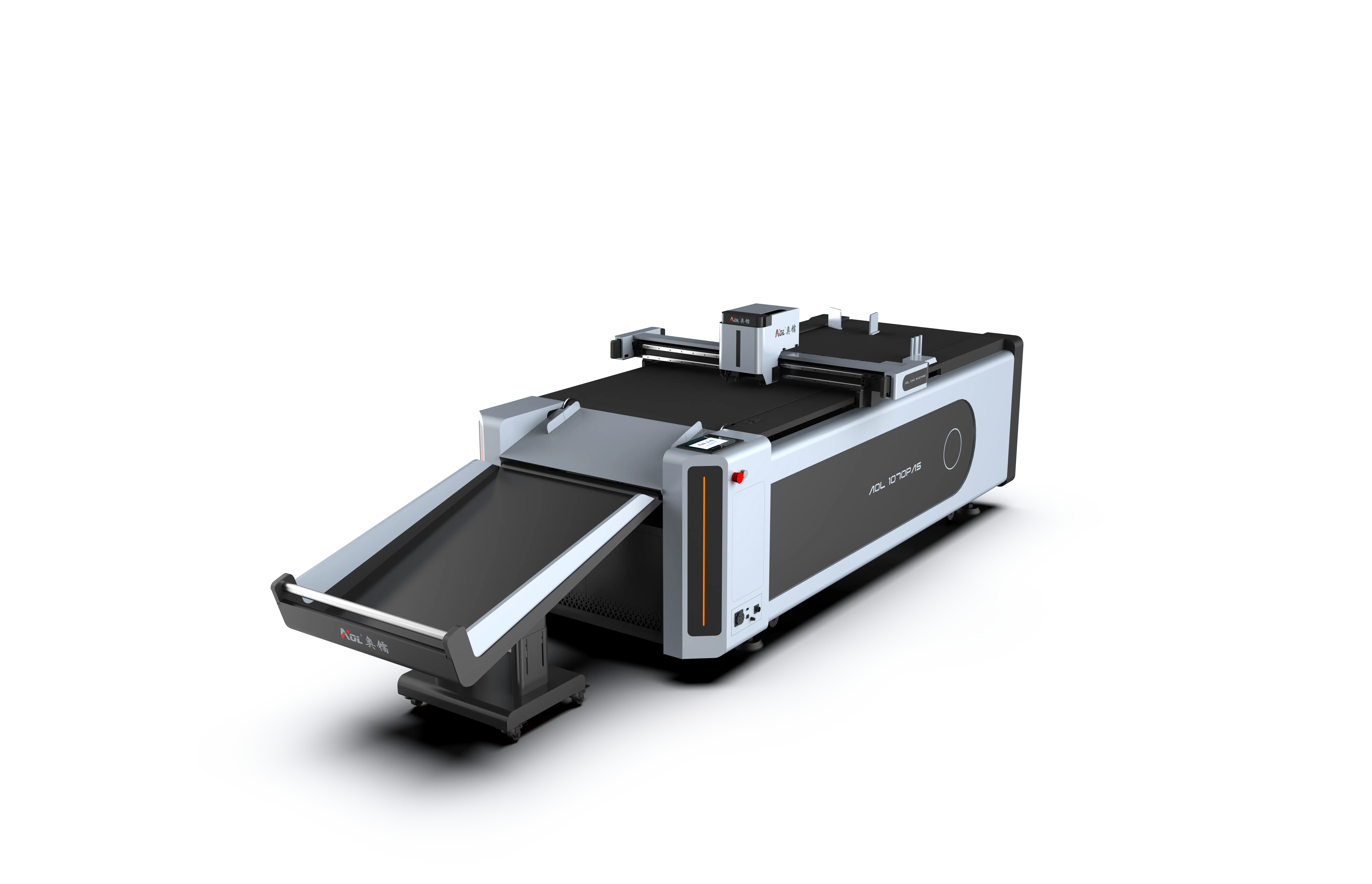
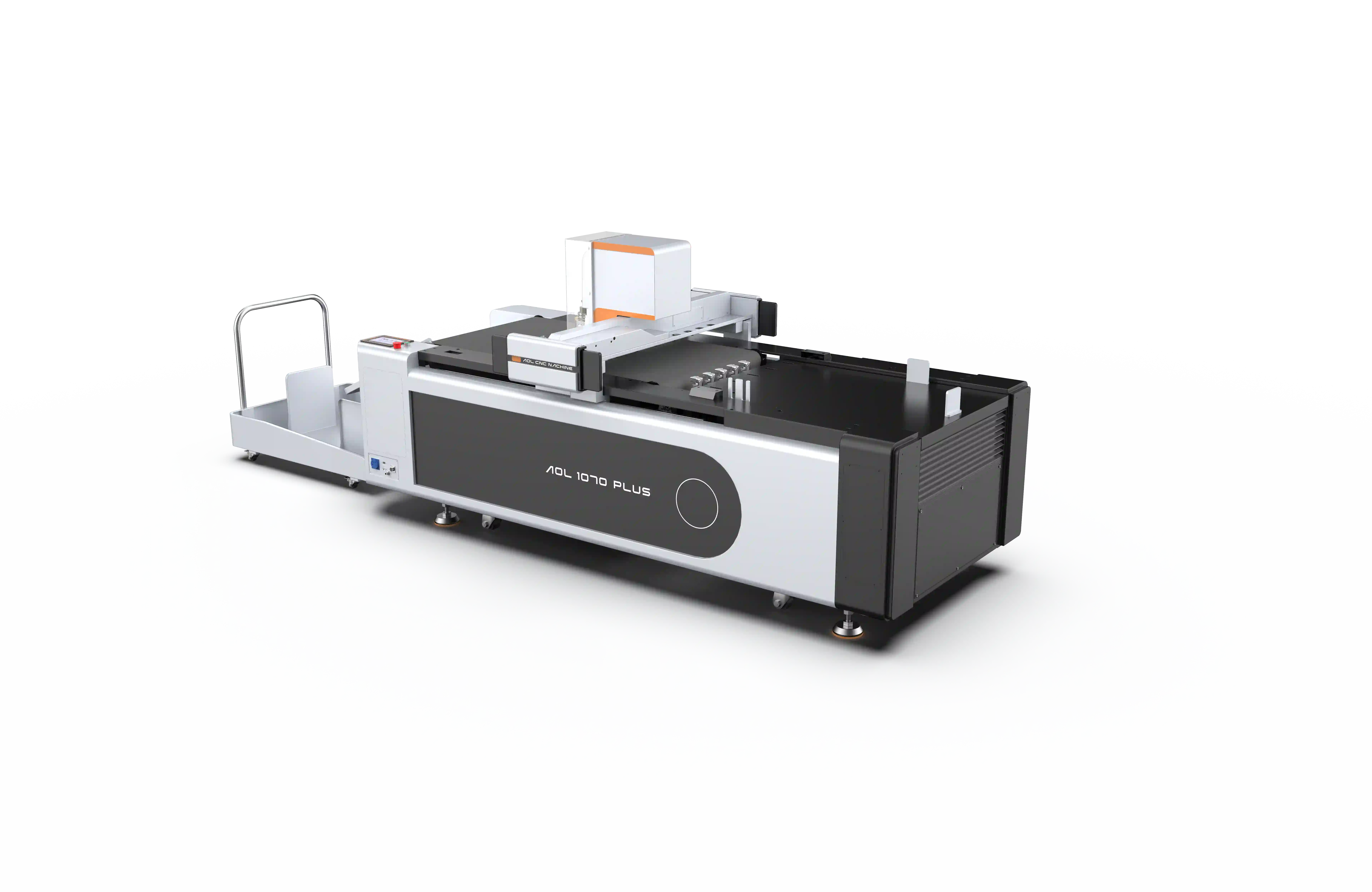
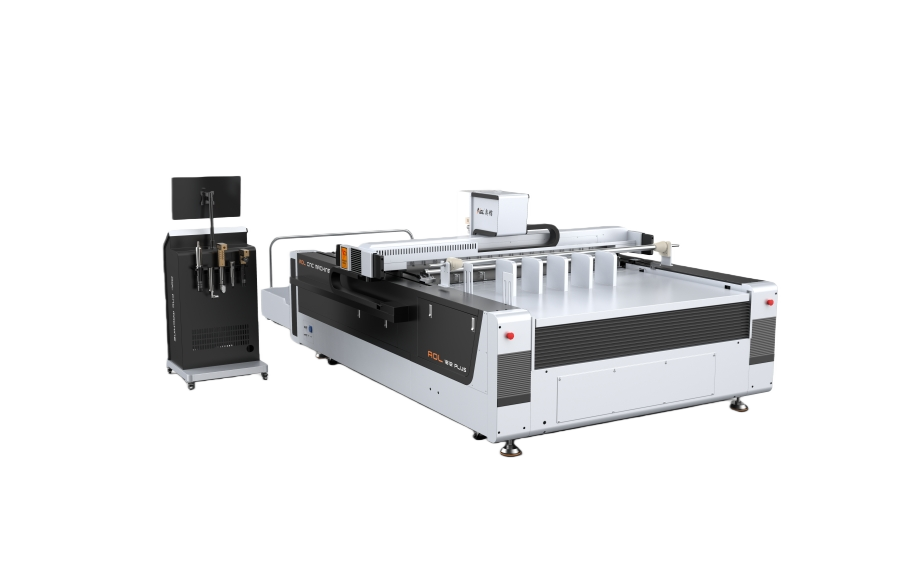
In the fast-paced textile and apparel manufacturing industry, precision determines profit margins, and speed dictates survival. The shift from manual scissors and punch cutting machines to computerized cloth cutting machines represents one of the most significant technological leaps in the sector since the invention of the sewing machine. So why is this machine so crucial for modern enterprises? Its significance extends far beyond simply cutting fabric; it serves as the engine of the digital textile revolution, directly impacting manufacturers' profitability, scalability, and sustainability.
Economically speaking, the textile industry faces a widespread crisis of skilled labor shortages. Manual cutting requires years of experience to handle complex patterns and delicate fabrics without wasting material. The significance of the computerized cloth cutting machine lies in its replacement of reliance on artisan skills with automated precision. A single operator can now manage a machine performing the work of five to ten manual cutters, drastically reducing labor costs and minimizing the risk of production stoppages due to human error or labor shortages. Simultaneously, driven by fast fashion, the market demands instant responsiveness. Design changes that once required days to implement on production lines can now be executed instantly by uploading a new digital file using computerized systems. This enables manufacturers to adopt just-in-time production models, cutting only the quantities needed for today's orders. Consequently, inventory holding costs are drastically reduced, and manufacturers can respond to market trends faster than competitors.
Regarding quality and materials, computerized cloth cutting machines meet modern manufacturing's “zero-defect” requirements. In sectors like fashion, automotive interiors, or aerospace composites, a single millimeter of error can render products unusable. These machines utilize oscillating blades or laser technology guided by CAD files, ensuring absolute consistency from the first to the thousandth cut piece. This capability allows brands to maintain stringent quality control standards across global supply chains. Moreover, modern textiles grow increasingly complex, with high-tech synthetic fibers, coated fabrics, and composites proliferating. High-end computerized cutters employ ultrasonic blades or laser technology to seal edges during cutting, preventing synthetic material fraying while cleanly handling delicate fabrics that would snag or deform under manual cutting.
Finally, its significant impact on sustainability cannot be overlooked. Fabric waste poses a major environmental challenge, with vast quantities of scraps ending up in landfills. Computerized cloth cutting machines feature advanced automated nesting software that calculates the most efficient layout—akin to solving a complex Tetris puzzle—maximizing fabric width utilization. Compared to manual cutting, these machines reduce fabric waste by 15% to 30%. For large manufacturers, this translates to saving tons of fabric annually—representing substantial cost savings and a key highlight in corporate sustainability reports. In essence, the computerized cloth cutting machine is more than just equipment; it is a strategic asset that transforms traditional craftsmanship into a data-driven, scalable, and sustainable industrial process.

 EN
EN