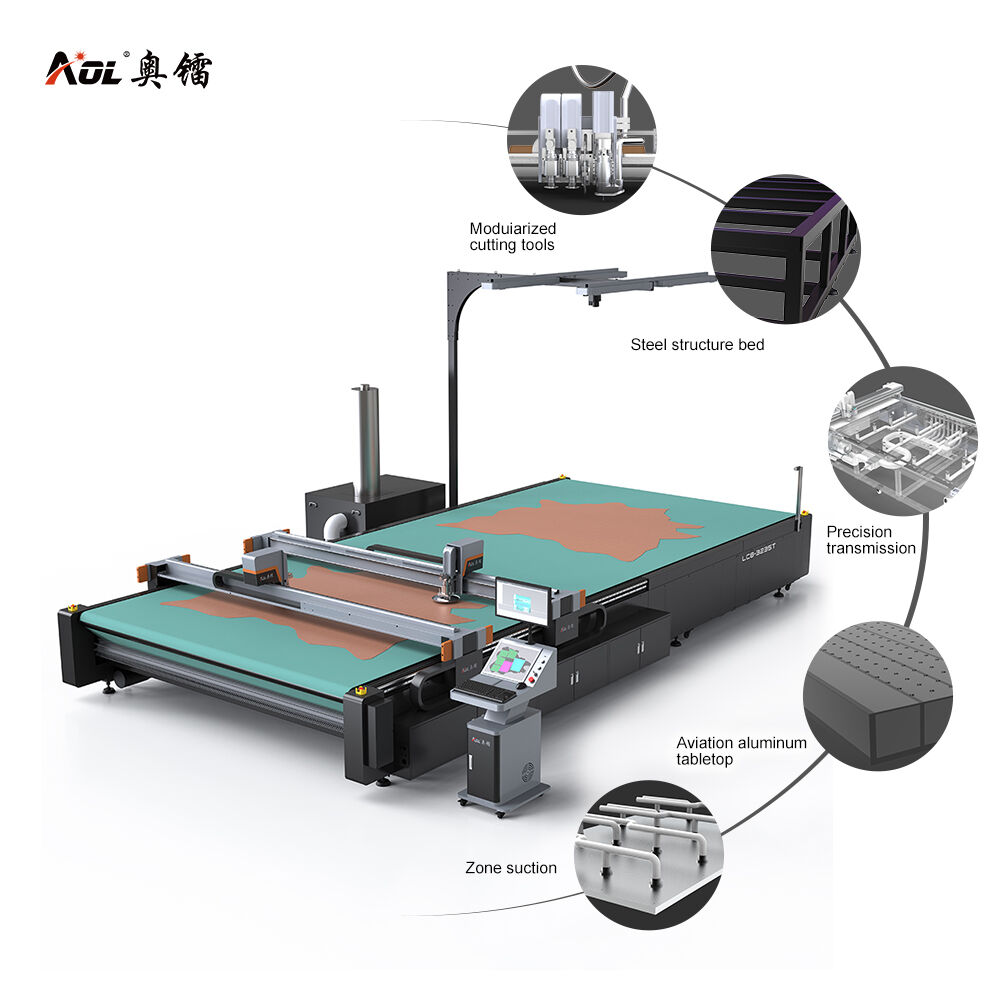
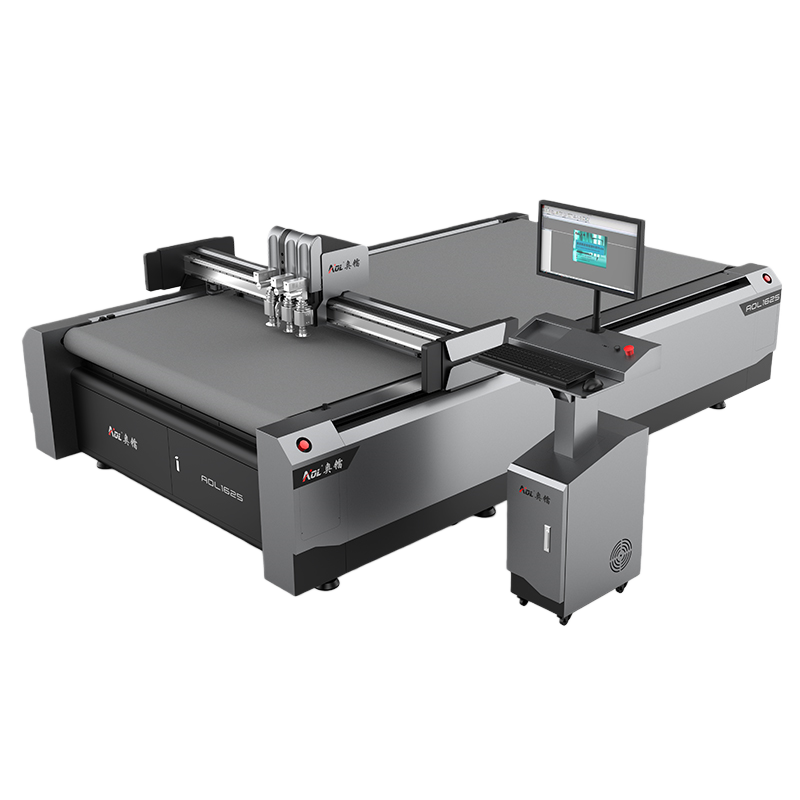
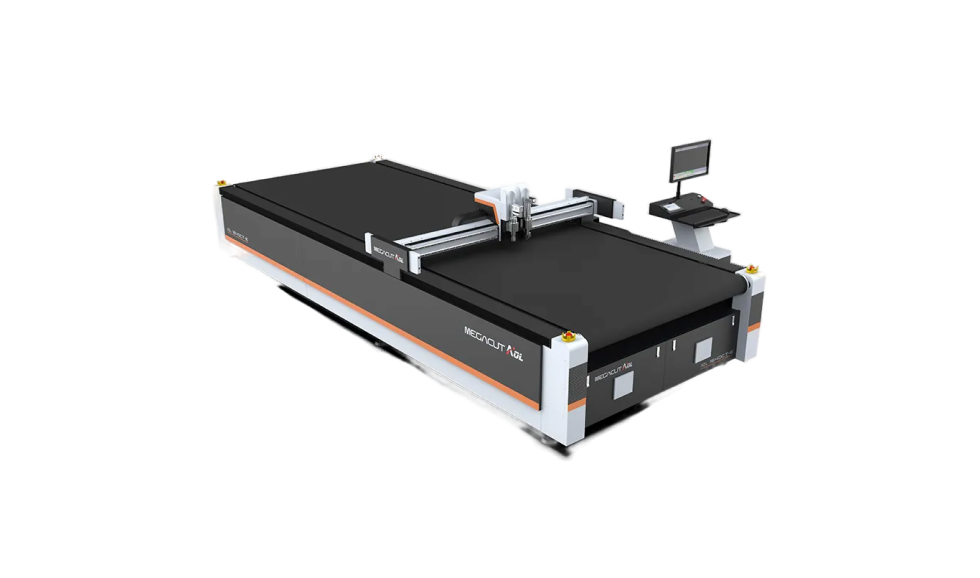
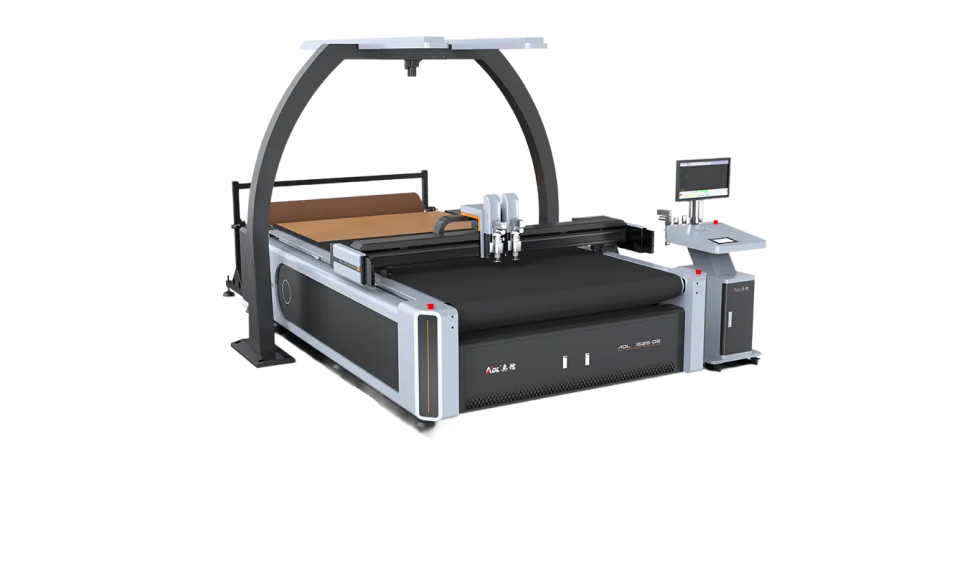
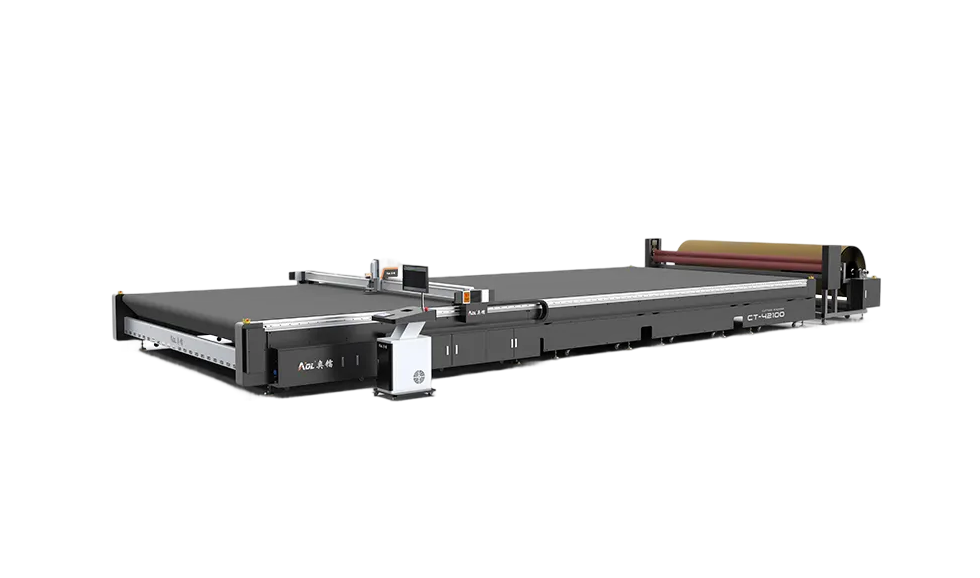
Although named the “automatic leather cutting machine,” its core technology—intelligent cutting and precision control for flexible materials—is expanding its application far beyond the traditional leather goods industry, becoming a key force driving manufacturing upgrades across multiple sectors.
In automotive manufacturing, this equipment has become central to interior production lines. From car seats and headrests to steering wheels and dashboard coverings, the automatic leather cutting machine precisely handles complex multi-panel designs, ensuring consistent seam allowances for every genuine leather component. This meets automakers' stringent demands for interior luxury and craftsmanship standards. Simultaneously, within the expansive furniture manufacturing sector, facing substantial material consumption for products like sofas and upholstered beds, the intelligent layout algorithms of automatic cutters maximize leather utilization. By automatically identifying imperfections and optimizing patterns, they enable enterprises to save up to 15% in genuine leather materials, directly translating into profit.
In the fashion consumer goods sector, whether for shoe uppers, handbags, leather jackets, or small leather goods like wallets, this equipment handles diverse materials from lightweight lambskin to heavy cowhide. Its mold-free flexible production model perfectly adapts to fast fashion's demands for rapid prototyping and on-demand delivery. Furthermore, in high-end niche markets like aerospace and marine manufacturing, it cuts premium leather for first-class seats and yacht interiors meeting stringent flame-retardant standards. In sports equipment, it produces high-strength protective gear such as baseball gloves and equestrian tack.
More significantly, as the era of personalized consumption arrives, automated leather cutting machines provide the technological backbone for “one-piece customization” business models. Whether producing name-engraved wallets or limited-edition handmade leather goods, these machines enable efficient cutting without mold costs, empowering SMEs and independent studios to embark on digital transformation. Thus, investing in an automated leather cutting machine fundamentally means investing in a core production capability that bridges multiple industries and adapts to future flexible manufacturing demands.

 EN
EN