
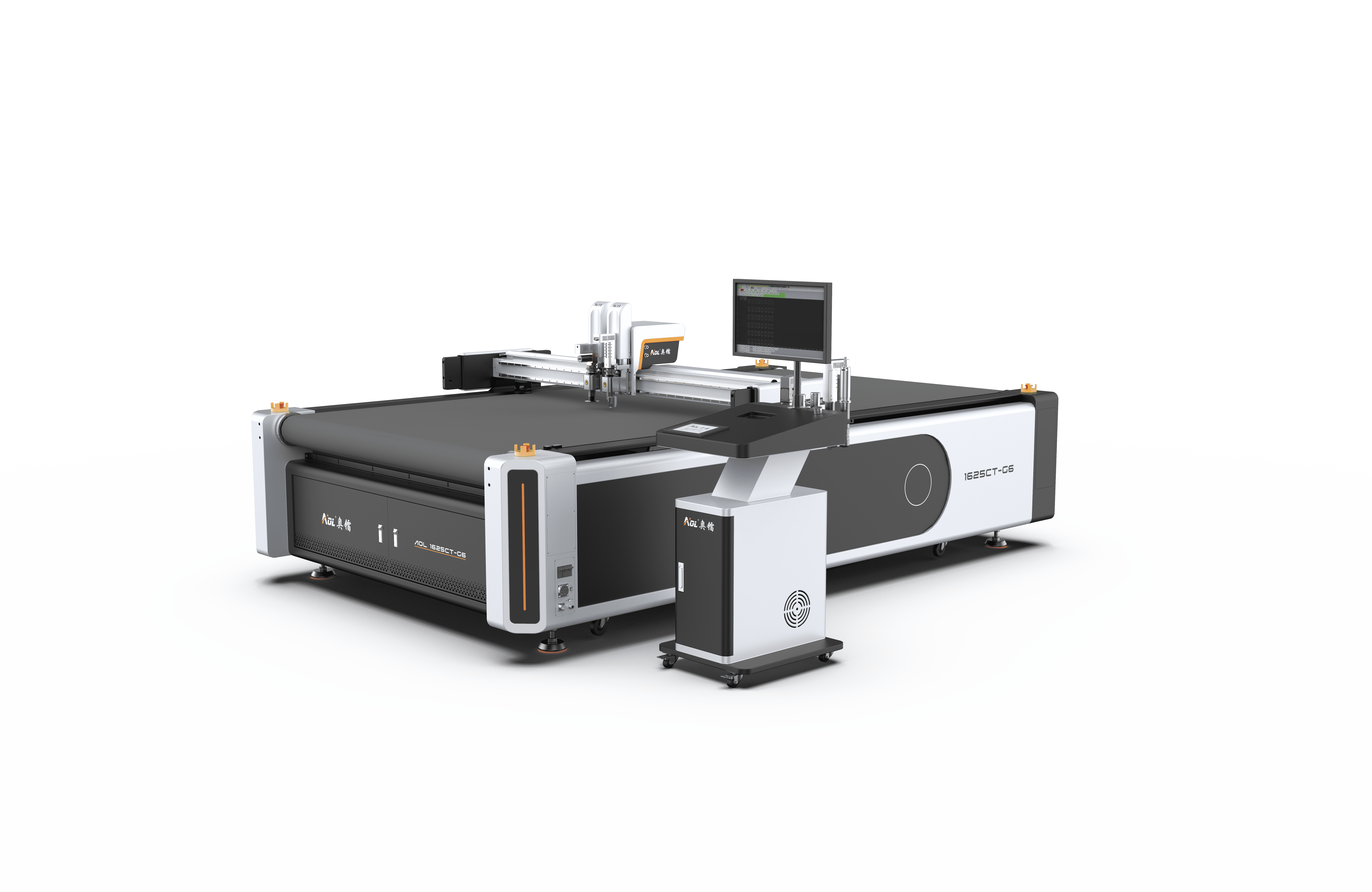
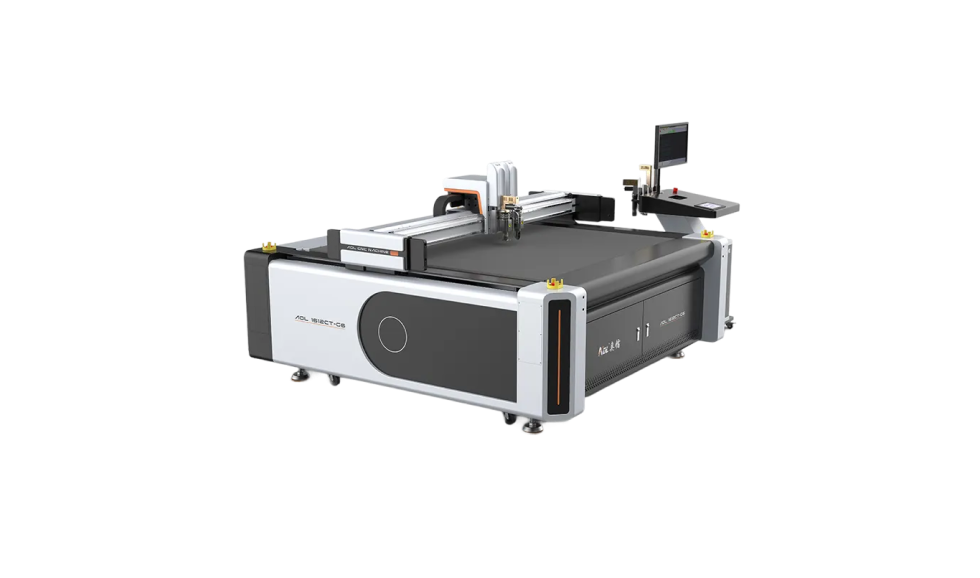
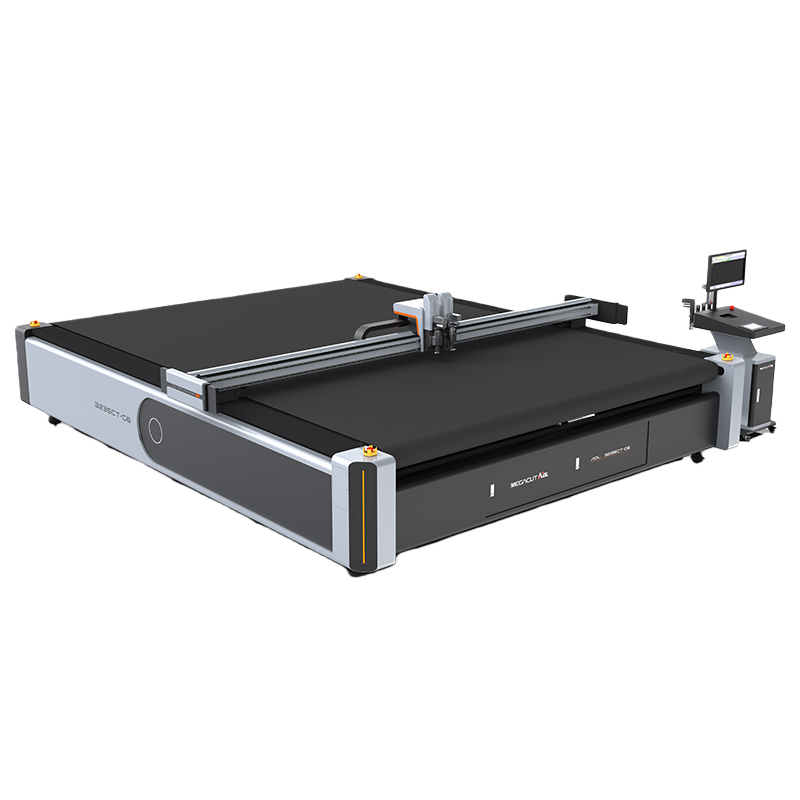
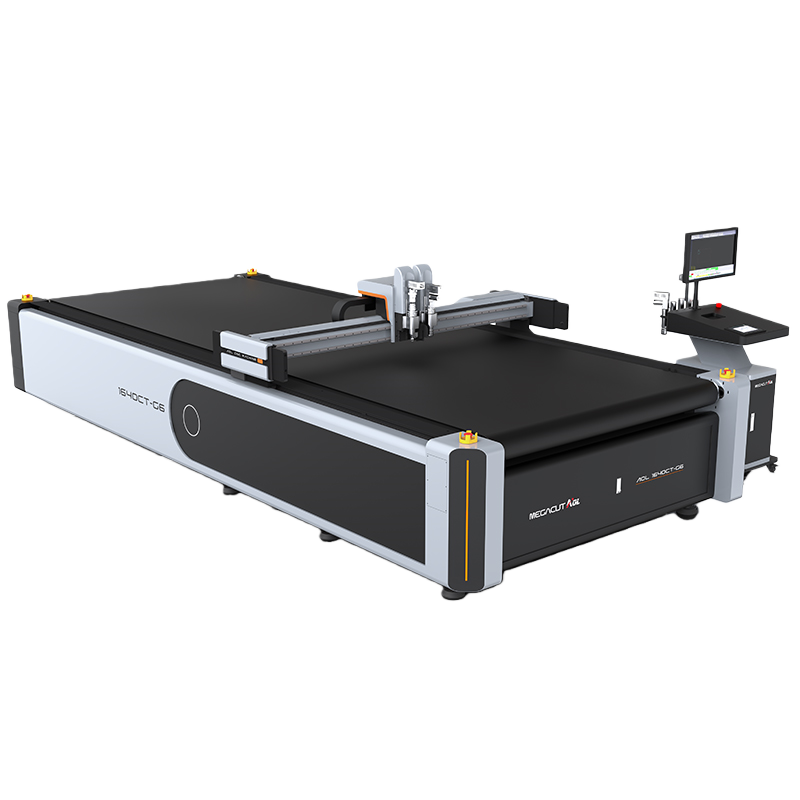
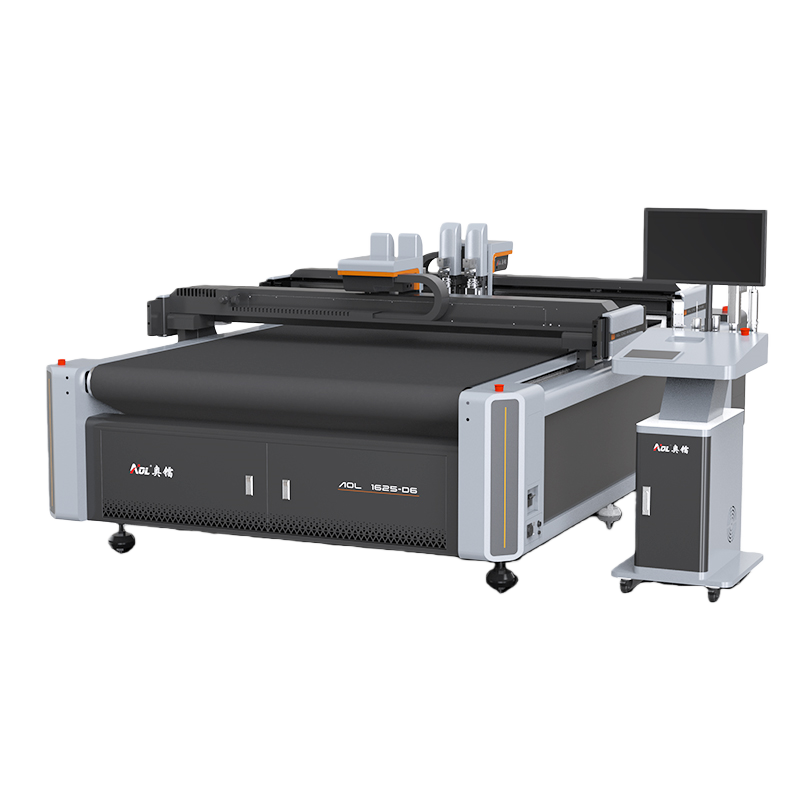
As a critical production factor, the significance of automated material cutting machines in modern manufacturing is self-evident, profoundly impacting enterprises' production costs, efficiency, and market competitiveness. From a macro perspective, it precisely addresses the urgent demand for automation in the Industry 4.0 era and the global manufacturing sector's widespread skilled labor shortage. By automating the foundational yet critical cutting process, enterprises can reallocate valuable labor resources to higher-value roles such as quality control, equipment monitoring, and process optimization, effectively alleviating staffing pressures.
Moreover, in today's sustainability-focused landscape, the economic and environmental value of automated material cutting machines has reached unprecedented heights. Compared to traditional manual cutting, their advanced nesting software employs complex algorithms to achieve the most compact layout on materials—an optimization capability beyond human visual capabilities. This translates to significant reductions in costly material waste, typically lowering scrap rates by 5% to 15%. For businesses handling leather, carbon fiber, or high-performance polymers, these savings often recoup equipment investments within just one to two years, achieving a win-win outcome for both economic efficiency and environmental sustainability.