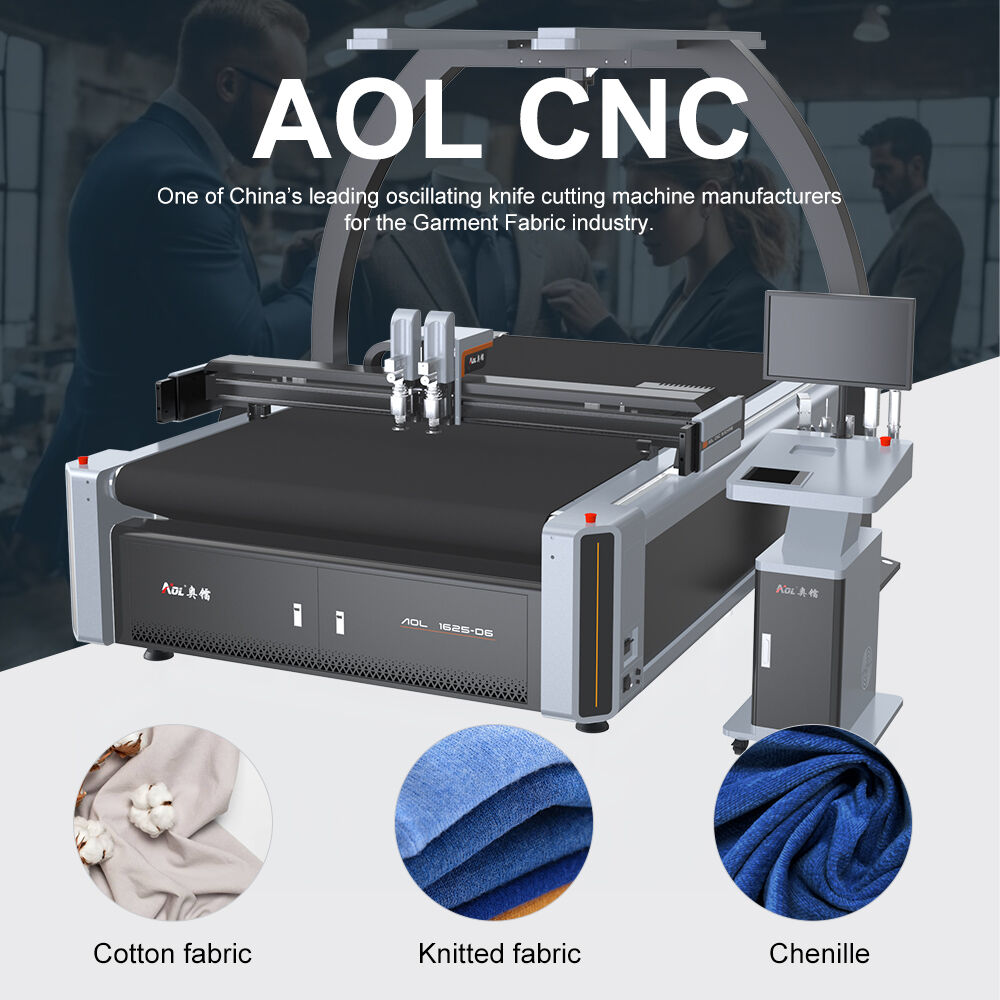
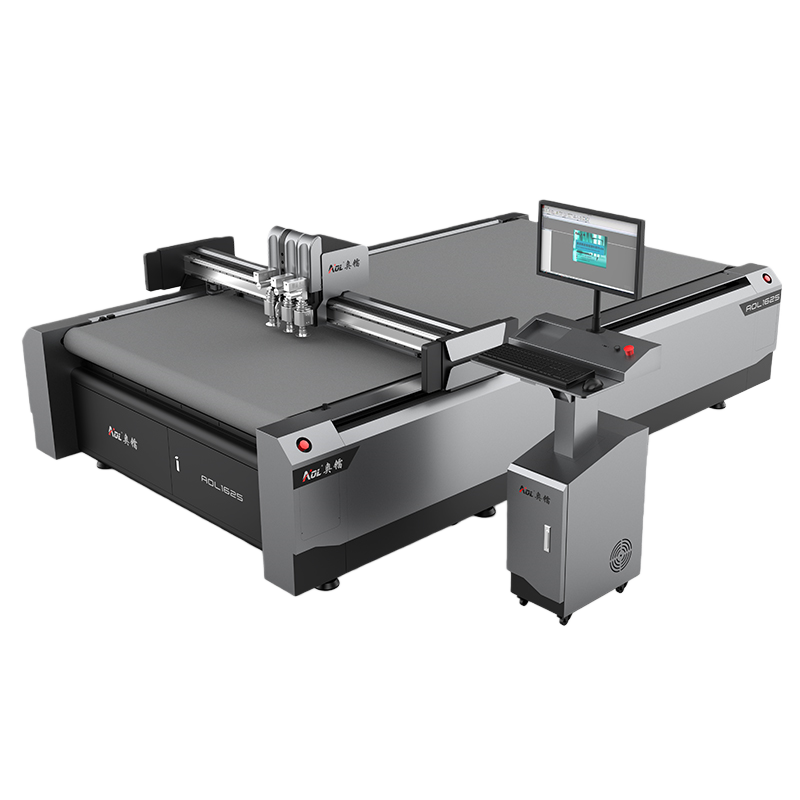
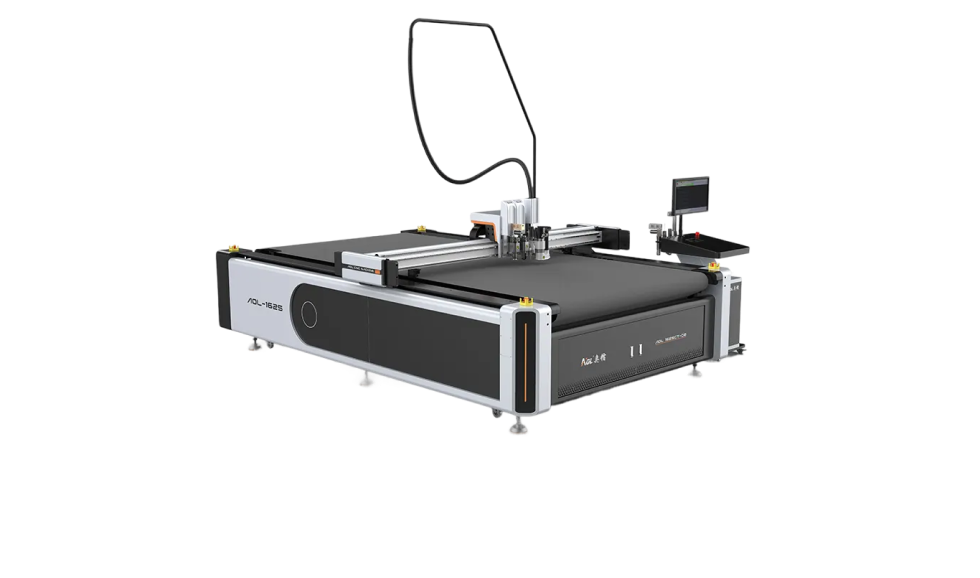
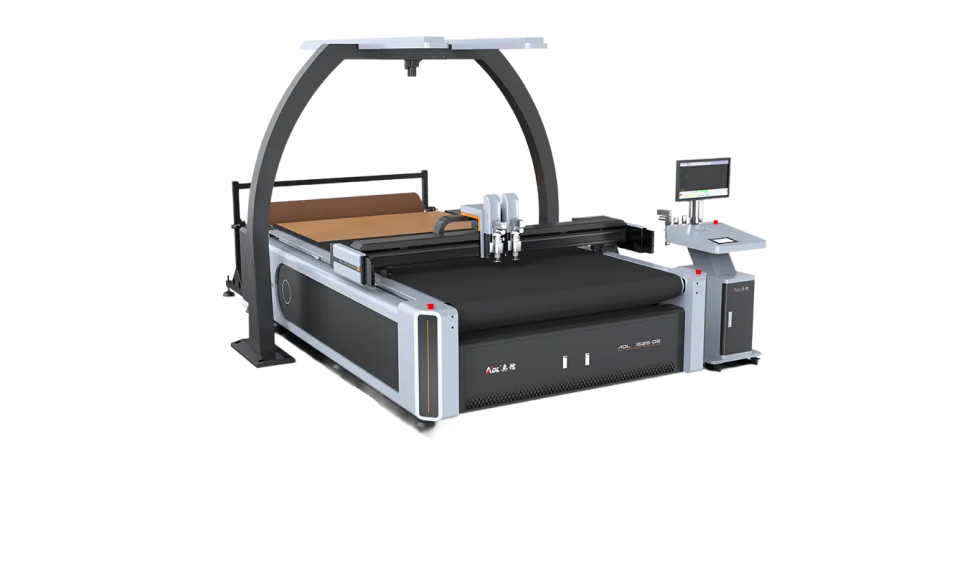
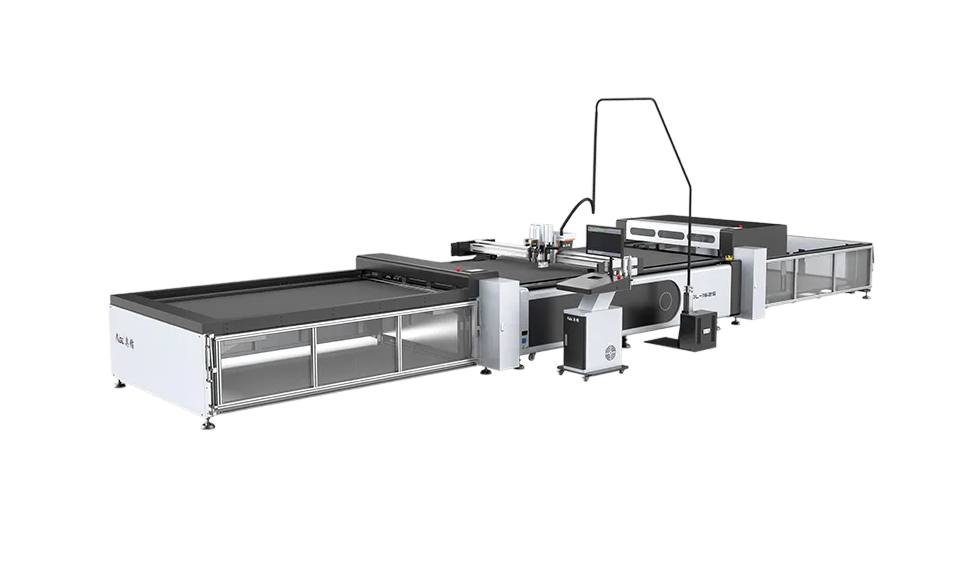
In the traditional apparel and fashion industry, automatic cutting machines remain their primary application domain. Faced with fast fashion's extreme compression of delivery cycles and the rise of customization demands, manufacturers must strike a balance between mass production and zero inventory. Through high-speed multi-layer cutting capabilities, automatic cutting machines ensure precise sizing from XS to XXL, making “on-demand cutting” a reality and fundamentally resolving the pain point of excess finished garment inventory.
In the automotive sector, automated cutting machines are redefining production standards for interior components. Whether navigating natural blemishes in genuine leather seats, meeting stringent precision requirements for airbags, or handling the complex ergonomic curves of dashboards, these machines consistently master challenging materials like leather and foam composites. This ensures every vehicle's interior is not only aesthetically pleasing but also exceptionally durable.
In aerospace and composite materials, automated cutting machines play an even more critical role. Carbon fiber prepregs used for aircraft interiors are often expensive and require strict adherence to fiber orientation along the cutting path. With zero-error cutting precision and automated dust removal systems, these machines not only guarantee structural integrity but also significantly reduce costly material waste for aircraft manufacturers.
Furthermore, in the upholstery industry, when faced with foam sponge over ten centimeters thick, automated cutting machines utilize specialized vibrating blades or band saw technology to produce perfectly vertical, smooth edges. This achieves unprecedented precision in the fit of sofas and mattresses. In the sporting goods sector, from dozens of minute components in a pair of running shoes to weld seam cutting for inflatable tents, automated cutting machines maximize material utilization through precise nesting algorithms.
Looking ahead, the application prospects for automated cutting machines are evolving toward greater intelligence and precision. Particularly in luxury goods manufacturing, cutting beds equipped with visual recognition systems can automatically identify natural leather grain patterns and imperfections, intelligently allocating material to reserve the most flawless sections for products. Simultaneously, in medical textiles, their sterile cutting of surgical gowns and precise shaping of protective suits provide robust support for the high-quality development of the healthcare industry.

 EN
EN