
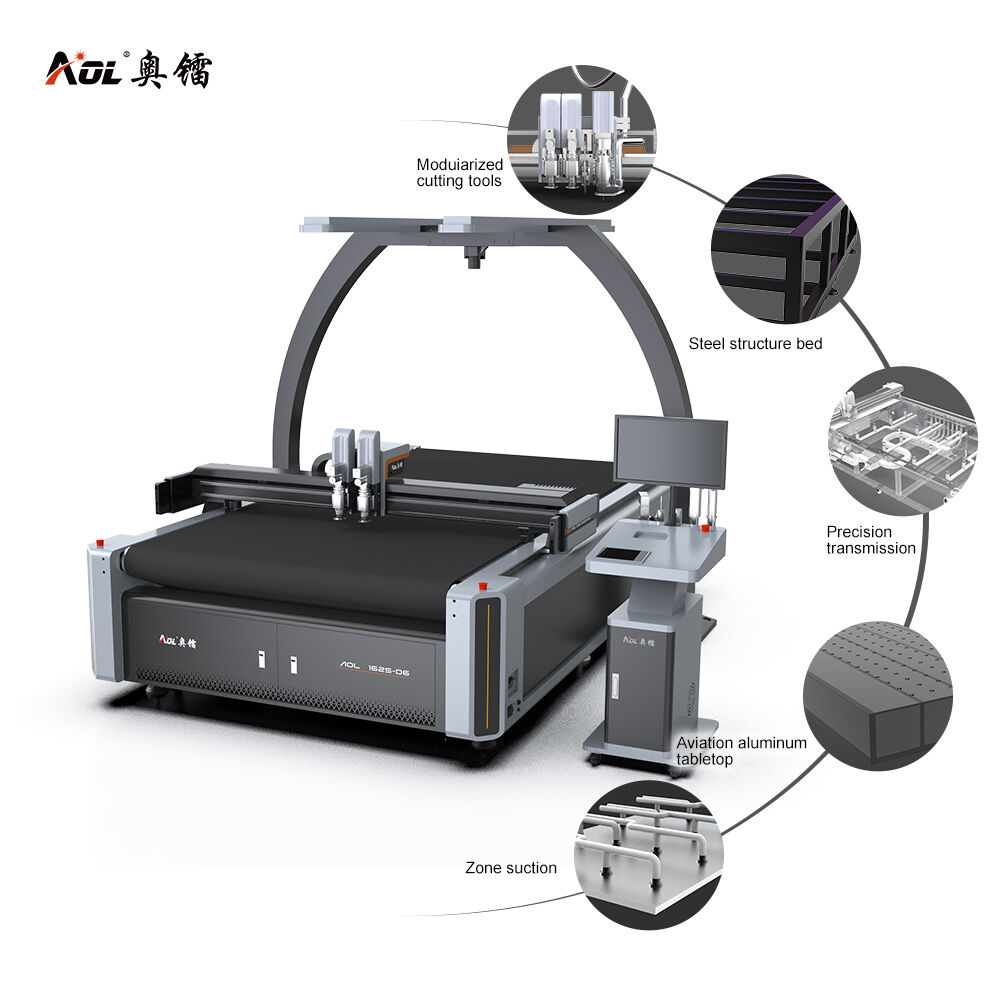
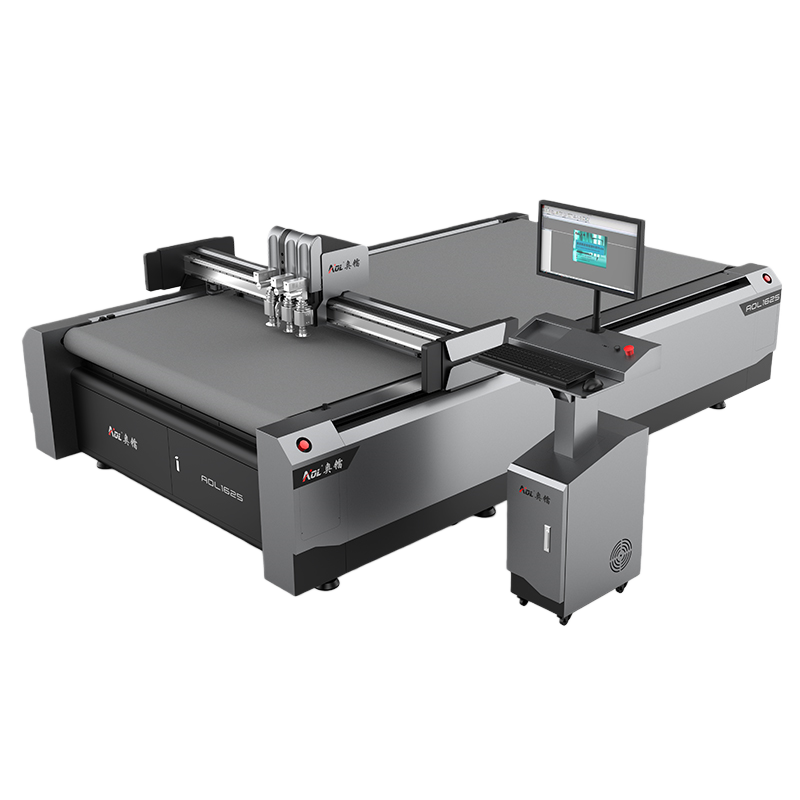
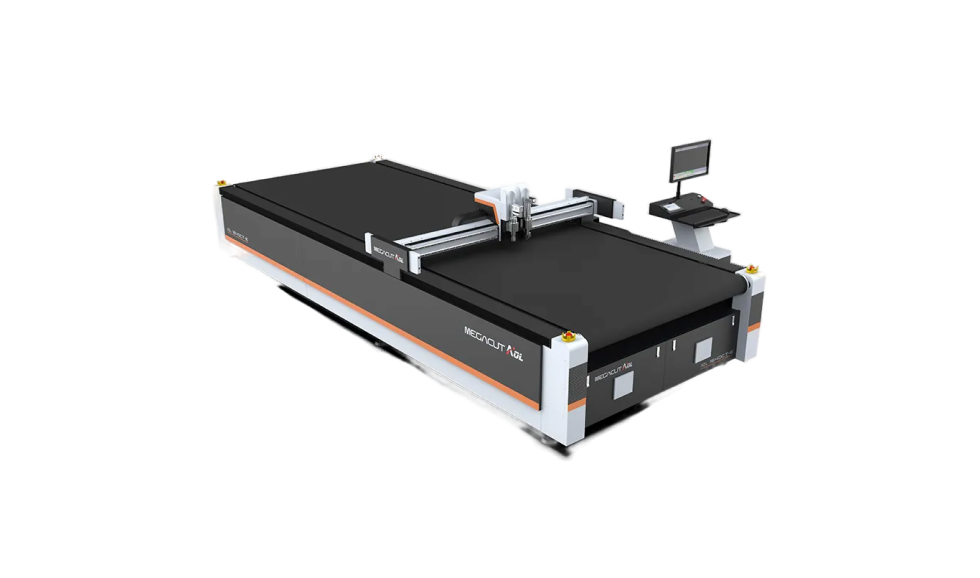
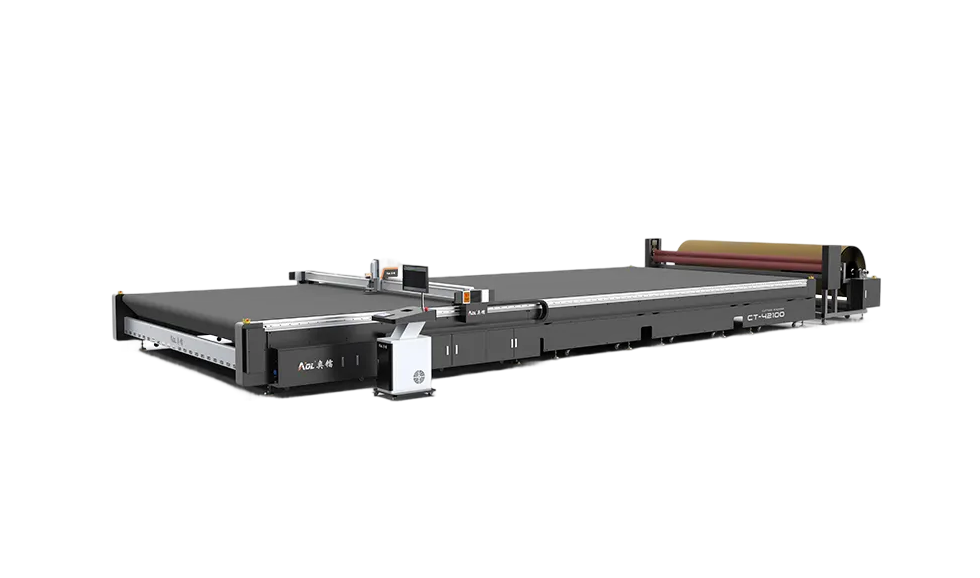
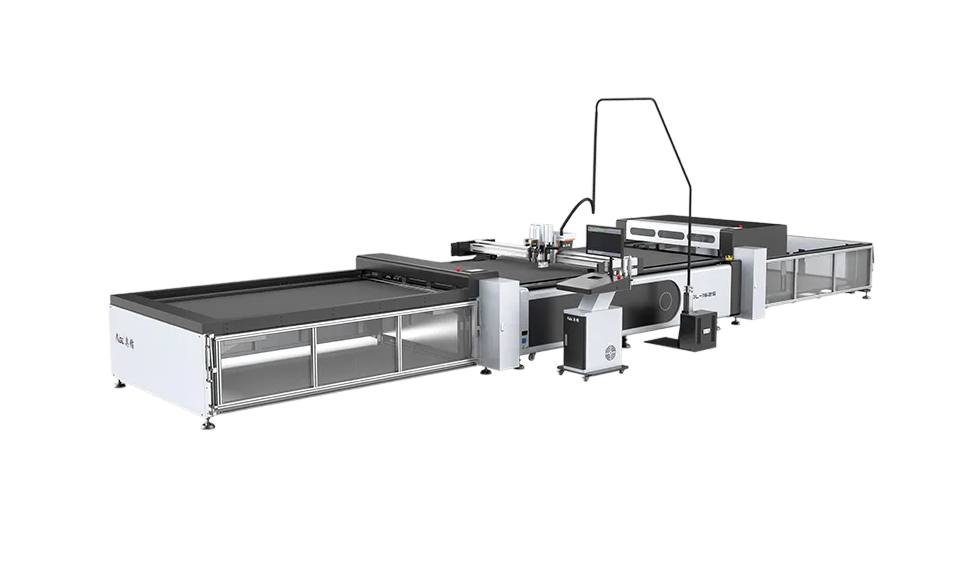
In today's fast-paced textile and apparel manufacturing industry, precision and speed are no longer merely competitive advantages—they are essential elements for corporate survival. The shift from traditional manual cutting or punch-cutting to automated textile cutting machines signifies a fundamental upgrade in production capabilities. The foremost transformation brought by this equipment lies in its unparalleled precision: manual cutting inevitably suffers from human factors like trembling wrists due to fatigue or visual inaccuracies, whereas automated cutting tables ensure every piece—from the first layer to the hundredth—is cut with absolute consistency through digital control. This “digital precision” not only eliminates dimensional inconsistencies in garment sewing but also perfectly aligns complex patterns like stripes or checks. It eradicates defective rates at the source, achieving truly zero-deviation cutting.
The significance of this equipment is particularly profound in cost control. Fabric typically accounts for 50% to 70% of textile production costs, representing the largest expense for enterprises. The automated textile cutting machine incorporates advanced automatic layout software that calculates the most material-efficient cutting plan using dense nesting algorithms. Compared to manual cutting, this technology reduces material waste by 5% to 15%. In an industry increasingly focused on sustainability, minimizing scrap not only contributes to environmental protection but also directly translates into enhanced corporate profitability. Simultaneously, automated cutting tables offer a perfect solution to the textile industry's widespread shortage of skilled workers. They free laborers from high-intensity physical tasks, reducing injury risks from prolonged standing or repetitive motions. This creates safer, more modern factory environments and facilitates the transition of traditional workers into equipment technicians, thereby retaining talent.
From a production efficiency perspective, time is money. An automated textile cutting machine operates at a constant speed around the clock, requiring no breaks and remaining unaffected by mood or physical fatigue. This enables manufacturers to rapidly scale production capacity to meet urgent seasonal deadlines or large-volume orders without extensive hiring and training of new staff. More importantly, this efficiency gain comes with exceptional flexibility. In a market dominated by fast fashion and emerging technical fabrics, unlike punch presses requiring costly mold changes for each new design, automated cutting machines are software-driven. Design modifications simply require uploading new files. Whether handling heavy denim, smooth silk, or complex technical composites, this equipment seamlessly adapts without mechanical modifications, truly achieving “one machine for multiple uses.”