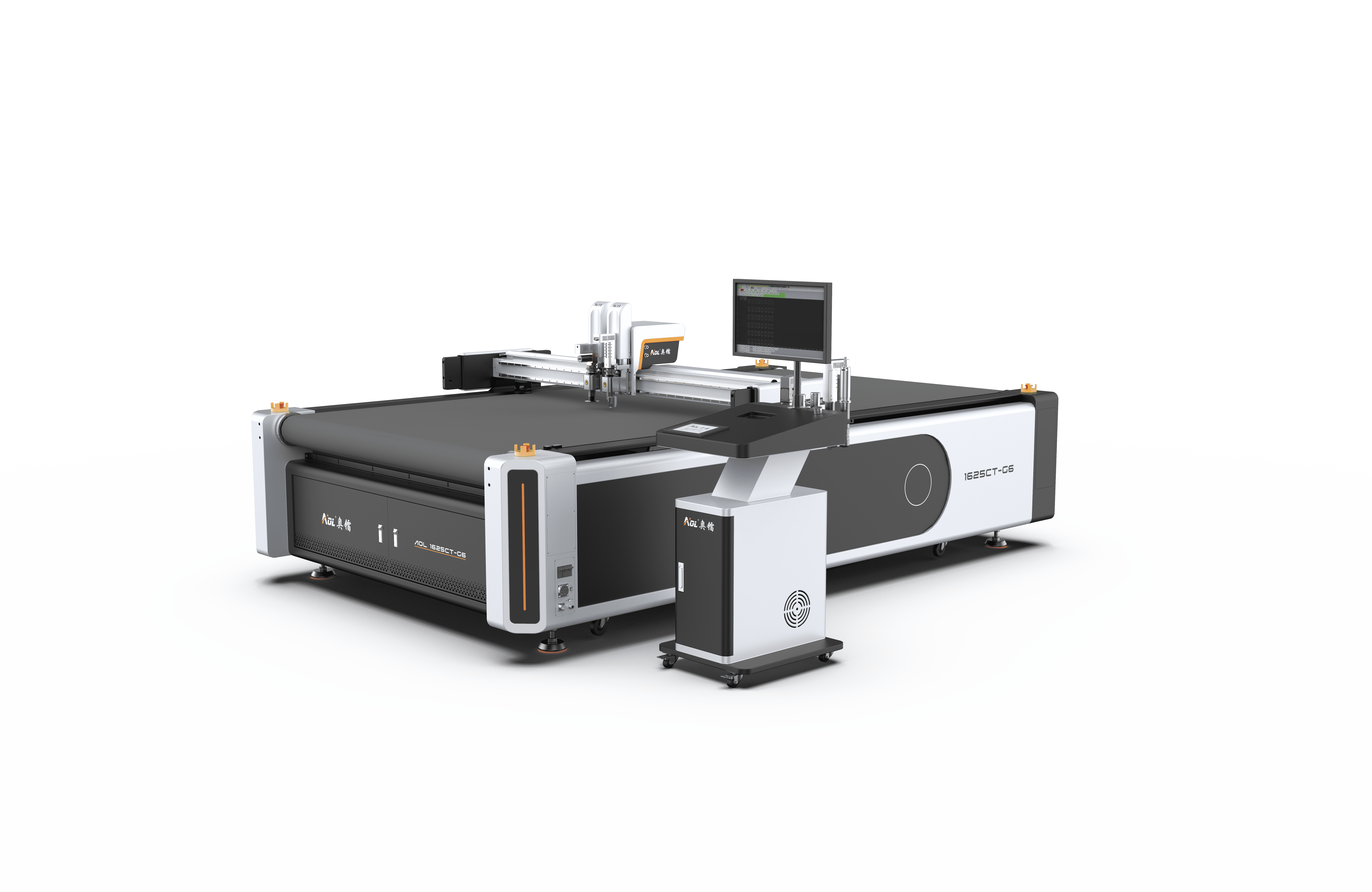
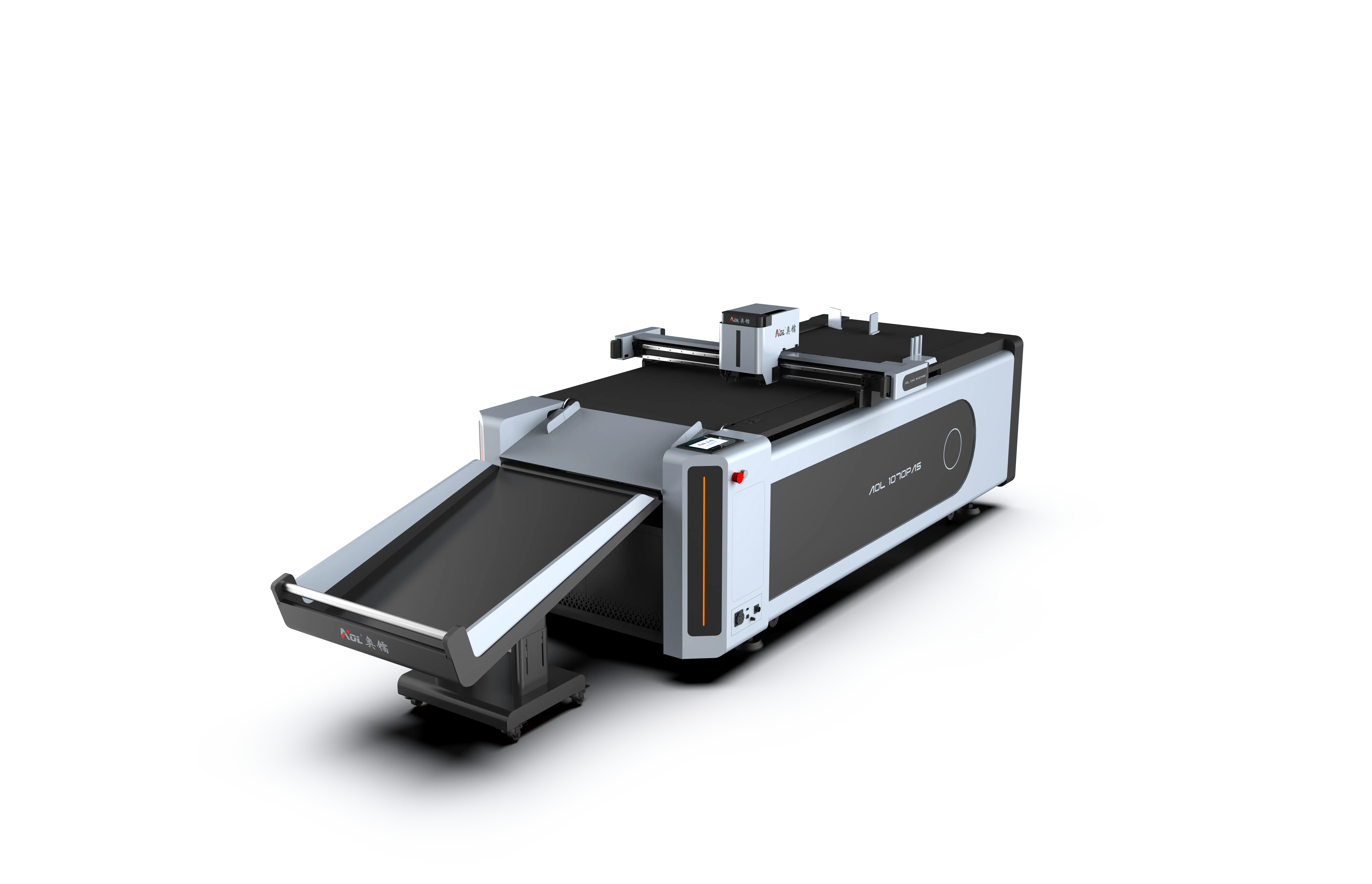
Against the backdrop of rapid transformation in today's manufacturing sector, the application prospects of optimal automated cutting machines have long transcended traditional apparel production, now permeating industries demanding high precision and efficiency. First, within the apparel and fashion industries, it is driving the implementation of rapid response manufacturing and on-demand production models. Brands can leverage automated cutting to respond to market trends within hours, enabling flexible production of small batches and diverse styles while significantly reducing inventory backlog. Simultaneously, high-end custom brands utilize its precision cutting capabilities to handle delicate fabrics like silk and lace, ensuring flawless reproduction of intricate patterns and achieving levels of accuracy unattainable by hand.
In automotive and aerospace, automated cutting machines have become core equipment for interior component manufacturing. Components like car seats, door panels, and headliners require thousands of perfectly identical pieces of leather, foam, or carbon fiber composites. Automated multi-layer cutting systems not only guarantee dimensional accuracy for each piece but also simultaneously process layered cutting of multiple materials, greatly enhancing production efficiency and material utilization. For flame-retardant, high-strength technical textiles used in aerospace seats and interiors, non-contact cutting methods like ultrasonic or laser cutting effectively prevent edge abrasion and thermal damage, meeting stringent safety standards.
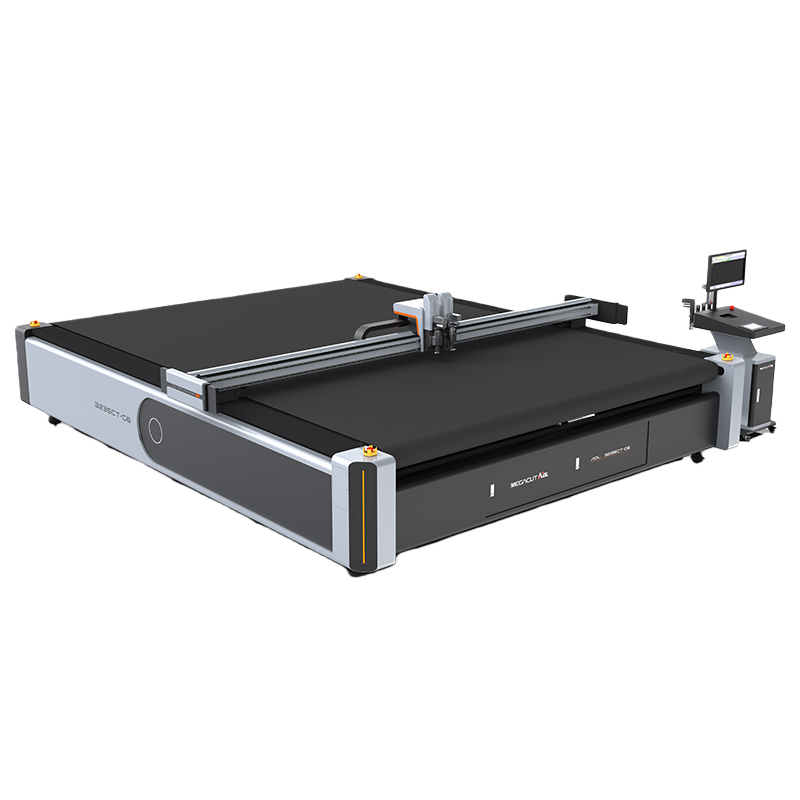
The furniture and interior decoration industries are similarly experiencing an automation upgrade wave. From sofa fabrics to mattress composite layers, high-speed automatic cutting machines with large widths enable mass customization—consumers can select preferred fabrics and styles, while factories can cut individual products without interruption. This approach retains the flexibility of handmade customization while gaining the cost advantages of scaled production. This capability is reshaping the competitive landscape of traditional furniture manufacturing.
The rise of technical textiles and industrial composites further expands the application boundaries of automated cutting machines. High-tech fabrics like geotextiles, medical nonwovens, protective clothing, and filtration materials demand extreme precision and material integrity. Traditional manual cutting often leads to frayed edges or contamination. Automated cutting equipment employs intelligent vision recognition and optimized cutting path algorithms to ensure the mechanical properties and cleanliness of every functional material piece, providing reliable support for infrastructure, healthcare, and environmental industries.
Small and medium-sized enterprises (SMEs) and individual creators also benefit from automation technology's widespread adoption. Compact, desktop-sized, cost-effective automatic cutting tables are rapidly entering small workshops, independent designers, and e-commerce sellers' hands. This empowers them to handle orders previously achievable only by large factories. The rise of this “maker economy” lowers entrepreneurial barriers and sparks the creation of more personalized, customized creative products.

 EN
EN