
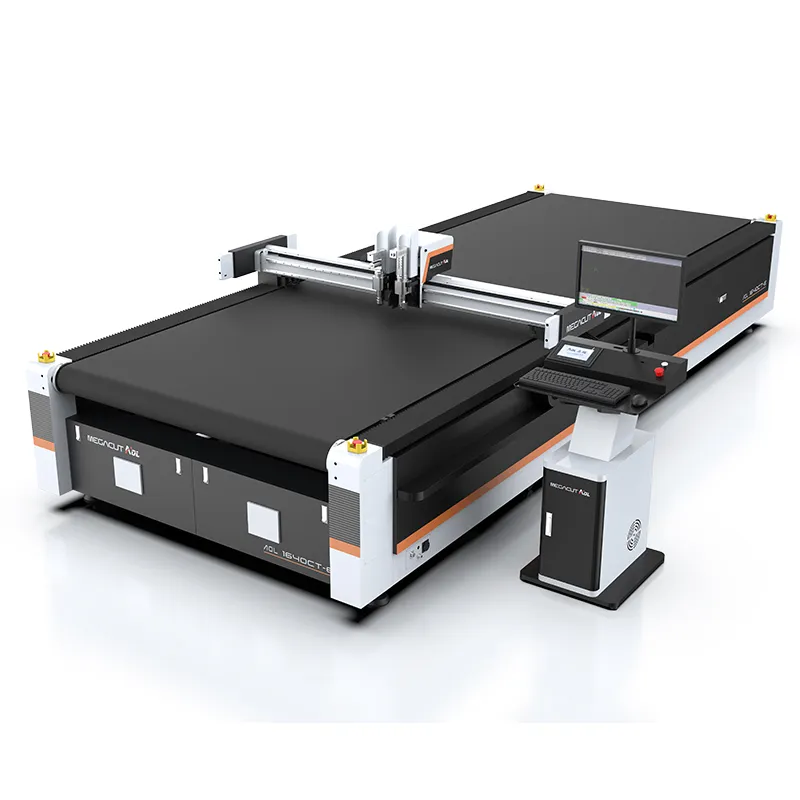
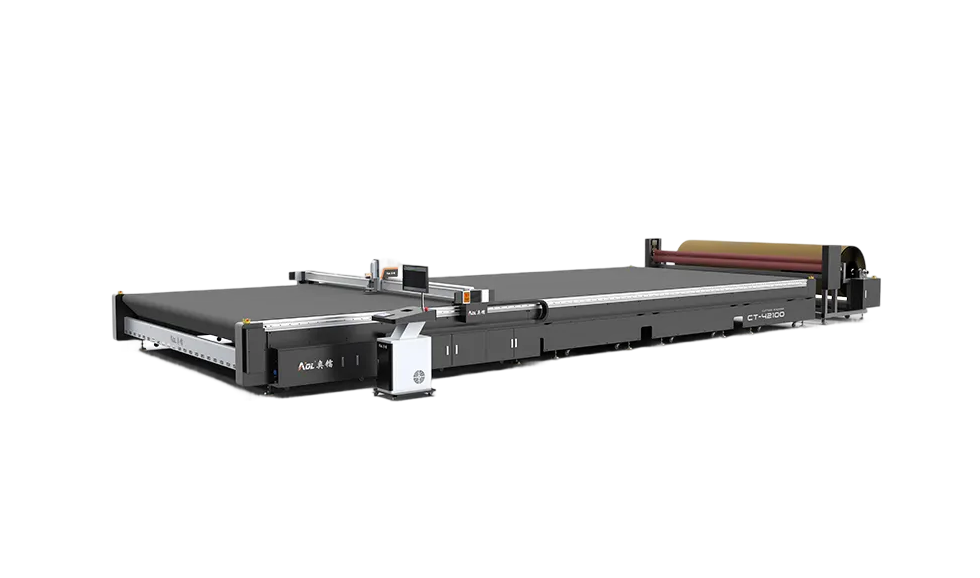
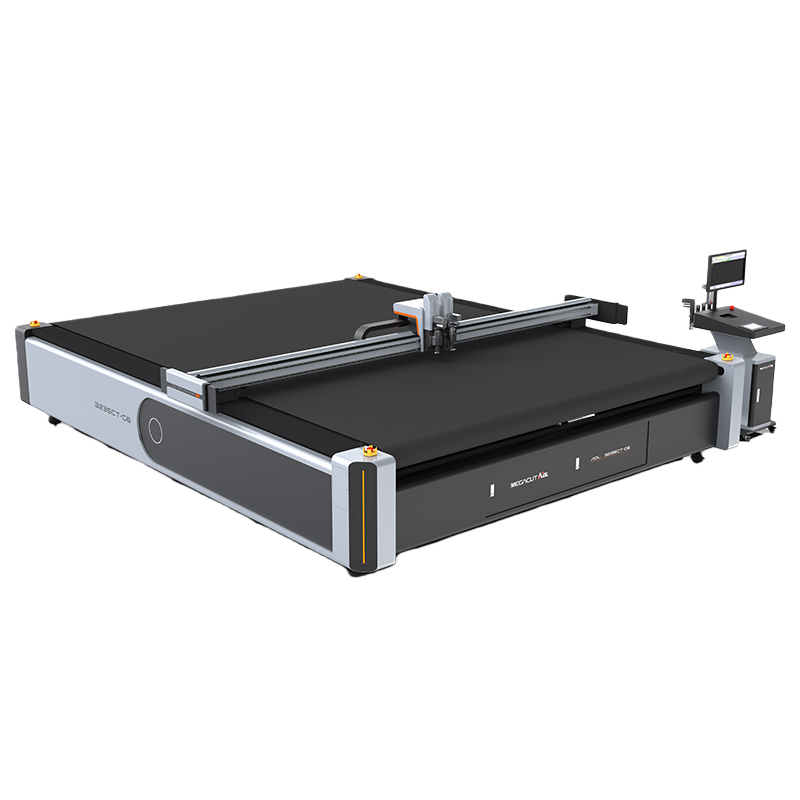
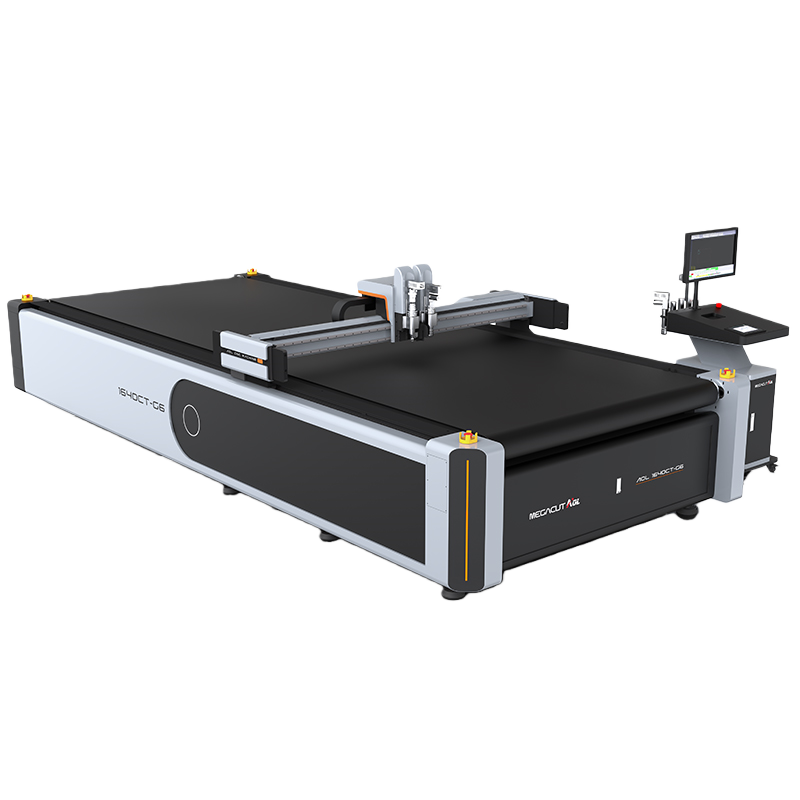
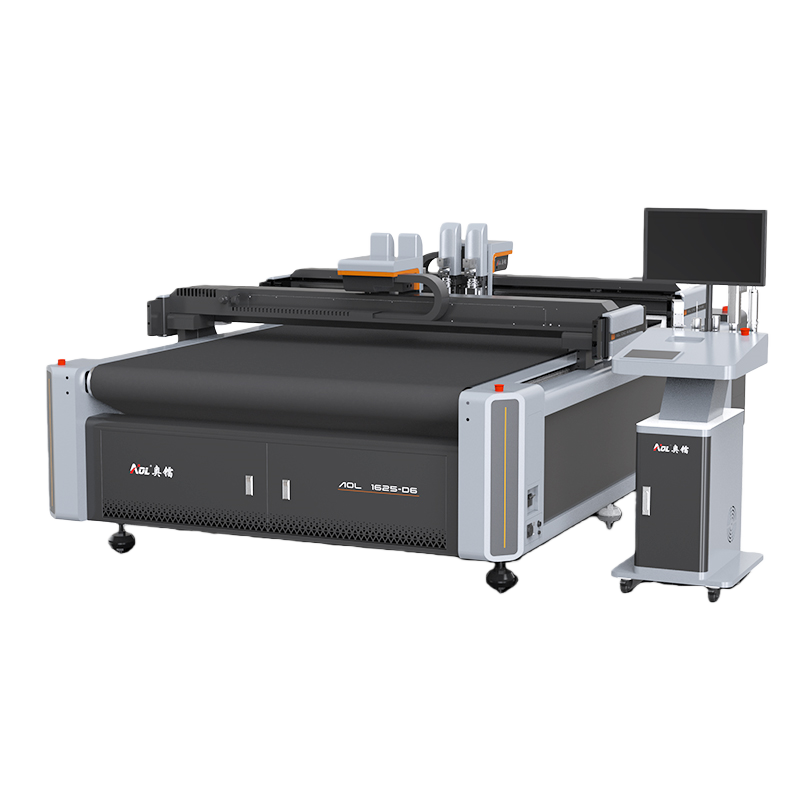

In the world of leather craftsmanship and manufacturing, the unique nature of the material dictates the importance of tools—leather is not only costly but also the crystallization of time and artisanal dedication. Precisely for this reason, finding the most suitable machine for leather cutting is no longer merely an equipment purchase, but a profound transformation concerning creative freedom and production efficiency. The core significance of such products lies in their successful establishment of a bridge connecting traditional craftsmanship with modern industry. For ages, artisans have been forced to make painful choices between the slow precision of pure handwork and the costly inflexibility of industrial molding. Today, a top-tier cutting machine empowers users with industrial-grade precision while preserving the soul of handmade craftsmanship, enabling even small workshops to achieve mass production standards.
Economically speaking, investing in high-quality cutting equipment is the most direct form of respect and protection for raw materials. As a natural material, leather is costly and has an extremely low margin for error; a single mistake during manual cutting can render an entire hide unusable. Advanced cutting technology, however, utilizes precise computational and layout algorithms to optimize patterns before cutting, maximizing the utilization of every inch of leather and drastically reducing waste. This precision translates not only to financial savings but also embodies a sustainable production approach, enhancing the value of every creation. Simultaneously, it liberates designers' imagination entirely, enabling flawless reproduction of patterns featuring complex curves, intricate cutouts, or minute perforations. By overcoming the physical limitations of manual labor, it ensures design complexity no longer hinders production.