
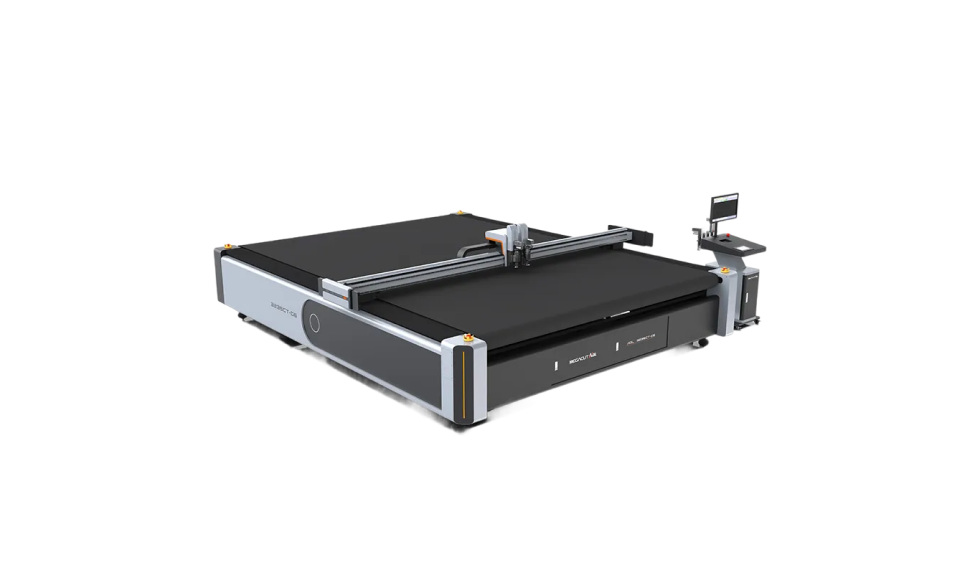
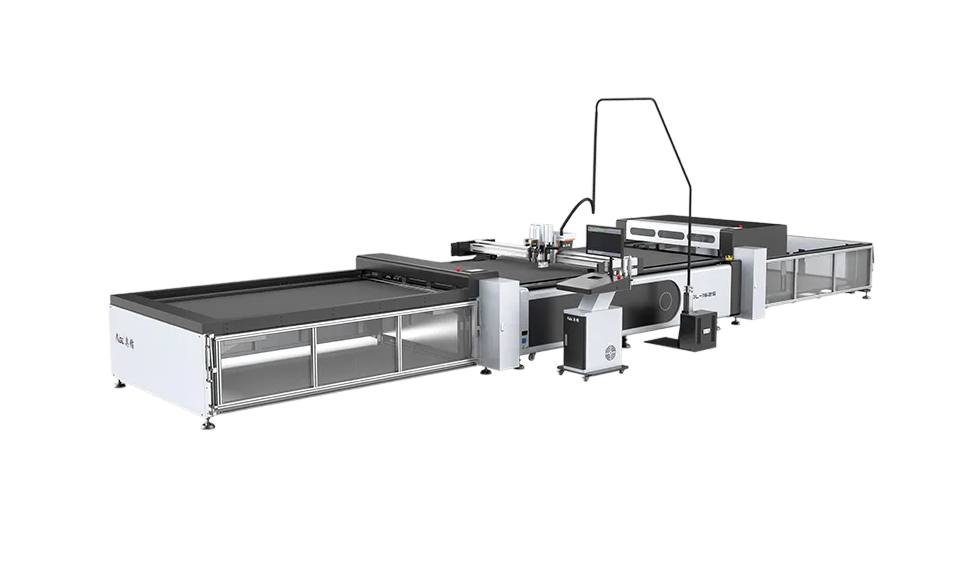

In the market, there are hundreds of distributors and private-label brands, but only a handful of top-tier factories truly master core technologies. For B2B buyers, partnering directly with the best factories means gaining control over the supply chain—from customizing specific blade tools and adjusting pressure settings to branding reliable hardware while bypassing markups from middlemen. For end-users, understanding a factory's background builds trust, ensuring future access to replacement parts like blades and cutting mats, along with the factory's commitment to post-sales support for manufacturing tolerances.
Digital cutting has long transcended paper and cardstock. Top factories produce equipment capable of handling magnetic stickers, heavy cardstock, fabrics, and even lightweight wood. The mechanical integrity of these machines—featuring high-torque stepper motors and hardened steel drive shafts—directly determines cutting precision, preventing material damage from “ghost cuts” and saving time and costs. Moreover, the term “factory” itself implies scale. Unlike retail brands, factories deliver economies of scale, ensuring that ten machines purchased by an educational institution or production workshop perform identically. This consistency is vital in profit-driven production environments reliant on equipment uptime.