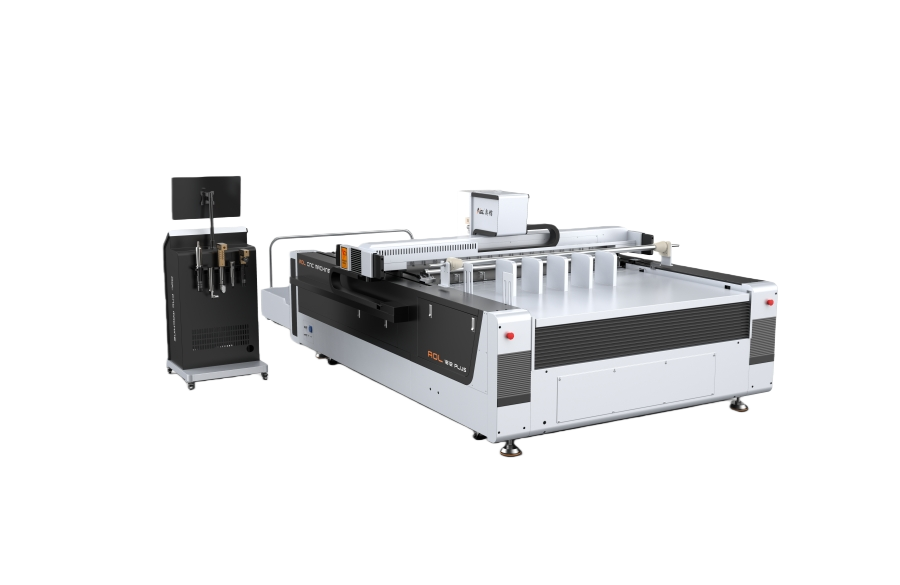
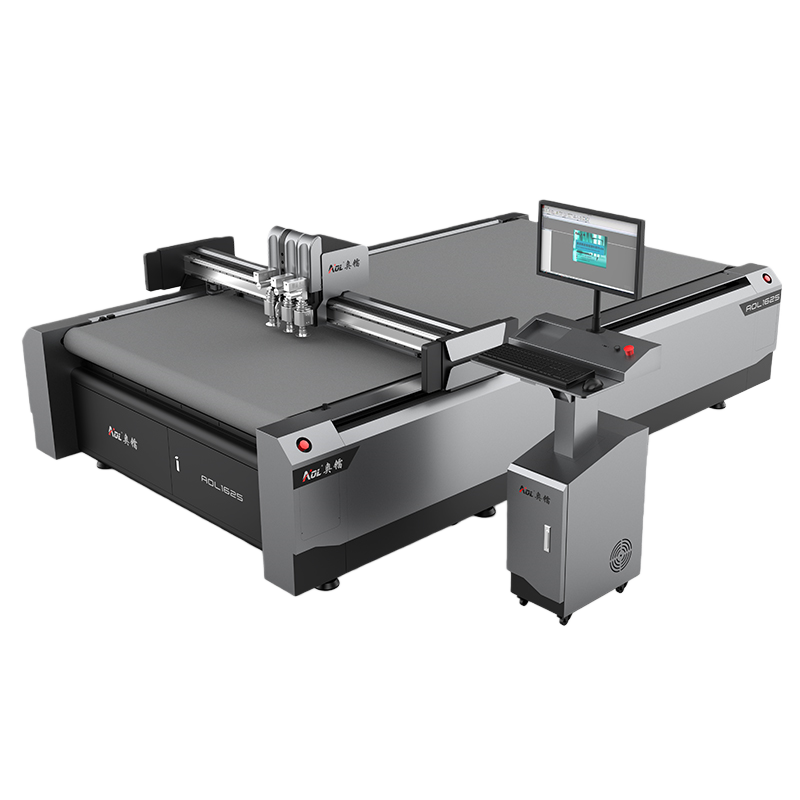
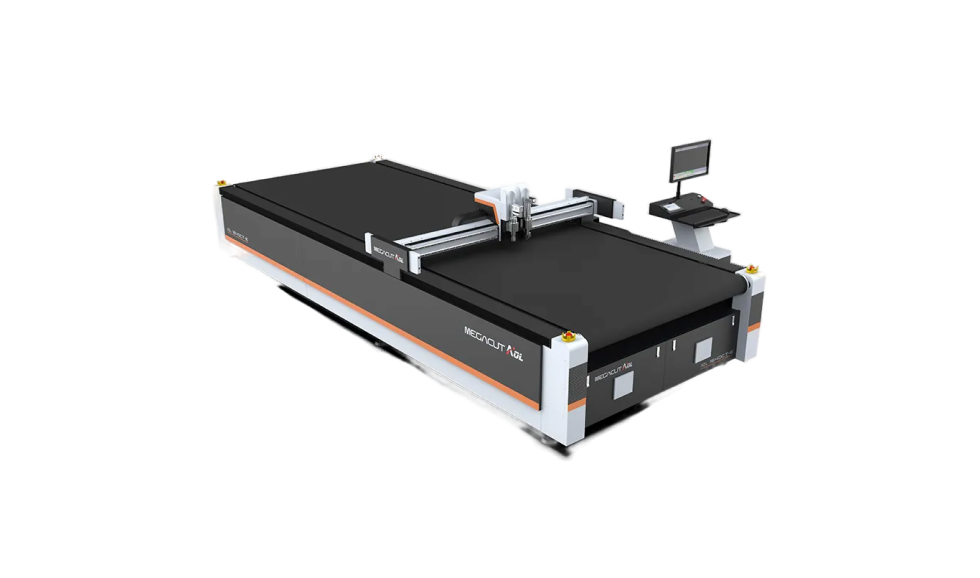
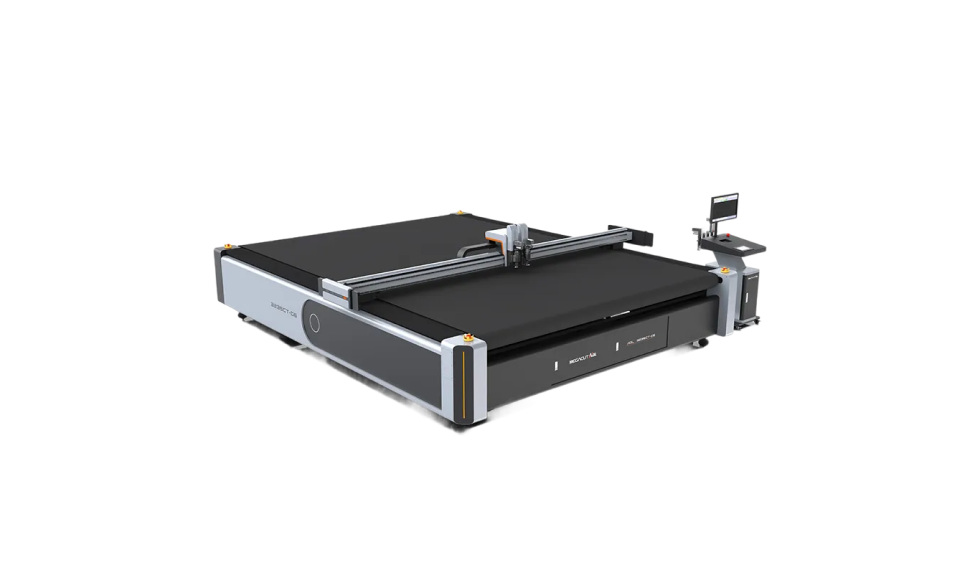
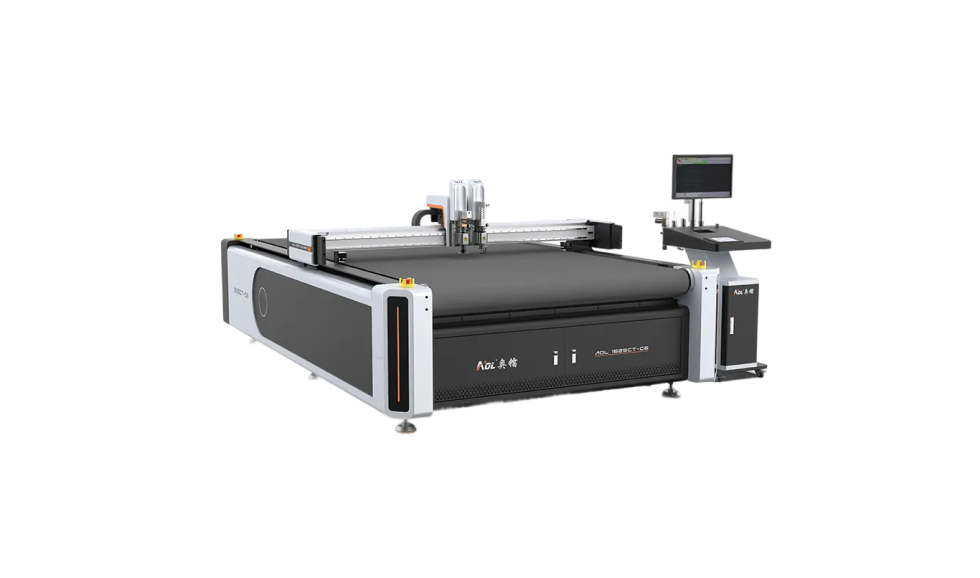
In today's fiercely competitive textile and composite materials industry, selecting the right digital fabric cutting machine manufacturer is far more crucial than simply purchasing a piece of equipment. It's not just about acquiring hardware; it's about bringing a long-term technical partner into your production line. When businesses upgrade from manual cutting or semi-automated equipment, partnering with top manufacturers means gaining tailored solutions. Whether handling delicate silk or high-strength technical textiles, precision, efficiency, and long-term reliability are assured.
The significance of digital fabric cutting systems manifests across three core dimensions: First, it dramatically improves material utilization. Advanced optimization algorithms reduce waste by 15% to 20% compared to manual cutting—a critical advantage amid rising raw material costs. Second, automation significantly boosts production efficiency and optimizes labor allocation. A single digital cutter handles the workload of multiple manual cutters, freeing skilled workers to focus on high-value tasks like quality control. Finally, it guarantees cutting precision and consistency. Regardless of production batch size, every cut piece strictly adheres to design specifications, thereby safeguarding brand image and eliminating rework.
Determining whether a manufacturer qualifies as “best-in-class” requires evaluating four dimensions: material adaptability (capability to process woven, knitted, composite, and other fabrics), software ecosystem and integration capabilities (seamless compatibility with existing CAD/ERP systems), equipment build quality and lifespan (suitability for 24/7 continuous industrial operation), and after-sales support with spare parts availability (rapid response capability during malfunctions). These factors collectively determine whether equipment can truly generate long-term value for enterprises.
Current market leaders each possess distinct strengths. For instance, Bullmer—renowned for German engineering and U.S.-based service—excels in technical composites and automotive interiors; Gerber Technology, with its long heritage, dominates fast-fashion apparel brands through high-speed, low-layer cutting systems; Eastman Machine Company, leveraging over 130 years of expertise, holds significant ground in furniture and heavy industrial fabrics; Meanwhile, Chinese manufacturers like Golden Laser and Jinan Penn attract numerous SMEs seeking automation within moderate budgets through their high cost-performance ratios and knitwear solutions.
Looking ahead, leading manufacturers are integrating artificial intelligence (such as automatic defect detection and bypassing), Industry 4.0 technologies (real-time equipment monitoring and predictive maintenance), and energy-efficient, eco-friendly designs into next-generation products, propelling the entire industry toward smarter, more sustainable practices.
If your business is considering upgrading its cutting operations, engage in thorough discussions with suitable manufacturers based on your specific material types and production scale. Professional partners can provide detailed ROI analyses and customized recommendations to help you take that crucial step toward automation.
Regarding common questions, the payback period for automated cutting equipment typically ranges from 12 to 24 months for most companies, depending on current labor costs and material waste levels. For delicate fabrics like silk or lace, top manufacturers design equipment with adjustable speeds and specialized blades to completely prevent pulling or damage. Regarding software compatibility, most systems support industrial standard formats such as DXF and HPGL, ensuring seamless integration with existing design tools.

 EN
EN