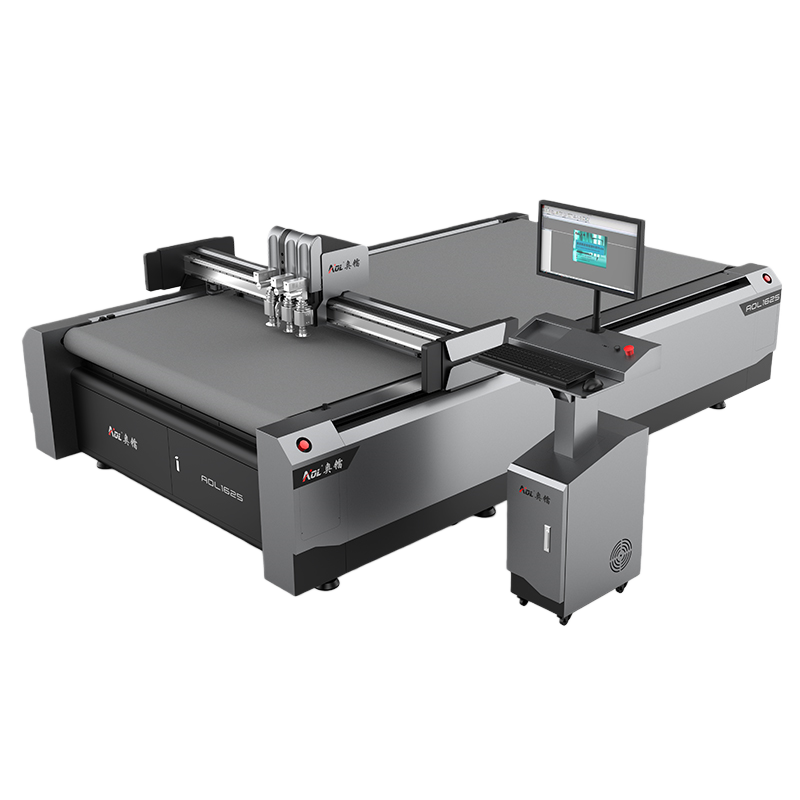
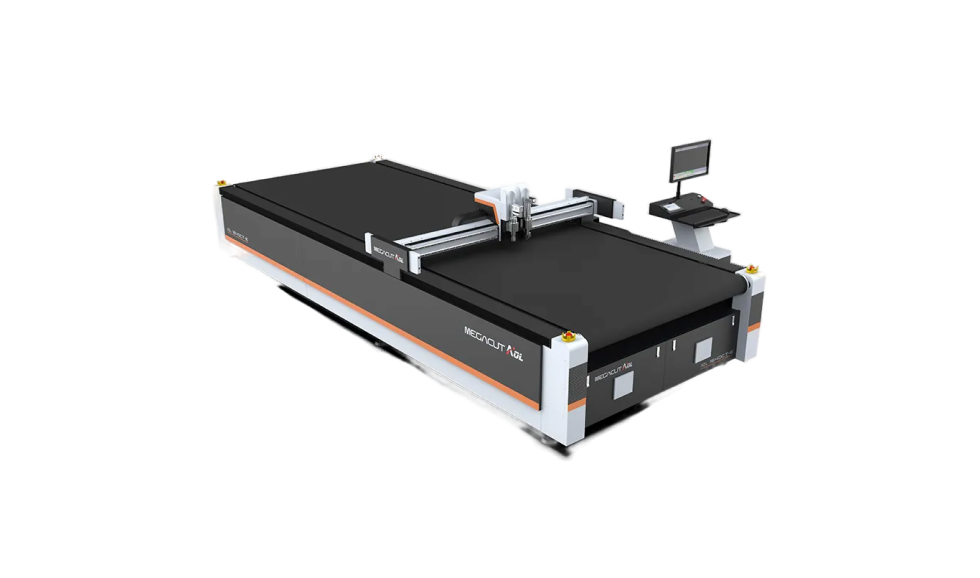
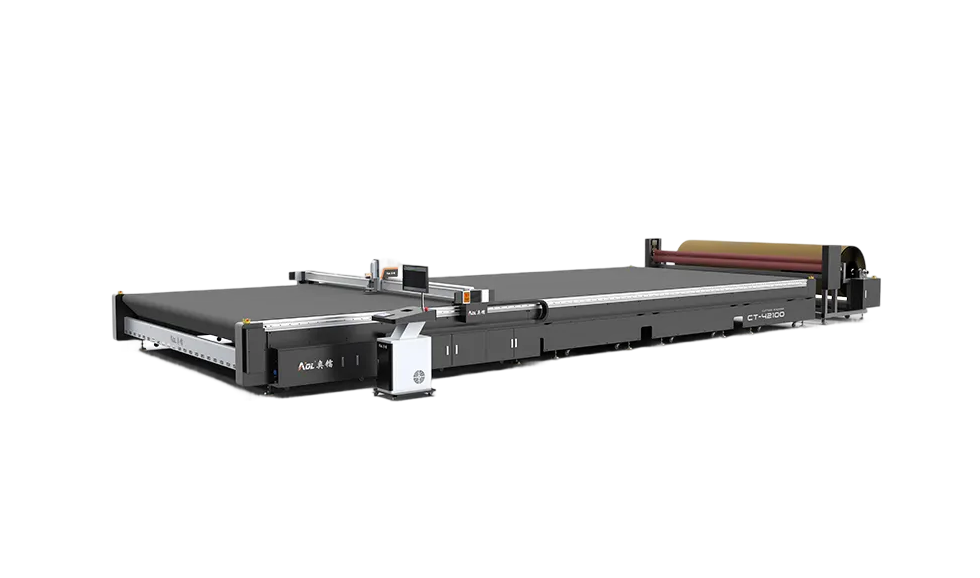
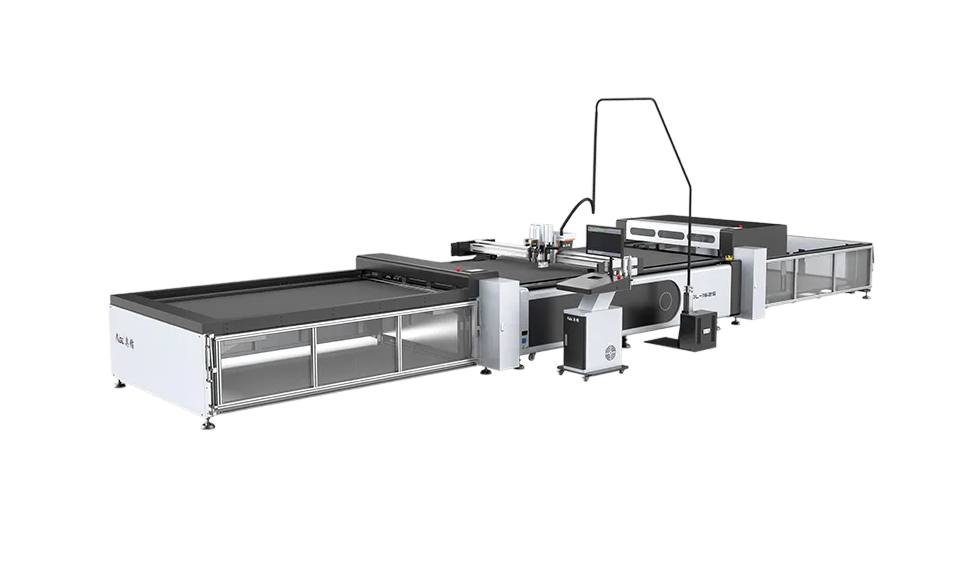
In modern manufacturing, construction, and woodworking, panel saws have long transcended the category of mere “tools”; they are essentially the operational heart of a workshop or factory. From an economic perspective, their core value lies in achieving ultimate material optimization. Unlike manual cutting reliant on experience, a high-precision panel saw maximizes the utilization rate of precious large-format plywood, MDF, or hardwood. It drastically reduces waste caused by measurement errors or blade wobble, transforming “waste” into “profit.” Simultaneously, the automation capabilities of such equipment free skilled workers from tedious basic cutting tasks, allowing them to focus on higher-value-added precision craftsmanship. This significantly boosts output value without increasing labor costs.
In terms of quality, panel cutting machines determine a product's final appearance and market competitiveness. Industrial-grade equipment typically features scoring capabilities, creating a shallow groove on veneer or laminate before the main blade cuts through. This completely eliminates chipping and tearing, resulting in mirror-smooth edges that require no secondary trimming and can proceed directly to edge banding. For industries demanding high precision, such as kitchen cabinets and panel furniture, this consistent cutting accuracy (with tolerances controlled within millimeters) forms the technical foundation for building brand reputation and achieving scalable production.
Moreover, the importance of panel cutting machines extends equally to both efficiency and safety dimensions. In busy workshops, cutting stations often become bottlenecks constraining overall progress. Equipped with programmable pushers and smooth sliding work tables, modern cutting machines can process large panels at speeds ten times faster than manual labor. This enables a truly flexible “on-demand production” model, reducing space occupied by semi-finished goods. More significantly, it fundamentally improves the working environment for employees. Mechanized feeding reduces the risk of muscle strain from handling large panels, while powerful dust collection systems capture harmful wood dust at the source, ensuring clean workshop air and demonstrating long-term care for worker health.
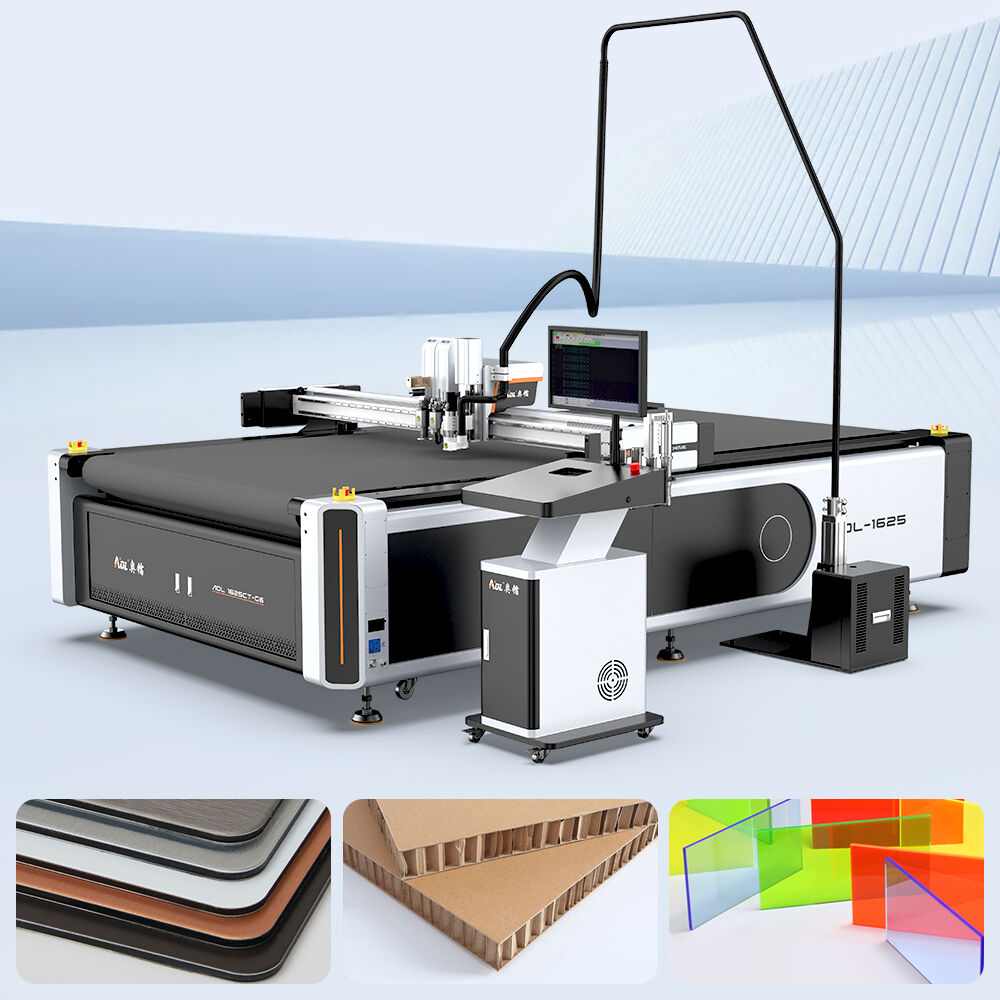
Finally, the definition of contemporary panels is continually expanding, highlighting the cross-material adaptability of advanced cutting machines. Whether handling acrylic and aluminum composite panels for advertising or insulation foam boards for building exteriors, a high-performance panel cutter effortlessly adapts by adjusting blade speed and changing tooth profiles. It transcends being merely a woodworking machine, serving as a bridge between creative design and tangible execution. This versatility empowers workshops to take on a broader range of orders.

 EN
EN