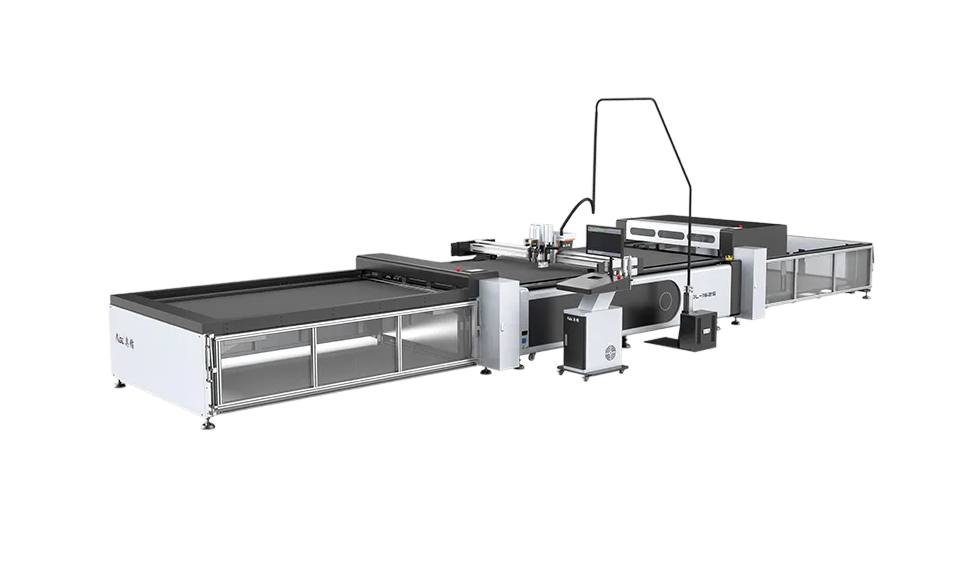
Within the intricate framework of modern supply chains, the case opener transcends the role of a simple tool to become a strategically vital asset. Situated at the intersection of worker safety, operational efficiency, and brand reputation, it profoundly impacts both corporate profitability and public image.
Its most significant value often lies in safeguarding human resources. In warehouse and retail backrooms, manual blades have long been a primary cause of workplace injuries. A momentary lapse while handling reinforced cardboard boxes can lead to hand or bodily injuries. By fully enclosing blades or employing automated operation, box openers eliminate this risk at its source. This equipment not only drastically reduces injuries caused by the habit of “cutting toward oneself” but also minimizes repetitive strain injuries. Consequently, it helps businesses lower workers' compensation payouts and reduce employee absenteeism.
In today's environment of shrinking profit margins and rising labor costs, time translates directly into money. The receiving area often represents the first bottleneck in high-volume e-commerce fulfillment centers. If workers must expend considerable effort wrestling with overloaded cartons or industrial tape, the cumulative time lost translates into significant productivity losses. An efficient case opener can complete the cutting process in an instant, processing a carton in a fraction of the time. This enables you to process more incoming shipments with the same staffing levels or redeploy valuable labor to higher-value tasks like packaging and shipping.
Moreover, the most hidden cost of manual box opening lies in “product scratches.” When workers insert blades into cartons, they often damage internal products due to uncontrolled force—scratching electronics or puncturing vacuum-sealed bags. These minor damages often go unnoticed until the end customer opens the package, leading to negative experiences and costly returns. Modern box openers, equipped with precise depth control technology, cut only the tape and cardboard without touching the contents, ensuring inventory remains intact from receiving to shipping.
Finally, box openers contribute to material handling and sustainability. Their clean, straight cuts allow cardboard to flatten easily for stacking, significantly saving space during landfill disposal or recycling. Flattened cardboard reduces waste haul frequency, keeps warehouse environments tidier, and provides higher-quality raw materials for recycling processes.
In summary, as supply chains accelerate, case openers have evolved from a luxury to an essential tool. By safeguarding personnel, preserving product integrity, and eliminating manual inefficiencies, they have become critical to ensuring the seamless flow of operations throughout the entire supply chain.

 EN
EN