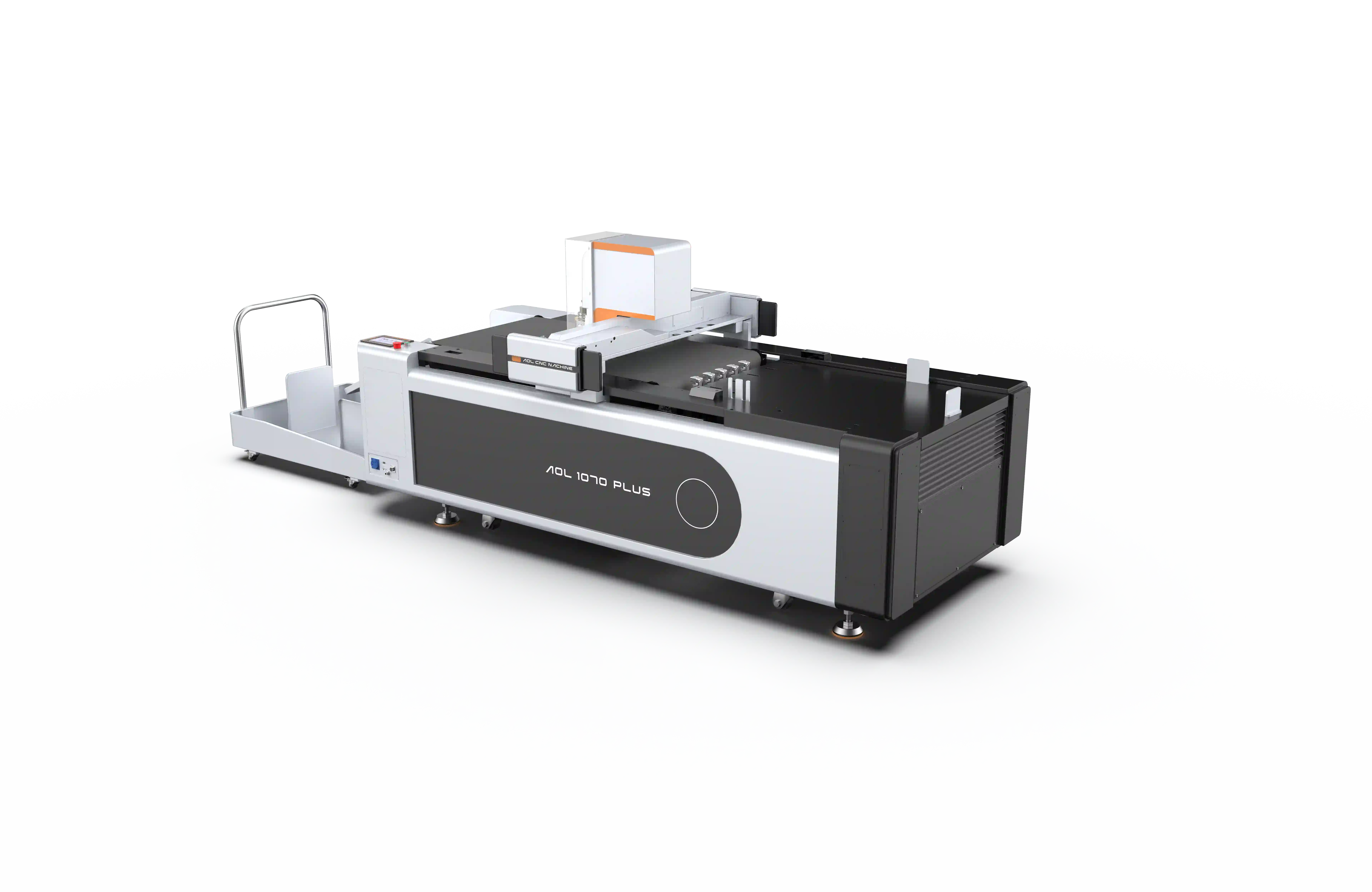
In the realm of advanced composites, carbon fiber cloth is far from ordinary fabric—it represents a high-value engineering asset. Priced typically between $15 and $50 per square yard (with aerospace-grade prepregs commanding even higher costs), material waste is not merely a minor loss but a direct hit to corporate profits. Consequently, the equipment used to cut this material is not just a tool but a critical gateway controlling profitability, product quality, and production speed.
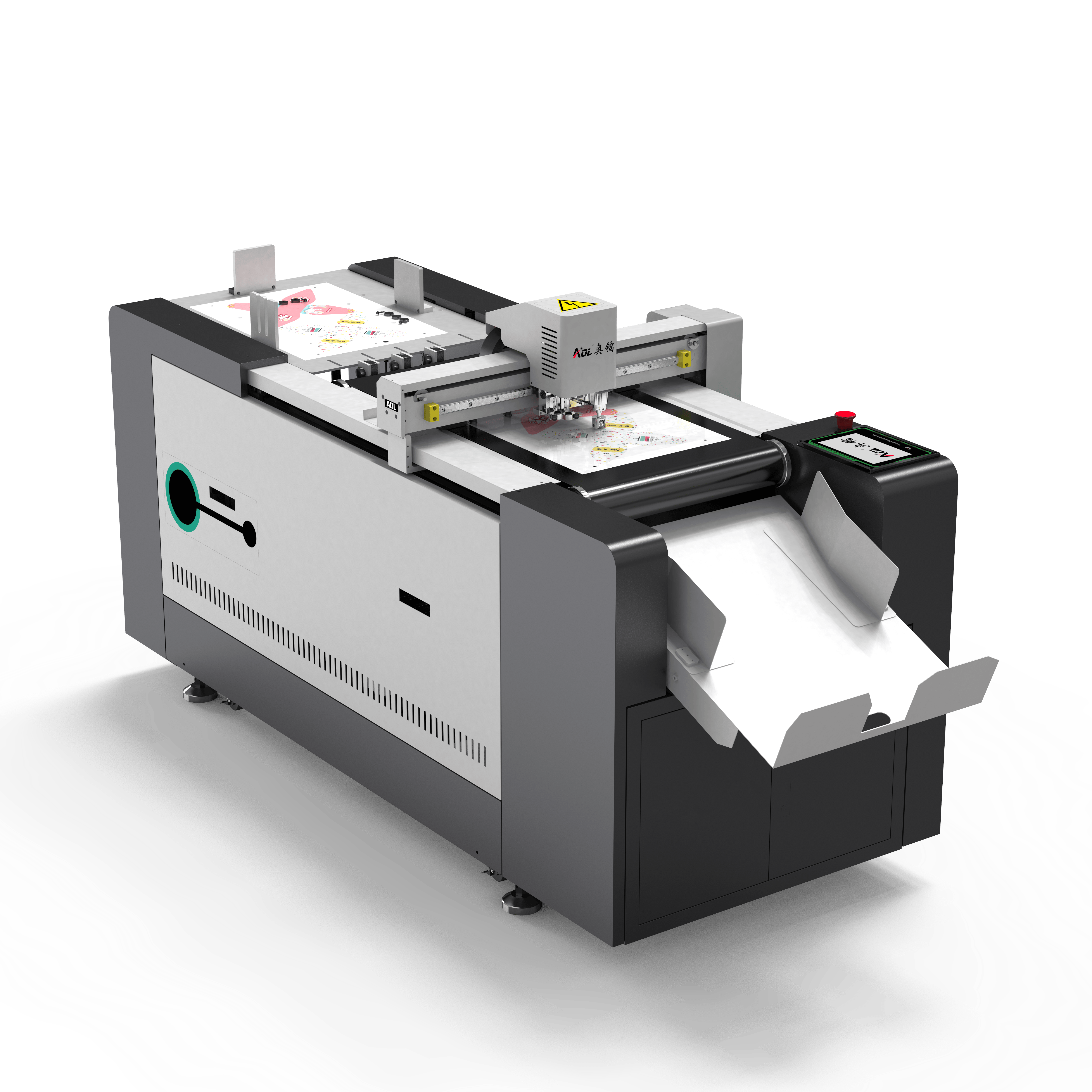
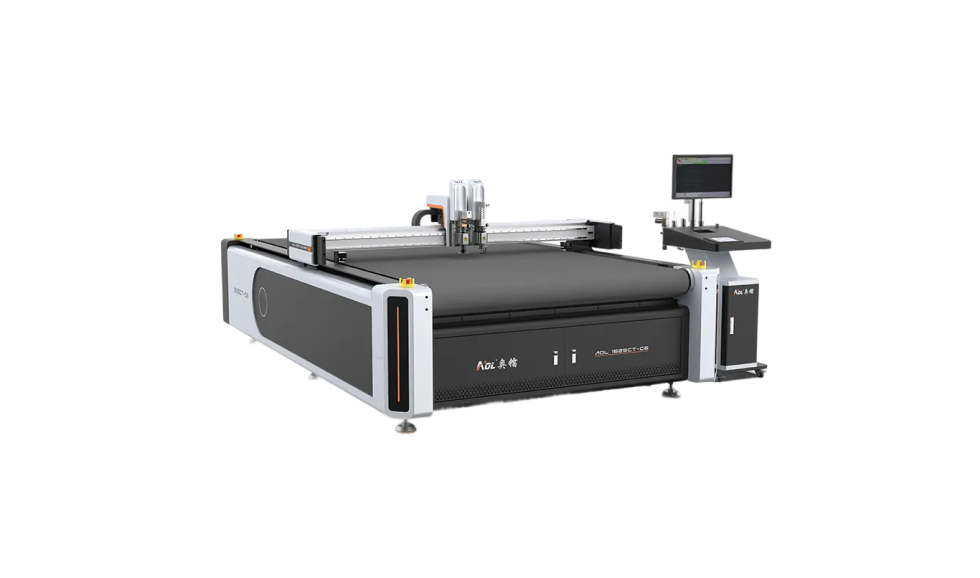
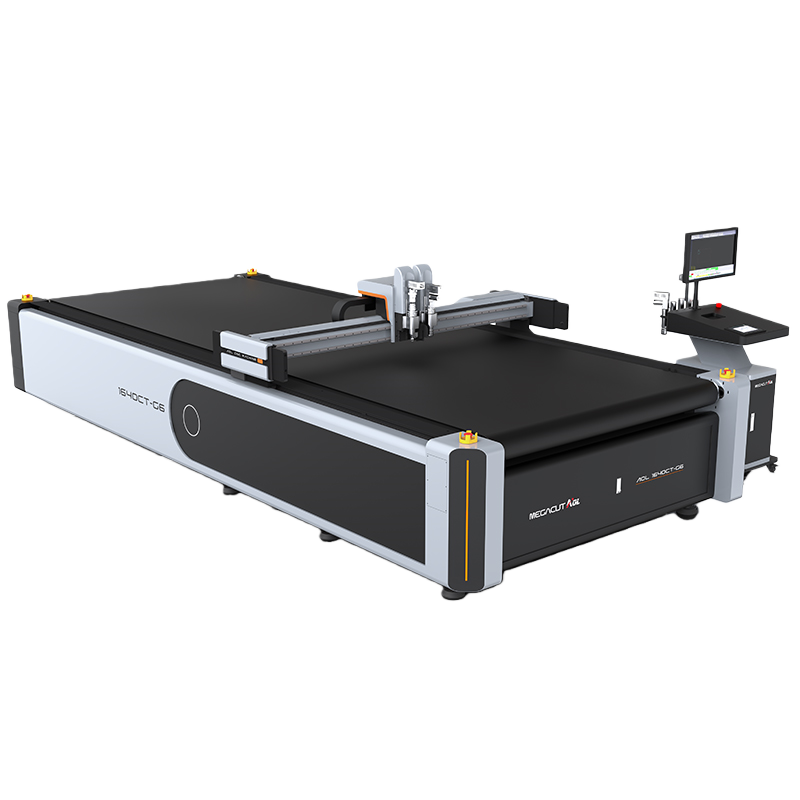
The core significance of carbon fiber fabric cutters lies in their precise balancing of three critical demands: production speed, engineering precision, and cost control. First, from an economic perspective, standard cutting blades or manual shears cause fiber compression and deformation when handling carbon fiber, resulting in poor cutting accuracy. Specialized cutting machines, equipped with advanced nesting software, can arrange complex shapes like puzzle pieces, significantly boosting material utilization from 60-70% with manual methods to 85-95%. This means the equipment often recoups its cost within months by reducing waste, directly increasing the company's net profit.
Second, regarding quality assurance, carbon fiber's woven structure makes it highly susceptible to frayed or “fuzzy” edges during cutting. Improper methods like thermal lasers (which ablate resin) or dull blades can cause the weave to unravel. High-end cutters employ ultrasonic or oscillating blade technology, severing fibers cleanly with tens of thousands of high-frequency vibrations per second while sealing edges through friction heat. These clean edges are essential for meeting aerospace standards and ensuring the structural integrity of final components.
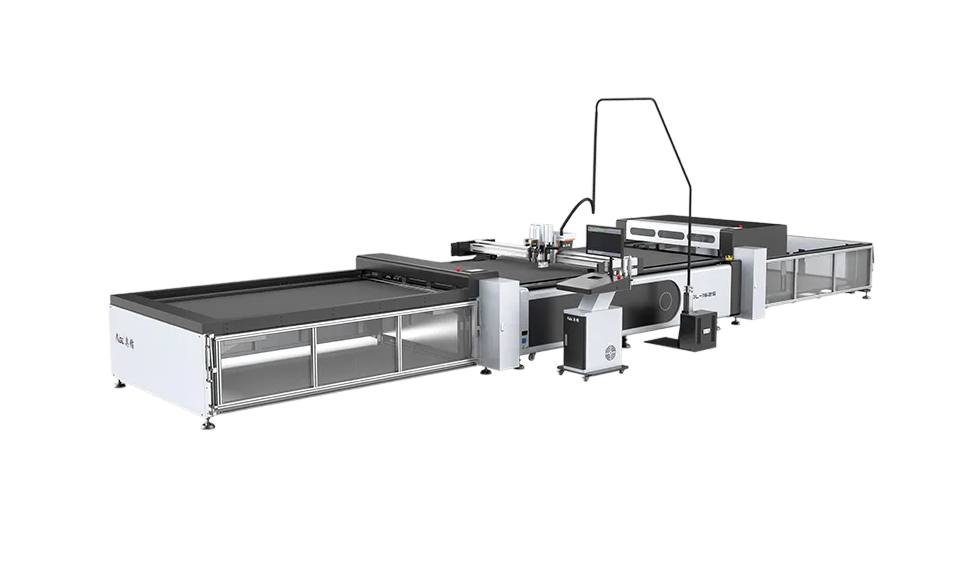
Furthermore, the proliferation of specialized equipment significantly impacts production safety and scalability. Manual cutting of carbon fiber generates micron-level dust and sharp fibers that irritate skin and respiratory tracts. Modern models typically integrate HEPA filtration and dust collection systems, enabling automated enclosed cutting that keeps operators away from hazards and complies with strict occupational safety regulations. Simultaneously, as demand for lightweight components surges in drones and new energy vehicles, CNC-controlled cutters can operate continuously 24/7, processing multiple layers of fabric at once. This helps manufacturers transition seamlessly from prototyping to mass production, preventing bottlenecks in the layup line.

 EN
EN