
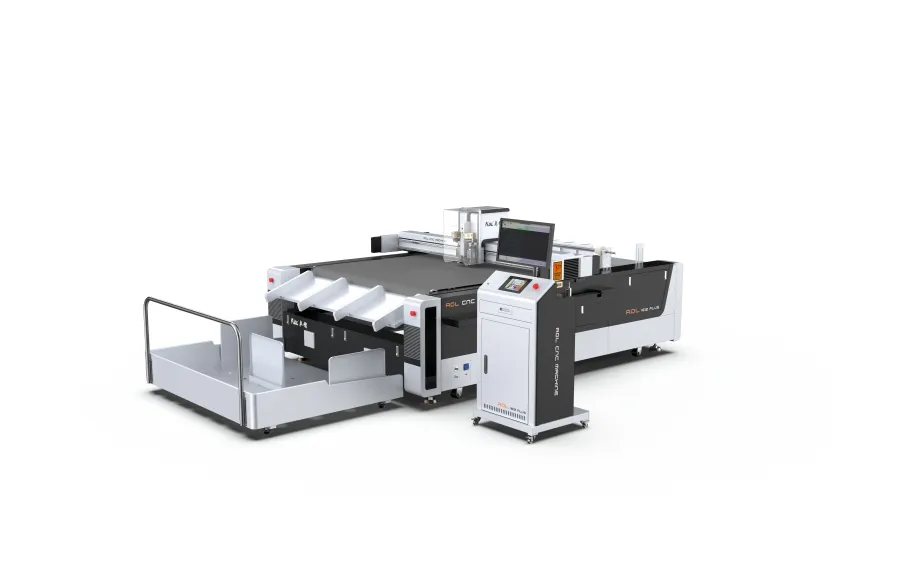
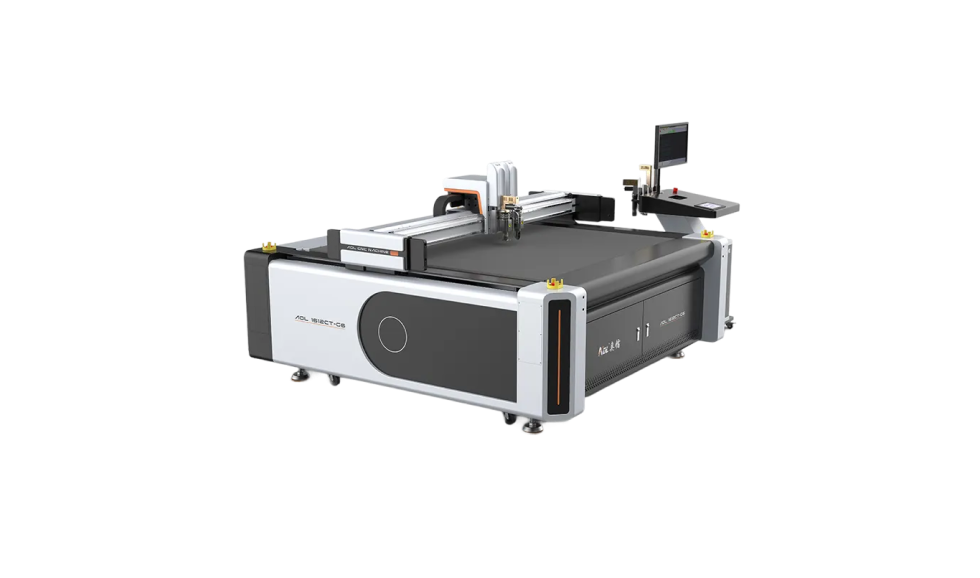
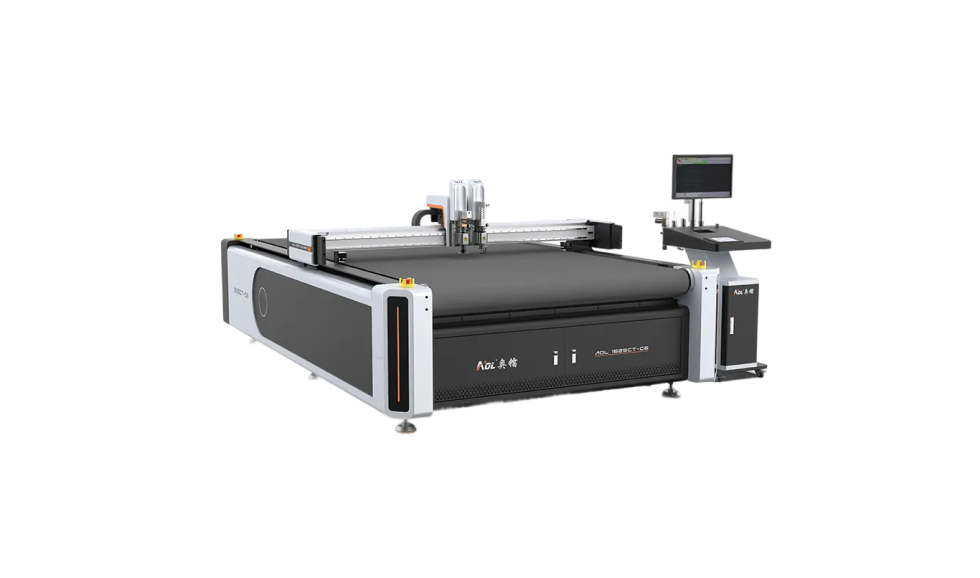
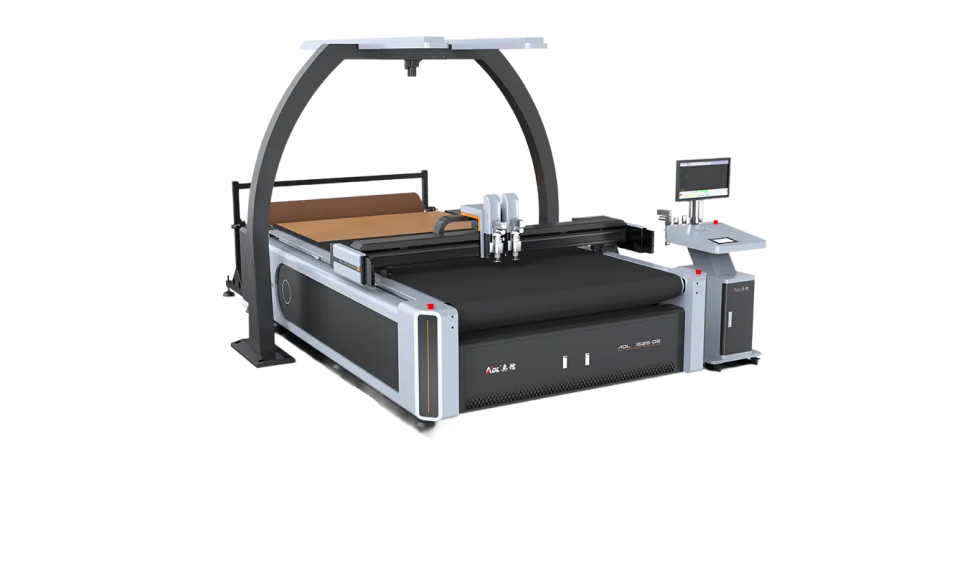
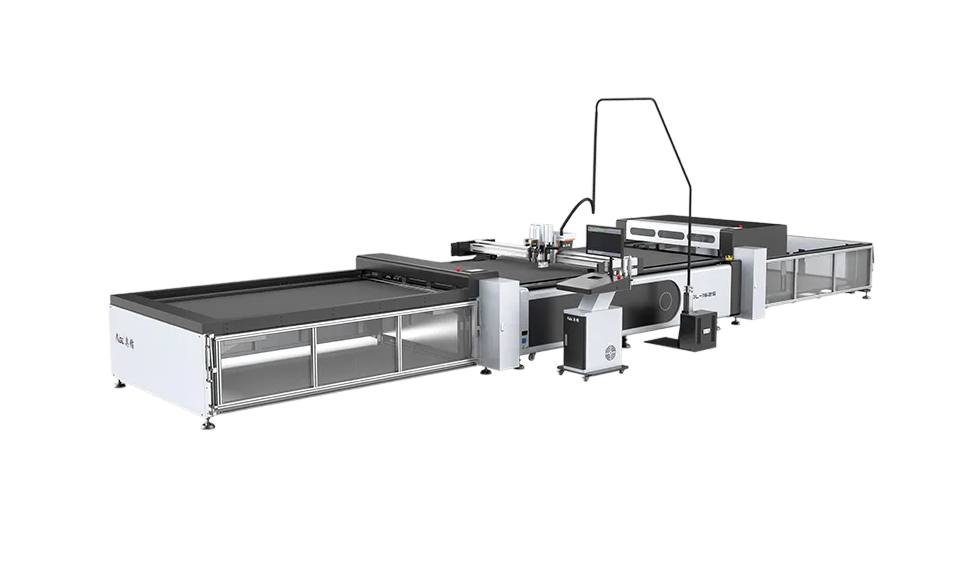
Carbon fiber cutting machines are not merely simple industrial tools but indispensable core equipment in modern advanced manufacturing. With the global surge in demand for lightweight materials, particularly in aerospace and new energy vehicles, carbon fiber composites are highly favored for their exceptional strength-to-weight ratio. However, this material itself exhibits high abrasiveness and brittleness. Cutting it with traditional metalworking equipment easily causes delamination or burrs, thereby compromising its structural integrity. The primary significance of carbon fiber cutting machines lies in their precise resolution of this technical bottleneck. By employing ultrasonic high-frequency vibrating blades or laser technology at specific wavelengths, these specialized devices achieve non-contact cutting while simultaneously sealing material edges. This fundamentally eliminates fiber tearing and delamination, ensuring the reliability and safety of final components under extreme operating conditions.
From a broader industrial perspective, carbon fiber cutting machines are the unsung heroes driving the large-scale commercialization of the “lightweighting revolution.” In automotive manufacturing and wind turbine blade production, weight reduction directly translates to lower carbon emissions and enhanced energy efficiency. Without cutting equipment capable of high-speed, automated production, the manufacturing costs of carbon fiber products would remain prohibitively high, failing to meet the mass-market demand for scale. Modern intelligent cutting systems integrate advanced nesting software that maximizes every inch of expensive carbon fiber material like a jigsaw puzzle, typically saving companies up to 30% in material costs. This significant economic improvement enables manufacturers to produce lightweight automotive bodies, high-pressure hydrogen storage tanks, and high-strength aircraft structural components with unprecedented efficiency.