
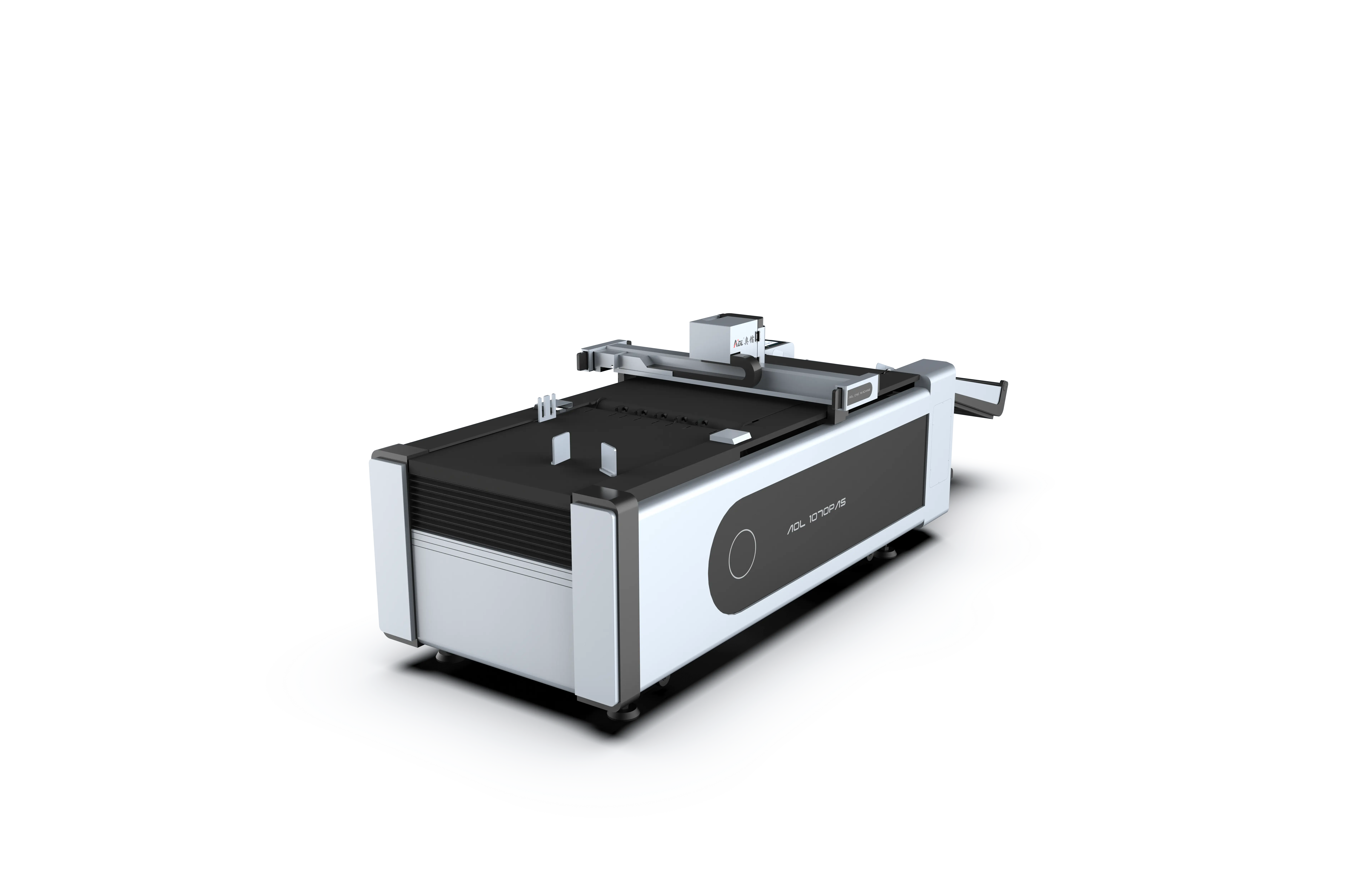
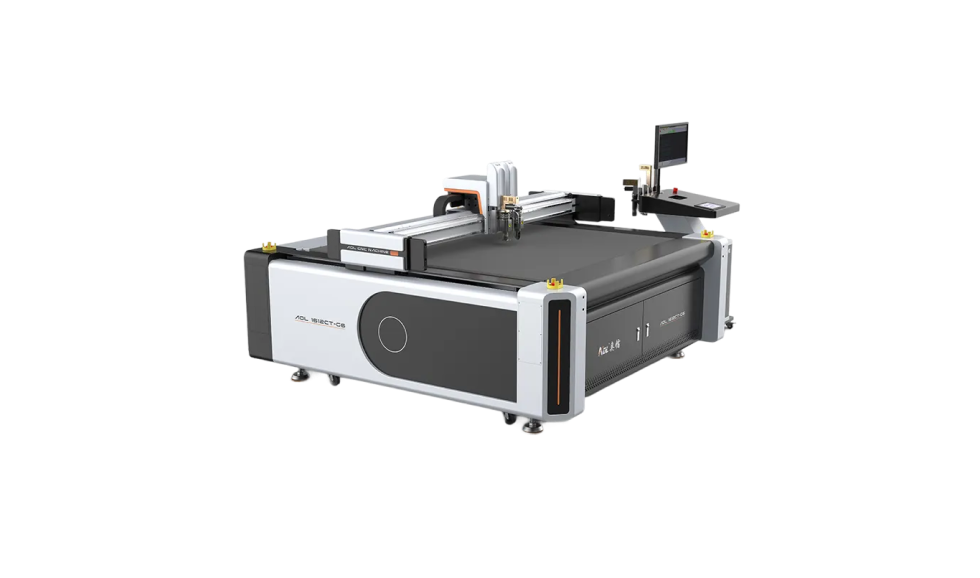
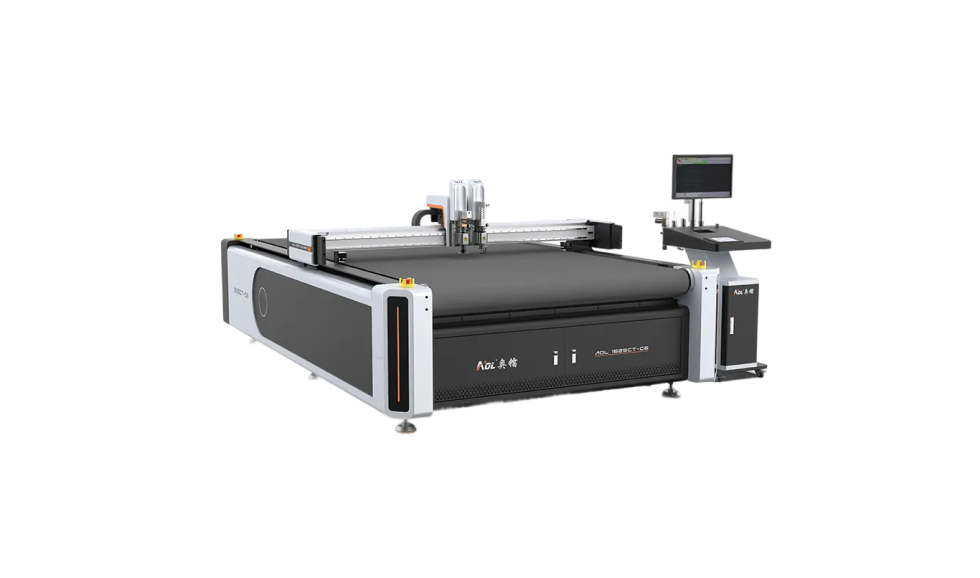
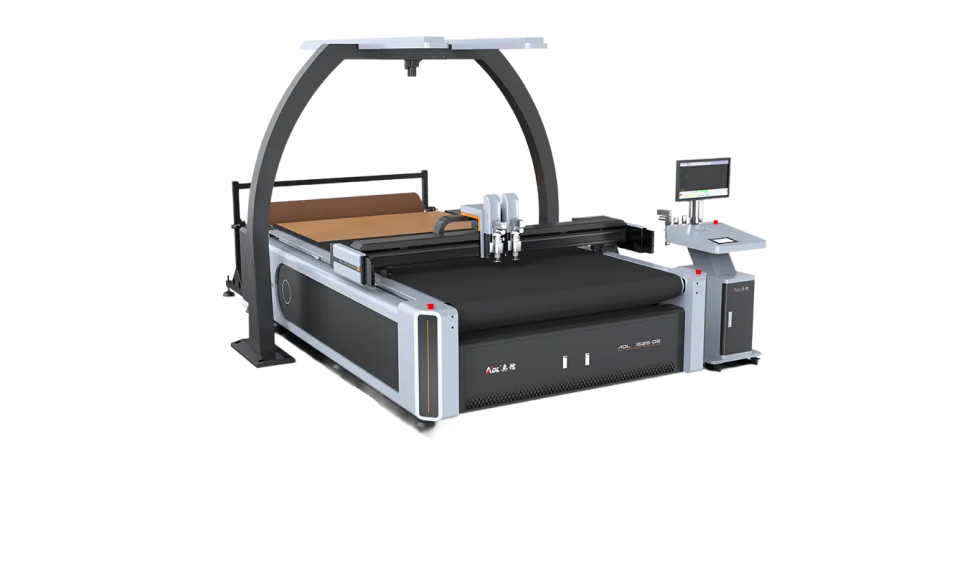
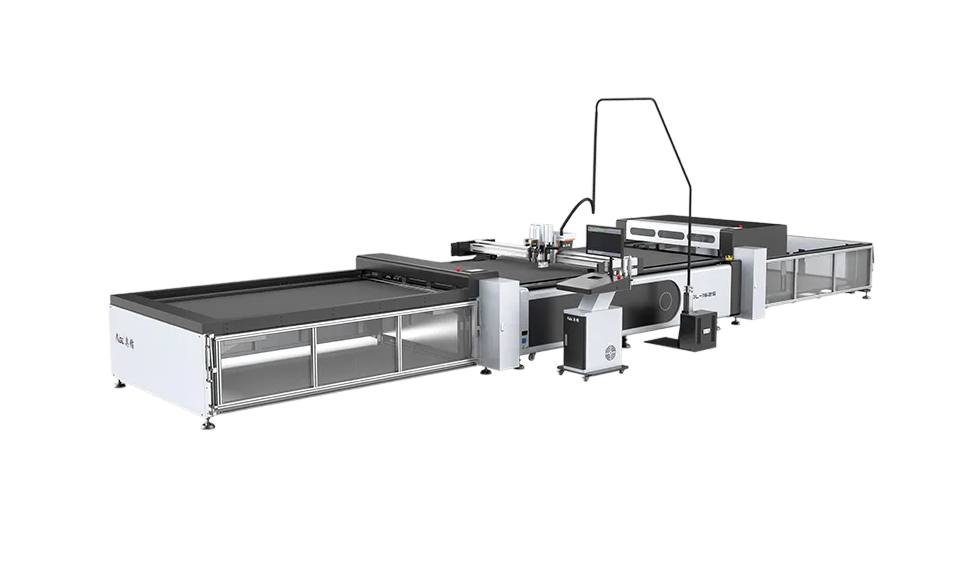
The application prospects for carbon fiber prepreg cutting equipment are exceptionally broad, rapidly expanding alongside the global trend toward industrial lightweighting. In the aerospace and defense sectors, this equipment remains the largest market, with stringent cutting precision requirements for both primary load-bearing structural components—such as fuselages and wing ribs—and secondary structural elements like interior panels. Automated cutting not only ensures precision in complex layup geometries and compliance with international standards like NADCAP, but also faces renewed rapid growth driven by the recovery of civil aviation and the development of electric vertical takeoff and landing (eVTOL) aircraft.
In automotive manufacturing and electric mobility, the urgent need for lightweighting in electric vehicles to offset battery weight is propelling carbon fiber components from supercars into the mass market. Prepreg cutting machines significantly reduce material waste in chassis components, battery housings, and drive shaft production through high-efficiency cutting speeds and intelligent nesting software, directly optimizing unit costs. With the adoption of new materials like thin-layer prepregs, demand for high-speed cutting in this sector will continue to rise.
The sports and leisure goods industry is also undergoing automation upgrades. From bicycle frames and hockey sticks to tennis rackets and golf clubs, global markets demand ever-greater stability and consistency in high-performance athletic equipment. Prepreg cutting machines ensure identical layup structures for every product while their flexible production capabilities meet the rapid changeover demands of customized high-end markets.
In medical technology, carbon fiber's exceptional X-ray transparency makes it an ideal material for medical imaging equipment. For CT scan bed plates, surgical instrument trays, and prosthetic fabrication, prepreg cutting machines guarantee flawless surface quality and precise thickness tolerances—critical for the safe operation of precision medical devices. As the global population ages, rising demand for diagnostic imaging equipment will directly drive capacity requirements for high-quality prepreg cutting.