
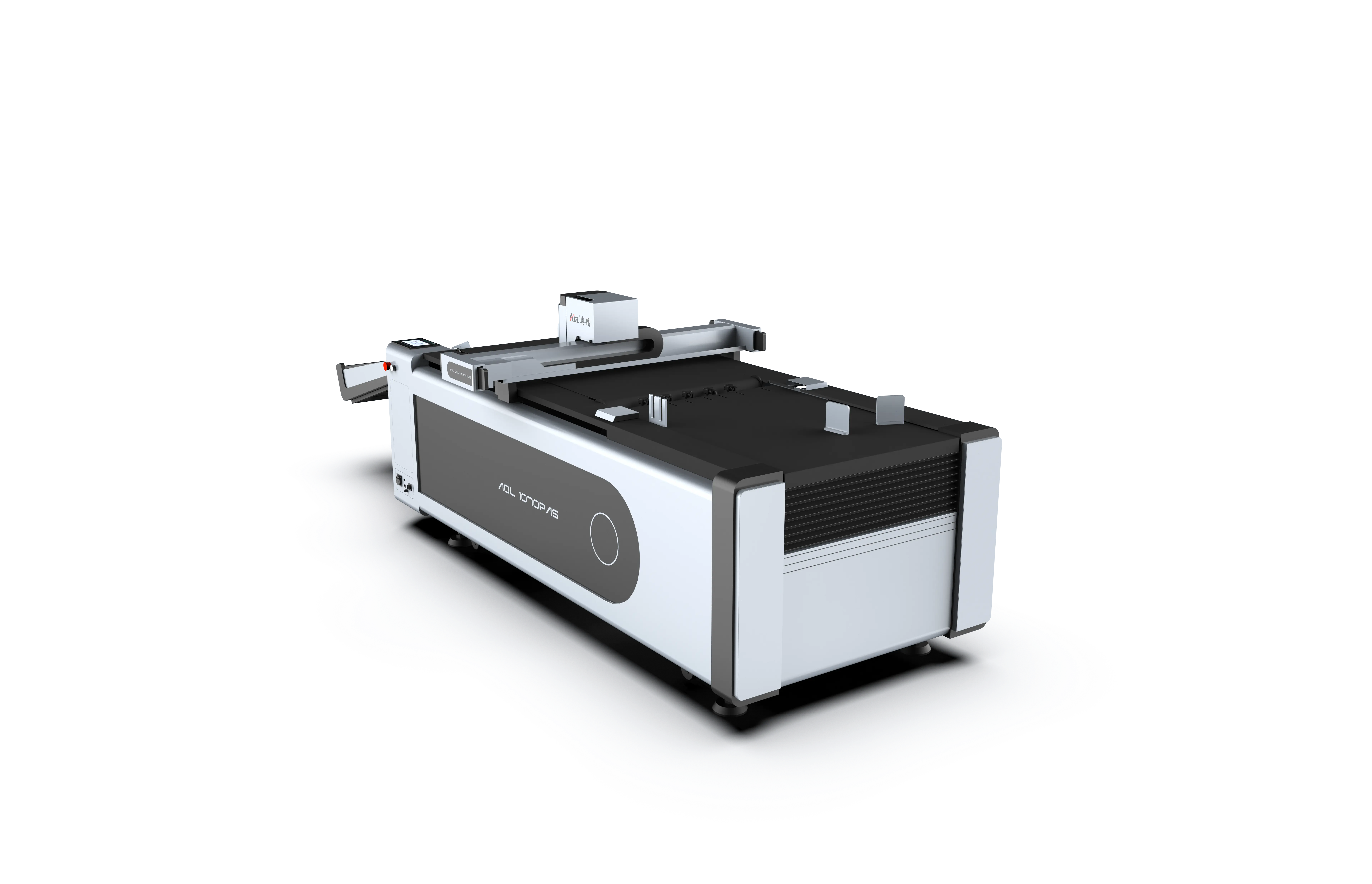
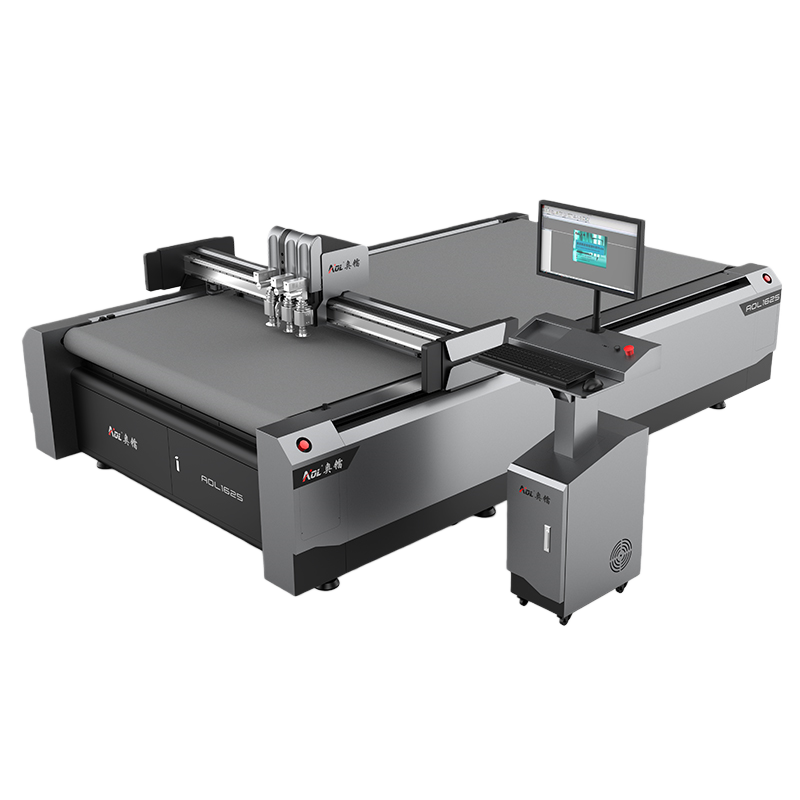
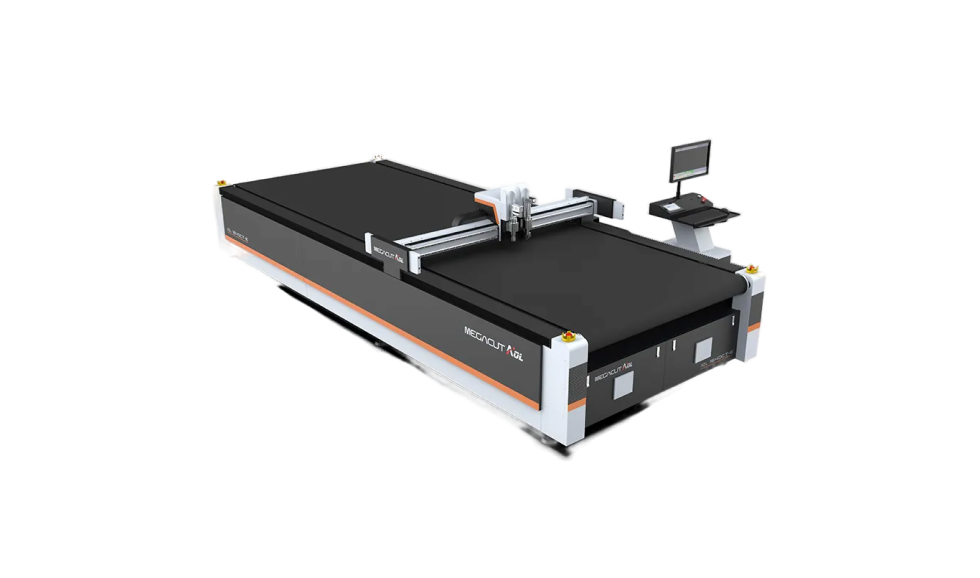
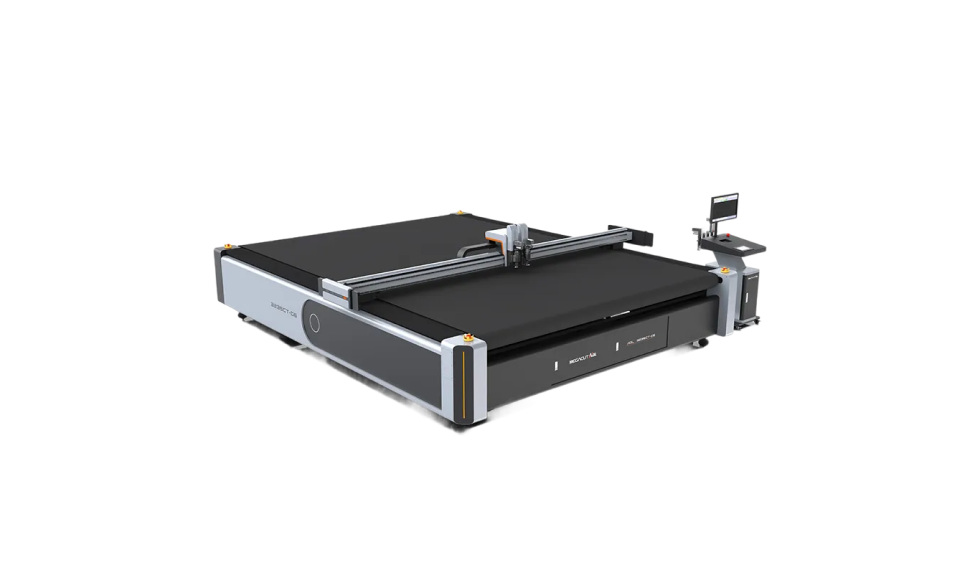
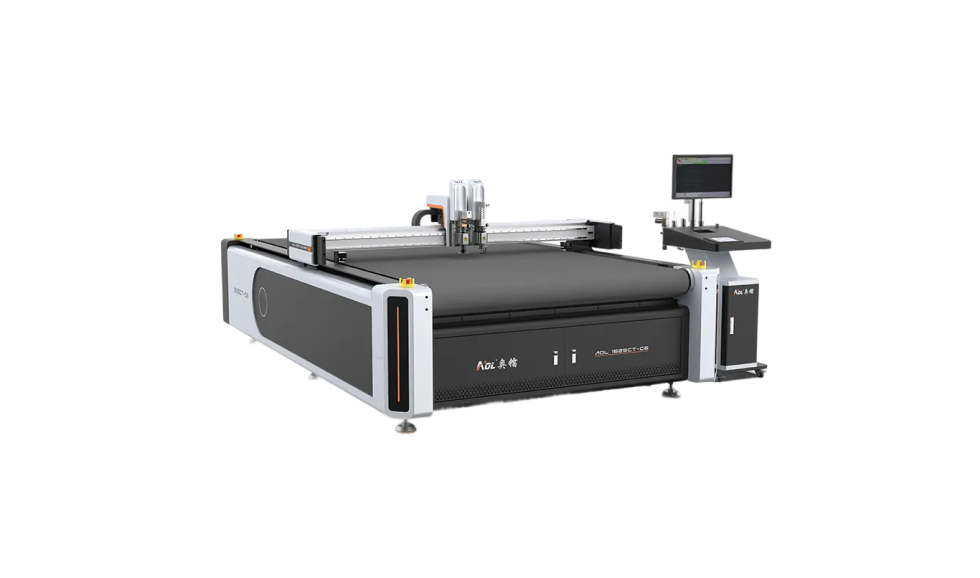
In modern manufacturing, precision has evolved from a luxury into a baseline requirement. While many may initially view the CNC blade cutting machine as a simple upgrade from manual shears or band saws, its true significance extends far beyond automated motion. This technology represents a paradigm shift in how industries treat materials, manage waste, and approach design complexity. Understanding why this machine has become indispensable requires a closer look at its unique capabilities and the transformative impact it brings to fabrication shops, composite manufacturers, and textile industries.
One of the most defining advantages of the CNC blade cutting machine lies in its mechanical cutting action, which preserves material integrity without introducing heat. Unlike laser or plasma cutters that rely on high temperatures to melt through materials, blade cutters use physical force. This cold‑cut approach is critical for materials such as honeycomb composites, plastics, or foams, which would otherwise melt, warp, or release toxic fumes under heat exposure. The absence of a heat‑affected zone means that edges remain clean, dry, and immediately ready for subsequent processes like lamination or gluing, thereby preserving the chemical and structural properties of the material.
Another key aspect of its significance is the remarkable material versatility it offers. For businesses handling diverse job types, investing in multiple specialized cutting machines is often cost‑prohibitive. The CNC blade cutting machine solves this by accommodating a wide array of tooling options on a single gantry system. For instance, a drag knife excels at cutting thin films, vinyl, and textiles; an oscillating knife handles thick, dense materials like foam, rubber, and cardboard by rapidly moving up and down to penetrate without distorting the material; and a rotary wheel cuts through fiberglass and composites by crushing fibers rather than fraying them. This versatility means that a single machine can seamlessly transition from crafting a delicate fabric prototype to producing heavy‑duty industrial gaskets, maximizing return on investment and floor space.