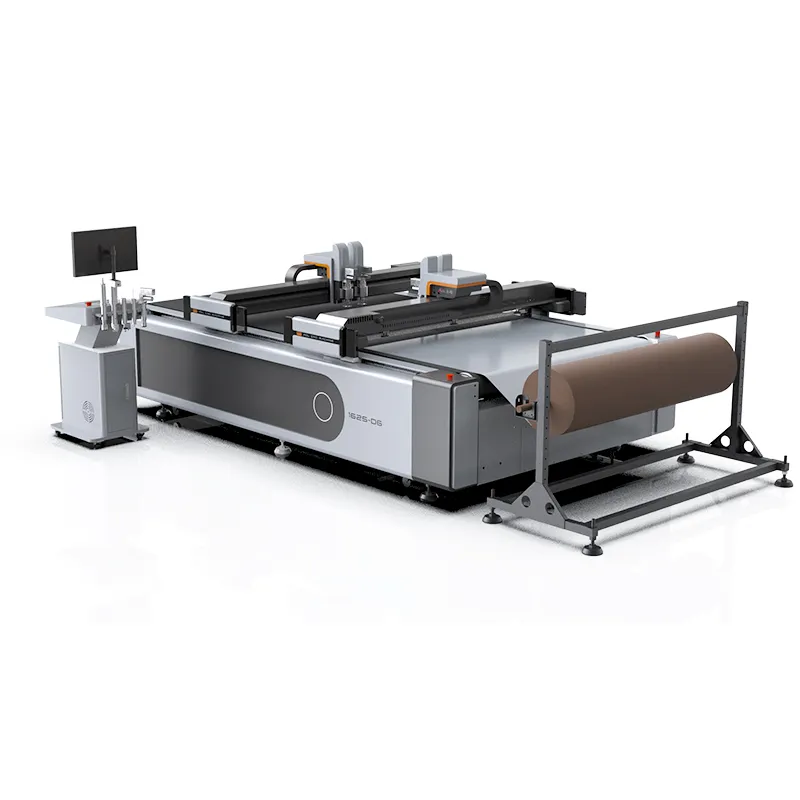
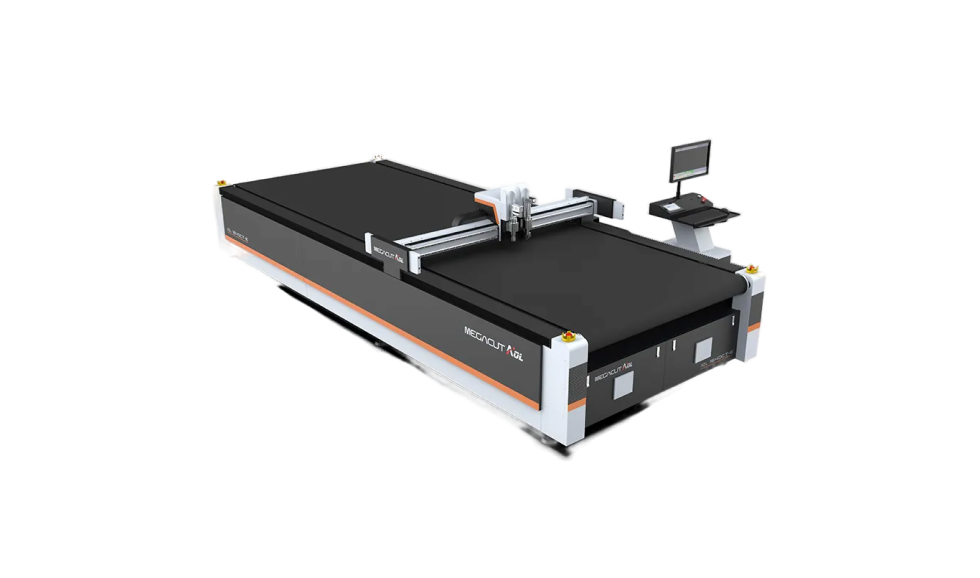
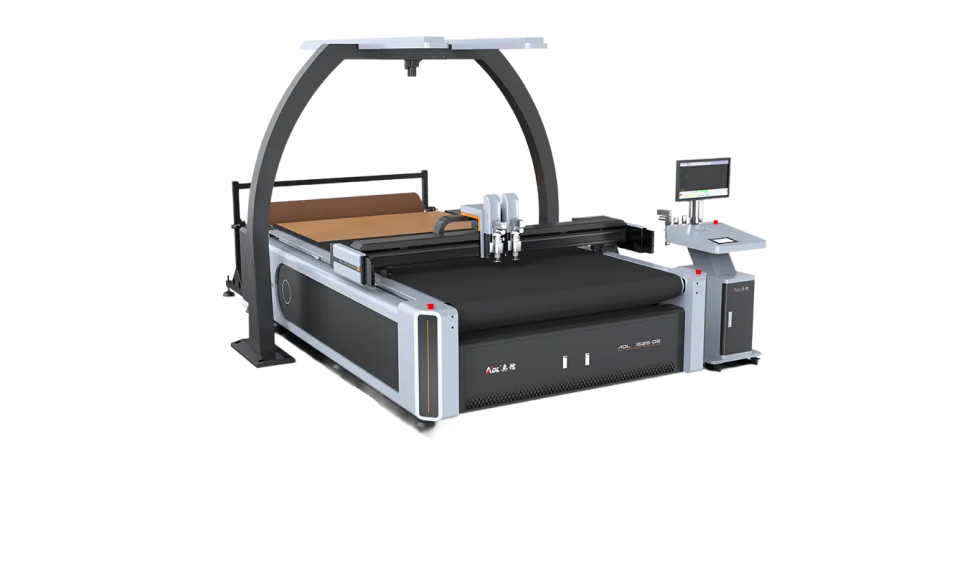
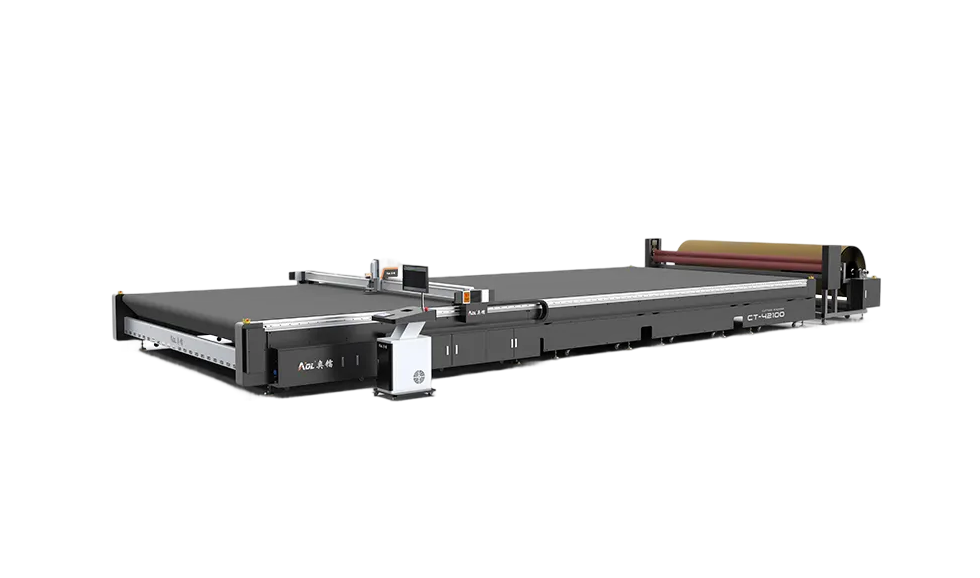
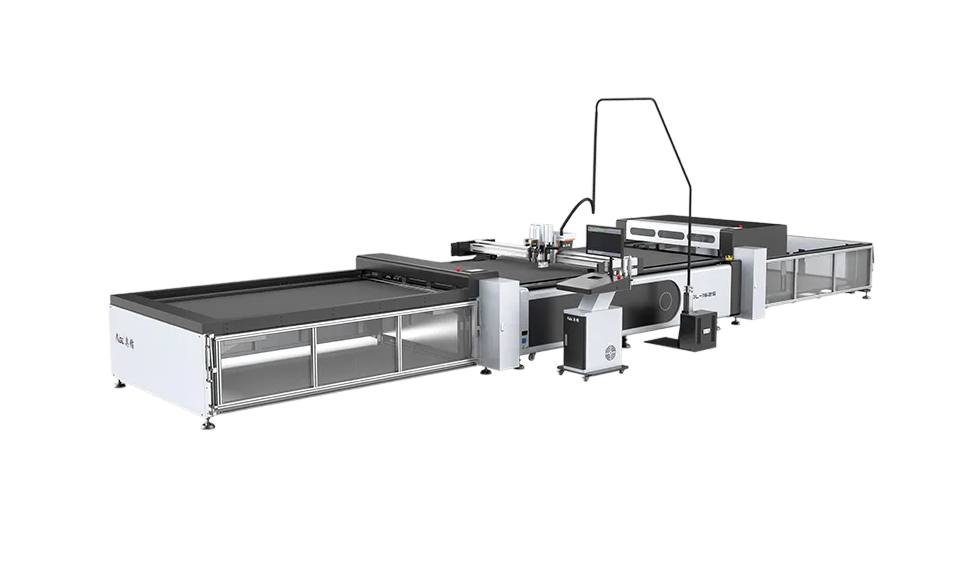
In today's manufacturing and design landscape, efficiency is currency, and precision reigns supreme. While seemingly a niche tool, the CNC cardboard cutter holds profound transformative power across supply chains, marketing, and product development. It bridges the gap between digital design and physical reality faster than any other method, becoming an indispensable asset for everyone from packaging giants to boutique design firms.
First, it eliminates the pain point of “design lag.” Historically, transforming packaging designs from digital screens into physical prototypes was a bottleneck, often requiring days or even weeks for manual cutting or expensive steel die production. The CNC cardboard cutter compresses this cycle from weeks to minutes. Designers can immediately modify CAD files upon discovering structural flaws in cardboard boxes, obtaining a perfect physical prototype within an hour. This rapid prototyping capability significantly accelerates time-to-market, enabling businesses to iterate and launch faster than competitors reliant on outsourced sample production.
Second, in the era of booming e-commerce, it delivers substantial economic benefits. Today, every package leaving a warehouse represents a branding opportunity. Yet generic packaging often suffers from poor fit, excessive filler, and wasted space—leading to high shipping costs and poor unboxing experiences. With a CNC cardboard cutter, companies can produce custom-sized packaging on demand, eliminating the need to stockpile standardized boxes. Precise cutting ensures zero material waste, while tighter packing reduces shipping costs. Simultaneously, it enables small-batch production of elegant display boxes that enhance product premium value.
Moreover, it serves as a powerful tool for sustainability. Businesses now face pressure to reduce their carbon footprint. CNC cardboard cutters utilize nesting software to optimize layouts, efficiently arranging parts on a single sheet of cardboard to drastically cut waste. Simultaneously, cardboard itself is recyclable and biodegradable. Crafting durable, aesthetically pleasing display stands or packaging from it replaces environmentally harmful plastics and foam materials.

 EN
EN