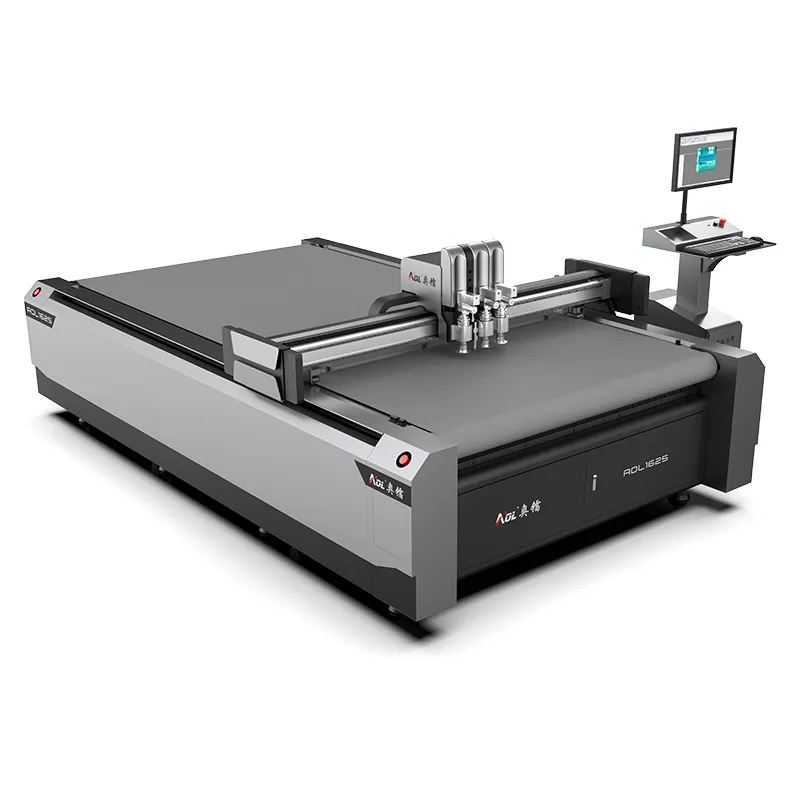
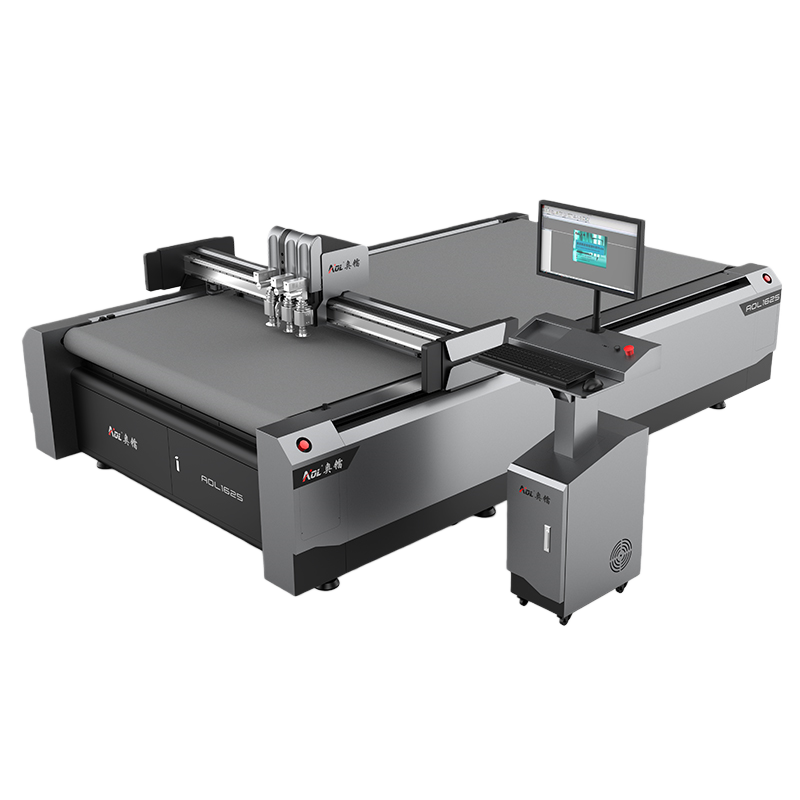
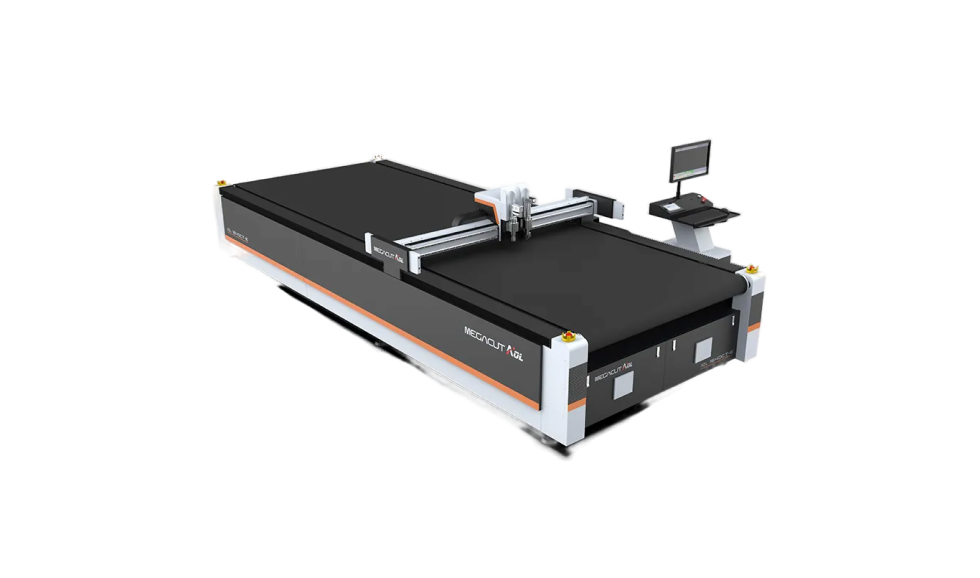
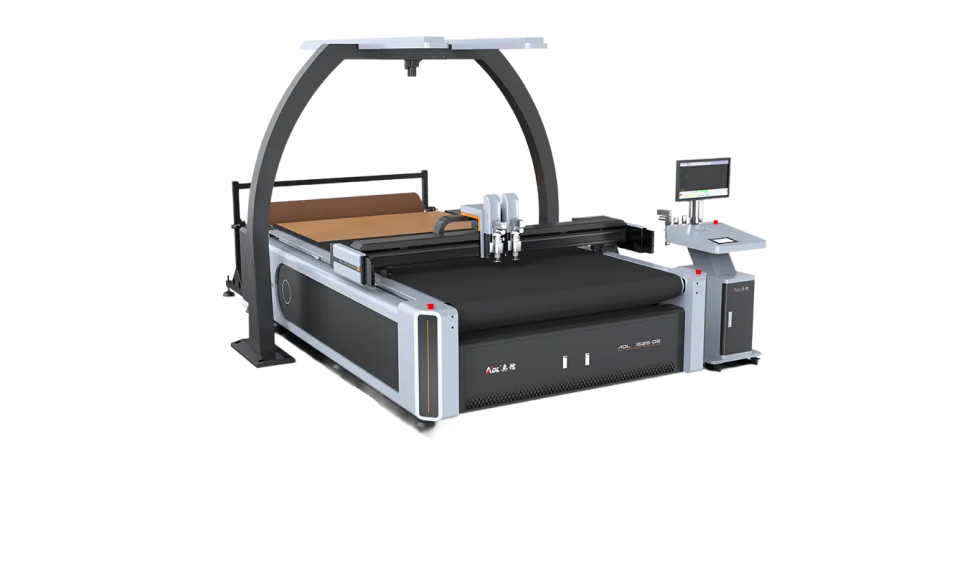
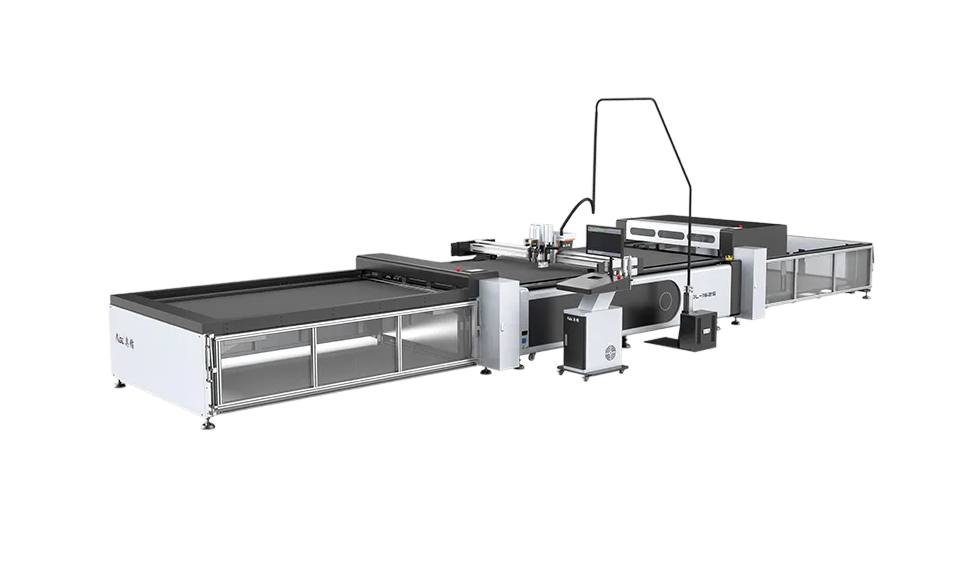
As manufacturing undergoes digital transformation, the application scenarios of CNC carton cutting machines have long transcended traditional carton cutting. Their ability to handle variable data, accommodate short-run orders, and achieve complex geometric cuts has made them indispensable production tools across numerous industries. Below is an overview of current applications and future prospects for this equipment in different sectors.
In e-commerce and logistics, CNC carton cutting machines are driving a revolution in “on-demand packaging.” With the surge in online shopping, warehouses have long grappled with the inefficiency of “overpackaging small items in large boxes,” which not only increases padding costs but also drives up shipping expenses. By introducing CNC cutters, businesses can produce “custom-fit” boxes on-site according to actual order dimensions. Looking ahead, as global environmental regulations tighten, companies capable of utilizing recycled cardboard for customized packaging—thereby eliminating plastic fillers entirely—will gain significant competitive advantages.
For packaging design firms and brands, CNC carton cutters drastically shorten time-to-market. Previously, designers waited days or weeks for physical prototypes. Now, using CNC equipment, they can internally convert digital files into physical samples within an hour—cutting, creasing, and assembling—followed by immediate structural testing and revisions. Looking ahead, this technology may integrate deeply with VR/AR design software. Designers creating in virtual spaces could see physical prototypes cut almost simultaneously, achieving true “concept-to-physical” seamless transition.
In retail displays and promotions, CNC cutters are transforming traditional POP display rack production. Brands require unique, eye-catching racks for seasonal events or new product launches. Traditional injection molding is costly, whereas CNC cutters enable manufacturers to directly produce complex interlocking displays from corrugated cardboard without any tooling expenses. The emerging trend is “hyper-localized marketing,” where national brands can send digital design files to local print shops nationwide. These local facilities then customize cutting and assembly based on regional consumer preferences or store layouts.
In industrial packaging and heavy logistics, CNC carton cutters deliver precision protection for irregularly shaped components. Whether for automotive parts, aerospace components, or large machinery, robust, form-fitting inner packaging is essential during transit. Manufacturers can use CNC equipment to cut intricate corrugated cardboard dividers, replacing traditional foam and stretch wrap. Looking ahead, with the advancement of the Industrial Internet of Things (IIoT), CNC-cut packaging may incorporate recesses for sensors or tracking chips. This transforms packaging into a link in the logistics data chain, enabling real-time monitoring of impacts and temperature/humidity fluctuations during transit.
Furthermore, CNC carton cutters have spawned a new business model: “Printing as a Service.” Small and medium-sized quick-print shops and advertising agencies are expanding their service offerings by adding CNC cutting capabilities, providing customized packaging for local small brands unable to meet the minimum order quantities of traditional box manufacturers. This “Packaging as a Service” model may become mainstream in the future. Businesses will no longer need to rent warehouses to stockpile boxes. Instead, upon receiving an order, service providers will cut and deliver boxes in real time, completely eliminating inventory costs and storage pressure.
Finally, in the realm of artisanal goods and bespoke gifts, CNC cutters are elevating the “unboxing experience” for niche brands. Craftspeople and beauty brands can use CNC equipment to create exquisite gift boxes for limited-edition products, even incorporating the recipient's name directly into the lid's structure. Mass-scale personalized customization will soon become reality, where the packaging itself becomes a bespoke work of art tailored to each consumer's purchase.

 EN
EN