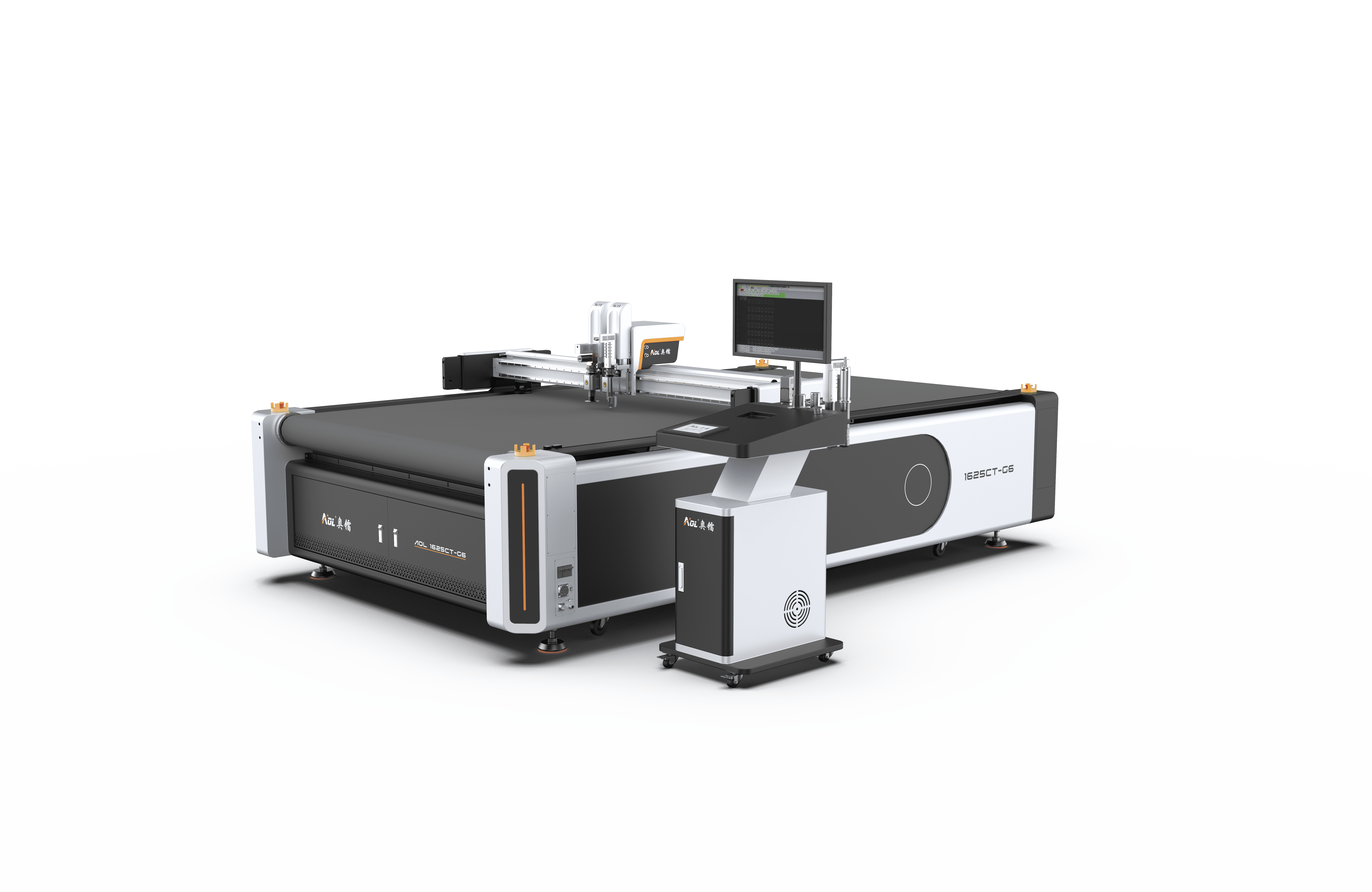
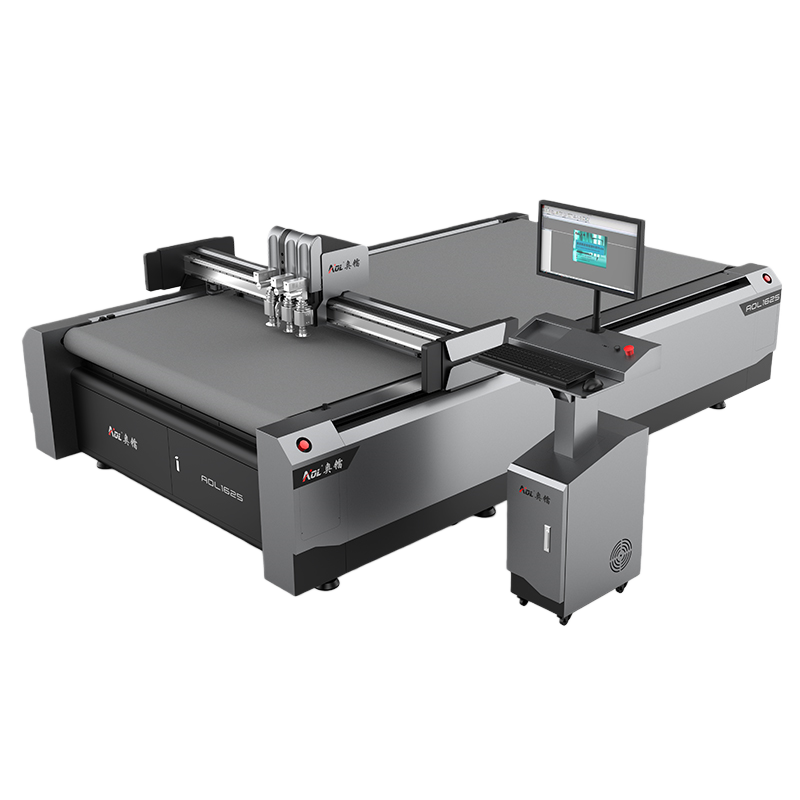
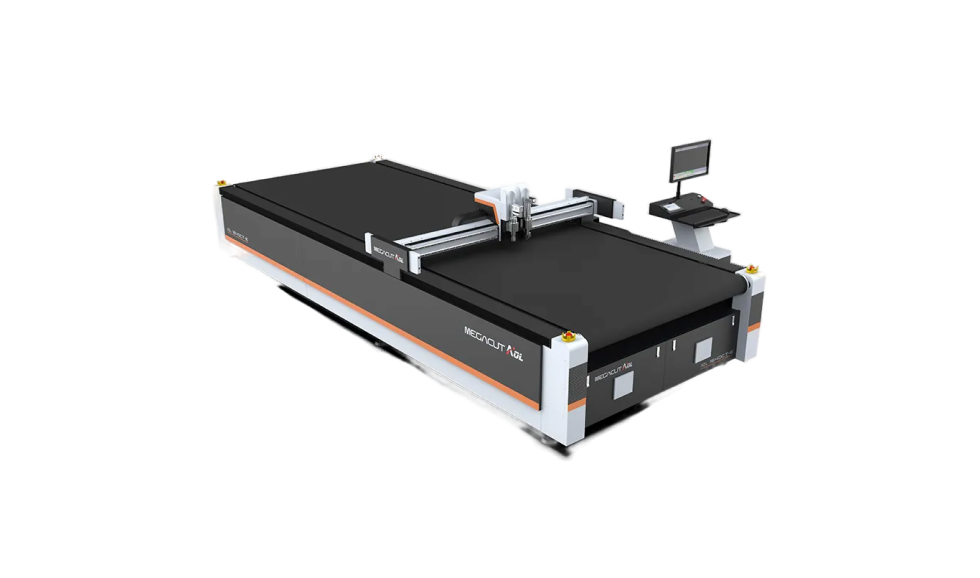
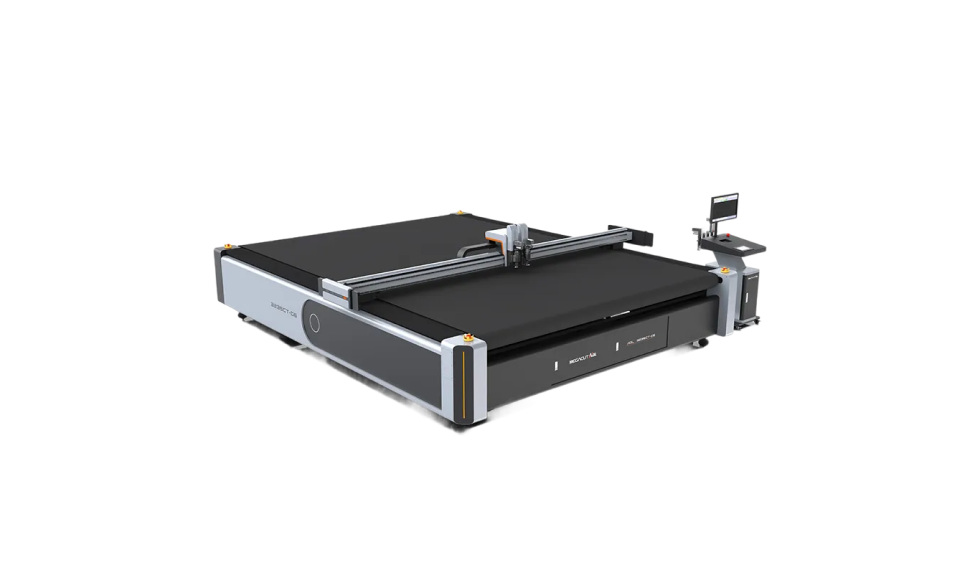
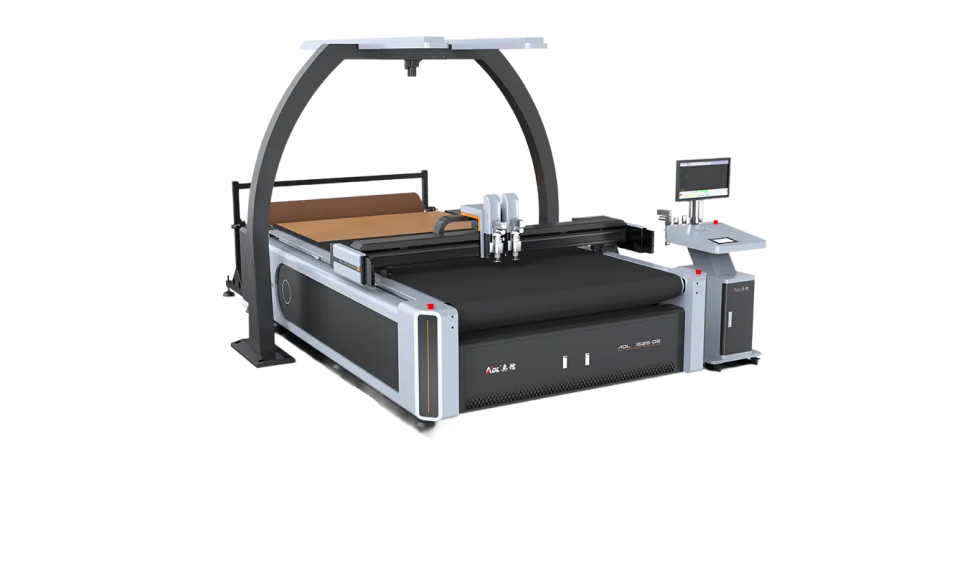
In the landscape of modern manufacturing today, the shift from manual craftsmanship to automated precision is the defining narrative. For the textile and apparel industry, CNC cutting machines are not merely tools but the technological cornerstone determining whether manufacturers can remain competitive in a fast-paced, profit-sensitive global marketplace. Understanding the importance of this equipment is crucial for any business seeking to scale up, diversify, or simply address labor challenges in the 21st century.
The significance of CNC fabric cutting machines extends far beyond the cutting table itself; they often represent a company's first step into “Industry 4.0”—the era of manufacturing automation. Modern equipment supports IoT connectivity, seamlessly integrating with CAD software and ERP systems to establish a digital chain from design to production, eliminating errors caused by miscommunication. In an age where time-to-market dictates profitability, this seamless data flow is a non-negotiable prerequisite.
Simultaneously, it offers an effective solution to the industry's critical challenge of skilled labor shortages. Traditional cutting relies heavily on experienced artisans, whereas CNC fabric cutters encode this expertise into software. This enables operators with basic training to produce results matching those of seasoned technicians. Regardless of workforce turnover, it ensures consistent and stable production, helping businesses mitigate labor risks.
In terms of sustainability and cost control, CNC fabric cutters deliver equally compelling value. Through advanced automatic nesting algorithms, they calculate the most material-efficient layout, reducing fabric waste by 5% to 15%. For manufacturers using expensive technical fabrics or premium natural fibers, these savings directly translate into profit. Amid persistently rising raw material costs, a machine that conserves fabric holds value equal to its function as a cutting tool.
Furthermore, it unlocks commercial opportunities through geometric complexity. Modern consumers seek personalized and intricate designs, and CNC fabric cutters faithfully follow digital paths with micron-level precision, perfectly replicating intricate curves and sharp-angled corners. This enables businesses to undertake highly complex, high-margin projects that are difficult to achieve manually, without compromising on accuracy or repeatability.
Ultimately, this converges into safeguarding brand credibility. Once programmed, CNC fabric cutters deliver identical cutting quality from the first piece to the thousandth. This unparalleled repeatability ensures every finished product meets the same stringent standards, protecting brand integrity while significantly reducing rework costs from cutting errors.

 EN
EN