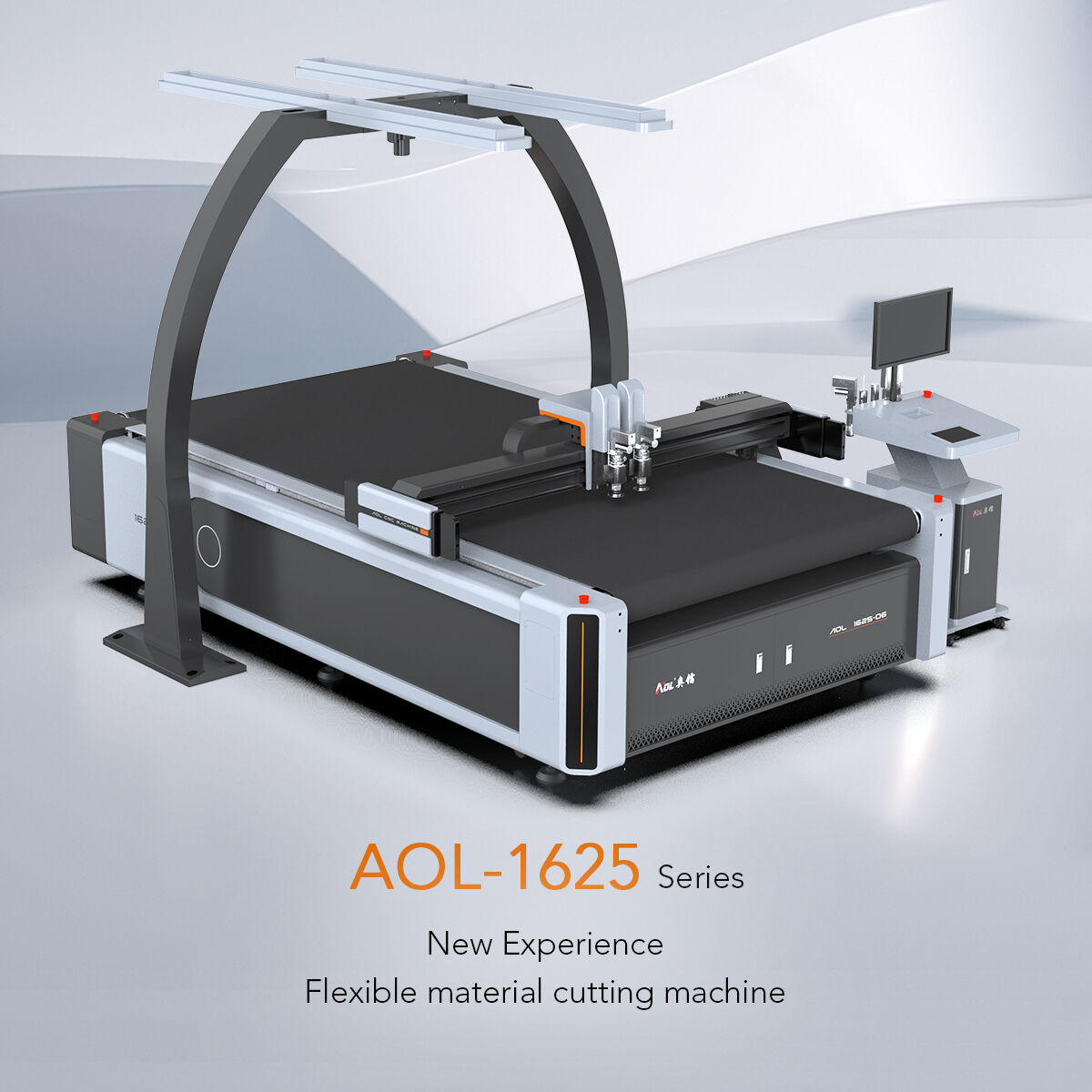
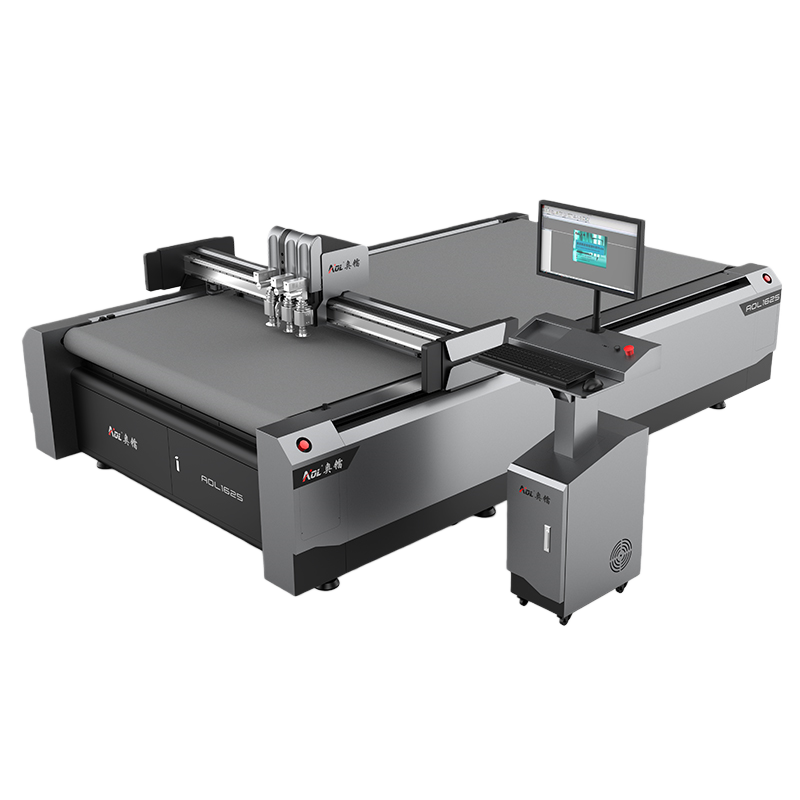
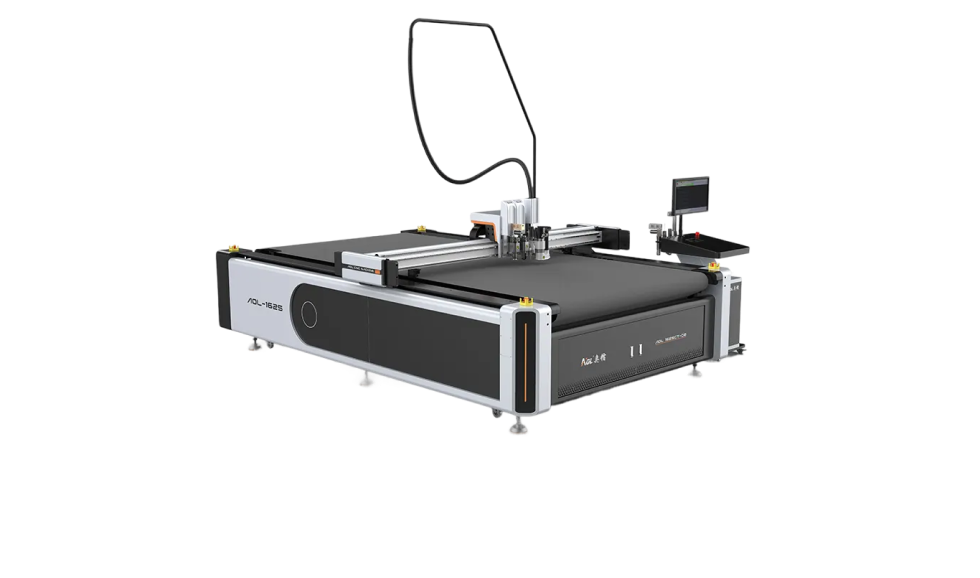
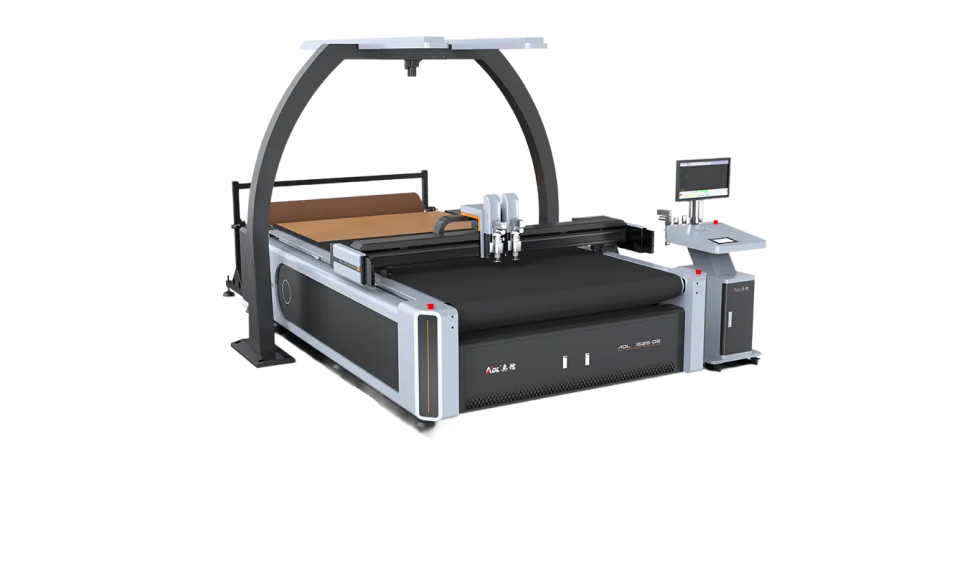
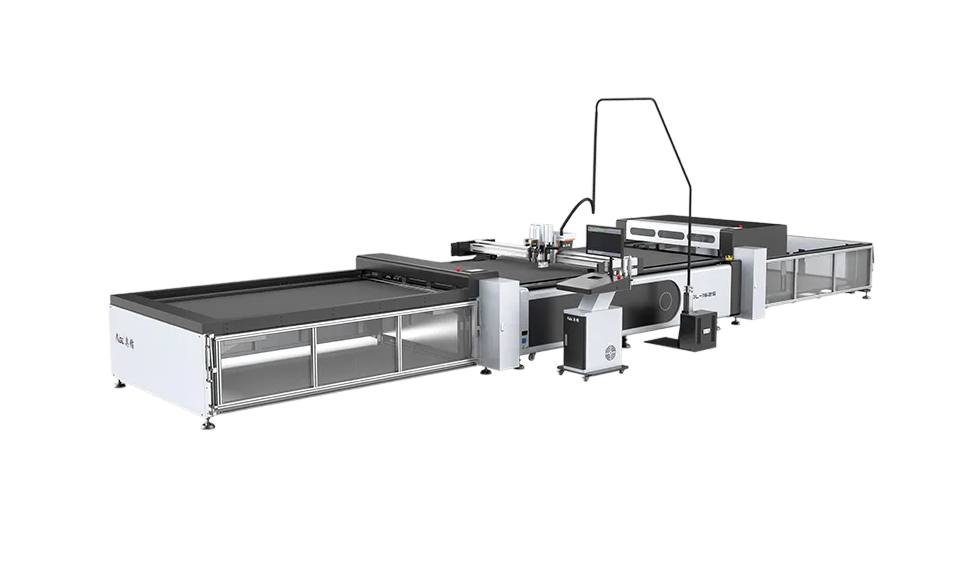
In today's industrial production era that prioritizes efficiency and precision, CNC curtain cutting machines hold vast application prospects and are profoundly transforming fabric processing methods across multiple industries. First, within large-scale curtain manufacturing, they serve as a core tool for boosting production capacity. Faced with bulk orders from retail and export channels, traditional manual cutting struggles to ensure consistency while being time-consuming and labor-intensive. CNC automation seamlessly integrates into production lines, enabling 24/7 continuous operation to precisely meet the delivery demands of large-scale standardized production.
Simultaneously, for studios specializing in custom and high-end soft furnishings, CNC cutters elevate personalized services to new heights. When handling intricate pattern matching or premium fabrics like silk and embroidery, machine-driven digital control eliminates human error entirely. This ensures flawless execution for every custom curtain, significantly boosting studios' capacity to undertake designer brands and luxury residential projects—transforming precision craftsmanship into a core competitive advantage.
Furthermore, with the rise of smart homes, the demand for CNC technology in roller shades and functional curtain applications is increasingly prominent. Modern curtain cutting equipment not only handles flexible fabrics but also precisely cuts rigid materials like aluminum roller tubes and guide rails. This high consistency is crucial for producing compatible motorized curtains and smart shading systems, ensuring smooth and quiet motor operation. This capability helps businesses successfully enter the hotly contested smart home market.
Beyond traditional curtain manufacturing, these machines extend into furniture upholstery and technical textiles. Sofa factories and automotive interior companies frequently cut heavy, non-deformable composite fabrics, synthetic leather, or fiberglass cloth. CNC cutters, equipped with powerful vacuum systems and vibrating blades, effortlessly handle these materials, becoming indispensable tools for businesses expanding their scope and diversifying operations.
In bidding for large-scale commercial projects (hotels, theaters, office buildings), owning CNC automation equipment demonstrates a company's capabilities. Such contracts typically demand thousands of uniformly sized flame-retardant curtains delivered within tight deadlines. Only CNC machinery can guarantee millimeter-precise dimensions for every piece while achieving rapid cutting speeds, helping businesses secure orders and build strong industry reputations.
Finally, in global markets and emerging economies, CNC cutting machines are serving as a springboard for many SMEs transitioning from semi-manual operations to modernization. Amid rising labor costs and intensifying international competition, adopting automated equipment not only addresses recruitment challenges but also reduces rework rates and conserves fabric. This enables companies to recoup equipment investments within 1-2 years, making CNC technology a vital force driving textile industry upgrades.

 EN
EN