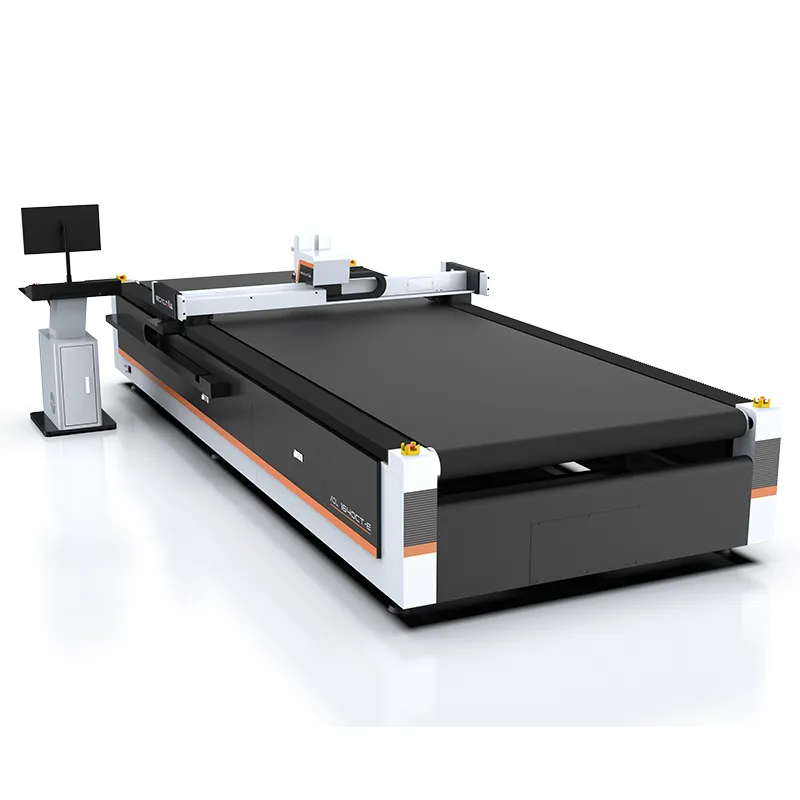
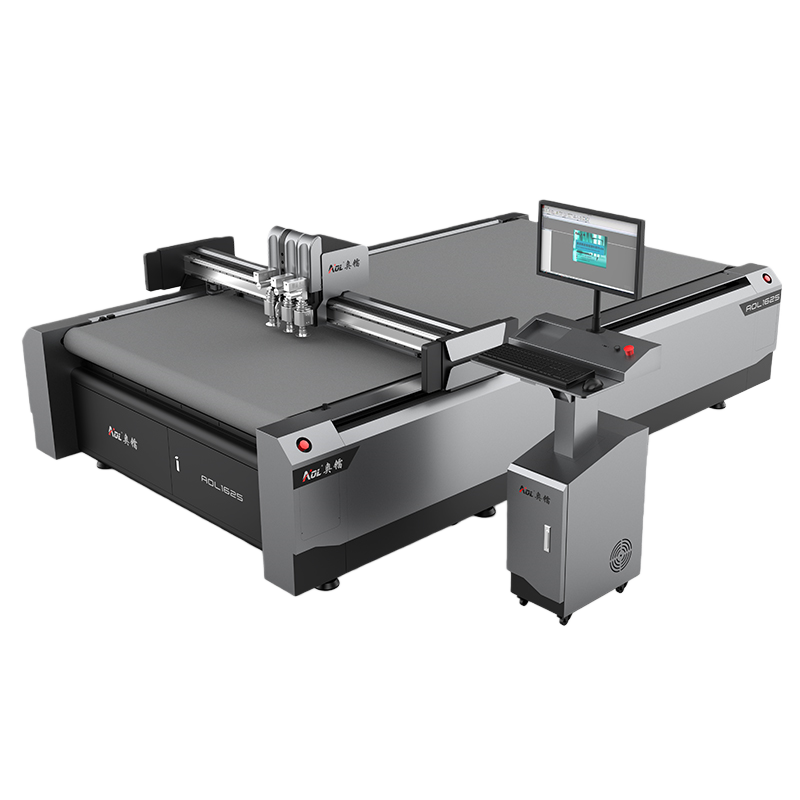
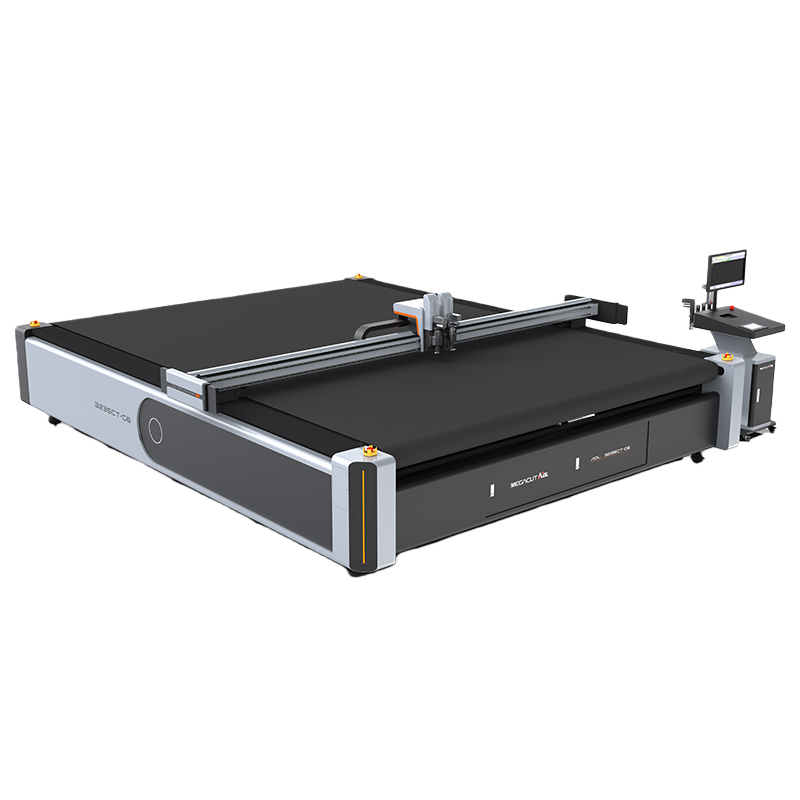
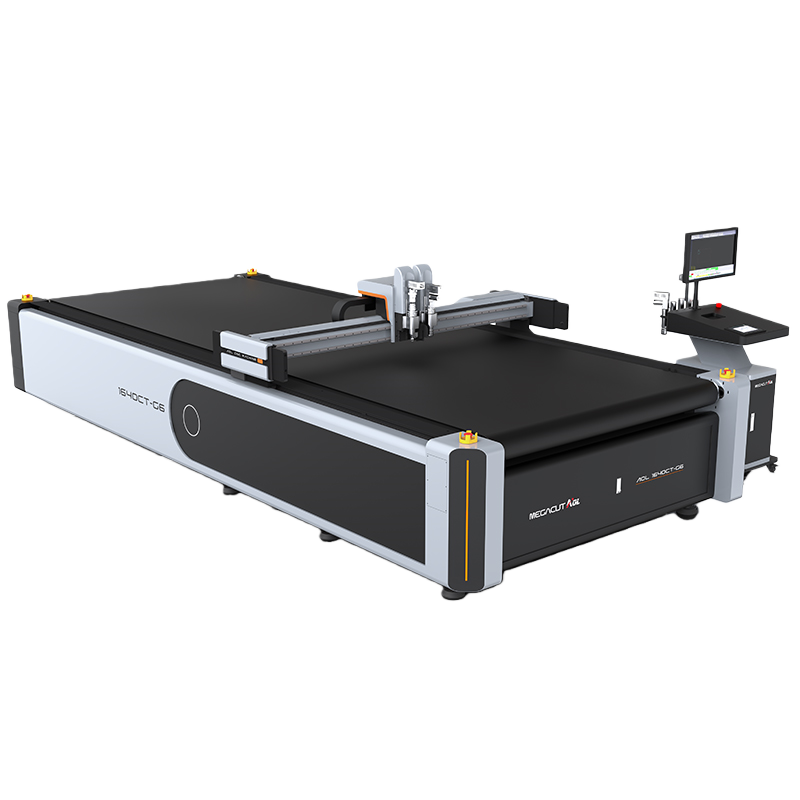
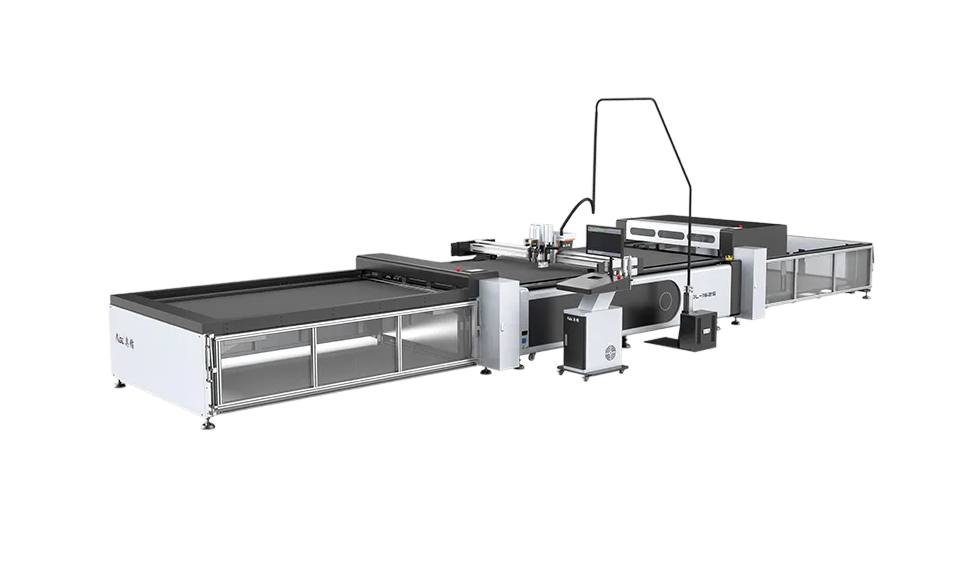
In today's fiercely competitive manufacturing landscape, the significance of CNC leather cutting machines extends far beyond mere equipment upgrades. They represent a fundamental shift in production methods—from traditional craftsmanship to digital science.
Economically, the most significant advantage of this equipment lies in converting waste into profit. As a natural material, leather inevitably carries imperfections like scars and wrinkles. Traditional die-cutting methods prove inflexible when encountering these flaws, often resulting in low material utilization. Advanced CNC cutting machines, however, feature intelligent vision systems that automatically identify leather contours and imperfections, dynamically optimizing layouts accordingly. This intelligent “avoidance” functionality maximizes material utilization, typically reducing waste by 15% to 20%. For high-cost leather raw materials, such savings translate directly into significant economic benefits.
In terms of precision and consistency, CNC cutting machines set new industry benchmarks. Manual cutting inevitably introduces errors due to fatigue or distraction, yet high-end applications like automotive interiors or luxury fashion demand perfect alignment between components from different production batches. CNC equipment achieves repeatable machining with tolerances below one millimeter, ensuring an armrest produced in January matches one manufactured in June. This unparalleled repeatability is crucial for maintaining brand integrity and product quality.
Moreover, the flexibility enabled by CNC technology has revolutionized product development cycles. Traditional manufacturing relied on custom steel dies, often requiring weeks from design to production with high upfront costs. CNC cutting achieves “die-less” production: a new CAD design completed in the morning can become a physical prototype by noon. This agility enables manufacturers to fulfill small-batch, personalized custom orders, swiftly respond to market trends, and open new revenue streams unattainable through traditional die-cutting.
Finally, from a sustainability perspective, this technology holds profound significance. Servo-driven CNC cutters consume less energy than continuously running hydraulic presses, drawing power only when the cutting head is active. More importantly, by maximizing the use of every inch of leather—itself a byproduct of the meat industry—manufacturers not only enhance respect for this natural resource but also significantly reduce waste sent to landfills, meeting modern consumers' growing expectations for environmentally conscious production.

 EN
EN