
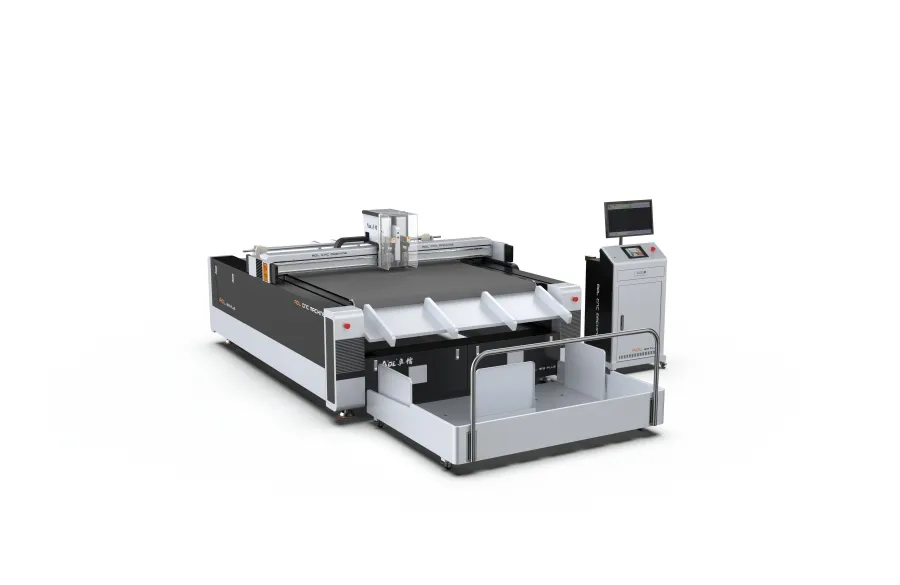
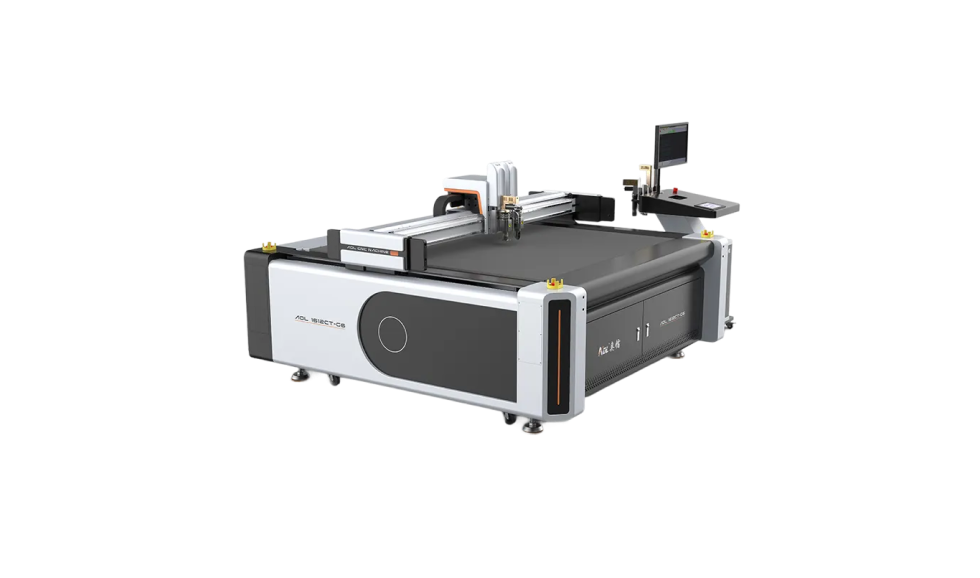
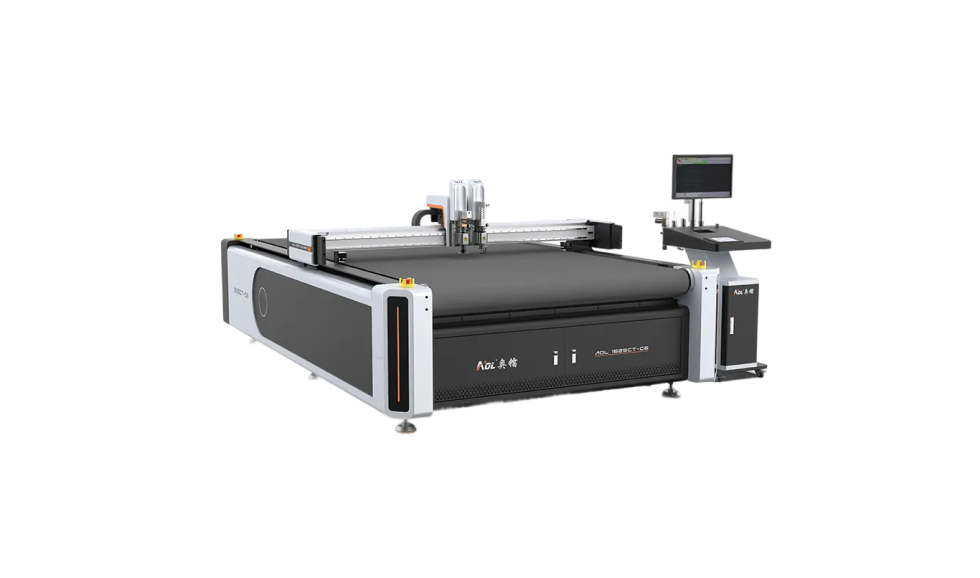
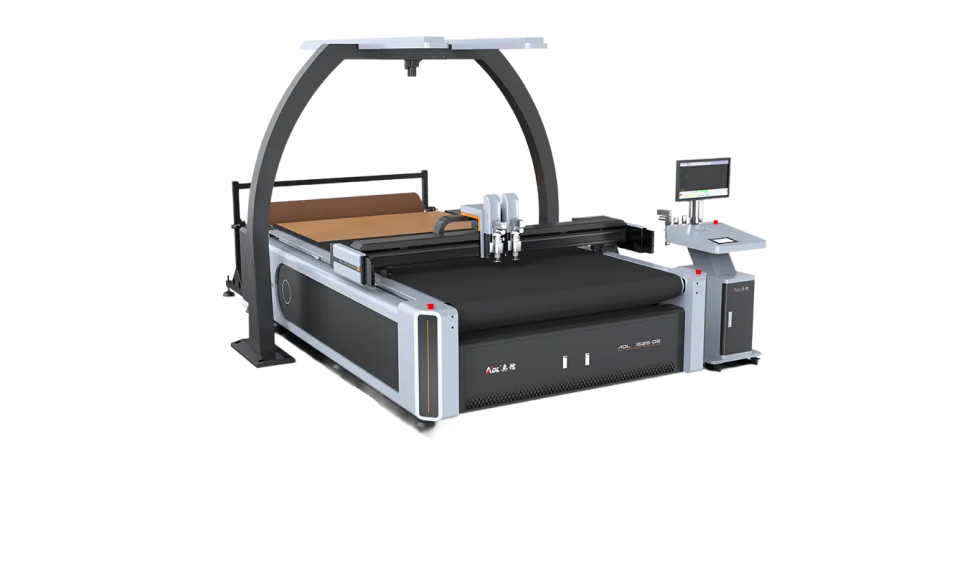
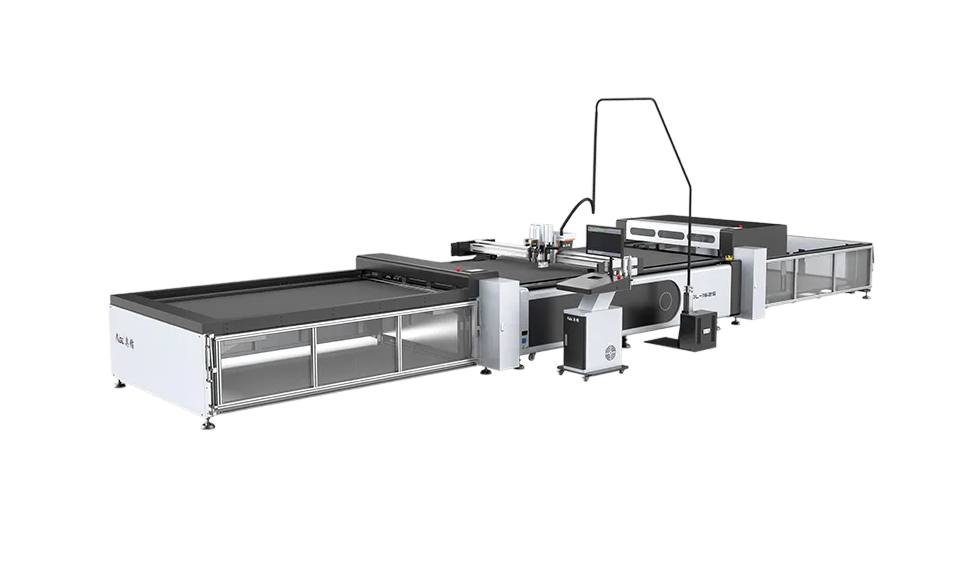
Carbon fiber reinforced polymer (CFRP) is hailed as the “black gold” of modern engineering due to its exceptionally high strength-to-weight ratio. However, it is precisely this superior performance that makes it an extremely challenging material to process. The introduction of CNC (computer numerical control) cutting technology has effectively addressed this challenge, serving as the core method for transforming carbon fiber from raw composite sheets into high-precision, high-performance functional components. Without CNC cutting, carbon fiber is highly susceptible to delamination, burrs, and even internal structural damage during processing, completely compromising its structural integrity. CNC technology achieves “clean” cutting through diamond-coated or carbide-tipped specialized tools, combined with extremely high spindle speeds and stable clamping systems. This ensures finished edges are smooth and burr-free—a level of precision unattainable through manual cutting or conventional sawing.
From a market application and value perspective, CNC cutting of carbon fiber fulfills the dual demands of high-end manufacturing for “ultimate lightweighting and absolute precision.” In aerospace, every gram of weight reduction critically impacts fuel efficiency. CNC ensures satellite brackets or drone components assemble flawlessly within micron-level tolerances. In supercars and high-end tuning markets, it fabricates intricate aerodynamic kits and interiors that enhance performance while shedding weight. In healthcare, carbon fiber's X-ray transparency makes it ideal for medical bedplates, where CNC machining guarantees absolute surface flatness and smoothness—directly impacting imaging clarity. This technology serves not only industrial giants but also extends to makers and DIY enthusiasts who use desktop CNC machines to cut custom FPV drone frames or carbon fiber model parts, democratizing access to advanced manufacturing.