
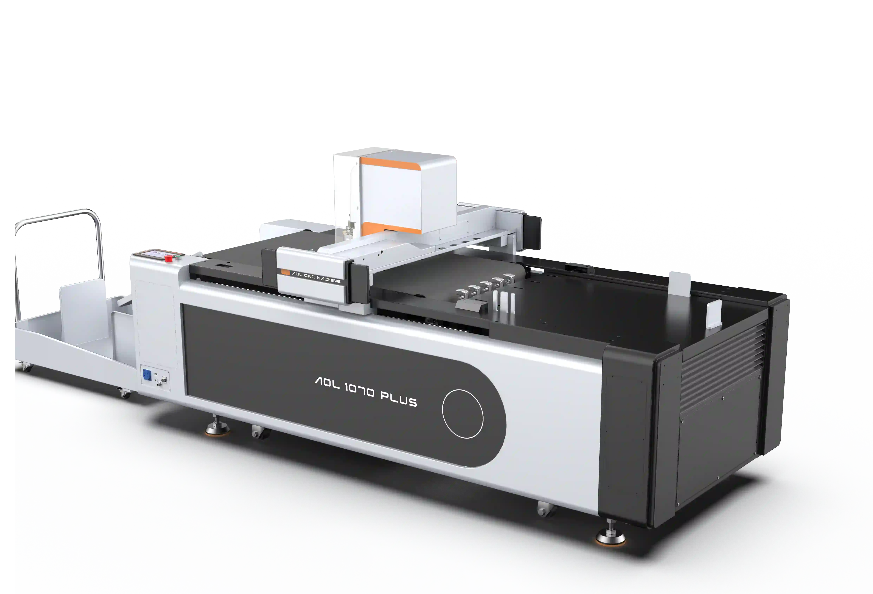
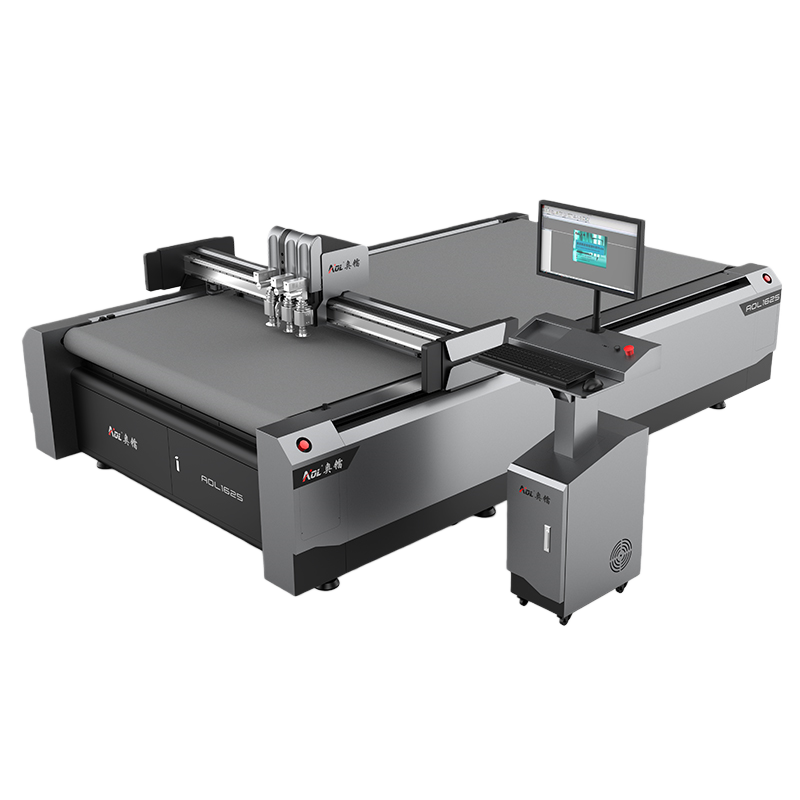
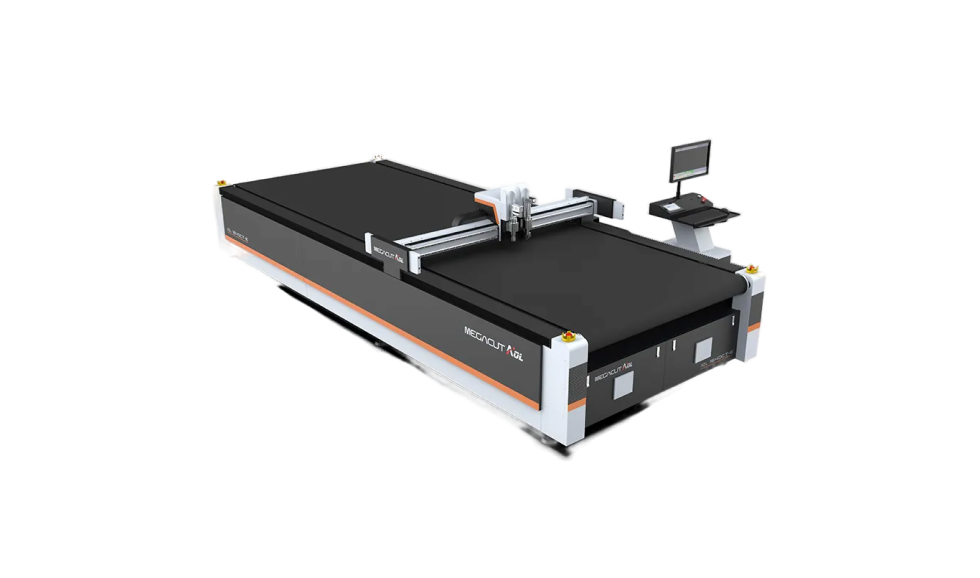
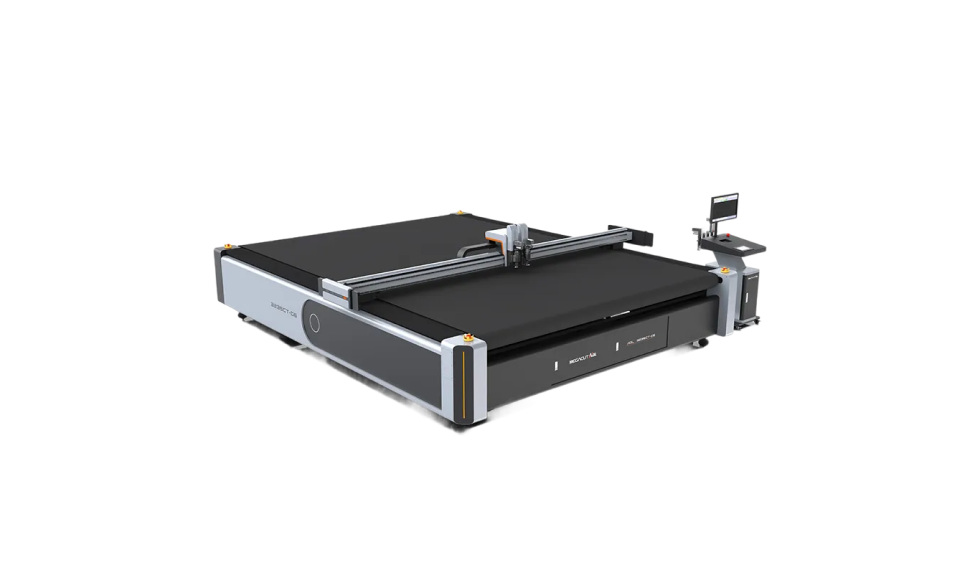
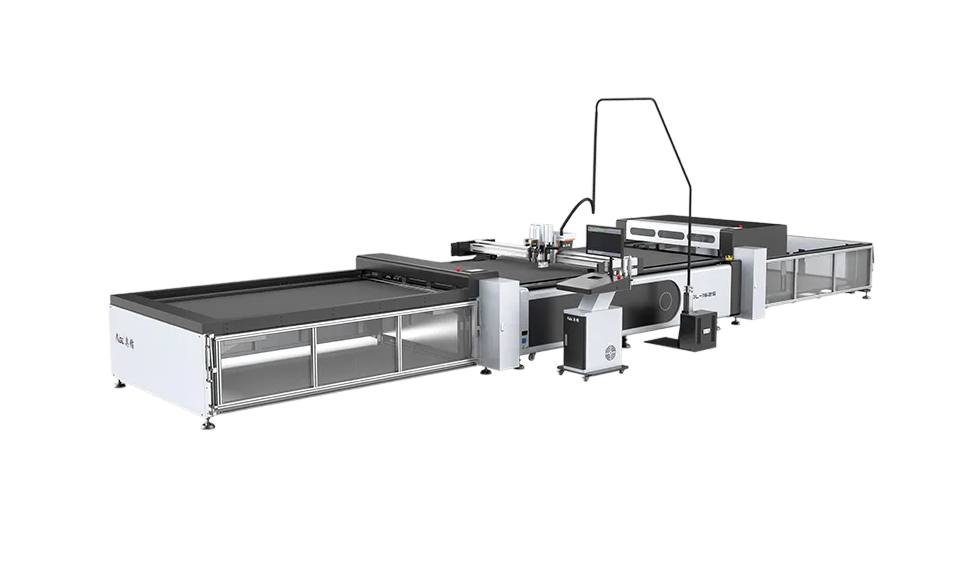

In the fiercely competitive industrial fabric processing sector, the sophistication of equipment directly determines a company's profit margins and market responsiveness. The significance of a high-performance CNC fabric cutting machine specialized for PVC tarpaulins is first reflected in its substantial economic benefits. For enterprises processing heavy-duty PVC-coated fabrics, material costs often constitute the major portion of total expenses. Traditional manual cutting methods are not only inefficient but also prone to material waste due to template misalignment or cutting errors. In contrast, the built-in intelligent nesting algorithms of CNC equipment can calculate the most material-efficient layout within seconds, typically boosting fabric utilization to over 95%. This means that material savings alone can recoup most of the equipment's investment within a year. Simultaneously, it frees skilled workers from heavy and hazardous cutting tasks, allowing them to focus on high-value processes like high-frequency welding and sewing, thereby optimizing overall labor cost structures.
From a production operations perspective, introducing this equipment ensures product consistency and standardized processes. PVC tarpaulins are widely used in truck covers, outdoor advertising lightbox fabrics, and large-scale construction coverings. These applications demand stringent dimensional accuracy, as even minor deviations can compromise waterproofing performance or cause installation difficulties. Equipped with servo motors and precision guide rails, CNC cutting machines guarantee that the thousandth cut matches the first to the millimeter. Furthermore, addressing PVC's tendency to melt under heat and fray at edges, specialized CNC cutters optimize blade speed and penetration depth or incorporate ultrasonic cutting blades. This achieves instant edge sealing, resulting in smooth, burr-free cuts that directly enhance the finished product's waterproofing and aesthetics while eliminating the need for secondary trimming.