
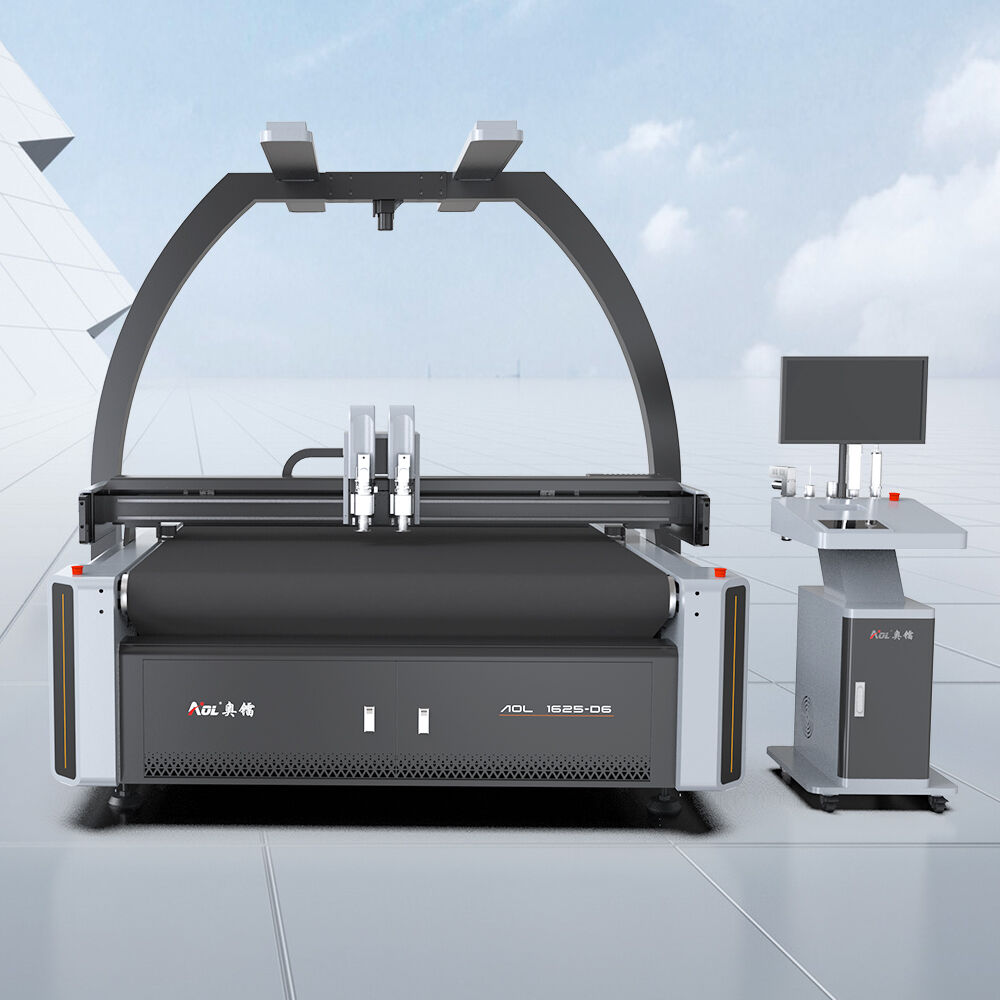
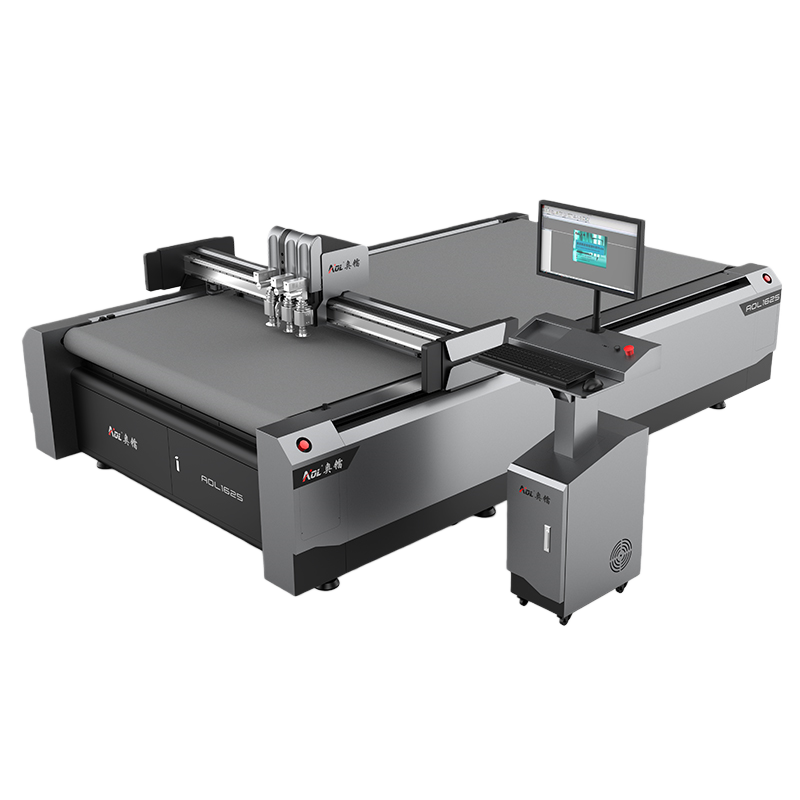
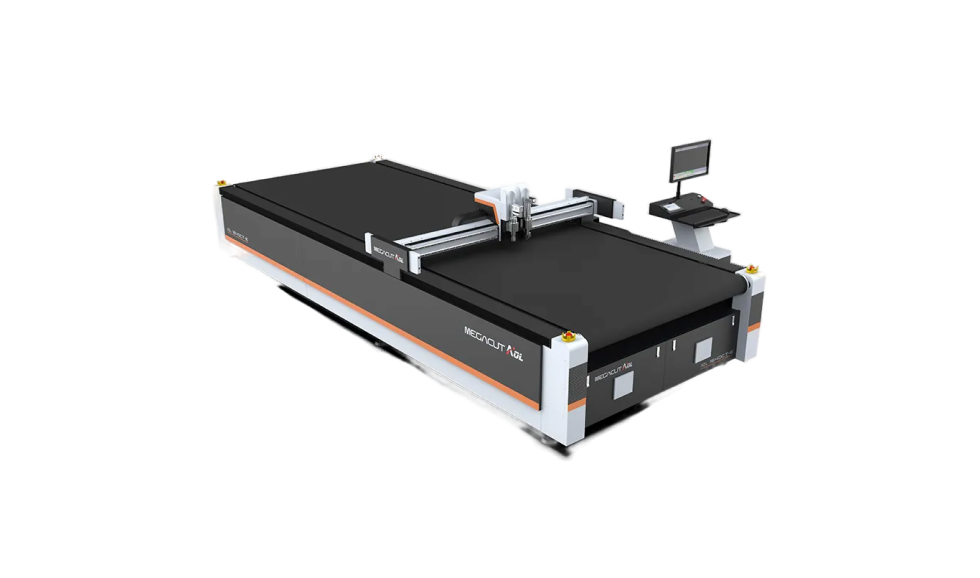
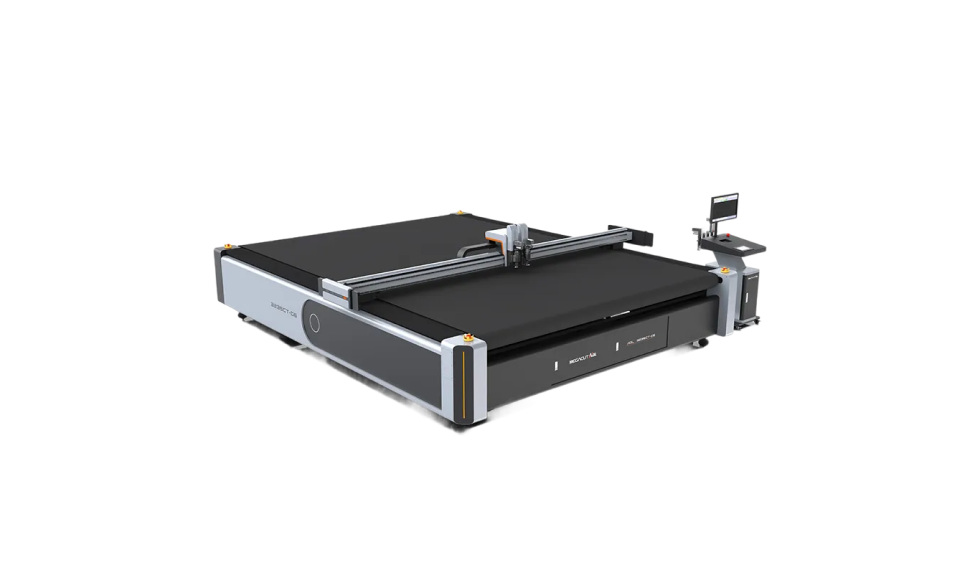
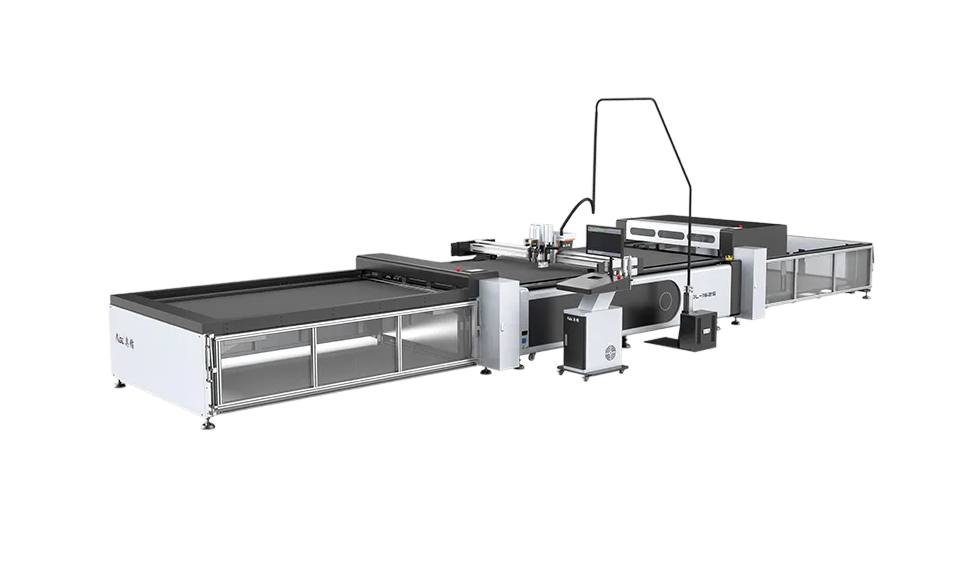

In today's fiercely competitive manufacturing landscape, CNC (Computer Numerical Control) fabric cutting machines have long transcended their role as mere production tools. They have become core strategic assets enabling enterprises to achieve transformation and upgrading while reducing costs and enhancing efficiency. To grasp the profound significance of this product, one must recognize how it fundamentally transforms traditional cutting operations. For any industry involving textiles, apparel, automotive interiors, or upholstered furniture, the past reliance on manual labor—where master craftsmen wielded scissors or electric shears—faces dual bottlenecks of efficiency and precision. CNC cutting machines primarily address material cost issues—using advanced automatic nesting algorithms, they maximize fabric utilization, typically reducing waste by 5% to 15%. With rising raw material costs, such savings often mean the machine pays for itself within a year through material savings alone.
Beyond tangible material savings, CNC fabric cutters revolutionize quality control systems. Manual cutting, constrained by worker physical capacity and mood, often yields inconsistent precision between morning and afternoon cuts. This inconsistency frequently causes dimensional deviations in subsequent sewing stages during assembly line production. CNC equipment, however, ensures absolute repeatability in positioning, guaranteeing identical precision from the first cut to the ten-thousandth. For brands, this stability translates to standardized product quality and a significant reduction in return rates. Simultaneously, it addresses the widespread manufacturing challenge of labor shortages—transforming the difficult-to-fill role of manual cutter into an attractive machine operator position for younger workers. A skilled CNC operator can easily replace three to five traditional cutters, fundamentally reducing production's reliance on manual labor.