
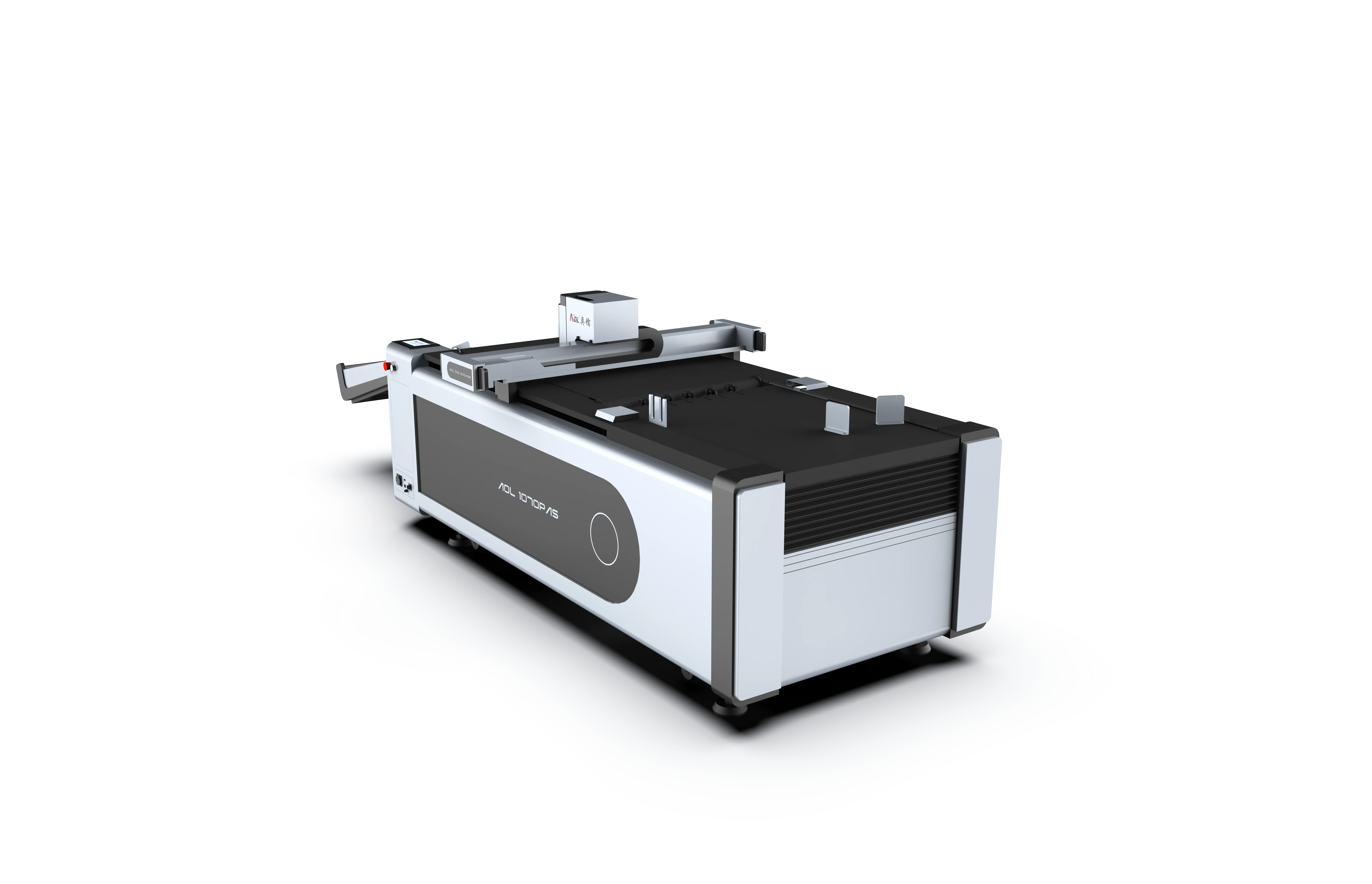
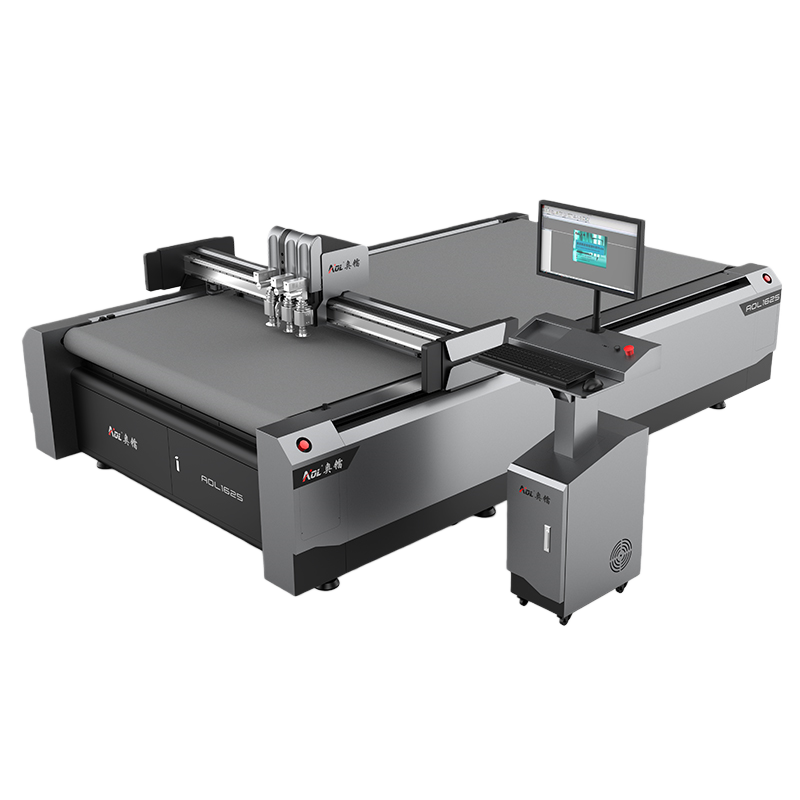
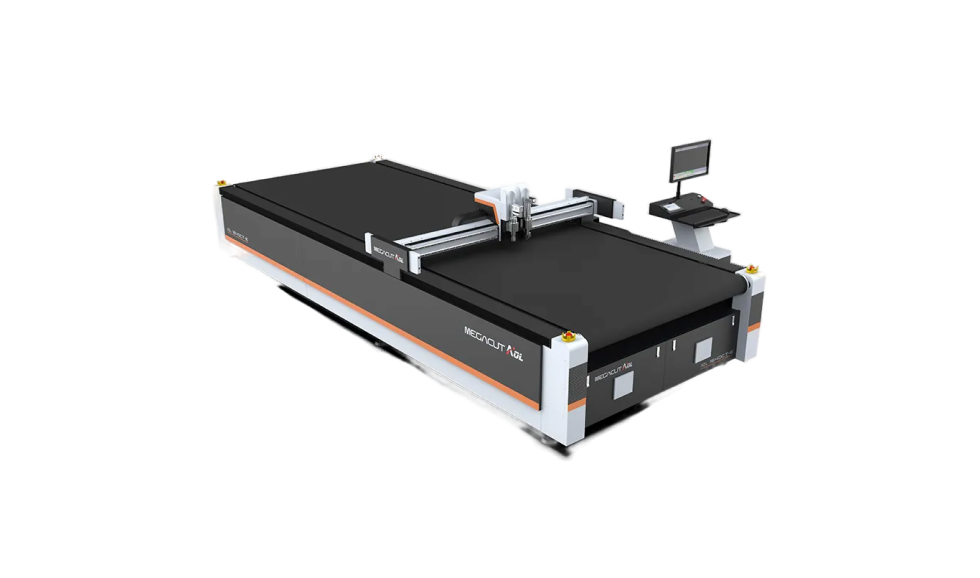
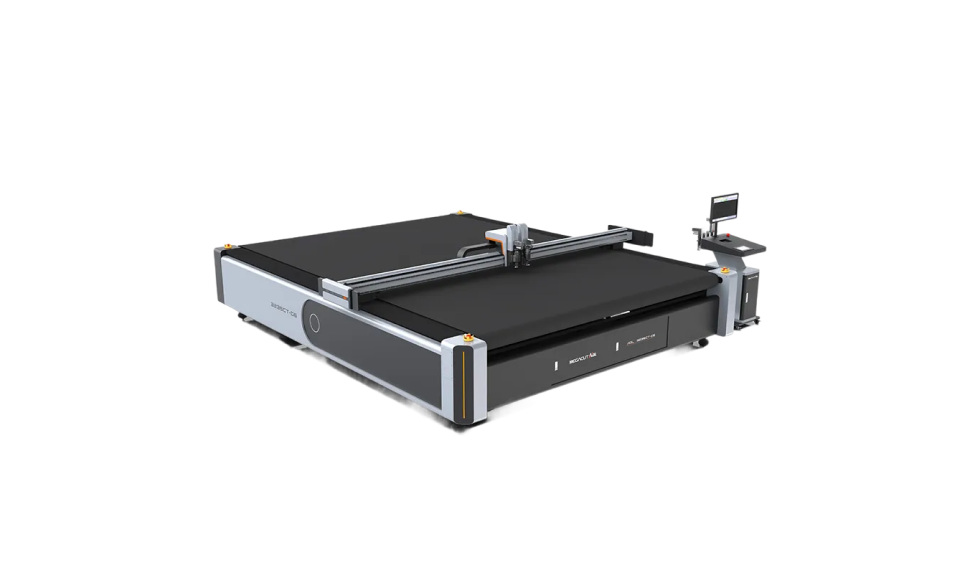
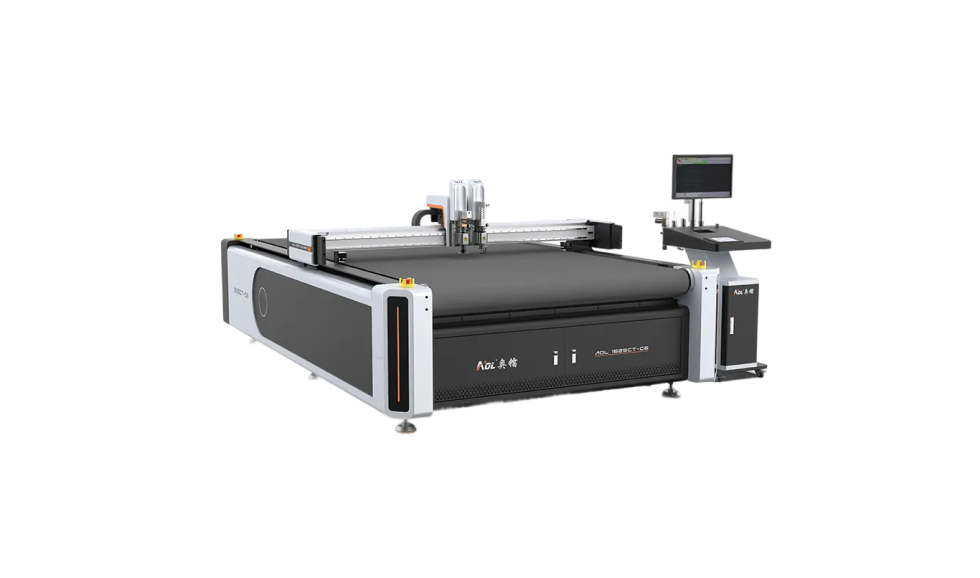
As an advanced digital manufacturing device, the significance of CNC blade cutting machines extends far beyond their sharp blades. They are profoundly reshaping production models and business logic within the flexible materials processing industry. In a flexible materials market valued at over $150 billion, the core value of this equipment lies in its revolutionary transformation of traditional “die-cutting” processes, shifting production from physical dependency to digital-driven operations. Historically, cutting textiles, rubber, or composites required costly steel die molds—entailing weeks-long production cycles alongside mold wear and storage expenses. CNC blade cutters eliminate the need for rigid molds entirely, compressing the journey from design blueprint to finished product from weeks to minutes. This enables true “on-demand manufacturing” and zero-inventory production. Regarding processing quality, unlike laser or plasma cutting which may create heat-affected zones, CNC blade cutting employs pure mechanical shearing force to achieve “cold cutting.” This ensures edges of materials like carbon fiber, technical textiles, and laminated composites remain free from melting, scorching, or hardening, thereby safeguarding the structural integrity and safety of high-tech components. Furthermore, within the Industry 4.0 framework, this equipment serves as a critical execution unit bridging virtual design and physical products. Equipped with an automatic tool-changing system, vacuum-assisted platform, and intelligent nesting algorithms, it enables 24/7 unmanned continuous operation while reducing scrap rates by 10% to 20% through optimized material layout—directly addressing the challenge of rising raw material costs. More importantly, CNC blade cutters empower manufacturers with unprecedented flexibility. Whether cutting leather, multi-layered fabrics, or thick foam, a single machine handles it all with ease. This makes “mass customization” feasible—producing a thousand completely different shapes no longer requires costly changeover expenses. This opens entirely new business dimensions for automotive interiors, aerospace, and personalized consumer goods industries. Ultimately, CNC blade cutting machines are more than just tools; they are strategic solutions for businesses tackling core challenges like rising labor costs, material waste, and slow market responsiveness.