
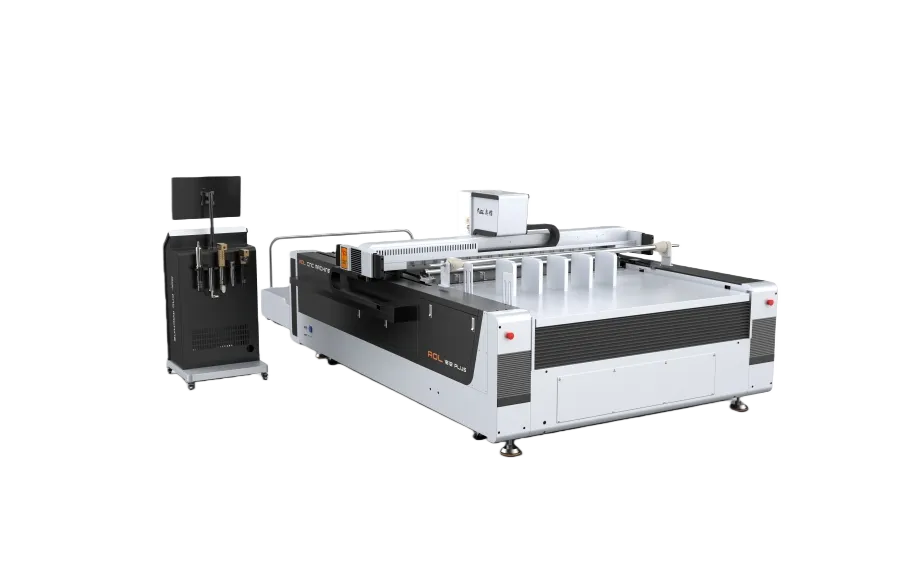
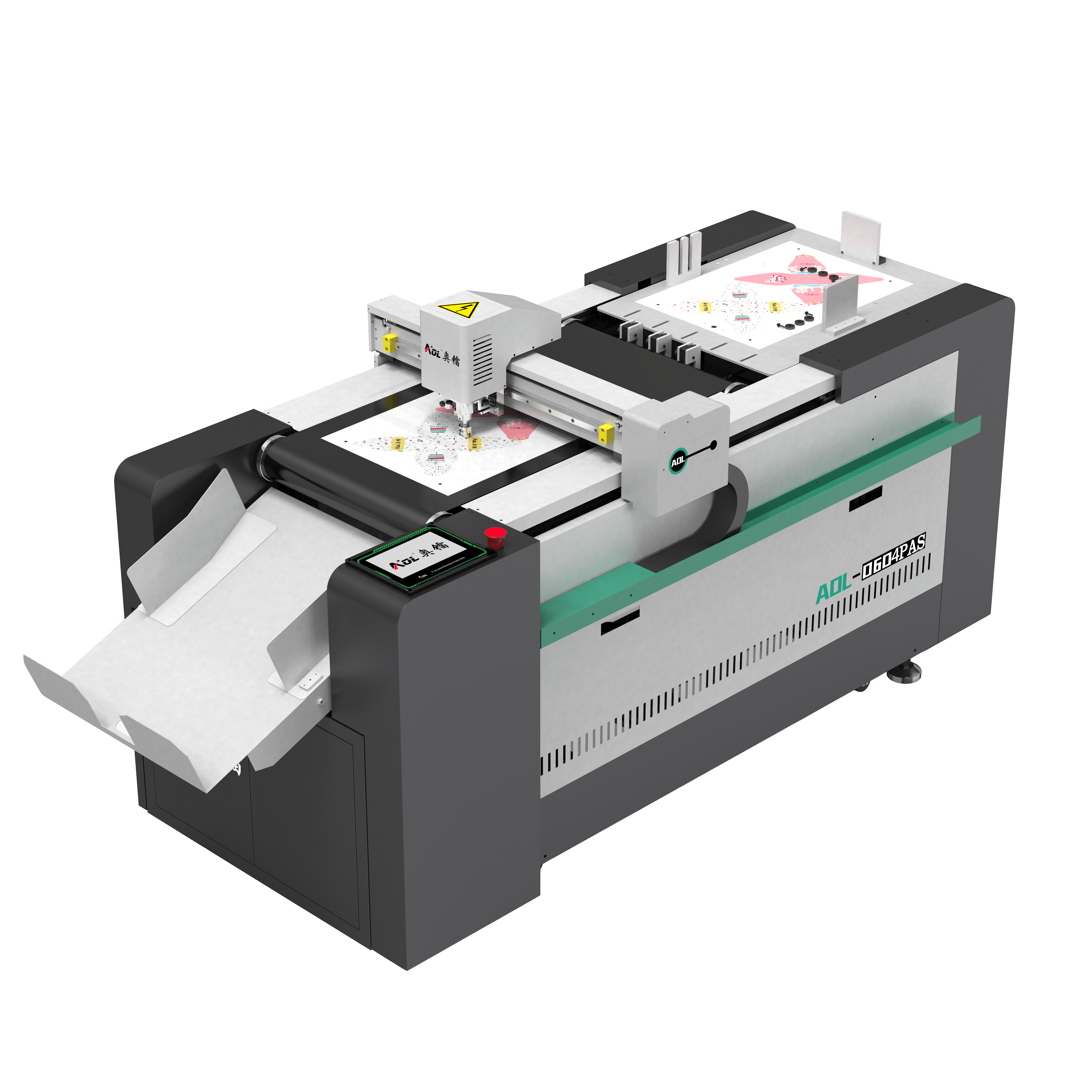
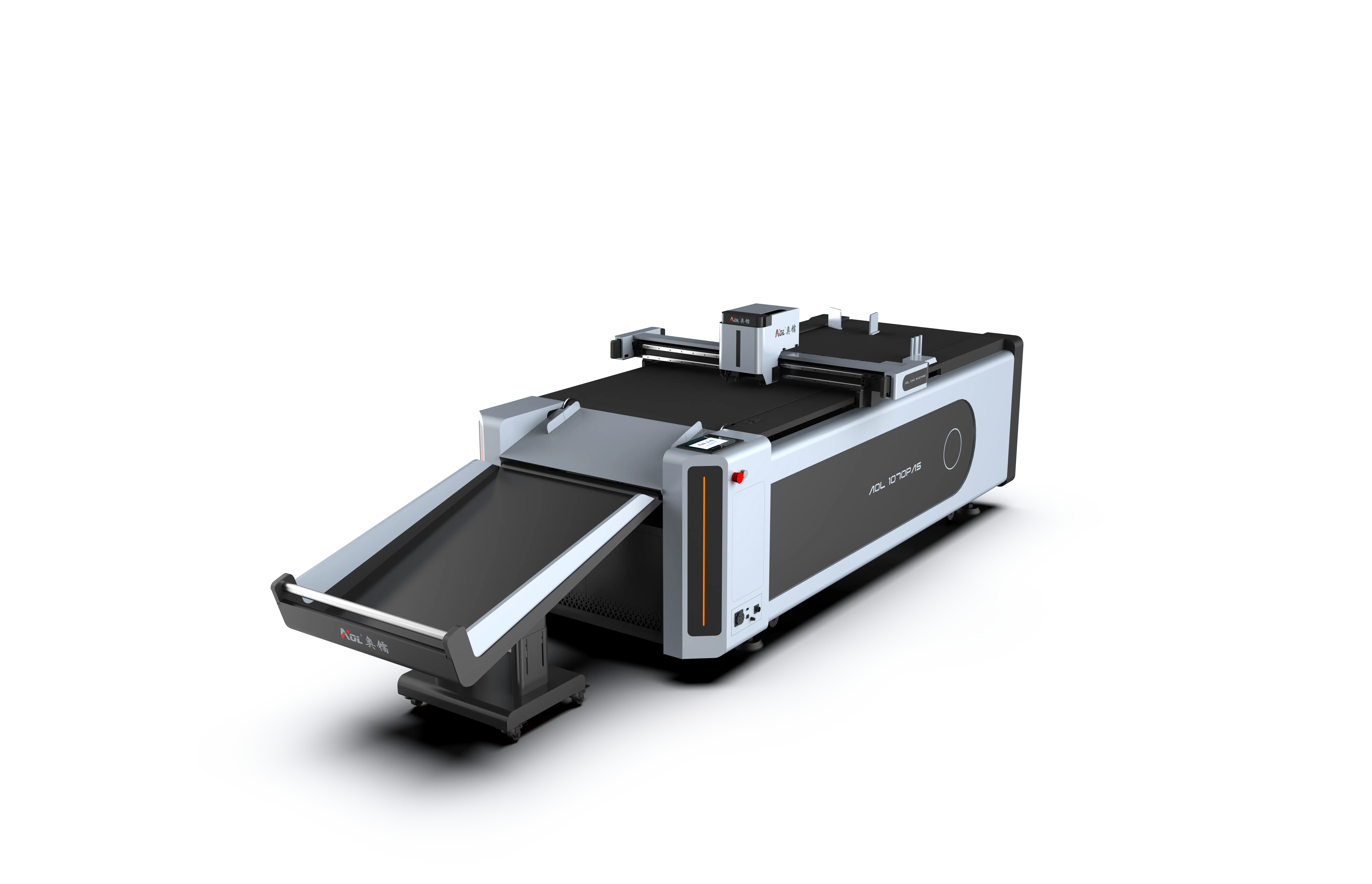
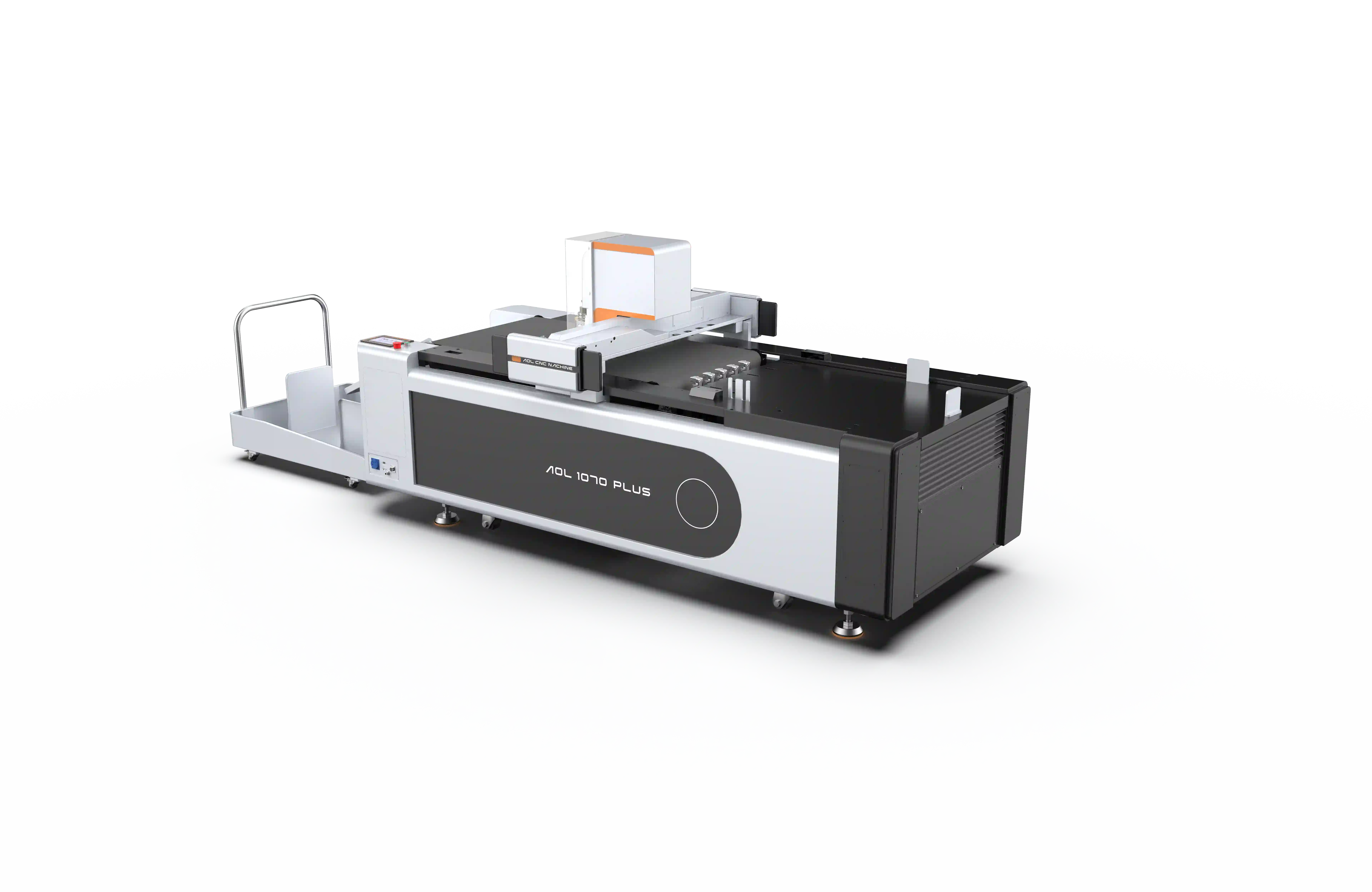
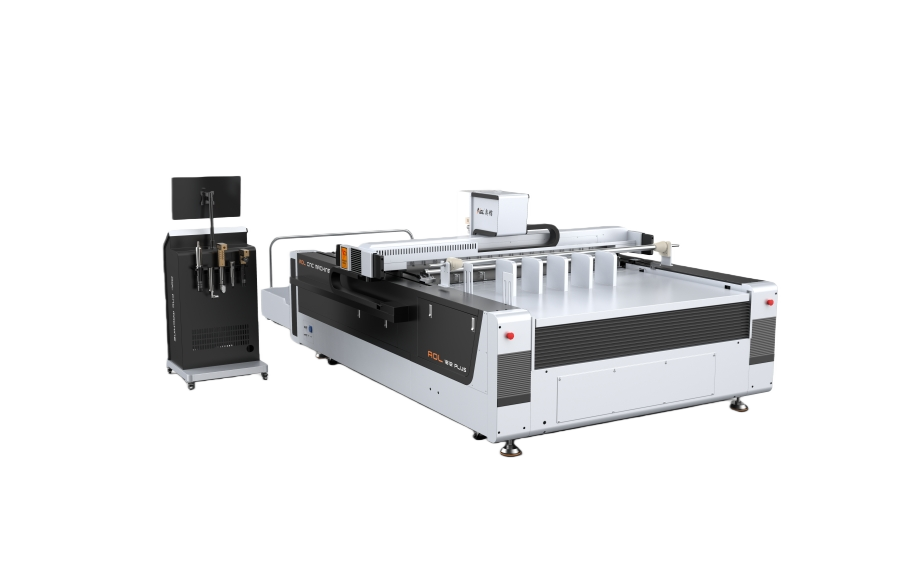

In the fast-paced textile and composite manufacturing industry, traditional manual cutting methods can no longer meet modern production demands. Consequently, the market demand for CNC textile cutters has surged dramatically. Manufacturers urgently seek to eliminate human error, reduce material waste, and significantly shorten production cycles by introducing automated equipment. The evolution from manual scissors and punch dies to CNC textile cutters represents more than just a tool upgrade—it signifies a qualitative shift integrating digital precision into the core of production, marking a monumental leap in quality control and throughput capacity.
The core value of CNC textile cutters lies first in their unparalleled processing precision. Whether for aerospace composites or high-end fashion tailoring, textile cutting demands stringent accuracy. These automated machines follow digital files like DXF, AI, or CAD to cut with micron-level precision, ensuring every fabric piece in complex interiors aligns perfectly in subsequent processes. More importantly, once programmed, the machine can flawlessly replicate the cutting path countless times, guaranteeing consistency across batch production—a level of precision unattainable by manual labor.
Beyond precision, the significant cost advantages of CNC textile cutters stem primarily from effective material waste control. Fabric typically constitutes the largest portion of production costs, yet manual cutting or traditional die-cutting offers limited flexibility in material layout. High-end CNC textile cutters integrate advanced nesting algorithms that tightly arrange cut components on the fabric, minimizing gap waste. Paired with precision tools like oscillating blades or drag knives, the machine can cut precisely along pattern edges, maximizing fabric utilization and directly boosting a company's economic efficiency.