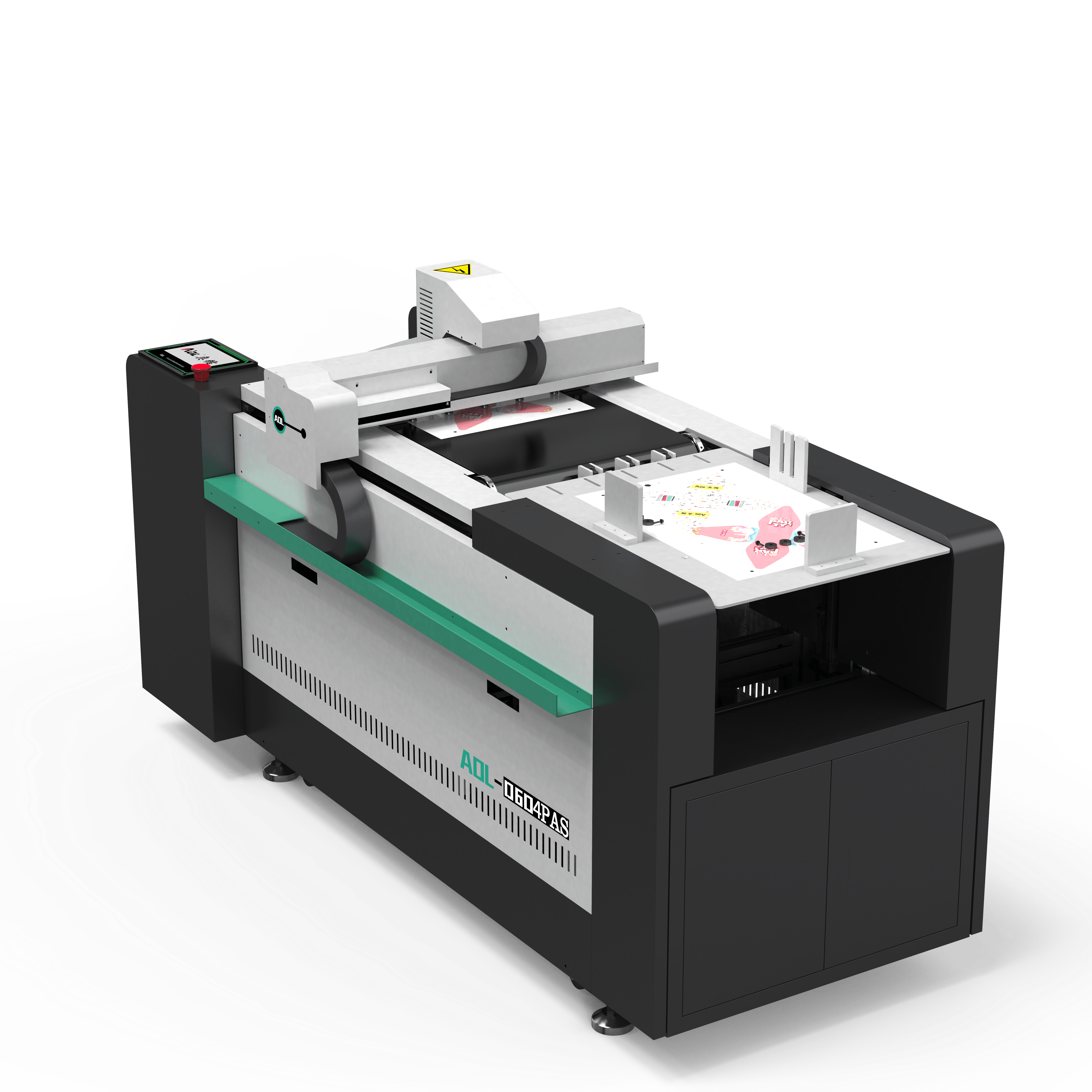
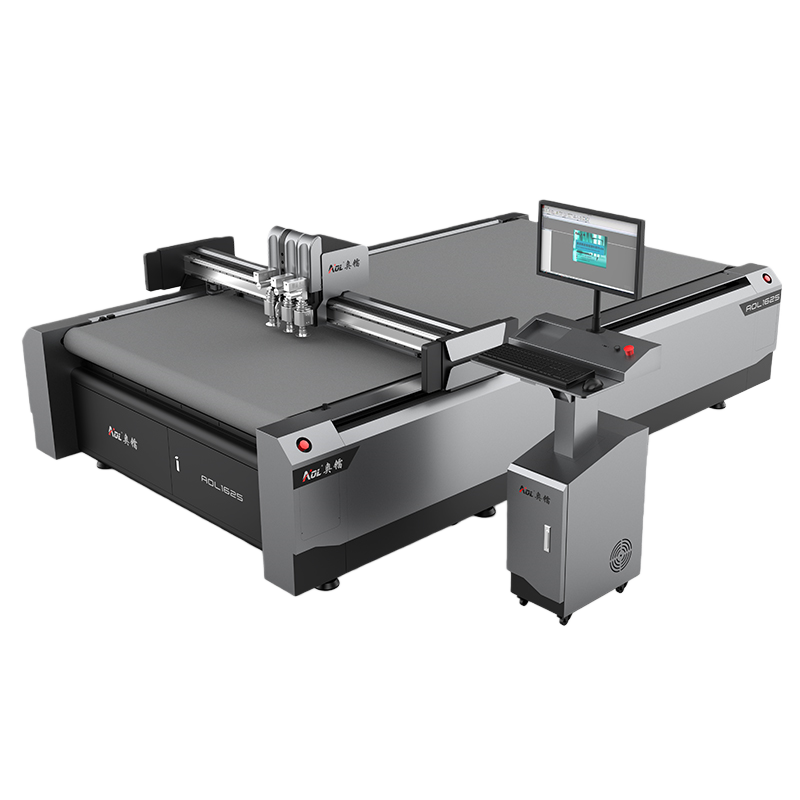
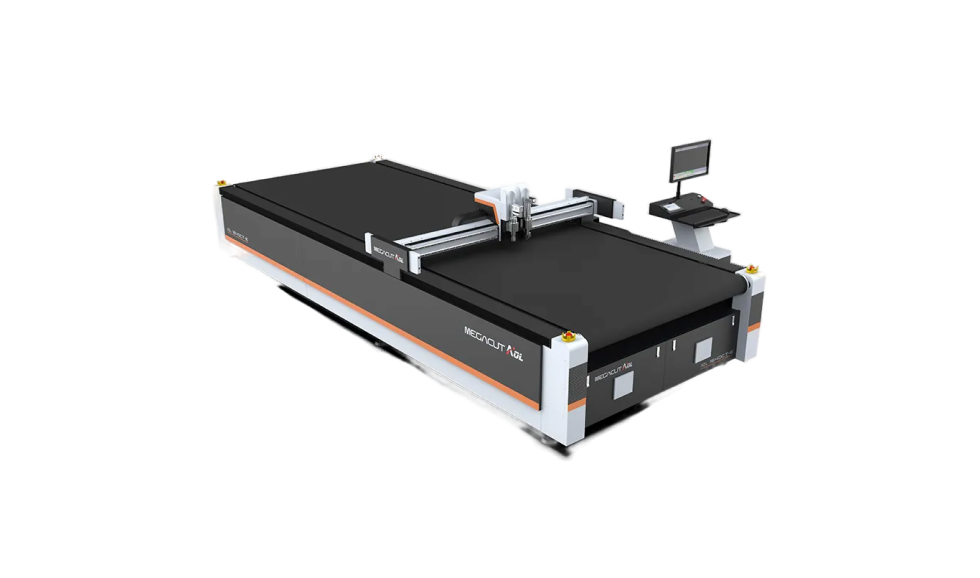
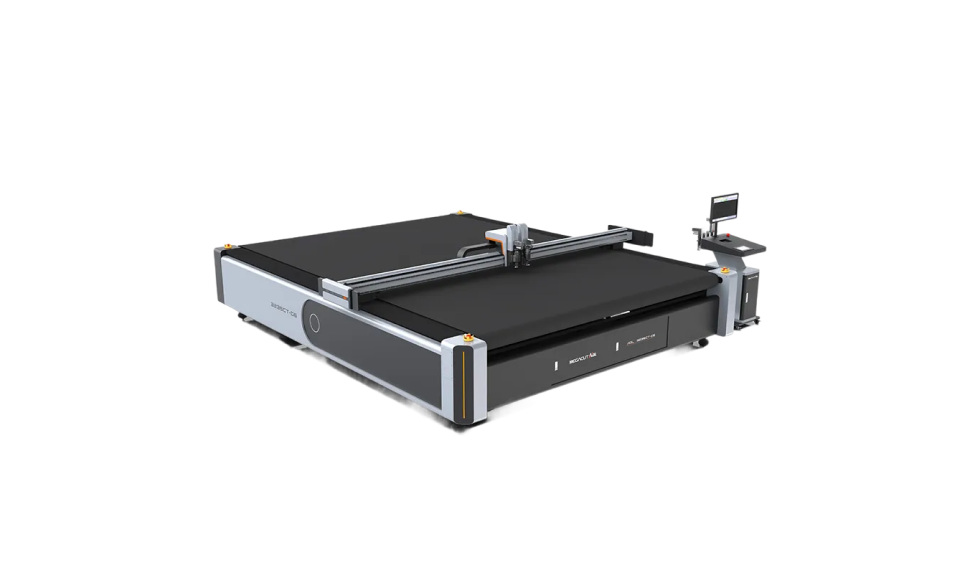
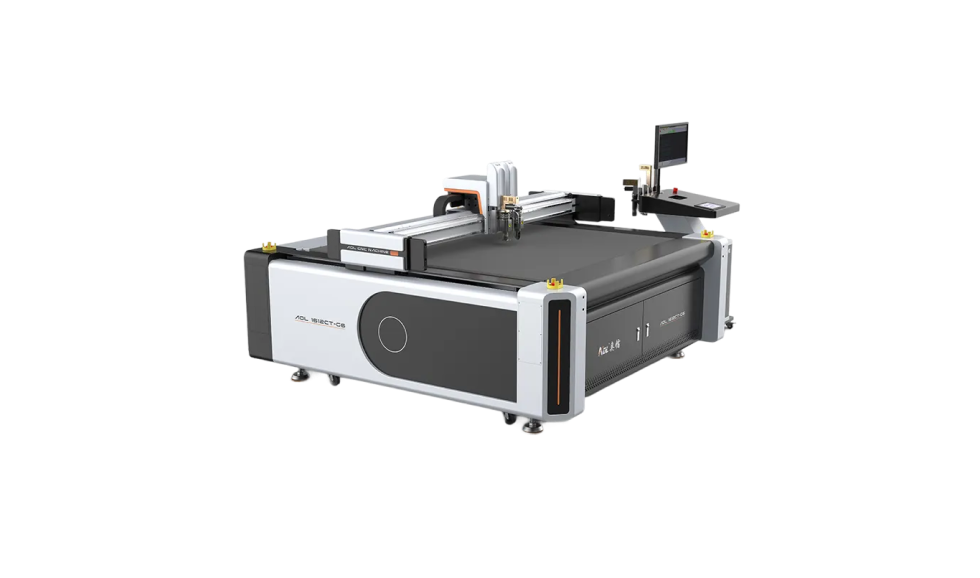
In today's rapidly evolving business landscape, commercial CNC die-cutting machines offer immense application potential, gradually becoming the core equipment for numerous enterprises to achieve flexible production and bring creative concepts to life. First, in the realm of custom packaging and prototyping, as e-commerce platforms pursue personalized unboxing experiences, businesses can leverage this equipment for short-run production of packaging boxes and structural prototype sampling. This eliminates the need to bear the high costs of traditional molds, enabling rapid testing and launch of customized shipping boxes and inserts, significantly shortening new product launch cycles.
Second, within the professional graphic and signage production industry, this equipment opens up entirely new revenue streams for print shops and advertising/signage companies. It not only achieves high-precision cutting for vehicle decals and creates intricate wall murals but also enables bulk production of custom magnetic tiles. This empowers businesses to bring in-house previously outsourced engraving and contour cutting services, boosting profit margins and accelerating delivery times.
In textile and apparel customization, commercial CNC die-cutting machines are transforming traditional production methods. Whether handling bulk heat transfer cutting for sports team uniforms, small-batch fabric trials for independent designer brands, or intricate badge base cutting, it handles tasks with ease. This empowers garment factories and customization shops to achieve true on-demand production, effectively reducing inventory pressure.
Furthermore, this equipment serves as a “firefighter” in the industrial and technical components sector. For factories requiring urgent seal replacements or auto repair shops needing custom gaskets, on-site cutting of non-standard gaskets from rubber, foam, or felt using die-cutting machines is far more efficient than waiting for external supply chain deliveries. Simultaneously, it is frequently employed for precision cutting of electronic insulation materials.
In the cultural and creative industries and education markets, demand for commercial die-cutting machines remains robust. From high-margin sticker production and handcrafted notebook trimming to bulk manufacturing of kindergarten teaching aids, it empowers offline cultural stores and educational institutions to swiftly transform design blueprints into tangible products. In the leather goods and accessories sector, it liberates artisans from the inefficiency and inconsistency of manual cutting, enabling standardized, high-precision trimming of leather components like wallets and watch straps.
Finally, in model-making and architectural visualization, these machines are indispensable tools for architectural firms and film prop teams. From intricate facade cuts on architectural models to shaping EVA foam for cinematic armor, CNC die-cutting machines ensure precise reproduction of complex curves and minute structures, translating designers' visions into physical reality with exceptional accuracy.
In summary, the application prospects of commercial CNC die-cutting machines span virtually every industry involving flat material forming. They serve not merely as production tools but as key drivers enabling businesses to expand their operational scope and commercialize creative concepts.

 EN
EN