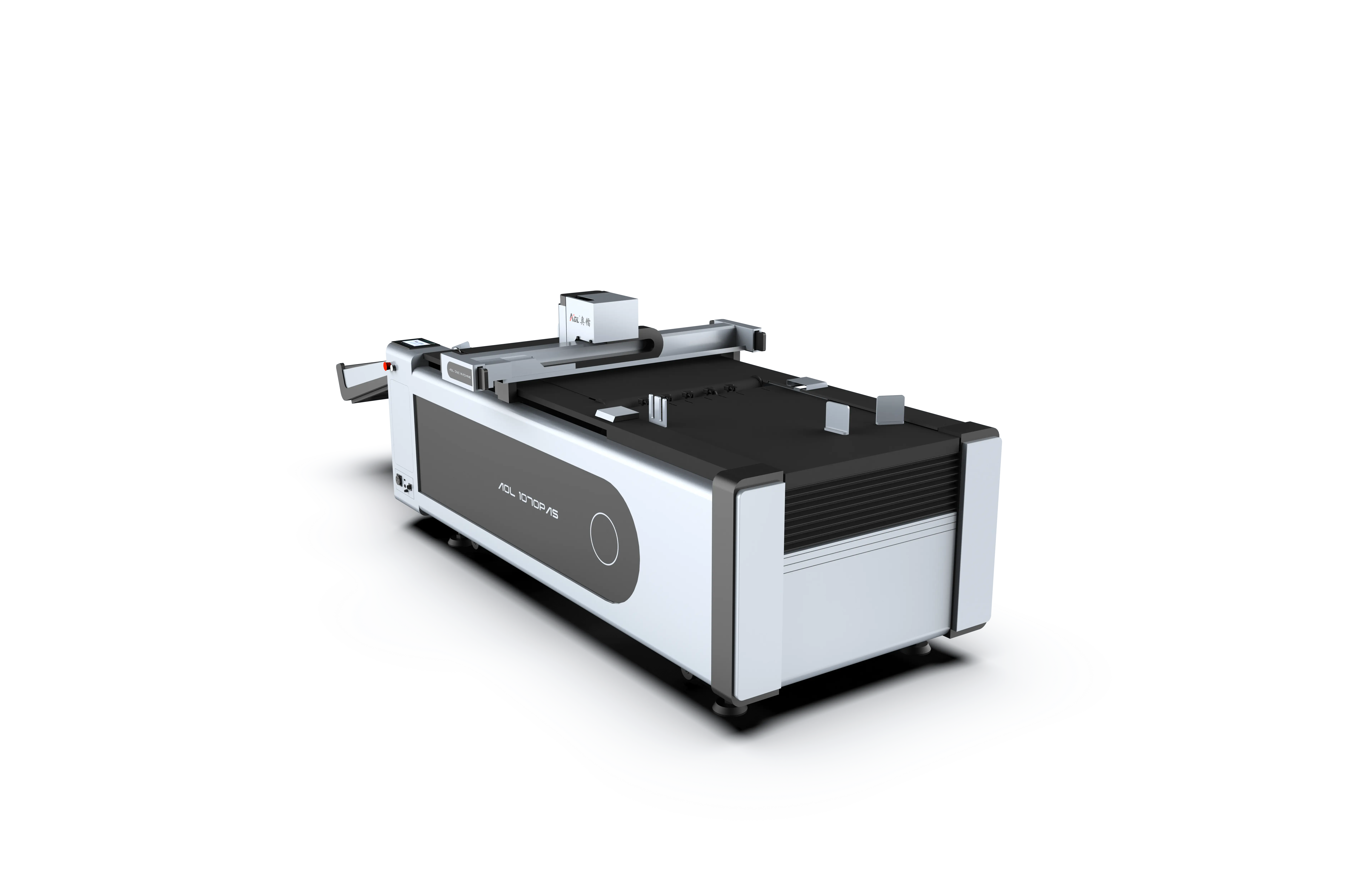
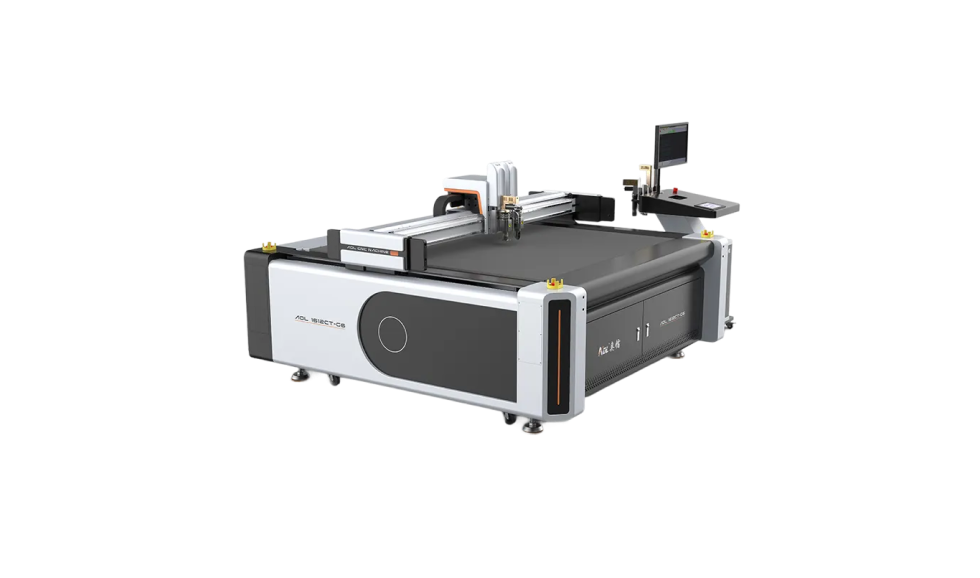
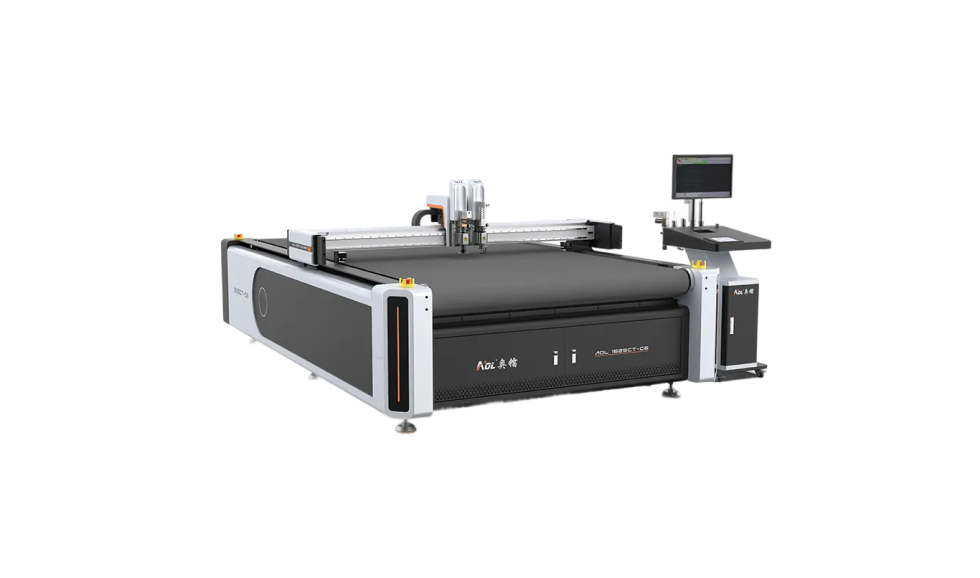
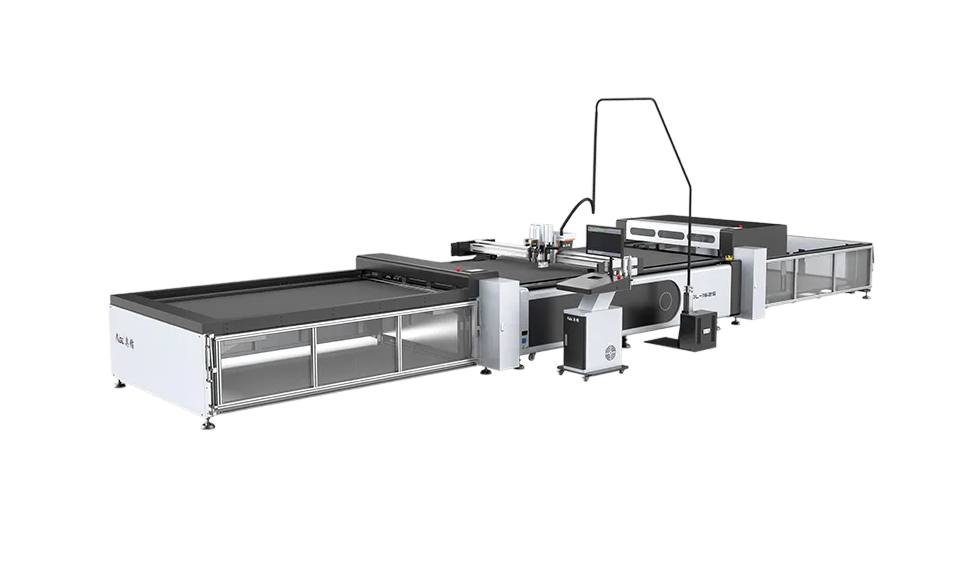
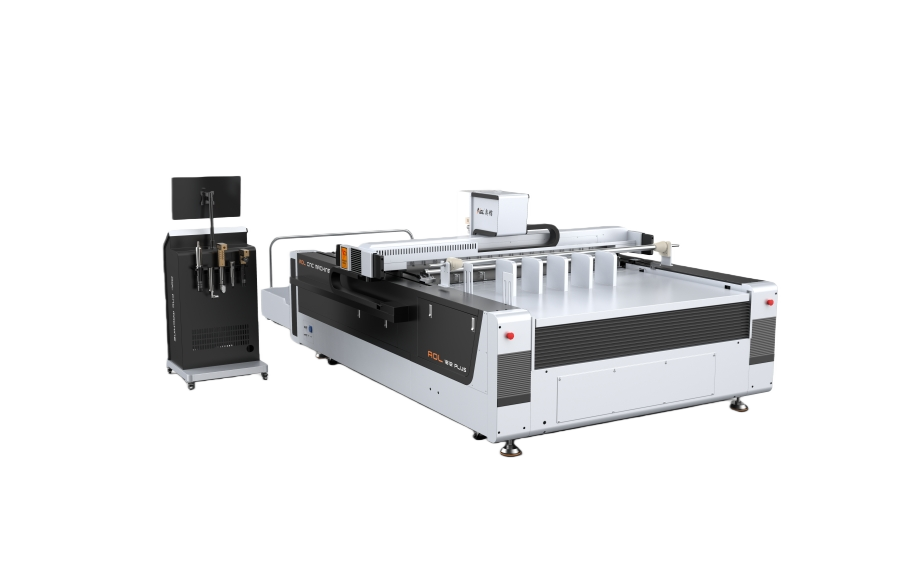
As global manufacturing demands for lightweight, high-strength materials continues to grow, the application boundaries of composite materials are constantly expanding. As the core equipment for processing these advanced materials, composite cutting machines are no longer confined to specific industrial sectors but have become key tools driving innovation and mass production across multiple high-growth industries.
The value of this equipment is most profoundly demonstrated in aerospace and defense. Carbon fiber reinforced plastics (CFRP) are extensively used in manufacturing airframes, wing structures, and interior components, while aramid (Kevlar) serves as the core material for ballistic protection systems. Composite cutting machines, with their exceptional precision and burr-free cutting process, ensure these critical components maintain structural integrity under high stress loads, meeting stringent industry certification standards.
Simultaneously, the explosive growth of new energy vehicles and rail transit has opened up a massive incremental market for composite cutting machines. To extend driving range, vehicle body lightweighting has become an inevitable trend. From carbon fiber body panels to composite battery pack covers, cutting machines must not only handle complex curved surfaces but also minimize waste of expensive carbon fiber materials through intelligent nesting software. This enables automotive manufacturing to transition from luxury customization to mass production.
In shipbuilding and marine engineering, corrosion resistance remains an eternal challenge. Fiberglass Reinforced Plastic (FRP) is the mainstream material for manufacturing yachts, lifeboats, and workboats. Traditional manual cutting is not only inefficient but also generates significant dust. Automated cutting machines can precisely process materials ranging from thin fabrics to heavy sandwich panels. Their sealed cutting edges effectively prevent water ingress, significantly extending the service life of hulls in harsh marine environments.
Furthermore, the rise of renewable energy relies heavily on composite cutting technology. Wind turbine blades often span tens or even hundreds of meters, featuring complex internal structures incorporating glass fiber, carbon fiber, and lightweight wood cores. Large-scale composite cutting systems meet these ultra-long processing demands, ensuring precise aerodynamic profiles that form the foundation for efficient wind energy capture.
In the realms of high-end sporting goods and consumer electronics—products integral to daily life—this machine similarly serves as a behind-the-scenes hero. Whether crafting carbon fiber bicycle frames, hockey sticks, or premium laptop casings, the cutting process must preserve flawless woven textures without fraying edges. The equipment's high dynamic responsiveness and precision cutting capabilities satisfy the market's dual demands for aesthetics and performance.

 EN
EN