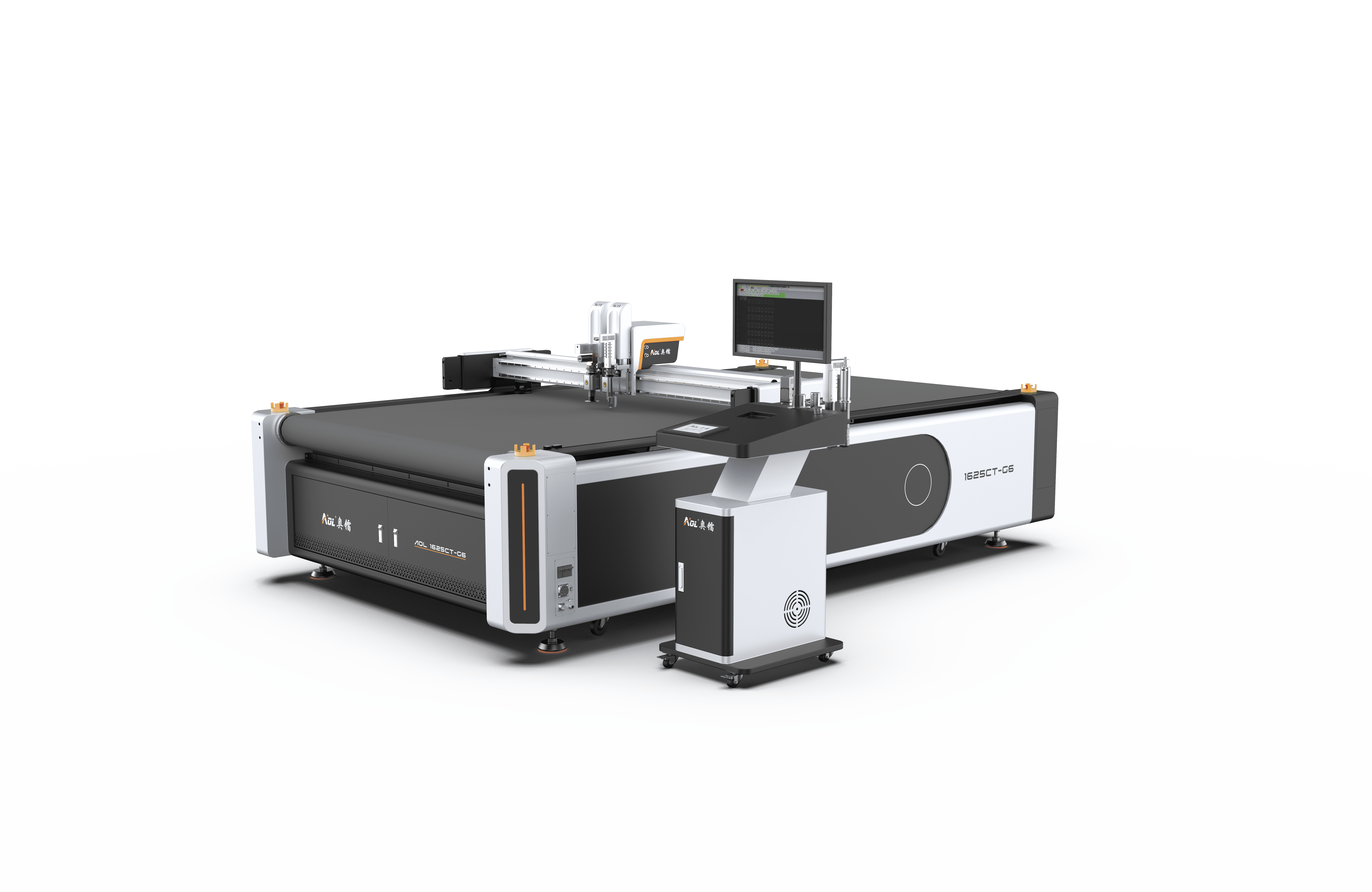
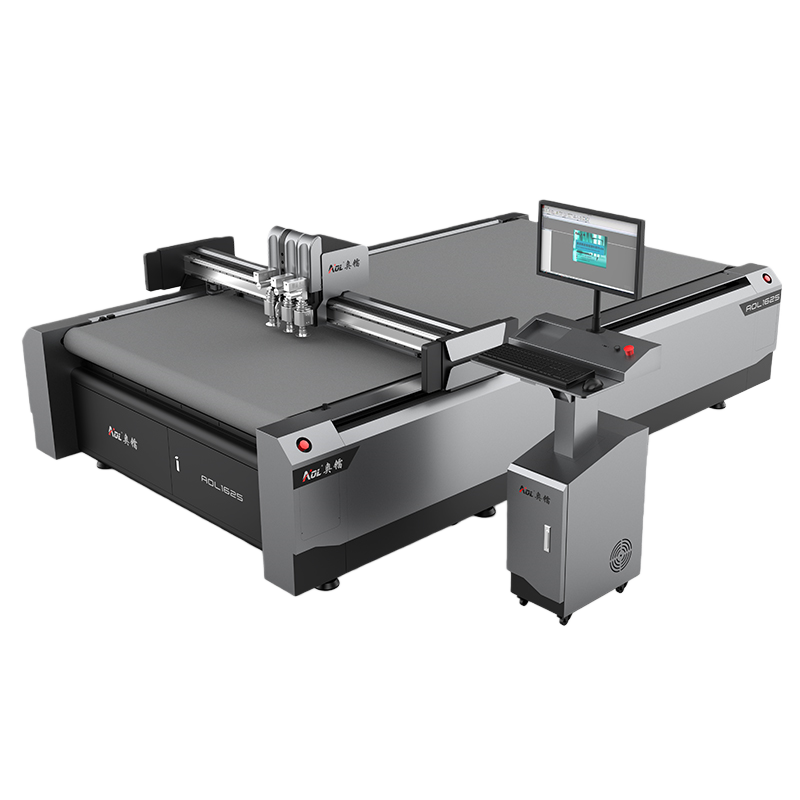
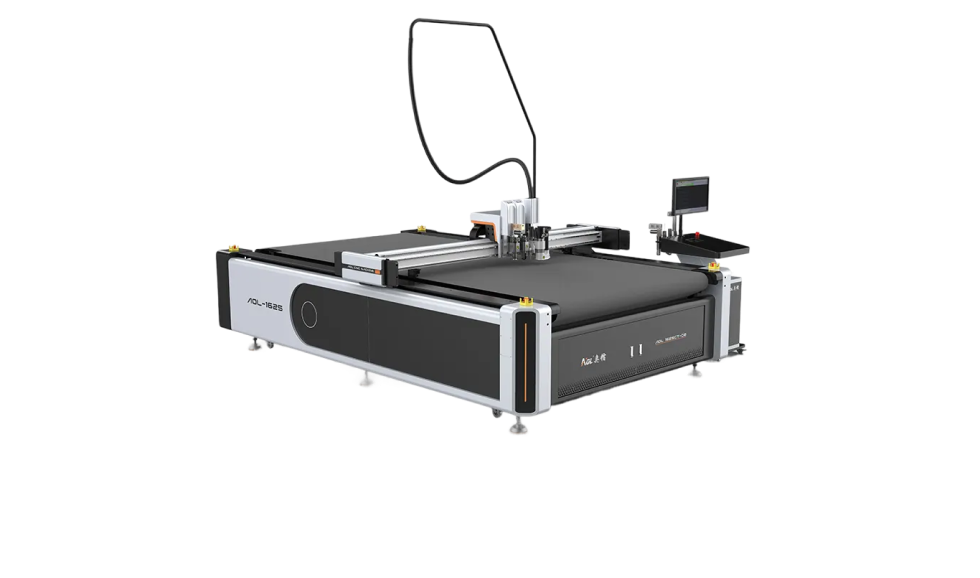
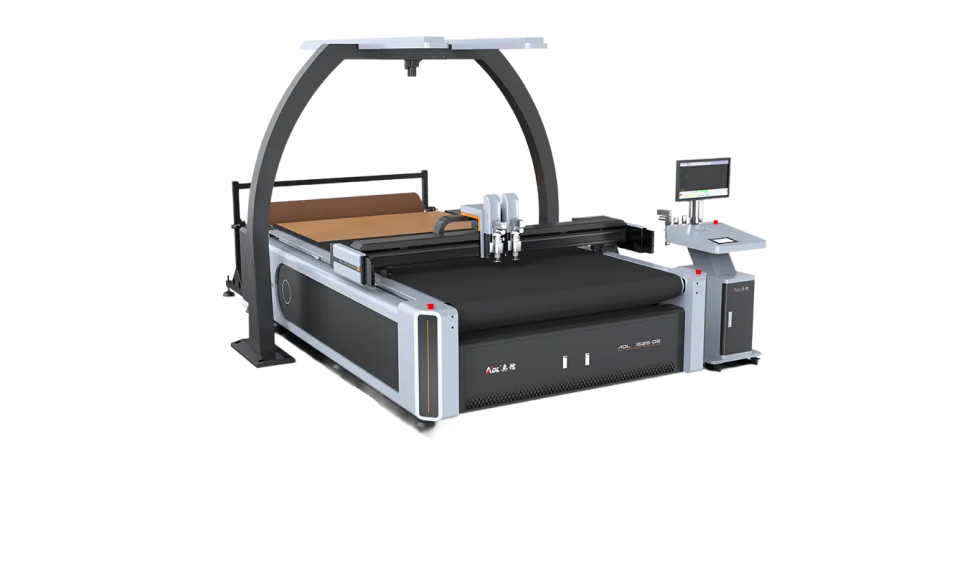
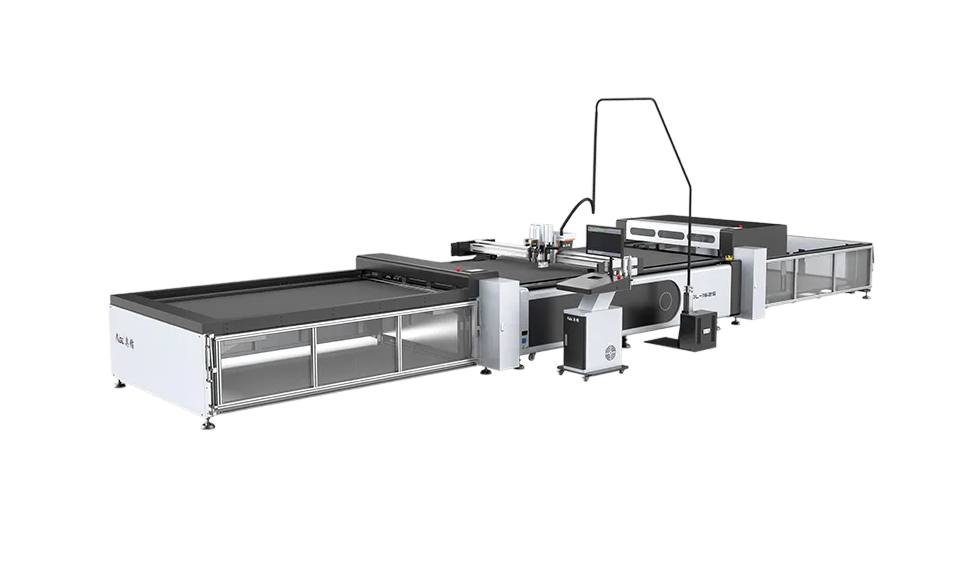
The application prospects of computer-controlled fabric cutting machines extend far beyond traditional apparel manufacturing. Combining speed, precision, and material optimization capabilities, they have become indispensable core equipment across numerous industrial sectors, profoundly reshaping the landscape of modern manufacturing.
In transportation, particularly automotive and aerospace industries, demand for customized, high-precision interior components is surging. These machines are extensively used to cut seat covers, headliners, carpets, and soundproofing materials. With these sectors demanding extreme safety standards and production repeatability, computer-controlled cutters ensure micron-level precision for airbag tear seams while flawlessly processing aerospace composites, completely eliminating edge abrasion issues. As industries transition to advanced materials, cutting technical textiles and composites has become another critical application. Whether carbon fiber and glass fiber for construction and wind energy, or Kevlar fabrics for marine engineering, these materials are not only costly but also challenging to process. Automated cutting systems maximize material utilization through advanced optimization algorithms, while their controlled cutting environment prevents material deformation, minimizing scrap rates.
In the furniture and decor industry, the rise of fast-fashion furniture and personalized interior design demands extremely rapid response times from manufacturers. Whether cutting fabrics for sofas and mattresses or materials like leather and foam laminates, computer-controlled cutting machines can process dozens of layers simultaneously. This capability significantly shortens production cycles, enabling manufacturers to meet just-in-time delivery requirements. In protective gear and technical apparel, stringent safety regulations for firefighting, military, and industrial sectors demand exceptional production consistency. This technology ensures uniform quality across thousands of units while precisely handling flame-retardant materials with specialized surface coatings without compromising their protective properties.
Applications in medical textiles have become particularly critical in recent years. From disposable surgical gowns and masks to orthopedic dressing pads, computer-controlled cutting machines not only minimize manual contact with materials to maintain sterility but also enable rapid production line adjustments to flexibly manufacture diverse medical supplies based on market demand. Finally, in digital printing and soft signage, the advancement of dye-sublimation printing technology has made precise contour cutting essential for retail displays and event banners. The camera recognition system integrated into the equipment accurately reads printed registration marks on fabrics, enabling flawless cutting of complex graphics—a feat unmatched by manual operations.
In summary, the application prospects of computer-controlled fabric cutting machines extend far beyond mere “fabric cutting.” Their core value lies in “empowering innovation.” As manufacturing transitions toward on-demand production and batch customization, the ability to seamlessly switch processing between diverse materials—from denim to carbon fiber—on a single machine without tool changes represents a core competitive advantage for enterprises in future markets.

 EN
EN