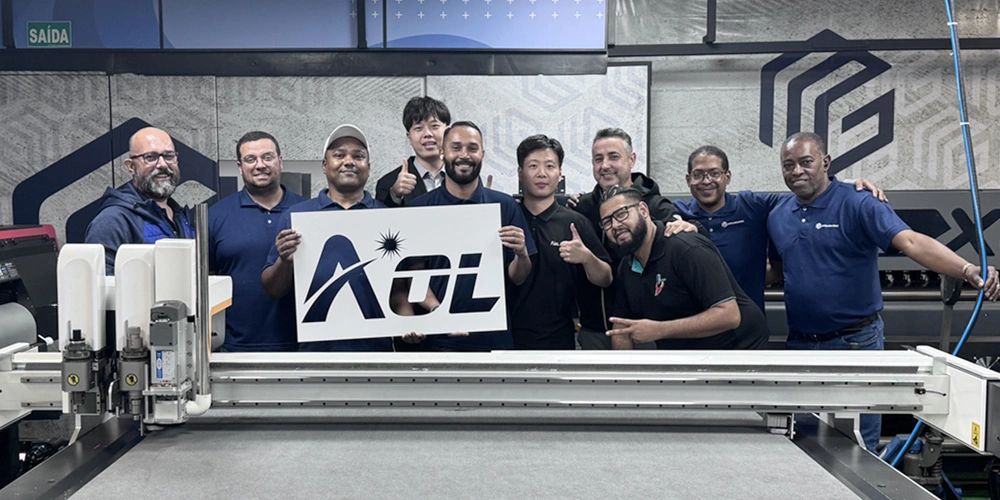

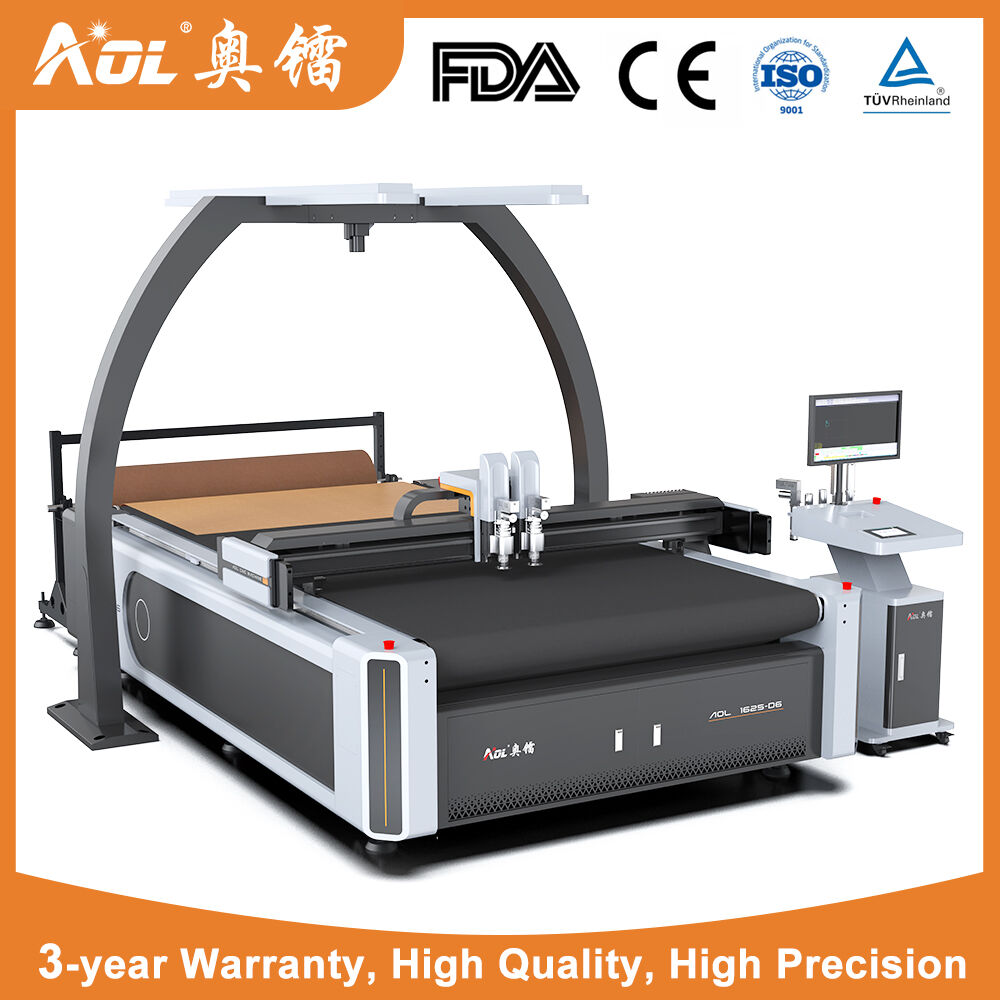
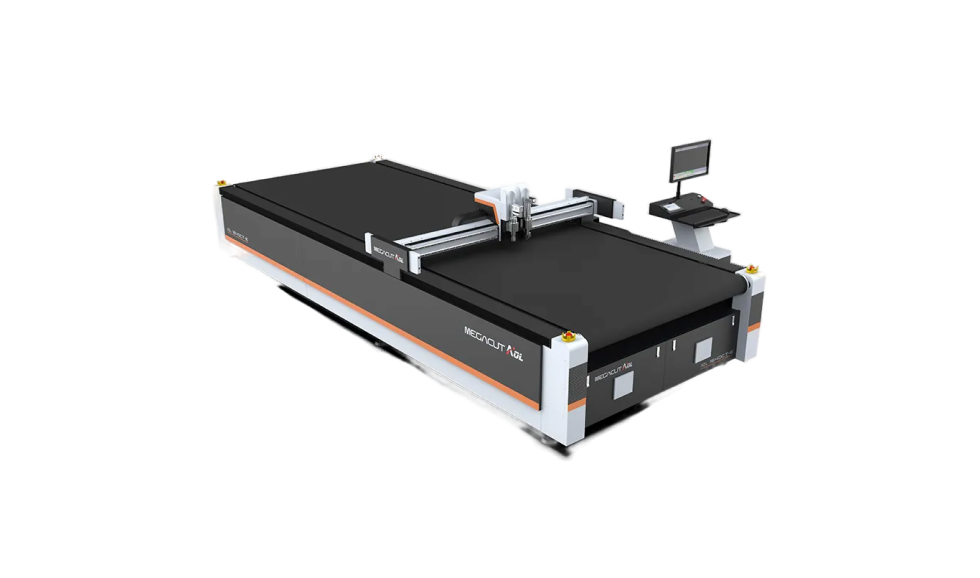
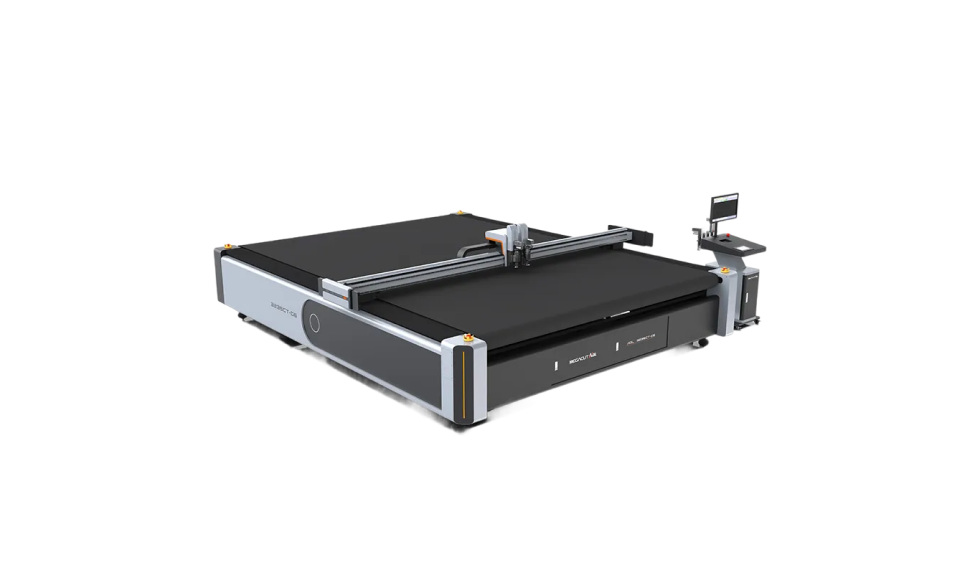
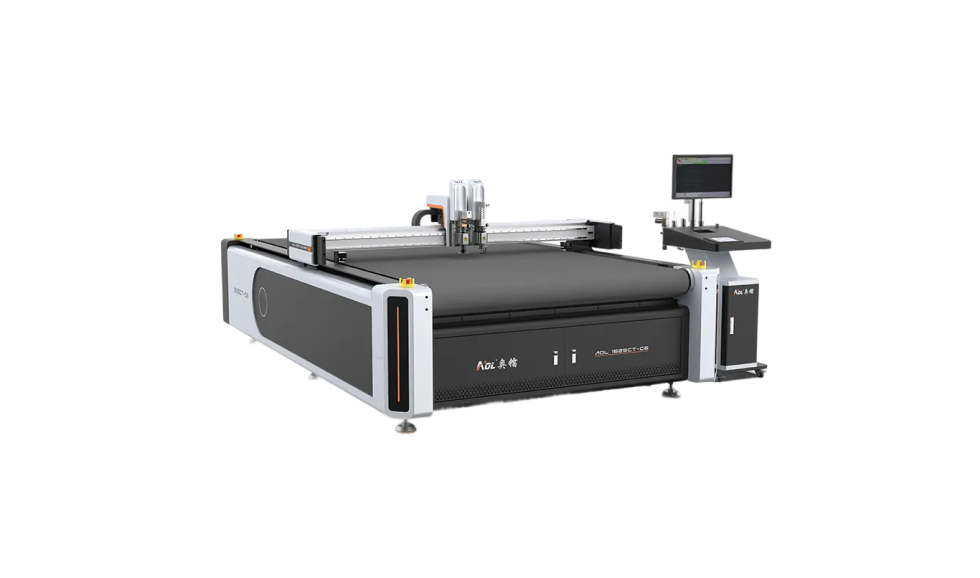
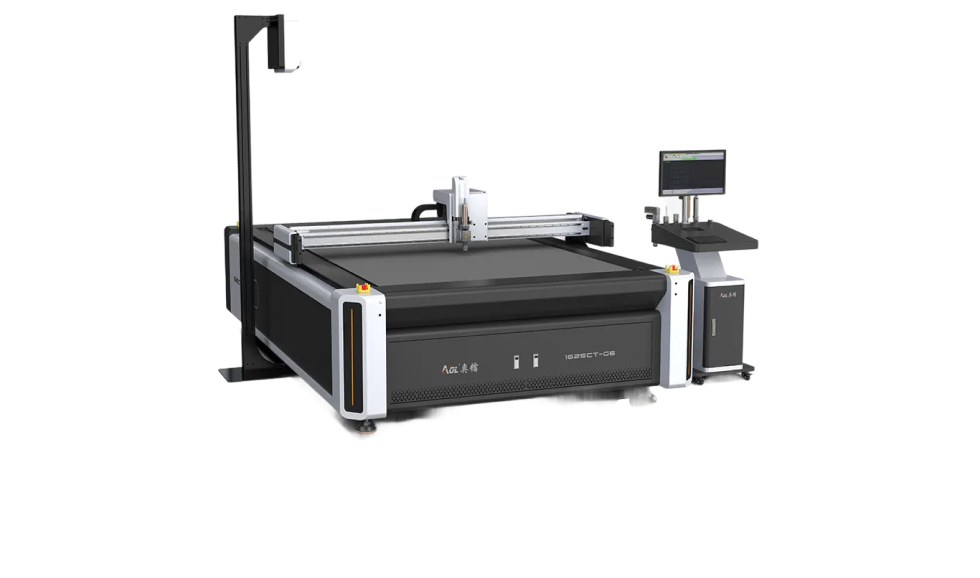
The advent of computer-controlled blade cutting machines signifies a fundamental shift in the manufacturing paradigm. It is not merely a cutting tool but a bridge connecting digital design to physical entities, particularly in the realm of flexible material processing. Its core significance lies in ending the century-long “mold era” that dominated the industry. Traditional methods relied on heavy custom dies costing thousands of dollars and taking weeks to develop. This equipment enables “digital molds”—any shape that can be drawn on a screen can be instantly cut by the machine. This drastically lowers the barrier to entry, allowing small and medium-sized enterprises to compete without bearing high upfront costs. This technological leveling of the playing field has completely reshaped the industry's competitive landscape.
In terms of commercial sustainability, the device redefines the economics of material utilization. In high-cost material industries like aerospace (carbon fiber) or automotive interiors (leather), manual nesting errors directly erode profits. The machine's built-in intelligent algorithms automatically calculate optimal nesting paths. By tightly fitting complex shapes together, they squeeze an extra 5% to 10% utilization out of each roll of material. This precision directly lowers cost of goods sold and builds a solid profit moat for businesses amid volatile supply chain costs. Simultaneously, reduced waste aligns with increasingly stringent environmental compliance requirements, making production processes sustainable.
Moreover, this technology forms the physical foundation for “mass customization” in the Industry 4.0 era. Under the “single-product batch” production model, each component placed on the cutting table can be treated as an independent order. By scanning barcodes, the equipment automatically retrieves corresponding data files, seamlessly switching between cutting products of different sizes or styles. This enables manufacturers to offer unlimited personalized options without increasing inventory burdens. Simultaneously, addressing labor shortages and occupational health challenges, this automated cutting liberates operators from high-risk repetitive tasks. By managing multiple machines through control interfaces, it transforms traditional manual labor into skilled technical roles. This approach achieves higher output with fewer workers, truly empowering people.