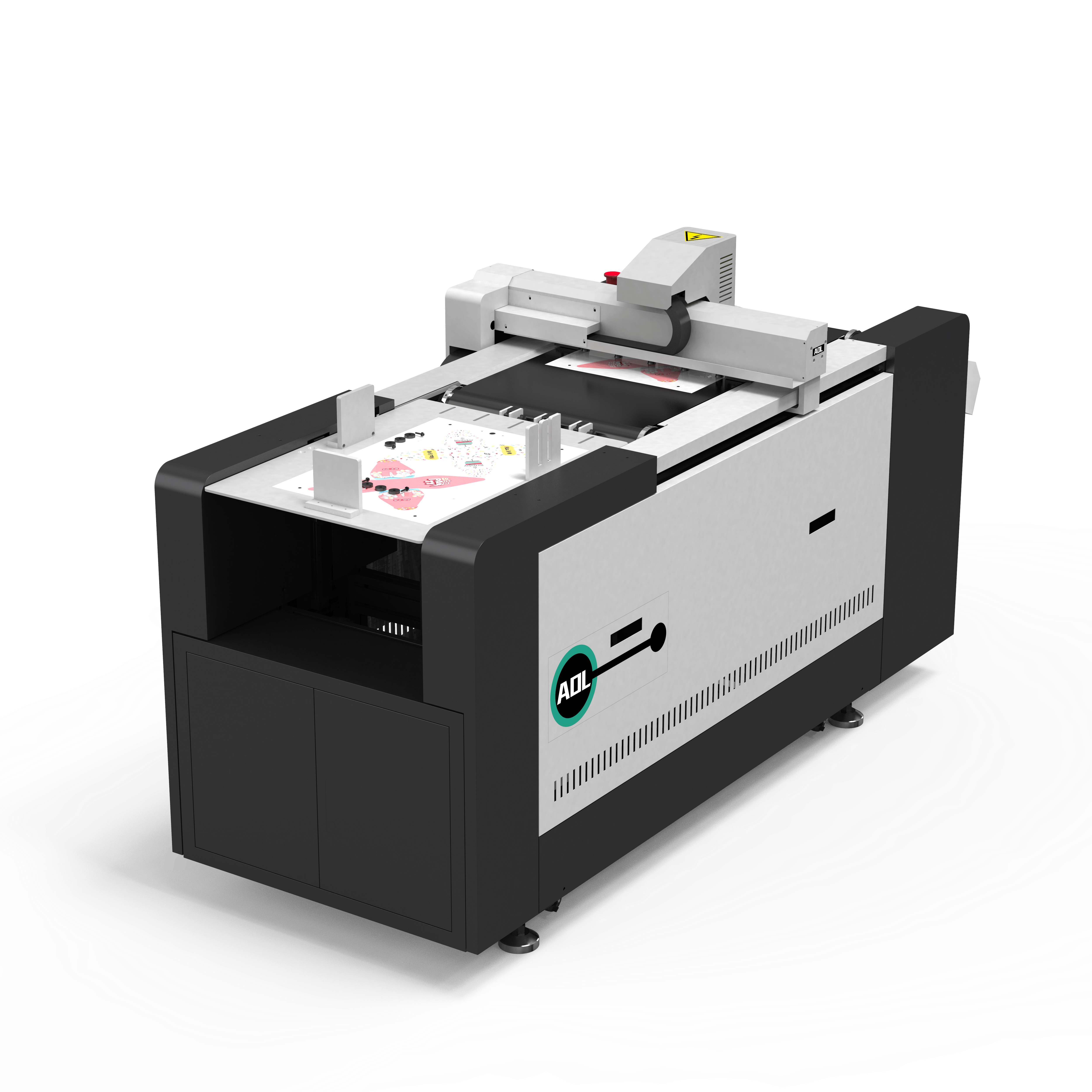
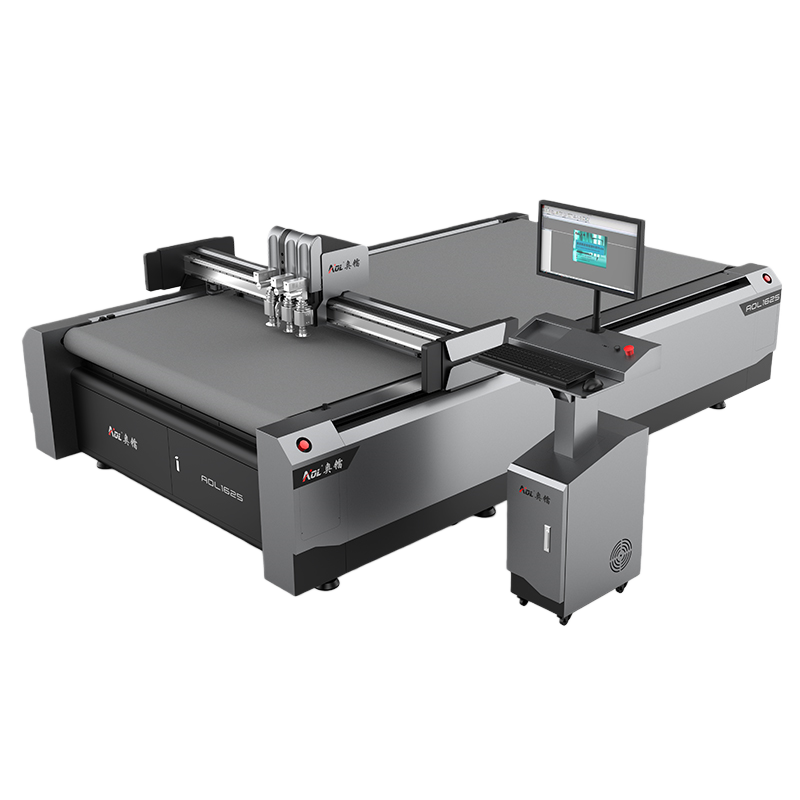
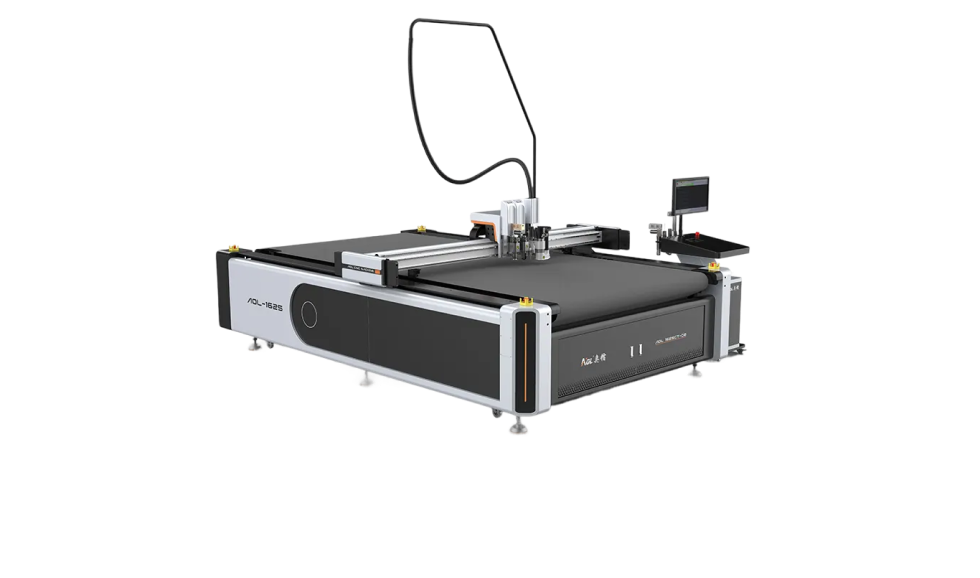
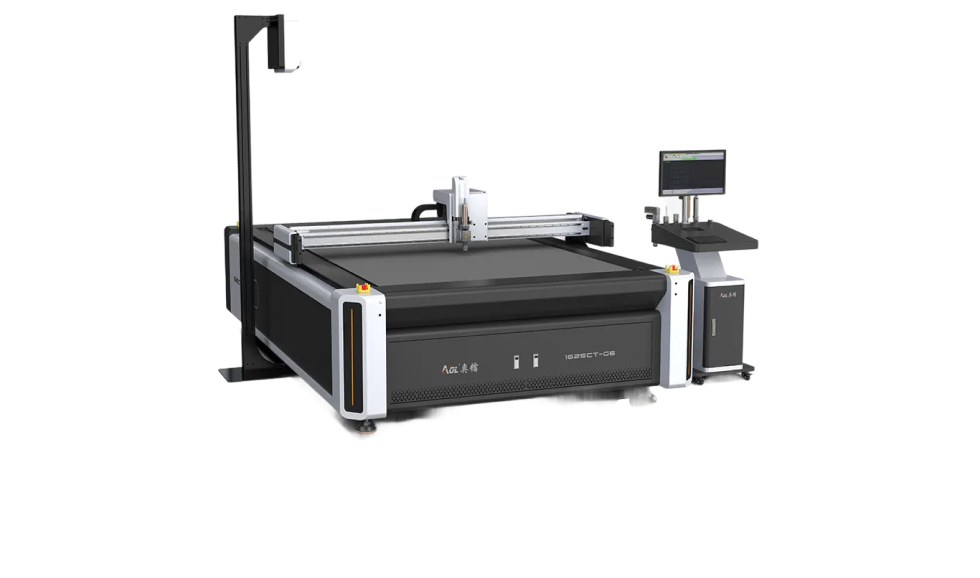
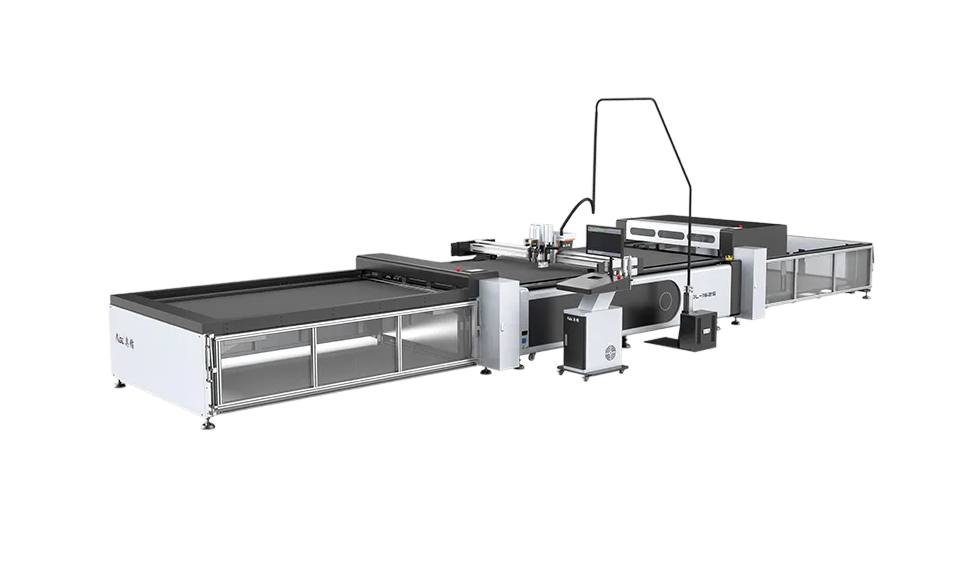
In an era where smart manufacturing and personalized demand coexist, digital fabric cutting machines are no longer merely tools replacing scissors—they are becoming the core engines reshaping production processes. Their application prospects extend far beyond traditional garment factories, permeating every corner from high-end manufacturing to home maker studios. By transforming physical fabrics into freely editable digital files, this equipment truly achieves a “what you see is what you get” production model.
In the fashion and apparel sectors, digital cutters simultaneously fulfill the efficiency demands of “fast fashion” and the precision requirements of “haute couture.” For mass production—whether T-shirts or jeans—companies no longer need physical molds for each size. Simply modifying the digital file in the system allows the machine to automatically adjust cutting paths, drastically reducing changeover time. For bespoke tailors crafting one-of-a-kind wedding gowns or suits, digital cutting machines eliminate cumbersome paper pattern-making. Designs are directly transmitted to the equipment, conserving fabric while reducing custom order delivery times from weeks to days.
In technical textiles and industrial applications, these machines deliver value through high precision and high-risk operations. Take automotive interiors: seat and headrest fabrics often feature directional pile (commonly called “pile direction”), where traditional manual cutting frequently causes color variations or inconsistent patterns. Digital cutters equipped with optical recognition systems accurately read fabric textures and positioning marks, ensuring perfect pattern matching across entire vehicle seats. In aerospace, when cutting composites like carbon fiber and Kevlar, the equipment uses sealed cutting modules to prevent fiber dust from infiltrating mechanical components. This also guarantees edge integrity of the composite material, avoiding structural weak points—critical for aircraft and high-end sports equipment manufacturing.
In the home decor and upholstery market, the wave of personalized consumption is driving the adoption of these machines. For sofa manufacturers handling premium leather or velvet, the digital cutter's automatic nesting function (also known as “nesting” technology) uses algorithms to tightly arrange shapes, saving up to 15% of expensive leather compared to manual cutting. For curtain production, traditional workbenches struggle with floor-length drapes spanning several meters or even tens of meters. Digital cutters equipped with conveyor belts enable continuous feeding and cutting of extra-long fabrics, completely resolving the pain points of processing large-format materials.
With soft signage gaining popularity in advertising, digital fabric cutters have found new applications. As fabric banners offer easier transportation and installation than traditional PVC, demand for thermal cutting technology among advertisers is rising. Digital cutters slice through polyester and mesh fabrics while simultaneously fusing edges with hot-knife technology, effectively preventing fraying and thread loss. This ensures the aesthetics and durability of large exhibition displays.
Within the maker economy and small studio sectors, digital cutters are empowering a new generation of entrepreneurs. For shop owners selling pet apparel or baby goods on platforms like Etsy or Taobao, manual cutting was once a bottleneck limiting order volume. Desktop-sized digital cutters now enable them to process cotton, felt, and even faux leather with industrial-grade precision, rapidly scaling side hustles into viable small businesses. Meanwhile, within anime subculture and cosplay communities, enthusiasts utilize these devices to cut EVA foam, crafting highly precise armor and props that drive technological advancement within the handmade crafting sphere.

 EN
EN