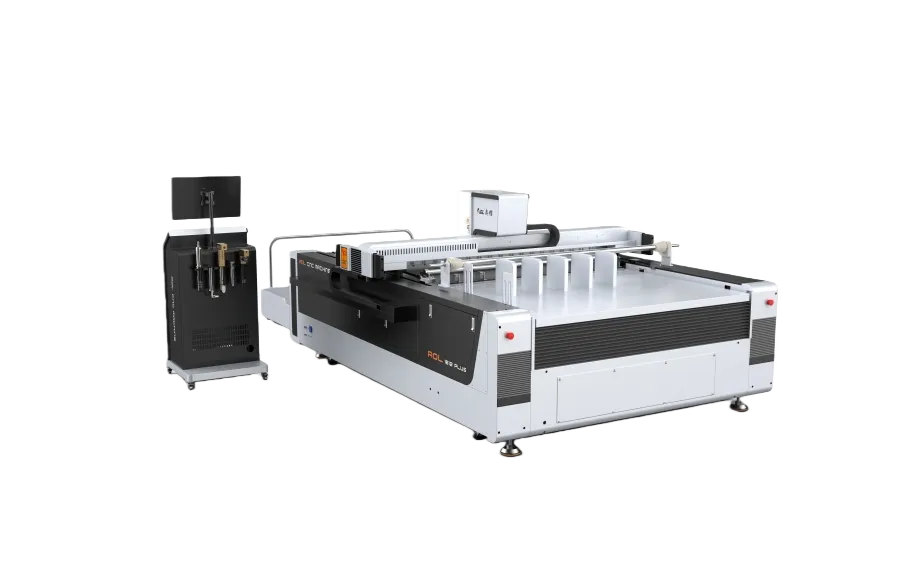
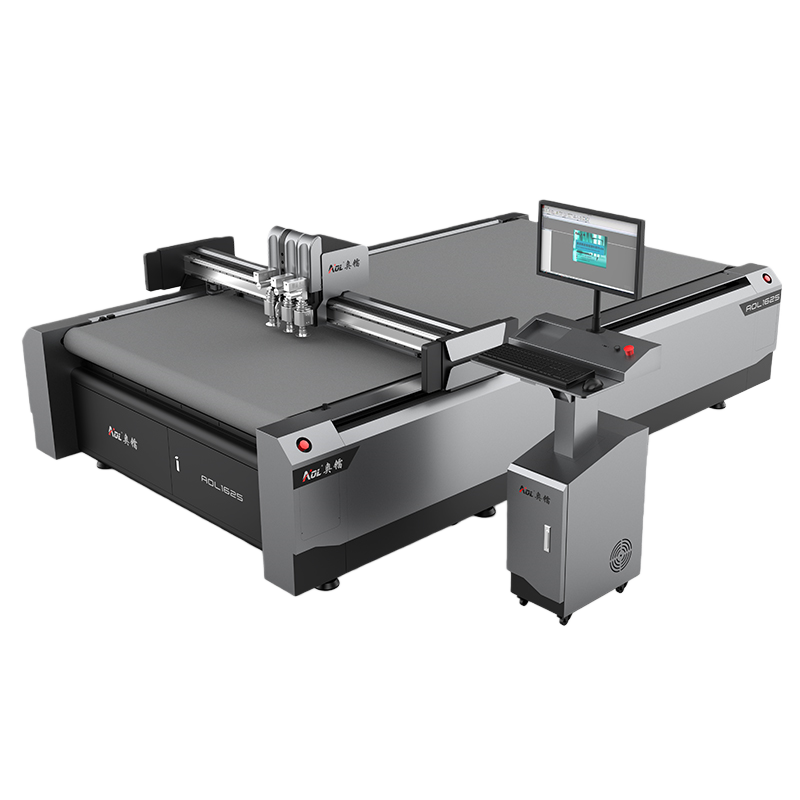
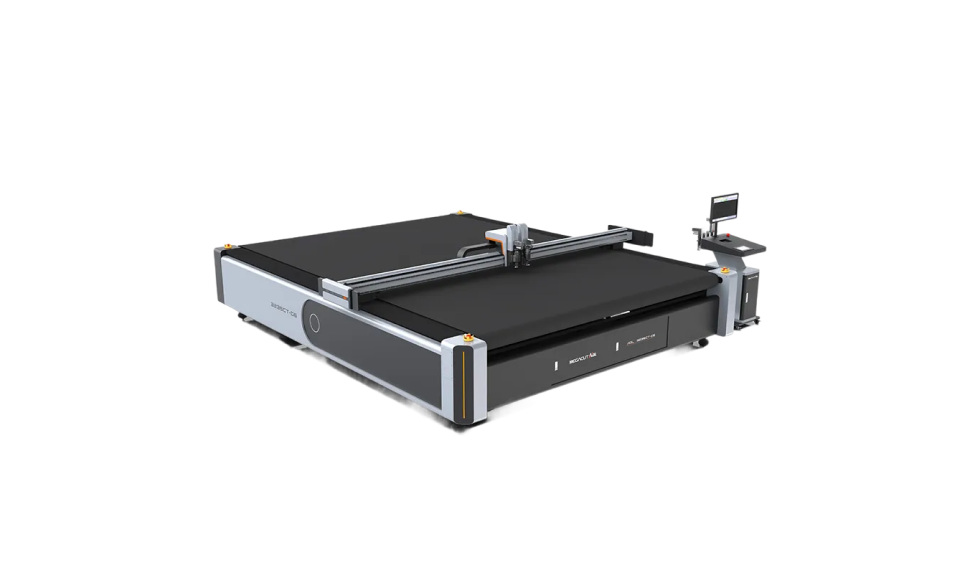
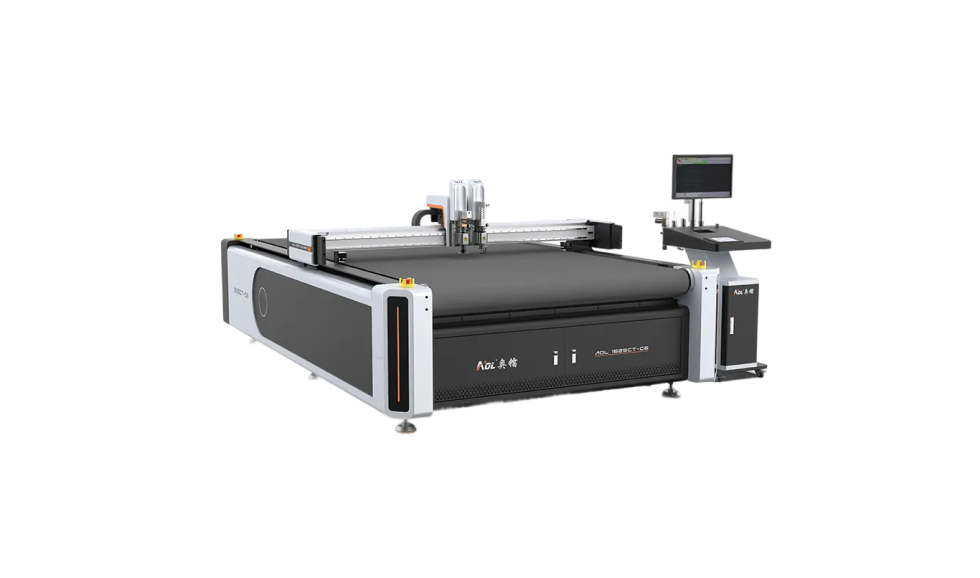
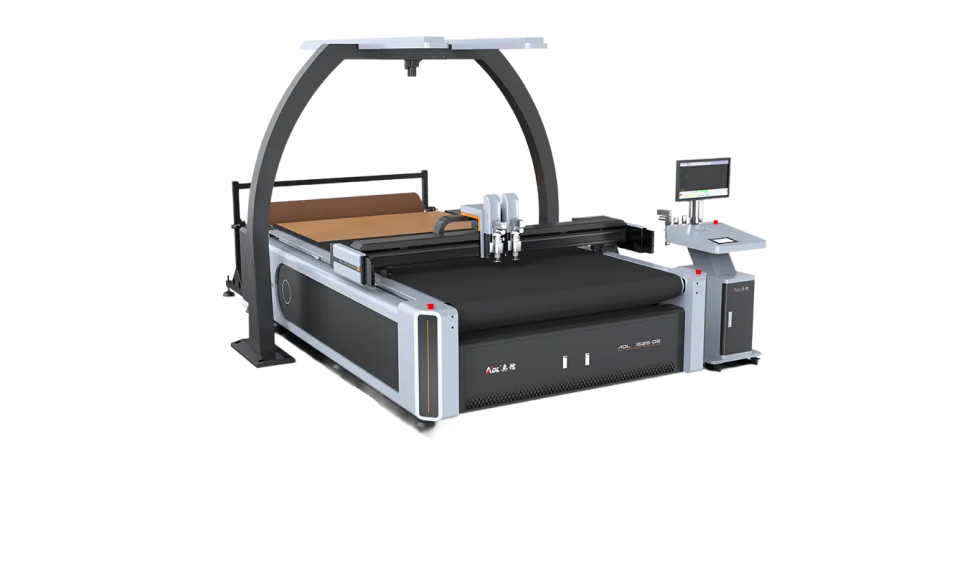
The significance of the digital cutting table extends far beyond that of a simple cutting device; it is actually one of the core enablers for modern manufacturing's transformation toward intelligence and agility. Against the backdrop of Industry 4.0, it leverages digital cutting tools and precision servo motors to transform traditional manual or mechanical operations reliant on physical dies into fully software-driven automated production. This shift is particularly vital for small and medium-sized enterprises (SMEs), as it breaks the monopoly of large corporations on high-speed, high-precision cutting technologies, making automation accessible. Businesses no longer need to invest heavily in bulky cutting dies; simply importing CAD drawings enables immediate production. This drastically shortens the cycle from design to finished product, turning “rapid time-to-market” from a slogan into a tangible competitive advantage.
While prioritizing efficiency and speed, digital cutting tables also play a vital role in sustainability and cost control. Their intelligent nesting software solves complex geometric puzzles by arranging countless irregular cut pieces in the most compact manner on materials, maximizing the utilization of fabrics, leather, or composite materials. For industries using premium materials—such as aerospace, automotive interiors, or high-end fashion—even a few percentage points of waste reduction translate into substantial economic gains and environmental benefits. Moreover, digital cutting tables offer an elegant solution to the widespread shortage of skilled technicians in manufacturing. They transform labor-intensive, high-risk manual cutting into light computer-operated tasks. This not only reduces long-term reliance on individual craftsmanship but also drastically shortens training cycles, enabling companies to build efficient production teams faster.
Finally, the core value of the digital cutting table lies in its unparalleled versatility and flexibility. Functioning like a “Swiss Army knife” in the production workshop, it can handle cutting, creasing, and marking tasks for diverse materials—including fabrics, foam, carbon fiber, and even thin metal sheets—within the same workflow by simply swapping tool heads (such as vibrating blades, creasing wheels, or milling cutters). This “one machine, multiple uses” capability enables businesses to respond with exceptional flexibility to small-batch, multi-variety custom orders without switching between specialized equipment. Thus, the digital cutting table is not merely a productivity tool but a strategic investment for enterprises to reshape production logic and adapt to future personalized market demands.

 EN
EN