
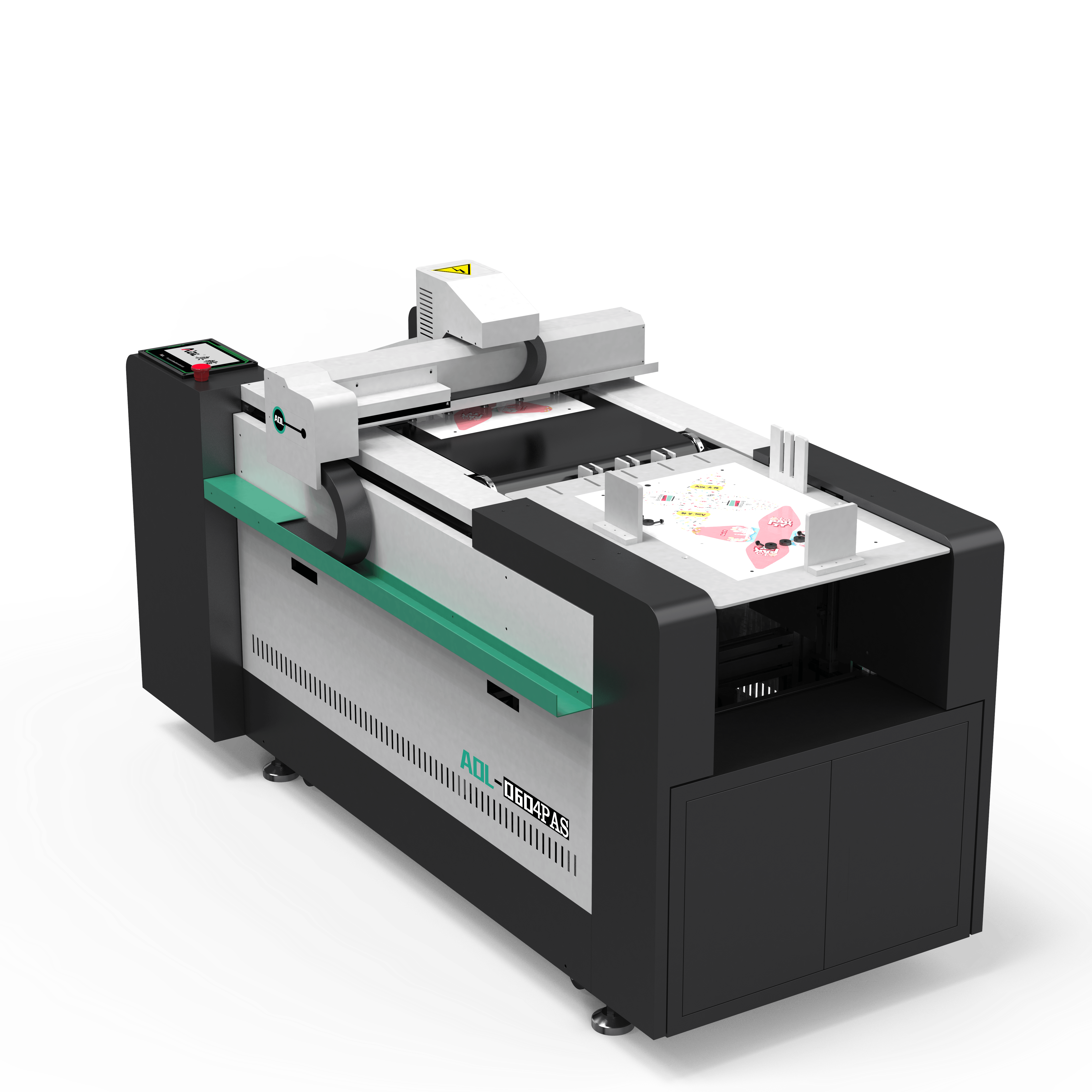
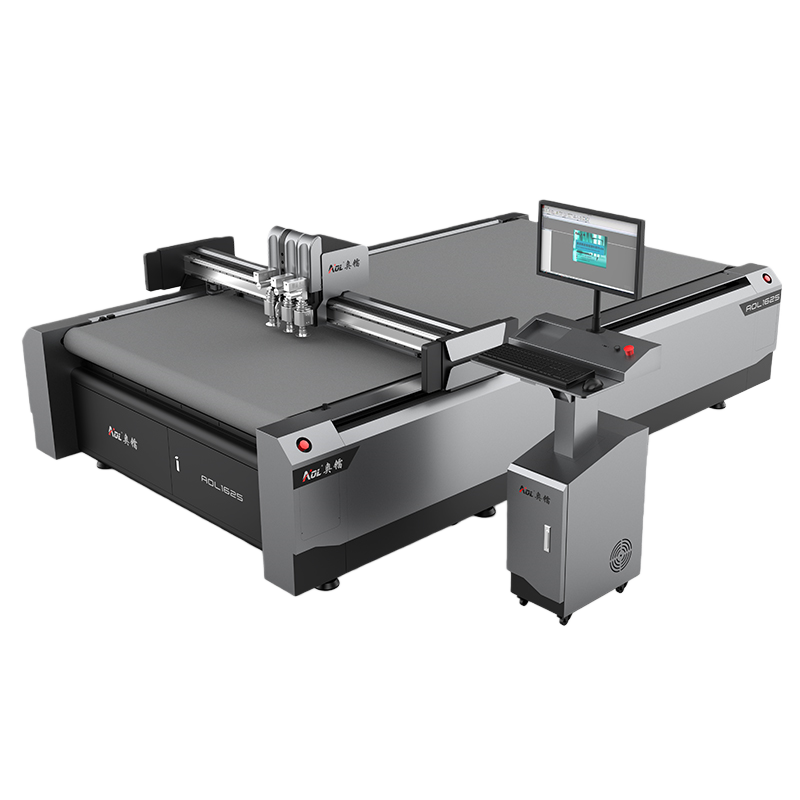
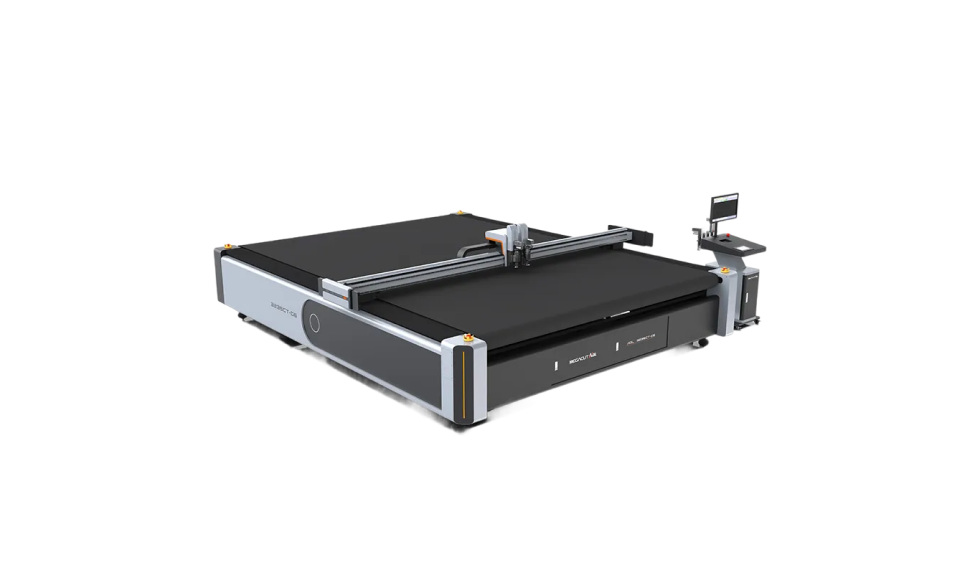
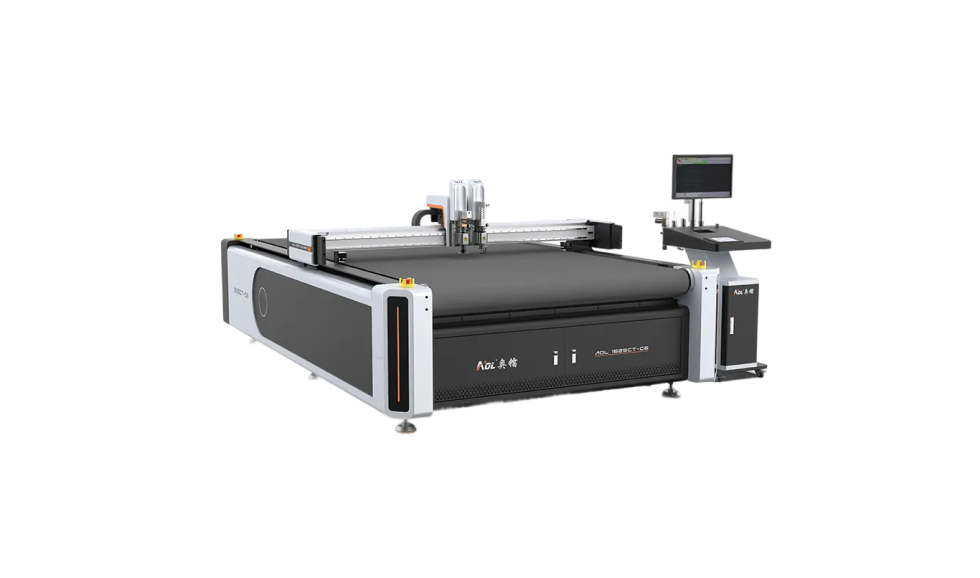
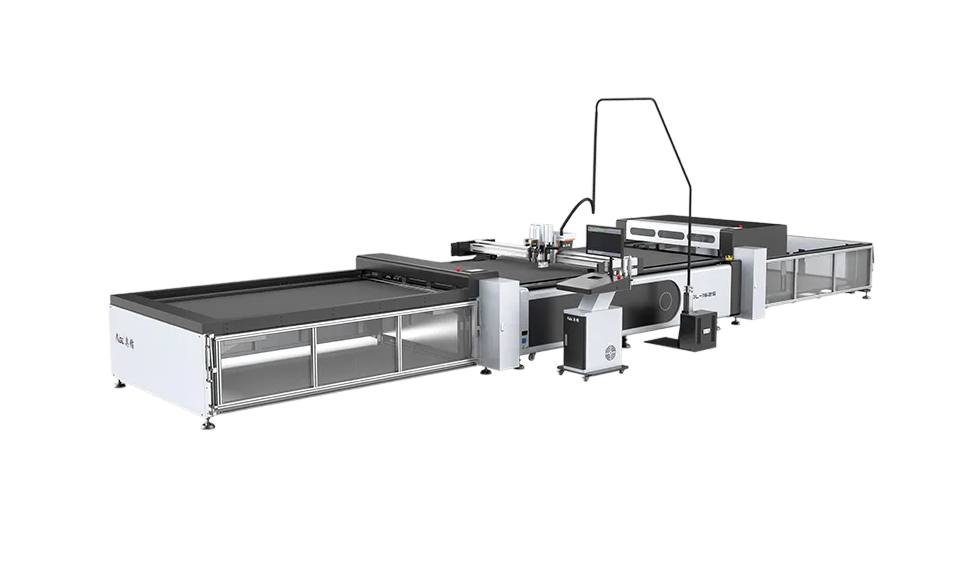
Digital fabric cutting machines are more than just equipment; they represent a core solution for modern manufacturing to address labor shortages. As experienced cutters retire and younger generations show reluctance to enter this traditional industry, the labor bottleneck has become the most significant constraint on production. Through automated operation, digital cutting machines enable a single operator to handle the workload previously requiring three or four skilled workers, directly mitigating the risk of production stagnation caused by labor shortages. In terms of cost control, this equipment holds strategic significance—fabric typically constitutes the largest portion of production costs. Traditional manual cutting often results in staggering waste of 5% to 15% due to errors and inefficient layout planning. Equipped with intelligent layout software, digital cutters calculate the most material-efficient cutting paths like playing Tetris, ensuring eco-friendly production while saving businesses substantial material expenses.
In a fast-fashion-dominated market, this equipment serves as an accelerator for businesses seeking competitive advantage. Where design revisions once required weeks of waiting due to reliance on cutting dies or manual cutting, the process is now compressed to mere minutes—from New York design blueprints to finished fabric pieces in Texas factories. This on-demand production capability enables brands to stay ahead of trends while eliminating the nightmare of inventory backlogs. For businesses pursuing differentiation, digital cutting machines unlock creative design possibilities—complex curves, intricate cutouts, and minute notches once impossible by hand are now replicated with zero error. This transforms designers' wildest visions into mass-producible goods, opening new revenue streams in the high-end customization market.
Most astonishing is this equipment's cross-industry adaptability. One machine can cut silk dresses today, switch to automotive seat covers tomorrow, and process tent fabrics or mattress edging the day after. This versatility enables businesses to flexibly handle orders across furniture, outdoor gear, medical devices, aerospace, and other sectors without repeated investments in multiple machines. It is precisely this integrated value—reducing costs, boosting efficiency, and enabling agile adaptation—that is redefining the competitive boundaries of manufacturing. Digital fabric cutting machines are becoming the strategic springboard for enterprises transitioning from traditional manual processes to intelligent automation.