
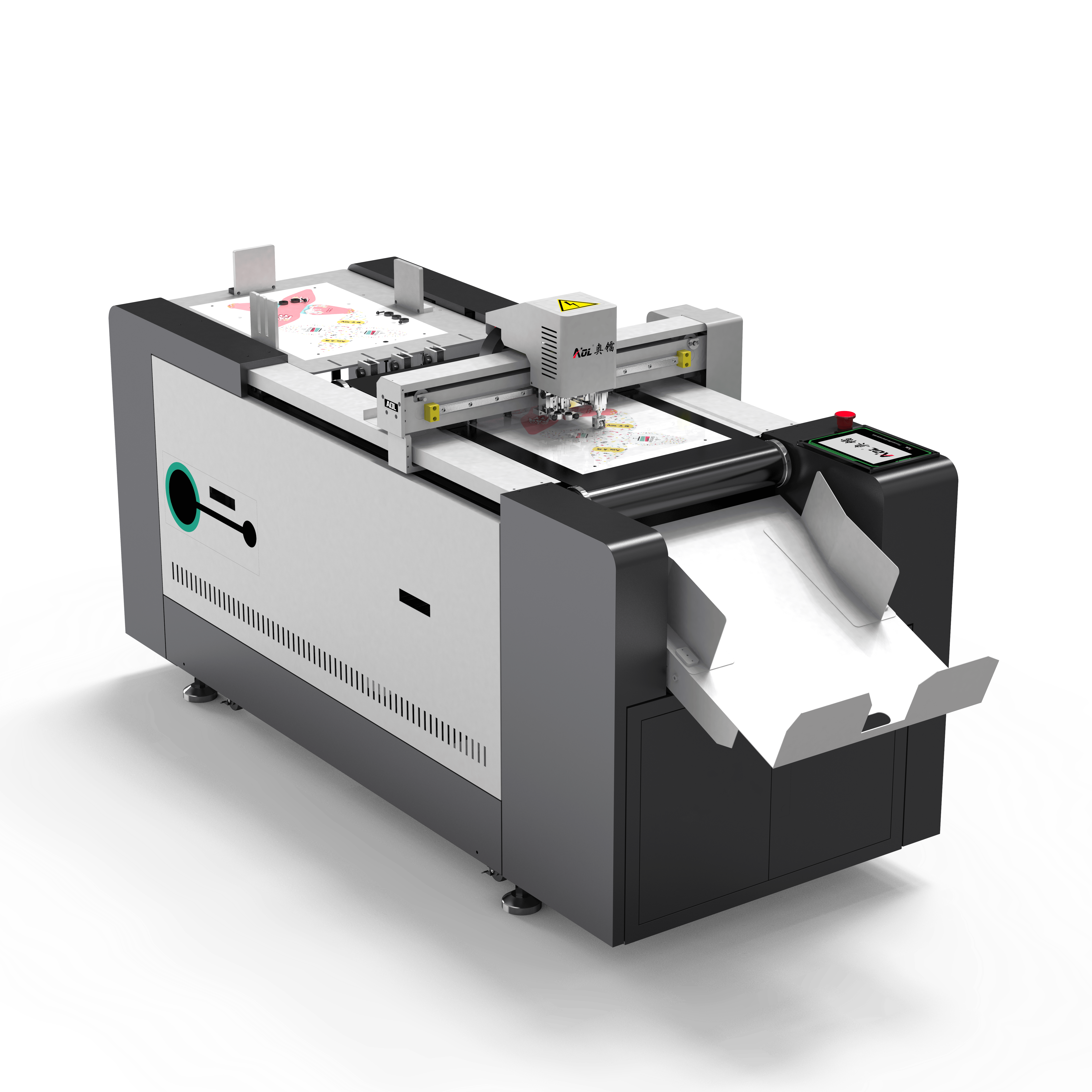
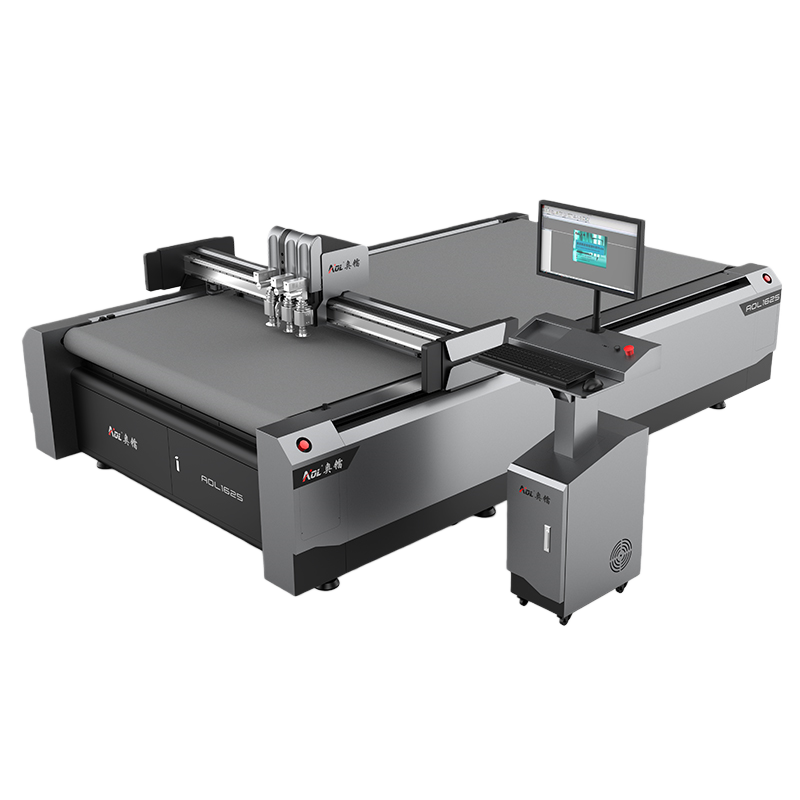
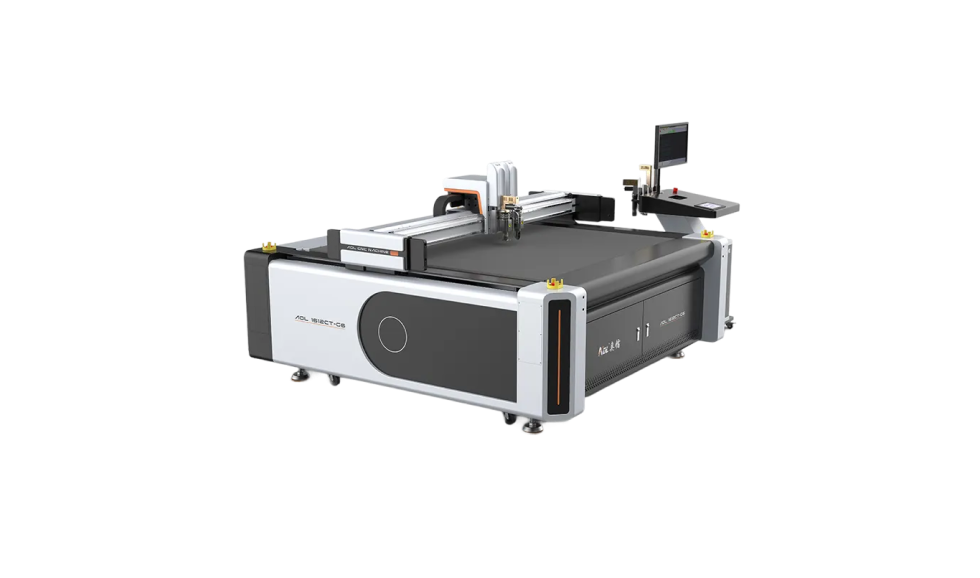
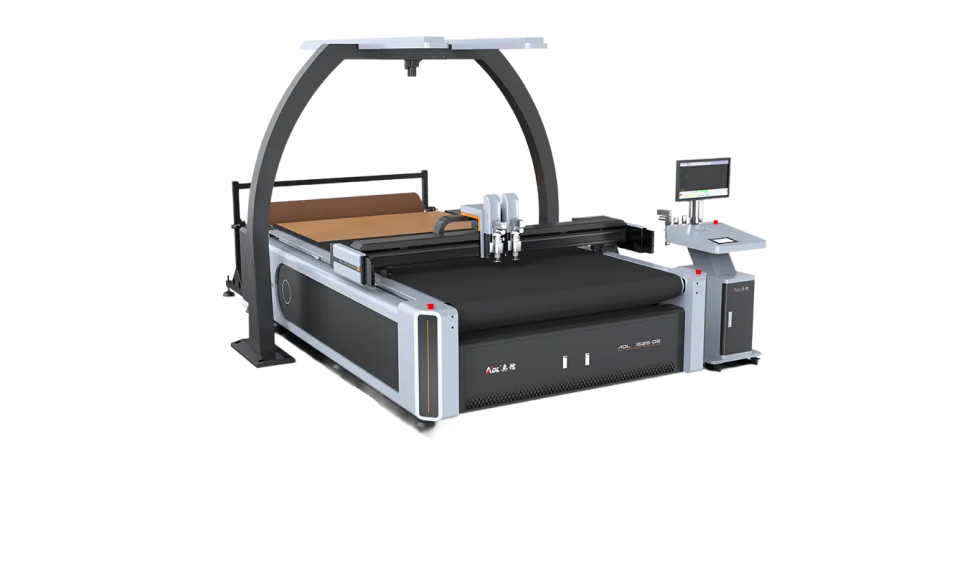
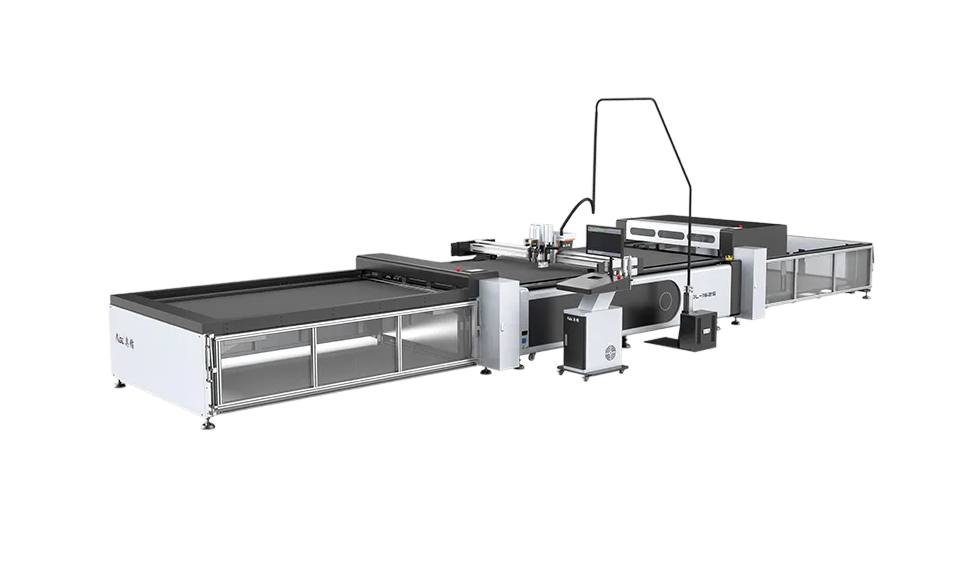
In today's rapidly evolving manufacturing landscape, digital fabric cutting machines hold immense potential, fundamentally transforming traditional production models across multiple industries. In the apparel and fashion industry, it bridges the gap between fast-paced consumption and personalized customization. Whether meeting fast-fashion brands' relentless pursuit of rapid new product launches or fulfilling high-end bespoke shops' demand for zero-error cutting of delicate fabrics like silk and lace, this equipment liberates manufacturers from traditional manual processes through automated pattern cutting. It enables lightning-fast transformation from design to finished garments.
As transportation evolves, digital cutting technology has deeply penetrated automotive and aerospace sectors. In automotive interior manufacturing, it delivers the consistency and precision required for complex seat surface trimming and thick material processing for headliners and carpets. This is particularly crucial as electric vehicles pursue luxurious interiors, where efficient handling of new materials like vegan leather becomes paramount. In aerospace, it not only cuts carbon fiber composites but also meets stringent traceability and flame-retardant standards to ensure safety at 30,000 feet.
Its value in home living and industrial applications is equally significant. Upholstery manufacturers utilize it to cut sofa and mattress fabrics, minimizing waste of expensive leather or textiles through intelligent layout software. In industrial textiles, whether handling heavy canvas for outdoor tents or geotextiles for construction projects, this machine effortlessly manages demanding materials with its powerful cutting force and stable conveyor system. Furthermore, in marine manufacturing, advertising signage, and medical textiles, digital fabric cutters are emerging as a core driver for modern manufacturing transformation. Their cross-material capability, high precision, and rapid processing are revolutionizing these industries.