
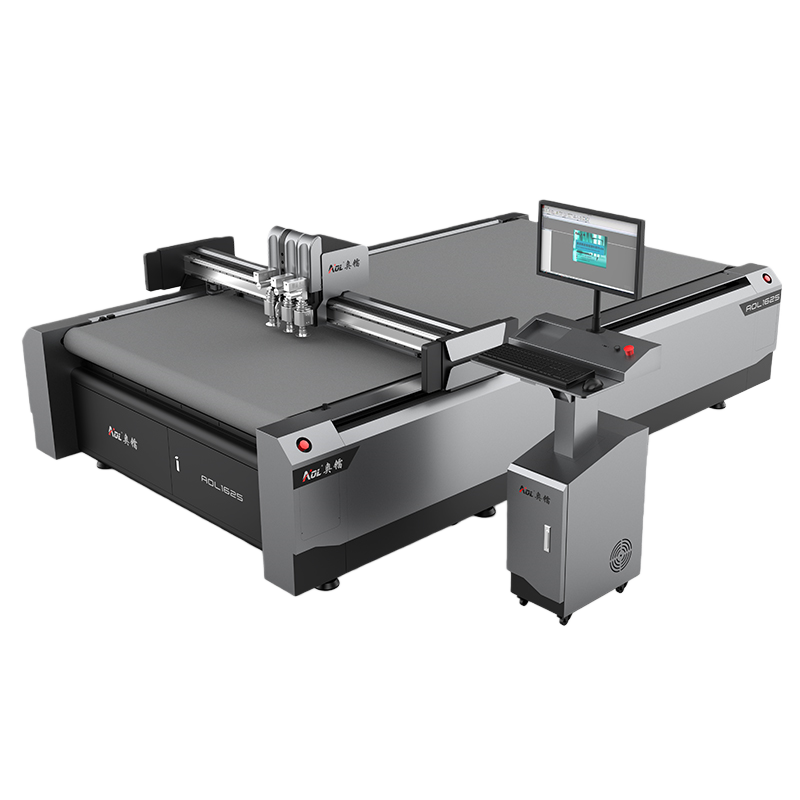
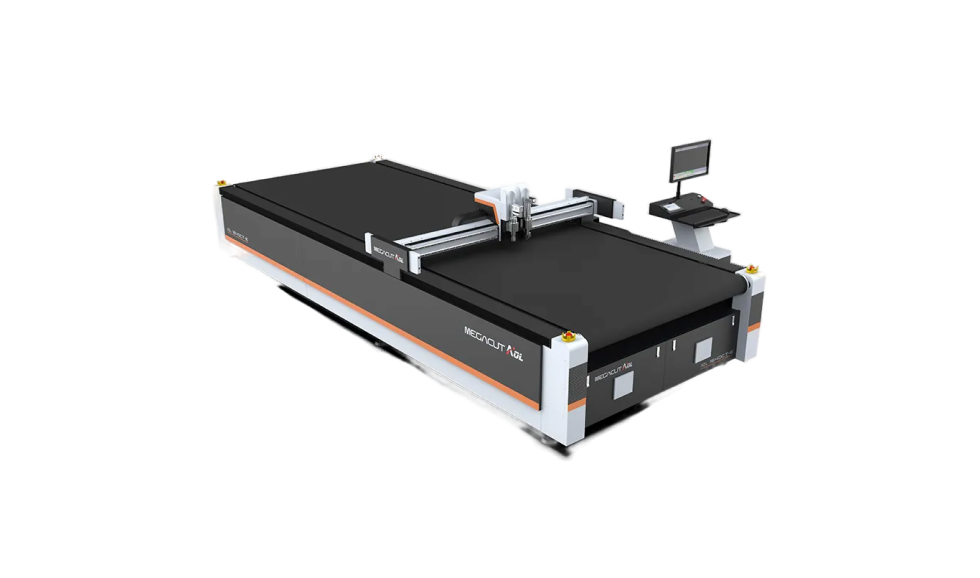
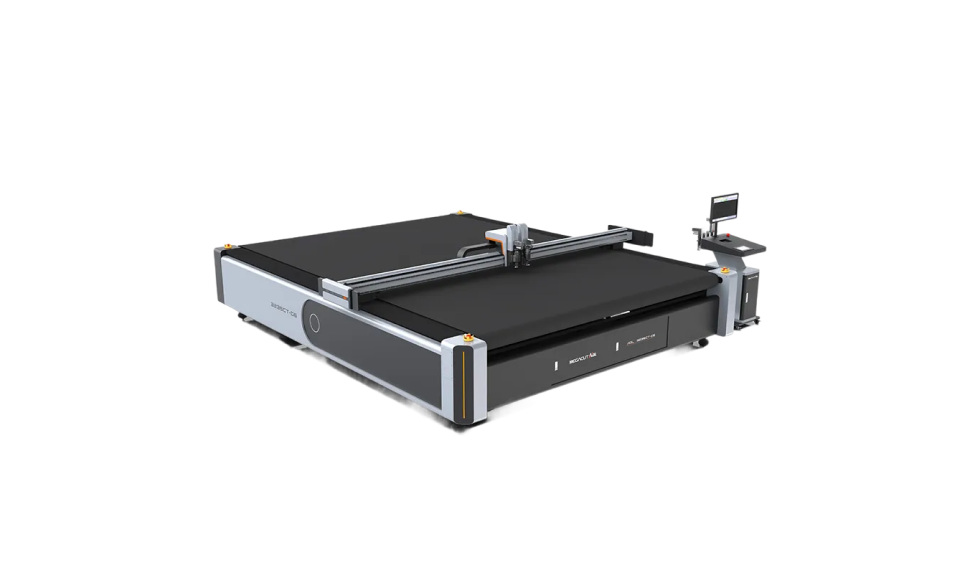
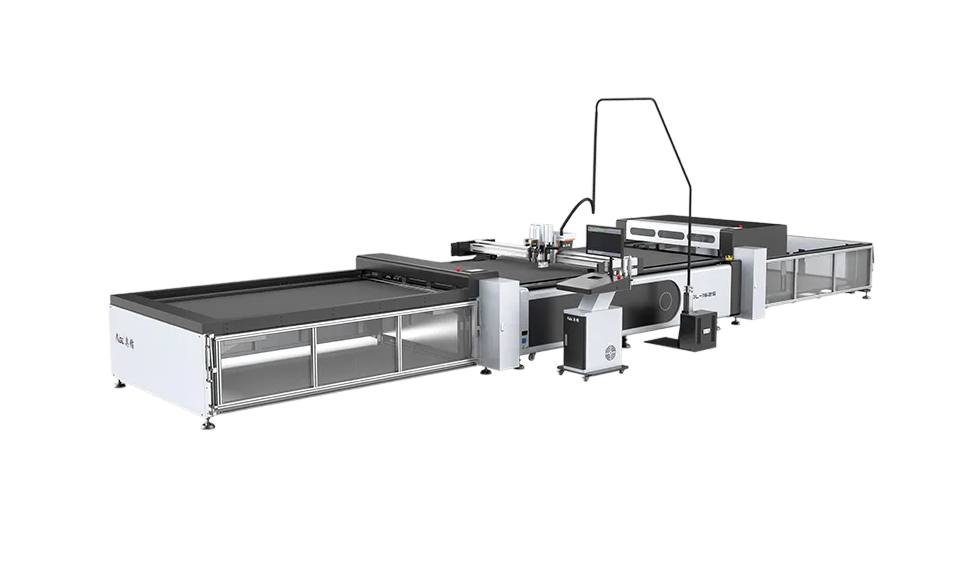

The application prospects for digital fabric cutting machine factories are vast, profoundly reshaping the landscape of modern manufacturing. In the apparel and fashion sectors, they drive large-scale customized production, enabling brands to cut fabrics on demand, shorten design-to-production cycles to minutes, and effectively reduce fabric waste by 15% to 20%. For the automotive interior industry demanding zero-error precision, equipment from these factories accurately processes high-precision leather and airbag fabrics required for electric vehicle adoption, ensuring edge sealing integrity and material safety. In aerospace, their multi-layer cutting systems expertly handle costly composite materials like carbon fiber, safeguarding structural component integrity and lightweight requirements. In home textiles and furniture manufacturing, digital cutters efficiently handle complex materials like thick foam and velvet, supporting high-volume production for “fast furniture” models. Additionally, for industrial fabrics—such as heavy materials used in tents and conveyor belts—the factories' ultrasonic or drag-knife technologies ensure durable cut edges.
From the buyer's perspective, direct collaboration with digital fabric cutting machine factories not only provides customized machine heads and software tailored for specific applications (like denim or spandex) but also reduces capital expenditure by eliminating intermediaries. It further guarantees rapid response for spare parts supply and technical support. Looking ahead, these factories' applications will be closely intertwined with Industry 4.0. The trend is toward manufacturing smart equipment featuring IoT connectivity, predictive maintenance capabilities, and AI-driven optimization for layout and zero-defect cutting. This directly empowers downstream enterprises to achieve cost reduction, efficiency gains, and sustainable development goals.