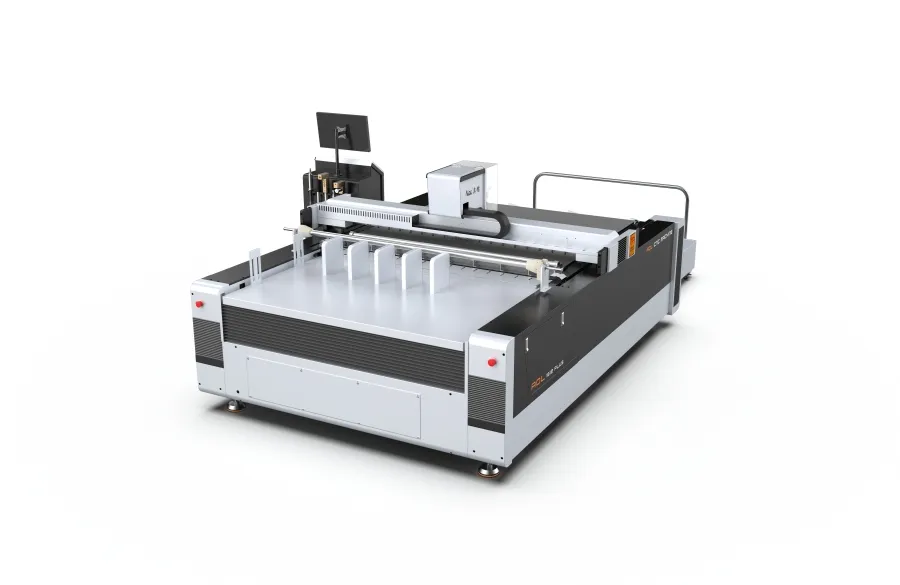
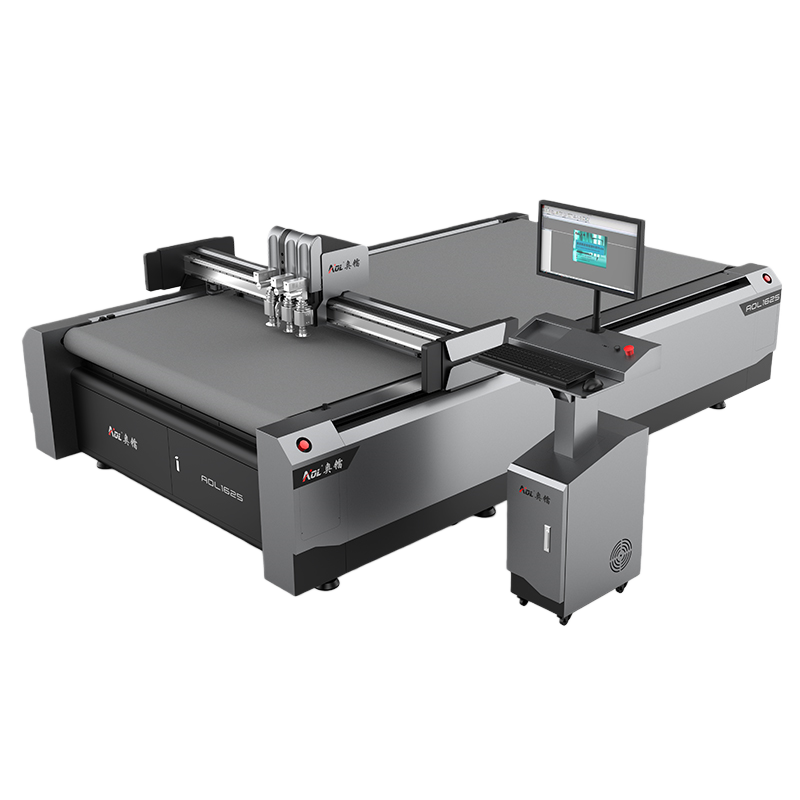
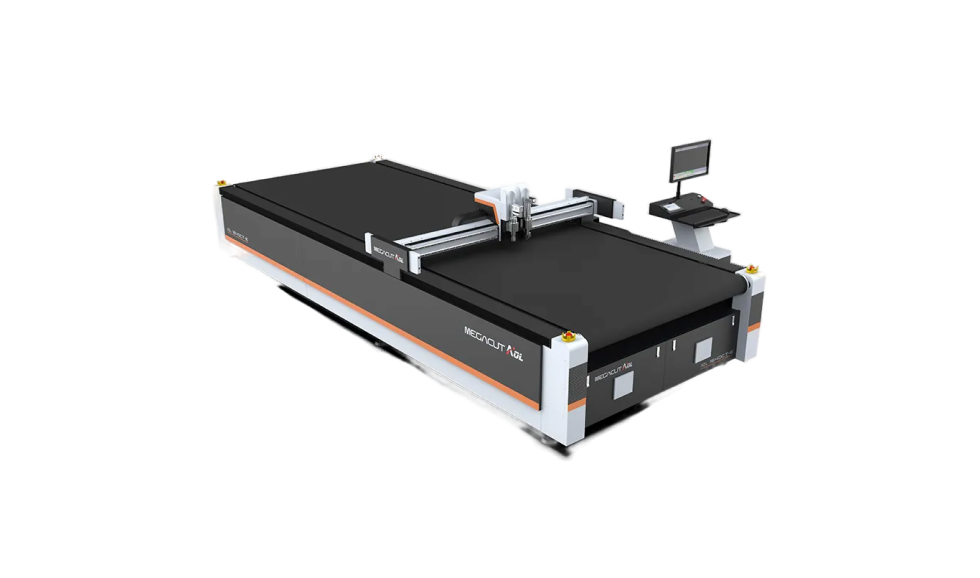
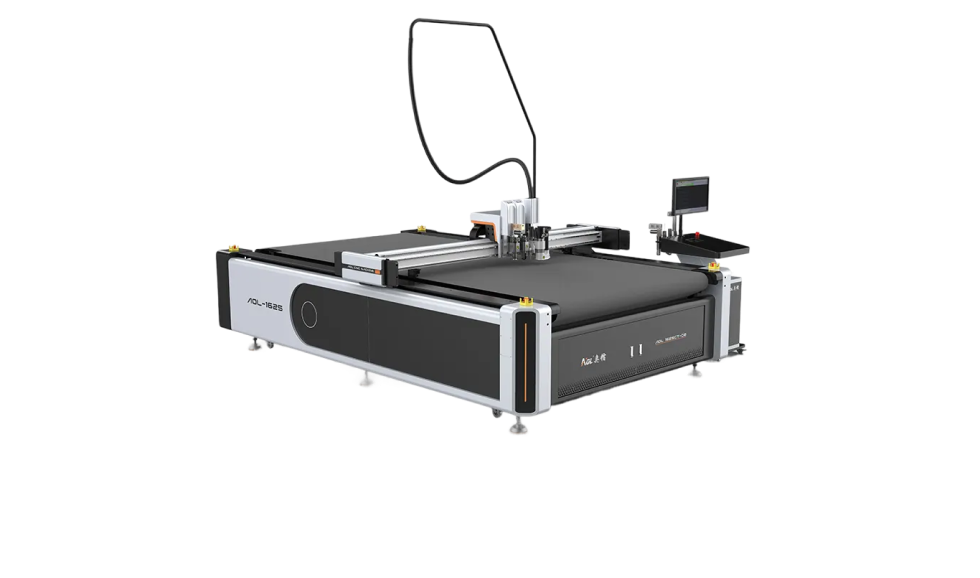
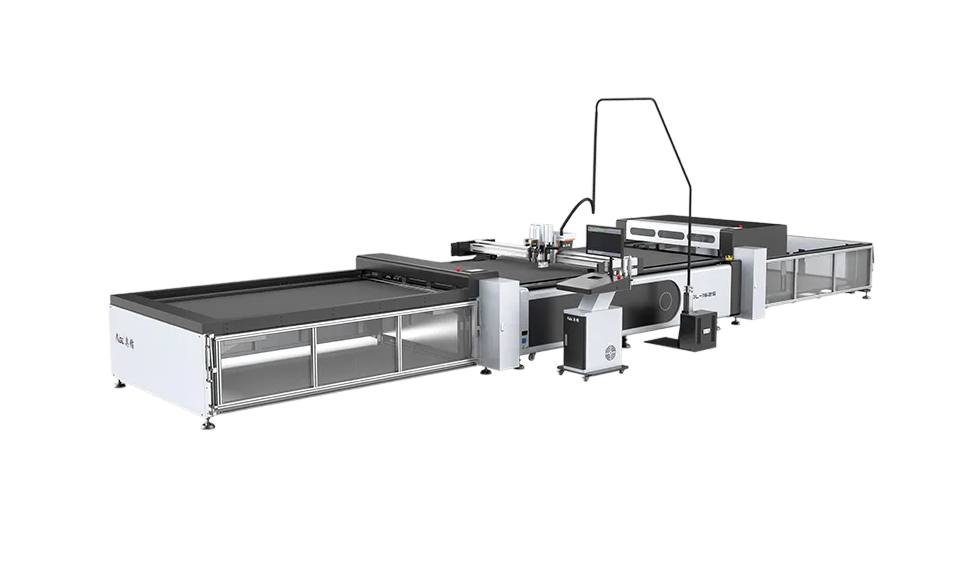
Driven by the current wave of Industry 4.0 and sustainable development principles, digital fabric cutting machines have evolved from standalone automated equipment into core hubs of modern manufacturing. Their application prospects have long transcended traditional apparel processing, deeply penetrating multiple high-growth, high-precision industries to deliver significant cost-saving and efficiency gains for manufacturers.
In the apparel and fashion industry, facing dual pressures from fast fashion and personalized customization, brands are widely adopting digital cutting technology to address the production challenges of “multiple styles and small batches.” Not only can it flawlessly handle delicate fabrics like silk and lace while preventing edge abrasion, but its precise automated layout algorithms also reduce fabric waste by 5% to 15%. This makes it a crucial tool for apparel brands pursuing green transformation and print-on-demand production. In automotive interior manufacturing, the rise of new energy vehicles has elevated demands for cabin comfort and customization to unprecedented levels. Digital cutting machines efficiently complete complex shape cutting for seats, carpets, and interior components in a single pass. Particularly for multi-layer cutting of genuine leather and foam composites, their precision and efficiency far surpass traditional molds, ensuring consistent interior quality from compact cars to luxury models.
In the highly demanding fields of technical textiles and composites, digital cutting machines also hold vast potential. Whether processing carbon fiber prepregs for aerospace or high-strength Kevlar fibers for bulletproof vests, the high value and challenging machinability of these materials make high-precision digital cutting the only viable solution. This ensures the reliability and durability of products like industrial safety apparel and marine composite components. Furthermore, within the home goods and interior decoration market, digital cutting machines empower furniture manufacturers to achieve flexible production—from bulk cutting of sofas and mattresses to intricate, pattern-matched curtains and cushions. This significantly shortens delivery cycles, fulfilling consumers' desire for personalized home furnishings.
Finally, in the life-critical field of medical textiles, digital cutting technology plays an indispensable role. From high-speed, clean cutting of disposable medical supplies like surgical gowns and masks to precision processing of rehabilitation devices such as orthopedic braces and sports protective gear, digital production not only ensures sterile standards for medical devices but also advances personalized medical customization. In summary, the application prospects of digital fabric cutting machines are continuously expanding alongside trends in smart manufacturing and green manufacturing, becoming a crucial bridge connecting creative design with commercial value.

 EN
EN